Securing Vibe-Coded Applications with a Governed Publishing Platform

Challenge:

  • Limited IT visibility into employee-built vibe-coded applications
  • Risk of confidential data being exposed through third-party servers
  • Inability to balance AI adoption with enterprise-wide IT governance

Industry

Media

Solutions:

Vibe Coding Governance Platform

Results:

  • App building within an approved framework
  • Automated application security assessment
  • Human approval and controlled publishing

Location:

USA

About the Client

The client is a diversified media organization with annual revenue of approximately $700 million and a workforce of over 1,500 employees. Its operations span content production, broadcasting, digital media distribution, and publishing, reaching millions of customers worldwide. The client has always been open to adopting new technologies. With the rise of Vibe Coding tools, the company encouraged its employees to experiment and build their own applications with AI.

However, since employees could access these tools outside the company network, IT had limited visibility into what was being built. Confidential company data could end up on third-party servers without adequate safeguards. Banning vibe coding tools would undermine the company's broader AI adoption goals. Whereas reviewing each app manually would take an estimated 16 hours per app, or about 1920 hours a year for an estimated 10 apps a month.

Case Overview

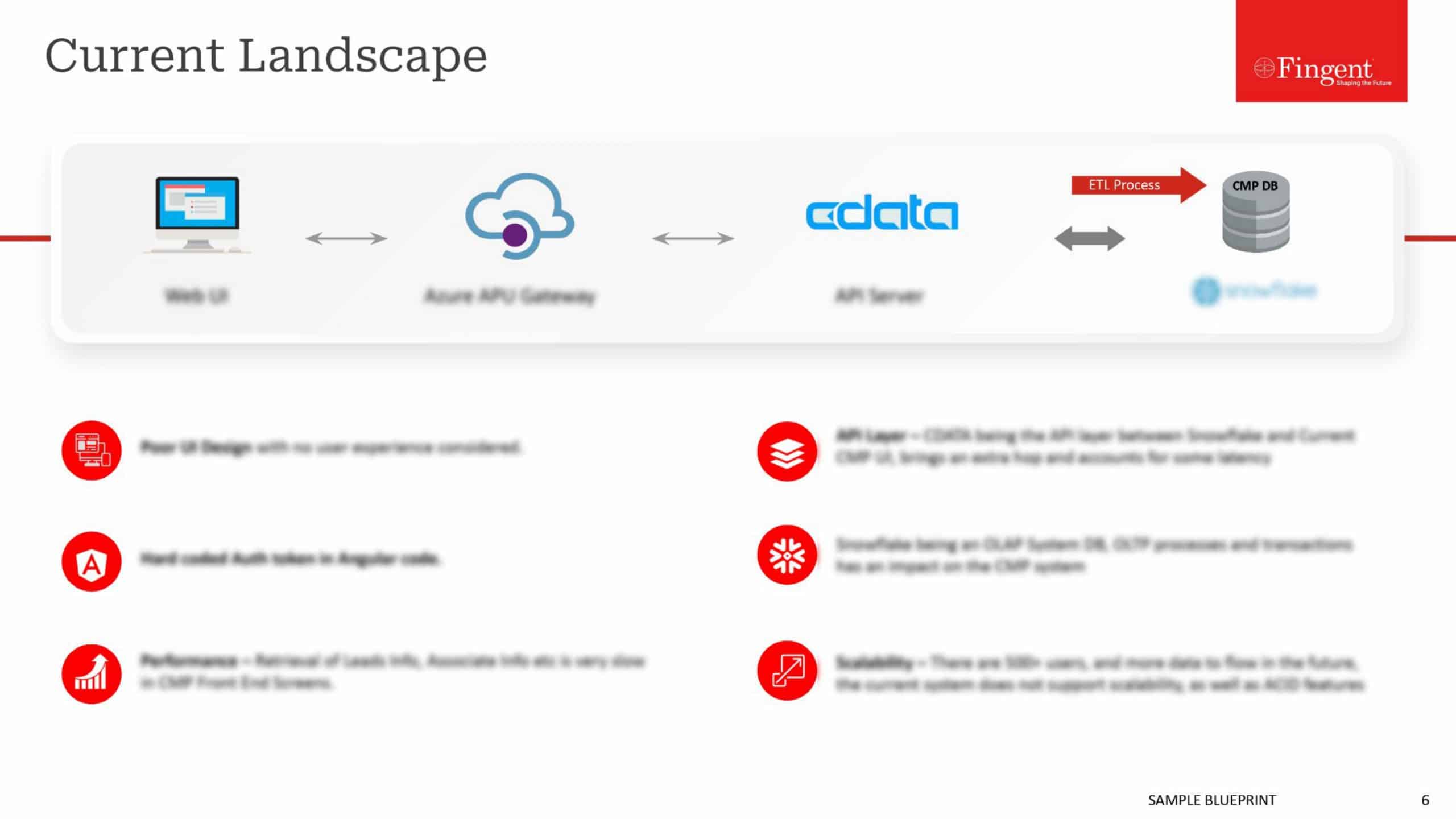
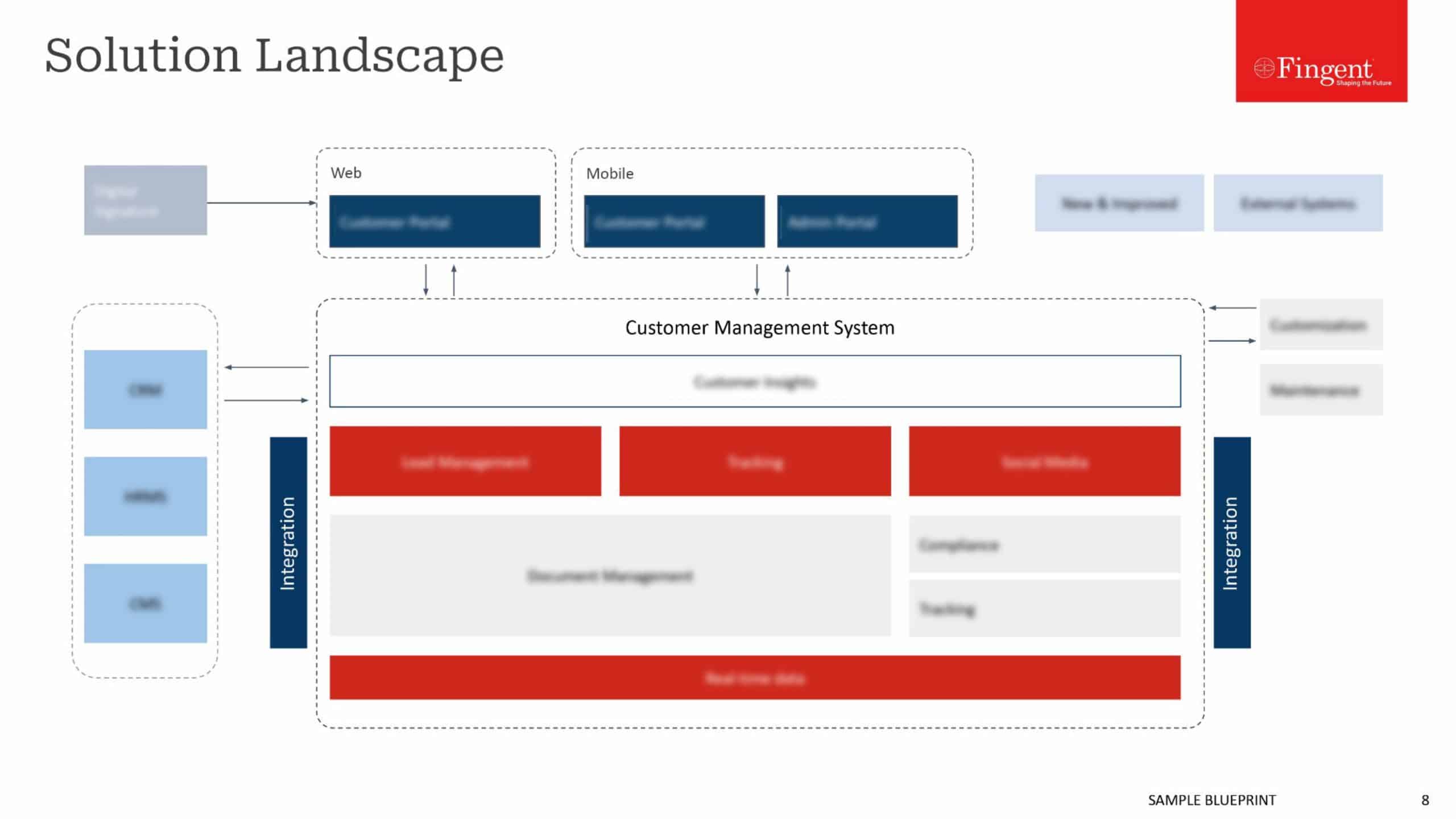
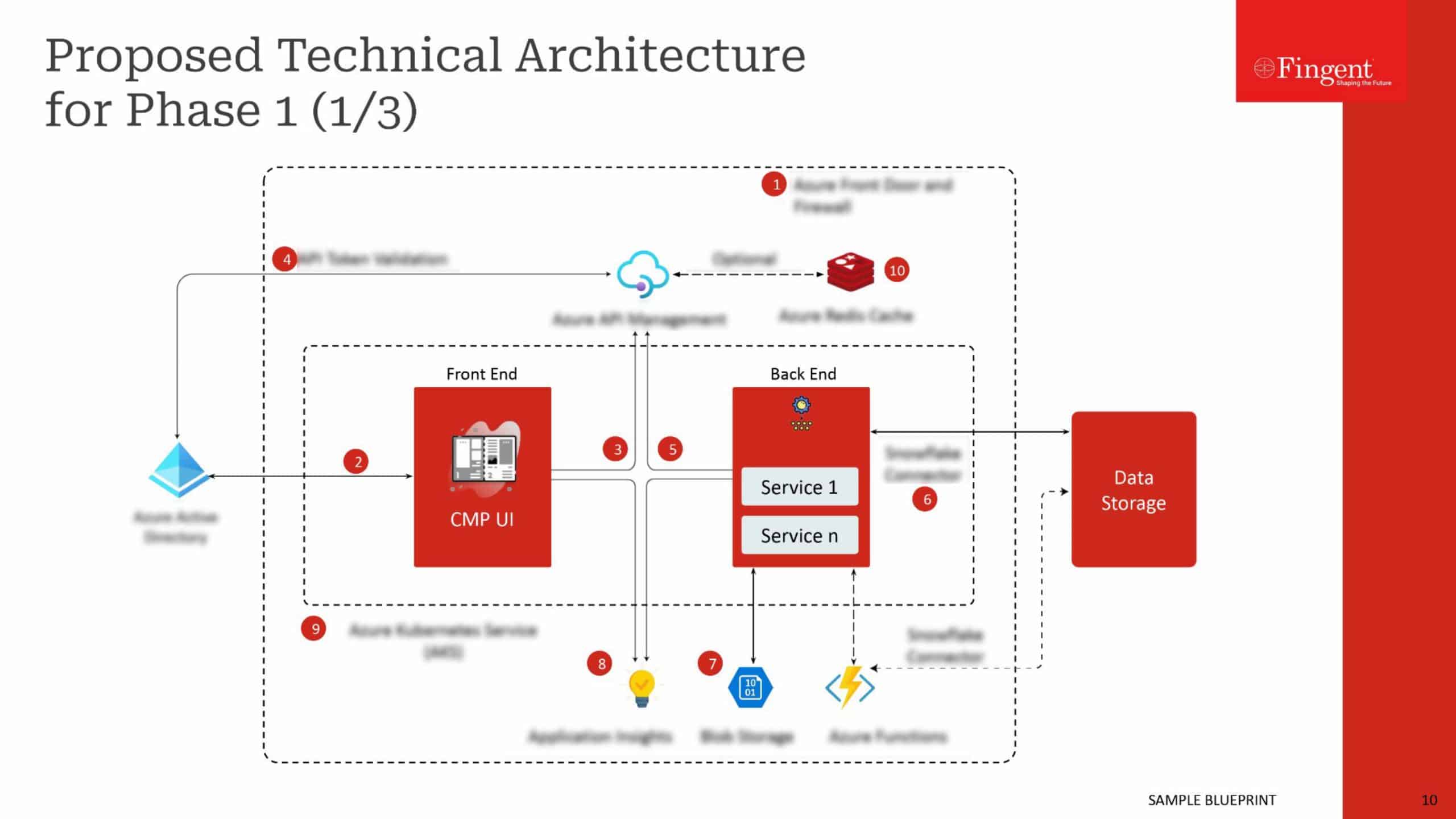
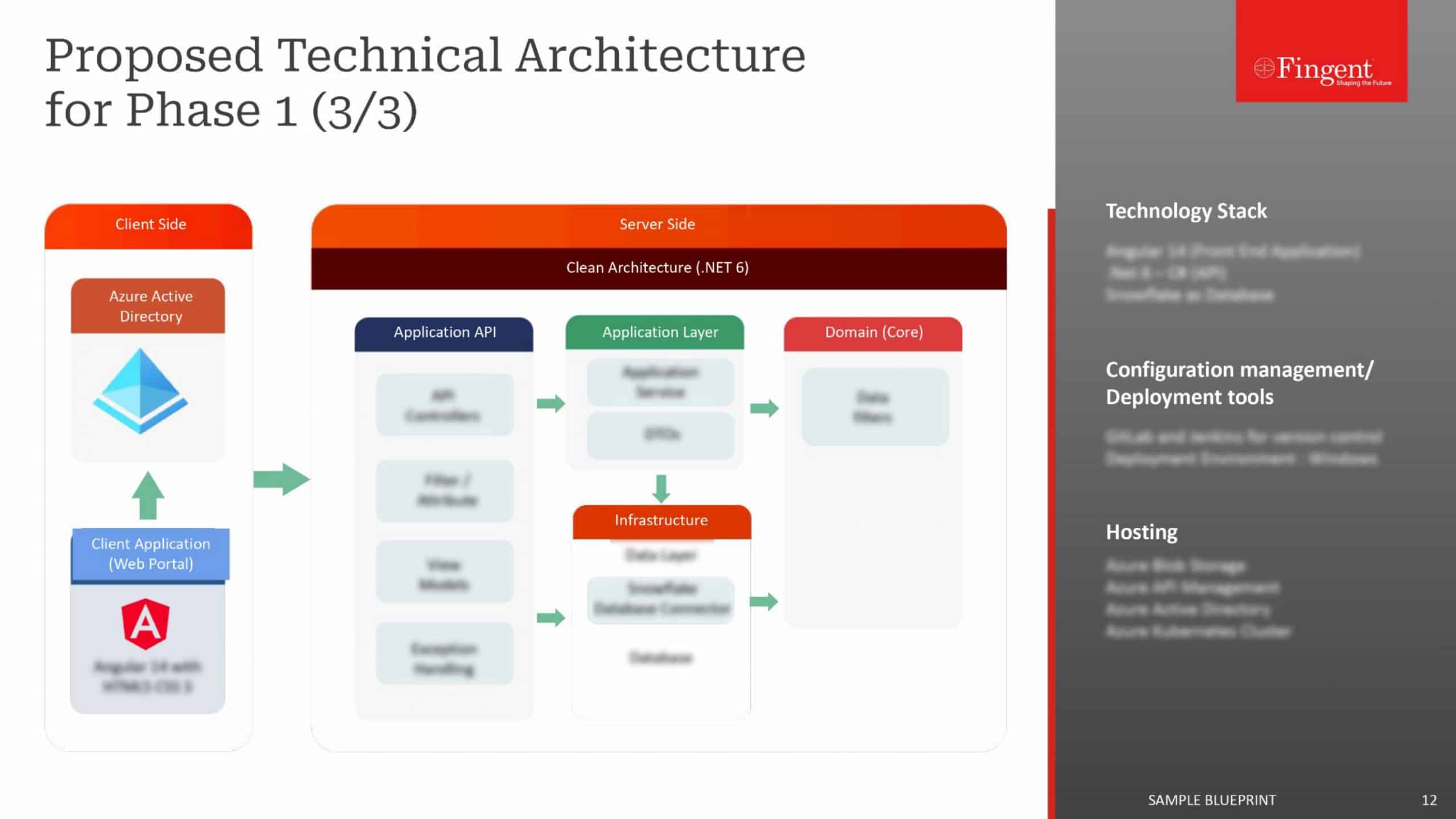
Fingent proposed a Vibe Coding Governance Platform. The platform is designed on Microsoft Azure, with a Python backend that scales on Azure Container Apps. The platform gives employees access to an approved set of vibe coding tools and standardized instructions. This allows them to experiment and build applications within a framework defined by the client's IT policies, compliance requirements, and security standards.

The platform runs multiple layers of automated checks. Security scanners check the code and look for exposed secrets. Another scan tests for known vulnerabilities and misconfigurations. GPT models also review the app and explain each finding in plain language. This gives creators a clear view of what needs attention. They can fix the issues with the same tool and resubmit the application for review.

CHALLENGES

Roadblocks Faced In The Existing Systems

Limited IT visibility into employee-built applications

Risk of confidential data being exposed

Time-consuming application security assessment process

Growing manual review workload across employee-built apps

Balancing AI adoption with enterprise-wide IT governance

SOLUTION

Fingent’s Approach - Vibe Coding Governance Platform

Fingent began by auditing a sample of these employee-built applications. The review uncovered serious security gaps. Confidential company data was stored on third-party servers without adequate access controls. In some cases, data was accessible to anyone online with a URL. The financial implications of such exposure were huge. The global average cost of a data breach is estimated at approximately $5.0 million.

The findings highlighted the need for a structured approach to application governance. Rather than checking applications only after they were built, Fingent recommended a platform that embeds governance into the development process right from the start. Automated checks are followed by a final human review. Once all checks pass, an authorized reviewer decides whether the application is ready for publication.

Approved applications are deployed to internal URLs chosen by their creators.

Apps can be integrated with existing CRM, data lake, and selected legacy applications.

Apps can be integrated with existing CRM, data lake, and selected legacy applications.

Explore how our experts can turn your ideas into innovations.

IMPLEMENTATION JOURNEY

Ensuring a Successful and Smooth AI Transition

Fingent began with an application audit. This helped identify security gaps and understand where company data was exposed. These findings were the foundation for defining the platform's initial scope and establishing the right governance requirements.
Fingent delivered the first working version of the platform within three months. Over the next four months, the team expanded its capabilities to power more features. The platform now follows a monthly release cycle, with new features regularly moving into production. A few key challenges Fingent helped tackle during the implementation were:

Each vibe coding tool functioned differently from one another. This required a flexible review framework.

The team had to work through Azure’s limitations to support the required workflow.

Ensuring automated deployment and a reliable go-live pipeline required careful orchestration.

The team also had to refine scan accuracy to reduce false positives.

Make your AI transition journey smooth and effortless with Fingent.

BENEFITS

Making An Impact On Client Success

Every application published through the platform now undergoes automated code and security checks, followed by human approval. Since applications are hosted within the client's own Azure tenant, company data remains within its infrastructure.

Employees can continue building with organization-approved AI tools, while IT retains control over what gets published. Much of the governance process is automated, reducing the review effort significantly. A reviewer now needs an estimated 2 hours per app, compared with 8–16 hours for a full manual review.
Employees can build applications without technical expertise.

Plain-language explanations help users understand and fix issues easily.

IT reviewers get a review-ready audit report to decide approvals faster.

App controls can be limited to individual teams or departments.

Self-service app publishing

Automated review before every release

Controlled access to published apps

Governance with low IT effort
Have a similar challenge or an idea to discuss?
×