Application Security Assessment for a Fashion Online Shop

Challenge:
- Assess and fix application vulnerabilities to emerging AI-assisted cyber threats
- Boost brand partner trust with improved app security assurance

Industry
Retail

Solutions:
A three-layered application code and security assessment

Results:
- OWASP Top 10 risk mapping
- Code, cloud, and firewall reviewed
- Application-level security fixes to reduce security reliance on firewalls alone
- Improved logging and monitoring abilities
- Centralized view of security events

Location:
USA
About the Client
The client is a renowned US-based high-fashion retailer with an annual revenue of under $50 million. The company partners with leading luxury brands to bring premium products to customers through its online retail platform. By combining strong brand partnerships, quality products, and modern digital capabilities, the company strives to deliver convenient and premium online shopping experiences.
The company operates on digital storefronts, with dedicated portals for customers and staff. In May 2025, the UK National Cyber Security Centre warned that attackers were exploiting disclosed vulnerabilities within days. The possibility of AI-assisted attacks targeting a live retail environment raised concerns. A security weakness could put customer and partner data at risk. It could also disrupt payments and orders, weaken brand relationships, and damage the retailer's reputation.
Case Overview
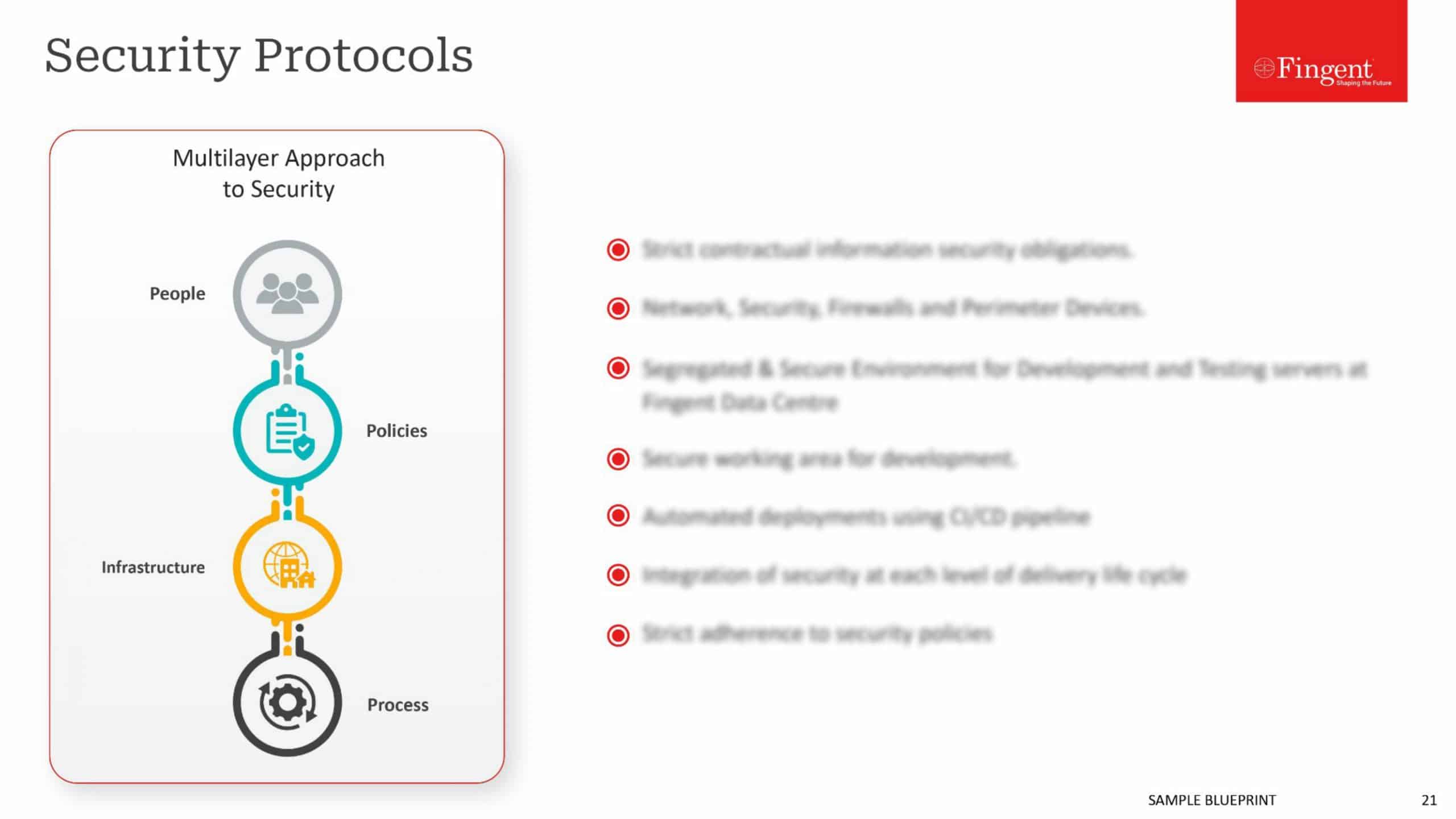
The company immediately needed an independent application security assessment. The goal was to evaluate its digital environment and provide credible evidence of its security posture to existing and prospective brand partners. Fingent followed a three-layered application security assessment approach to evaluate the code, the platform it runs on, and strengthen the system's ability to detect and withstand potential attacks.
Fingent’s assessment approach helped the client gain a broader view of security risks across the entire digital environment. The assessment covered application security, Azure setup, firewall controls, and payment security requirements. It combined automated scans with manual testing to identify, validate, and address vulnerabilities. The assessment findings and remediation suggestions were consolidated into a written report. This gave business leaders a clear view of the security posture, the actions taken, and the areas requiring attention.
CHALLENGES
Roadblocks Faced In The Existing Systems

Exposure to emerging AI-assisted cyber threats

Risks to sensitive customer and wholesale partner data

Vulnerabilities in payment systems, order processing, and business continuity

Need for immediate independent security validation

Meet brand partners' growing app security requirements
SOLUTION
Fingent’s Approach - Application Code & Security Assessment
The assessment involved a detailed review of the application's source code. Automated tools scanned for insecure coding patterns, exposed passwords and keys, and vulnerabilities in third-party libraries. To improve assessment accuracy, Fingent's security specialists manually reviewed the application and tested potential attack scenarios. Each finding was examined to confirm its validity and assess its impact. The team mapped the findings to the OWASP Top 10, giving the client a clear view of how the risks aligned with widely recognized web application security threats.
Fingent also reviewed the Azure environment. The team examined access controls, resource configurations, and potential exposure points. The assessment also covered firewall rules, network-level security, and payment-related controls. Fingent focused on validating findings and strengthening the application against potential attacks. Issues were addressed at the application level to reduce reliance on firewall-based protection alone.
Three-layered security assessment approach
Automated scans combined with manual testing for a stronger validation process
Risks mapped to the Open Worldwide Application Security Project (OWASP) Top 10
Want to explore our client's full story?
EVALUATION JOURNEY
Ensuring Reliable Security Assessment
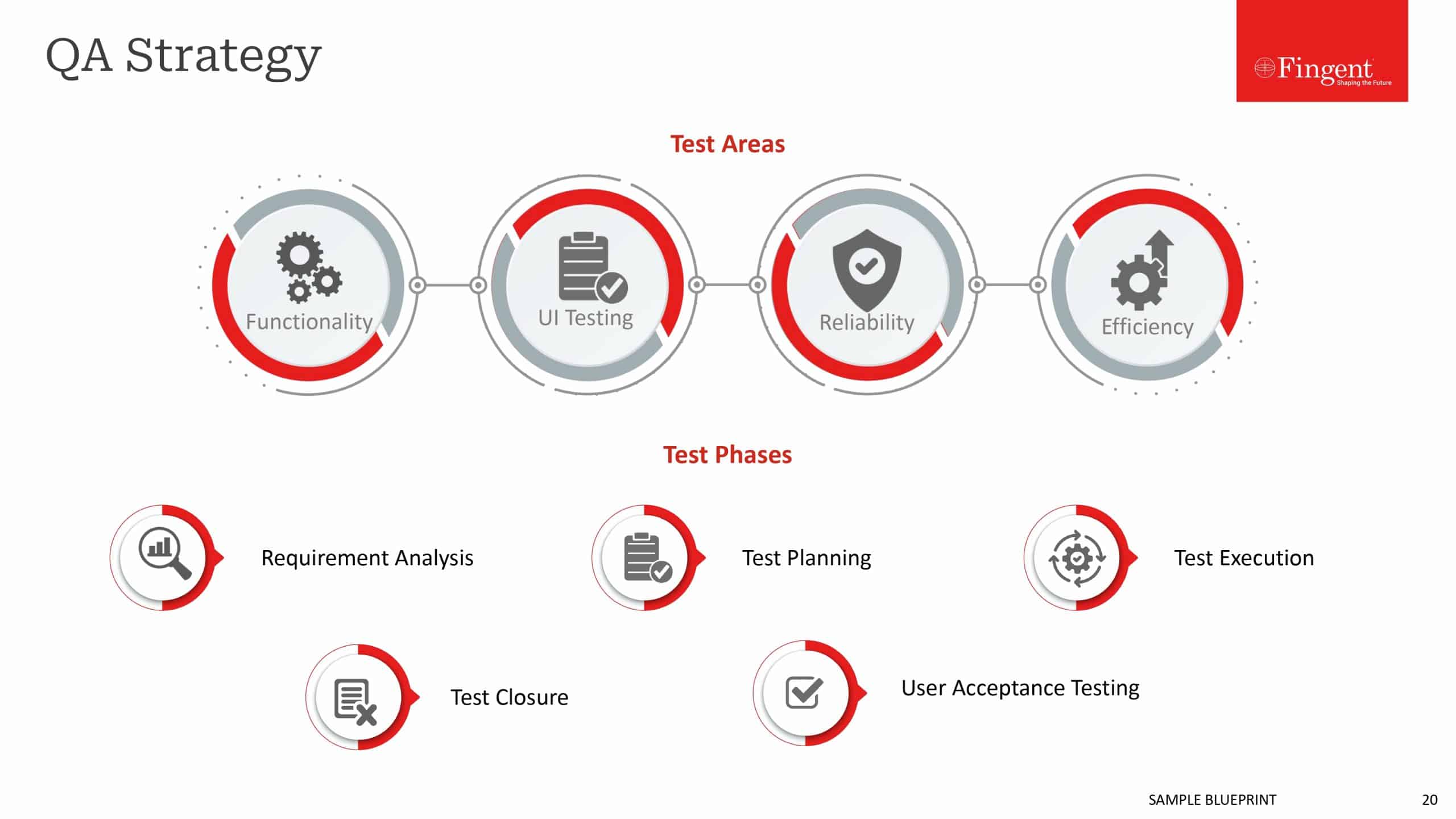
Fingent follows a structured assessment process that covers scoping, discovery, testing, finding validation, and reporting. To strengthen the validation process, dedicated security specialists assessed the applications for seven full days. Most tests were performed using a copy of the production code and environment. This allowed the team to examine potential vulnerabilities without disrupting the client’s daily operations or business continuity.
The assessment identified two critical-severity issues. Some files could be accessed without signing in. The portals were also vulnerable to brute-force attacks with weak security policies and the absence of limits on repeated sign-in and passcode attempts. Fingent prioritized the critical findings and addressed them first. The first set of fixes reached production within two weeks of the project. Within four weeks, retesting confirmed that all identified issues were addressed, including the logging and monitoring improvements.
Each issue identified was backed up with supporting evidence, business impact, and a recommended fix.
Every remediation was tested before deployment and confirmed through retesting.
Fingent managed the assessment, remediation, and validation through one dedicated team.
Protect your apps from AI-assisted threats. Book an assessment today!
BENEFITS
Making An Impact On Client Success
The independent security assessment helped the retailer meet their brand partners' security expectations. With credible evidence of its security posture, the company could boost partner confidence and even sign new brand partnerships. The fixes mitigated system vulnerability to most known attacks and minimized single points of failure based on assessed risks.
Logging and monitoring capabilities were strengthened with event logs and alerts. The team can now identify unusual activities and review security events through a centralized system. The engagement also helped establish a stronger foundation for long-term security management. Security checks are now part of the release process, with regular reassessments planned.
Credible evidence to app security
End-to-end security coverage
Stronger security monitoring
Improved visibility into unusual activities