Key Considerations Before Transitioning to Agentic AI
Switching from manual workflows to Agentic AI for Order Processing isn’t just commissioning new tech. It needs careful planning. Businesses that train their people and streamline their processes are more likely to succeed. They can implement changes faster and enjoy lasting success. Here are a few factors to evaluate before making the transition.
1. Assess Process Readiness
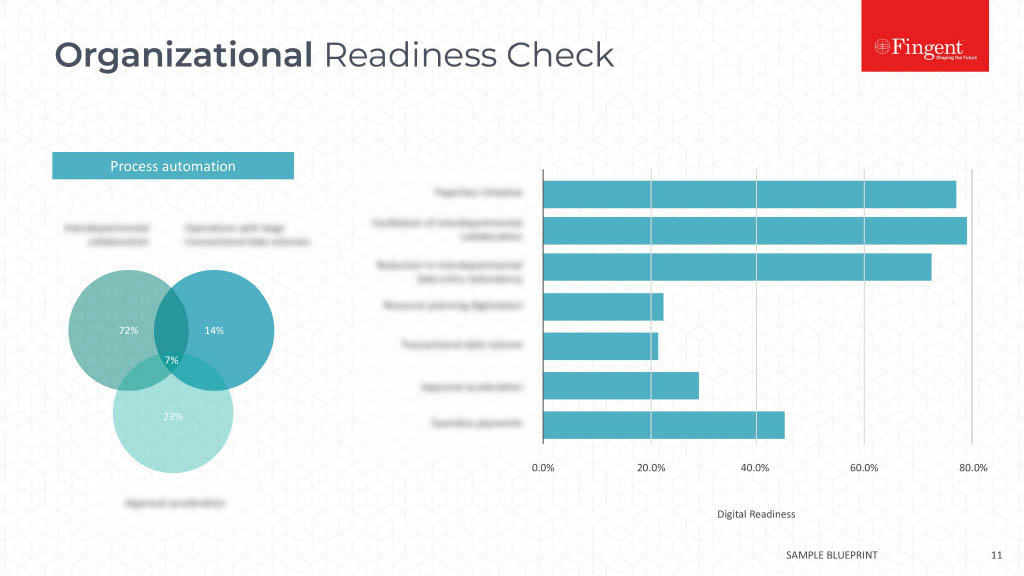
Before introducing AI, review your existing order processing workflow. Find tasks that repeat often, take up a lot of time, or commonly cause mistakes. These often include manual order entry, inventory validation, document verification, and customer communication.
Mapping your current processes helps find bottlenecks and exceptions. This way, AI agents can be ready to handle them.
2. Ensure High-Quality Data
AI works best when it is given accurate and well-formatted data. Partial customer records, conflicting product information, and duplicate records reduce efficiency.
Invest time in cleaning and standardizing your data before implementation. This enables AI agents to confidently make decisions with little human involvement.
3. Plan System Integrations
Order processing rarely happens in a single platform. Many organizations use different tools. They rely on ERP, CRM, OMS, accounting software, warehouse management systems, and customer support tools.
Find an AI solution that blends smoothly with current systems. This way, it removes data silos and builds a connected workflow. This allows information to move automatically across departments without repeated manual updates.
4. Prepare Your Teams for Change
Technology adoption involves not only new software but also the people who use it. Employees should understand that Agentic AI cuts out repetitive admin tasks. This lets them focus on more valuable work like customer relationships, strategic planning, and handling exceptions.
Training well and sharing the benefits of AI can lower resistance. This approach also speeds up adoption across teams.
How the Right Technology Partner Can Help You Transition Smoothly
Implementing Agentic AI for Order Processing doesn’t require replacing your existing systems. The right tech partner helps businesses update order processing, as they continue working with the trusted infrastructure already in place.
Fingent offers a suite of AI-powered solutions to further optimize your operations:
- OrderFlow AI Agent automates your order processing, while working with your current business systems.
- AI Document Processing Workflow Automation automatically extracts and processes data from emails, invoices, purchase orders, and PDFs.
- Agent Orchestration coordinates multiple AI agents to execute complex workflows efficiently.
- Warehouse Automation streamlines inventory management, order fulfillment, and warehouse operations.
- Manufacturing Order & Inventory Management optimizes inventory levels and aligns production with customer demand.
Partner with Fingent to cut down manual work, boost efficiency, and scale your order processing as your business expands.
Frequently Asked Questions
Q. What is the difference between manual order processing and Agentic AI?
A. Manual order processing depends on employees to validate, enter, and manage orders. Agentic AI uses smart AI agents. These agents can understand information, make decisions, and carry out workflows on their own. They need little help from humans.
Q. Can Agentic AI integrate with ERP, CRM, and OMS platforms?
A. Yes. Modern Agentic AI solutions work with current enterprise systems. They act as an orchestration layer and can be built over your software. Using API and Connectors, they interact with your systems to automate and improve your workflows. This means you don’t have to change your existing technology.
Q. How does Agentic AI reduce order processing errors?
A. AI automatically extracts, validates, and verifies data, reducing the need for manual data input. Validation rules embedded in the system and intelligent decision-making prevent typical errors like duplicate entries, wrong pricing, and missing customer information.
Q. What industries benefit the most from AI-powered order processing?
A. High-volume transaction industries such as manufacturing, retail, and eCommerce stand to benefit immensely from AI-based order fulfillment. This technology provides shorter processing times and increases operational productivity.
Q. How does Agentic AI improve customer response times?
A. AI agents handle orders right away. They update customers on order status automatically. They also resolve routine questions quickly. This leads to quicker confirmations, faster issue resolution, and an improved customer experience.
6. Is Agentic AI better than traditional workflow automation?
A. Traditional automation follows predefined rules and often stops when exceptions occur. Agentic AI can analyze situations and make decisions based on context. It also processes information intelligently, which helps it adapt to complex business operations.
7. What should businesses prepare before implementing Agentic AI?
A. Businesses should:
- Evaluate their current workflows.
- Improve data quality.
- Identify integration needs.
- Create a change management plan.
This will help ensure a smooth and successful implementation.
Business Modernization is Inevitable Start Your Digital Transformation Journey Today, Before It’s Too Late!
Conclusion
As order volumes rise and customer needs change, manual order processing can actually hinder efficiency and growth. Agentic AI for Order Processing, on the other hand, speeds up processing, reduces errors, improves visibility, and enhances decision-making.
Switching to intelligent order operations goes beyond automation. It builds a more agile, strong, and customer-focused business.
Ready to modernize your order processing? Discover how Fingent’s OrderFlow AI Agent can easily connect with your current systems. It can change the way you manage orders. Contact our experts today to get started.