OCR Invoice Automation and Calculation

Challenges:
Manual ticket verification increased invoicing time. Detention tickets accounted for 20% of total daily orders.

Industry
Logistics
Solutions:
OCR Invoice Automation - AI-powered Ticket Time Extraction System

Results:
Increased autoinvoicing from 40% to 70% reduced manual interventions and processing delays, accelerating invoice completion and payment timelines.

Location:
US
About the Client
The client is a mid-sized transportation logistics company with an annual revenue of $20 million and an average of 10,000 orders per month. Operating across the mainland USA, the company partners with major oil refineries and other logistics providers to deliver comprehensive services to customers nationwide.
The company operated in a fast-paced logistics environment but continued to rely on physical paper tickets as proof of delivery and supporting documentation for invoicing. These tickets included handwritten timings, which were essential for calculating detention time at pickup and drop-off locations. Detention tickets accounted for 20% of total daily orders. The accounting team was required to manually verify these handwritten timings and apply the rate sheet to charge customers accordingly. This manual process created significant operational challenges. It required substantial labor. Extended billing cycles and delayed payments limited the team’s ability to process invoices efficiently.
Case Overview
The manual verification process consumed over 600 hours annually and delayed the issuance of detention invoices, impacting cash flow. During peak seasons, the growing volume of detention tickets further increased verification time. This extended invoicing cycles and added to manual labor requirements.
The company recognized that their customers would prefer to continue using physical tickets. Fingent thus proposed OCR Invoice Automation with AI-powered Ticket Time Extraction System that used Azure’s custom Document Intelligence model for handwriting recognition. This solution enabled the company to automate timing capture without changing processes for drivers or customers. The implementation reduced human errors, accelerated invoicing, and improved operational efficiency. Initial concerns about handwriting recognition accuracy were addressed by retraining the model with over 100 tickets, achieving an accuracy rate exceeding 95% for each ticket.
CHALLENGES
Roadblocks Faced In The Existing Systems

Excessive manual labor and cost.

Slow process. Extended billing cycles.

Frequent errors and inefficiencies.

Delayed invoicing and payments.

Delayed tickets accounted for 20% of total daily orders.
SOLUTION
Fingent’s Approach - A Custom AI-Powered Ticketing System
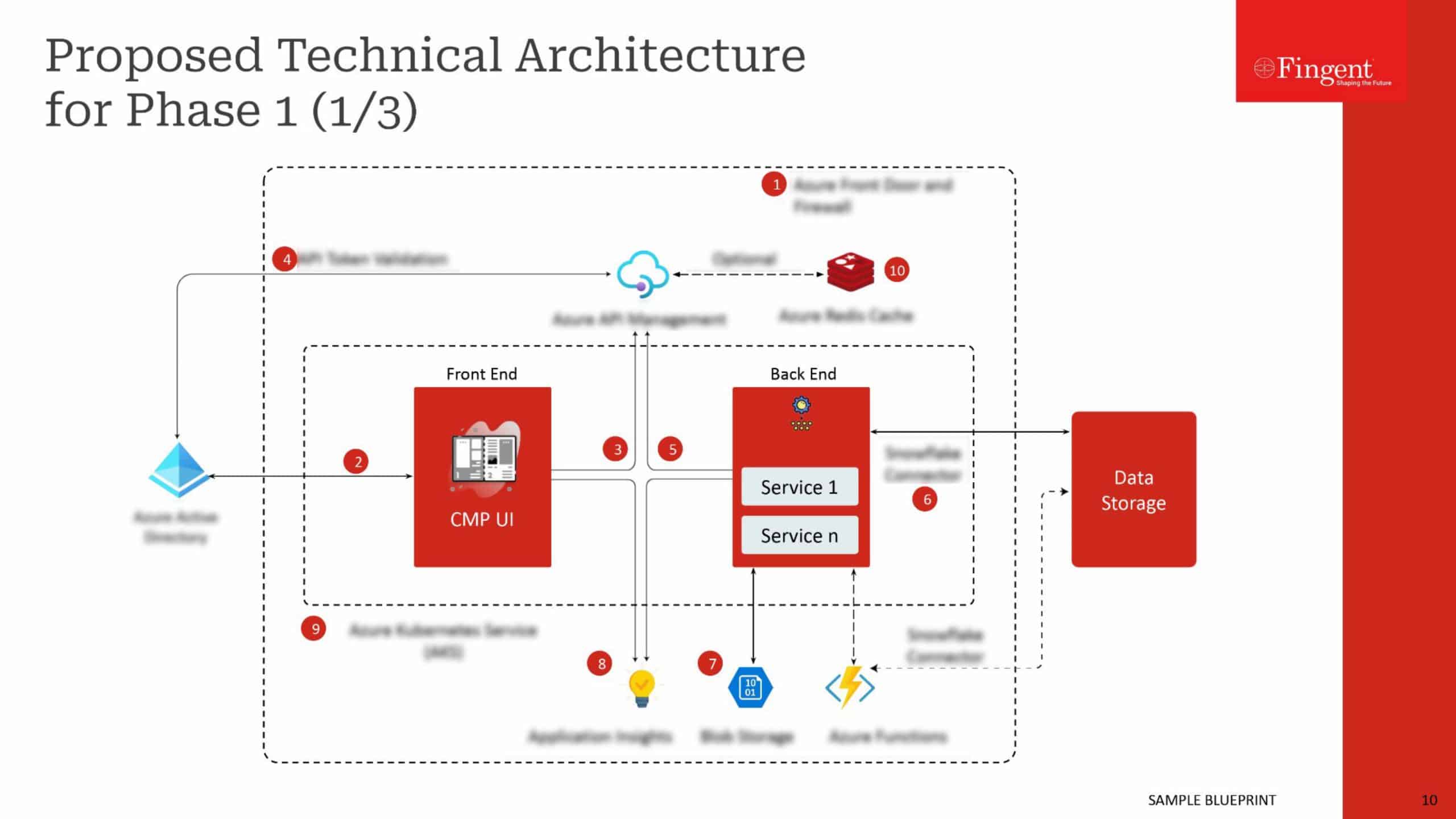
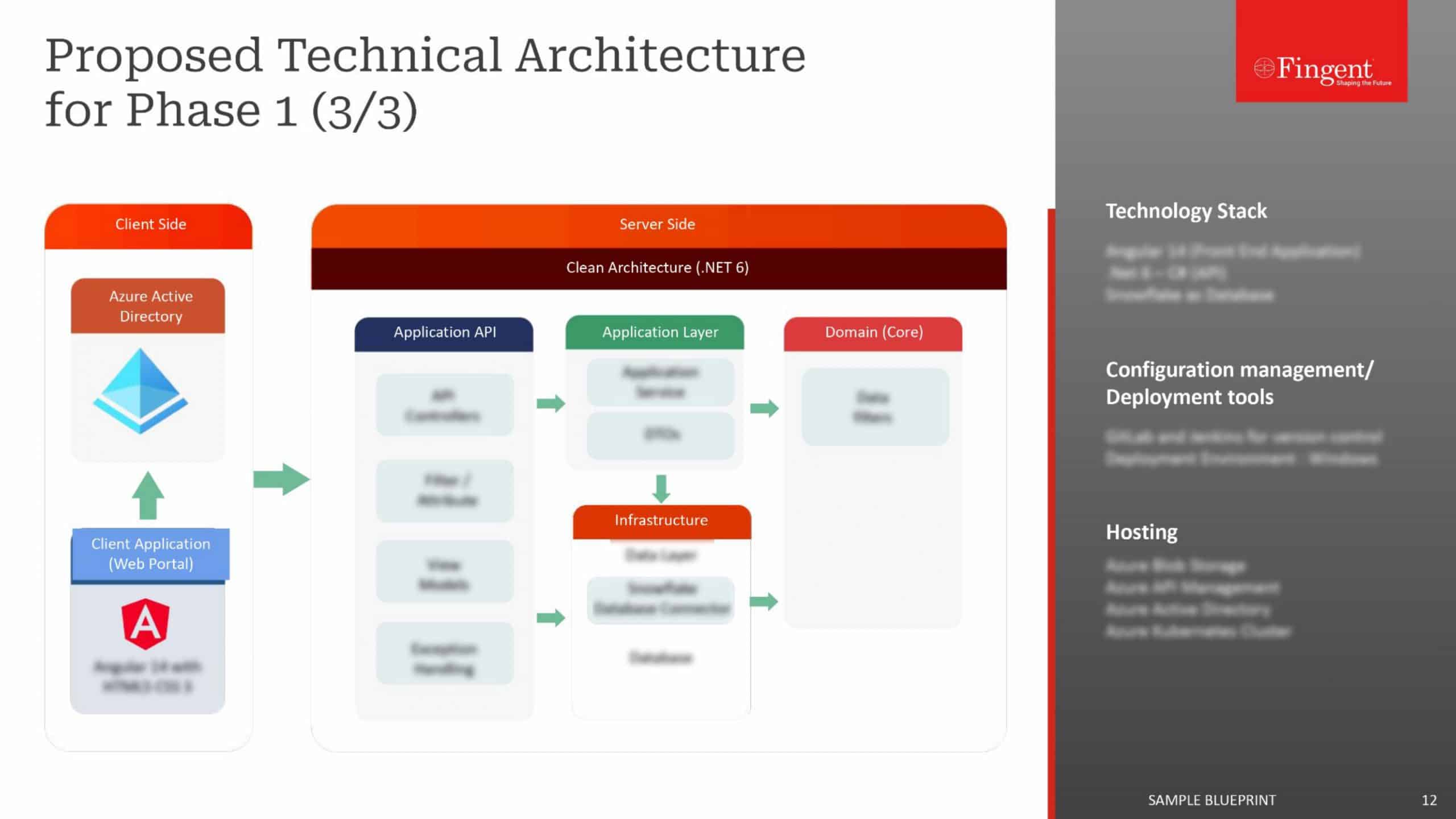
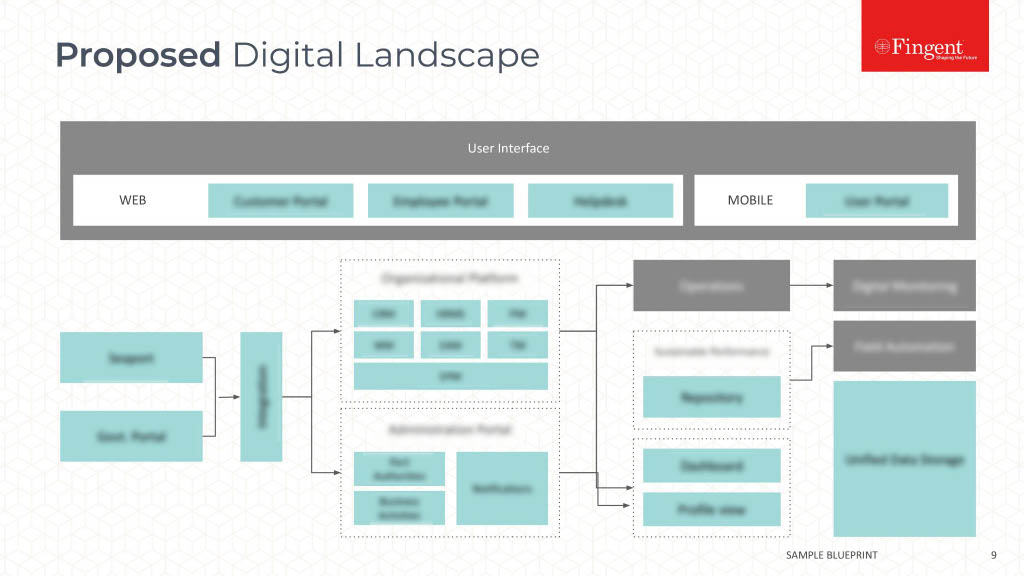
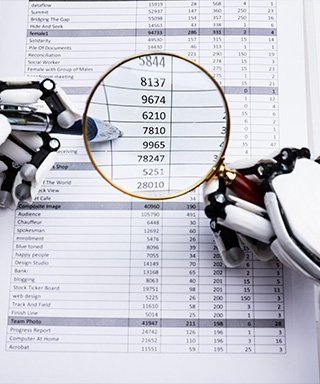
The AI-powered Ticket Time Extraction System for OCR Invoice Automation was developed using Microsoft Azure Document Intelligence. The solution automates the entire process—from document upload to data validation—ensuring accurate, consistent, and real-time extraction of key ticket details. Uploaded ticket images and documents are first classified through a Custom Document Classification Model, confirming standard formats before extraction.
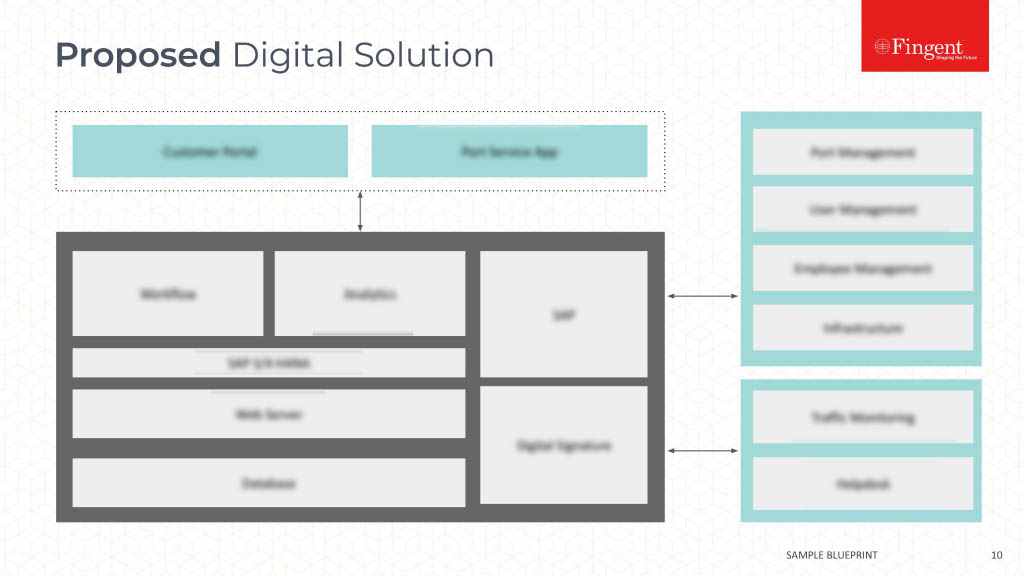
Once validated, the system employs a Custom Data Extraction Model that leverages OCR and layout-based recognition to identify ticket timings, dates, and other essential fields from both structured and semi-structured documents. The extracted data is automatically transmitted back to the customer’s portal through secure API integration, where it is verified and matched against order details for accuracy and consistency.
Automated document classification and extraction using Azure Document Intelligence.
Intelligent calculation module ensures precision by automatically matching extracted timings with order details.
End-to-end integration with the customer portal for real-time validation and data synchronization.
Explore how our experts can turn your innovative ideas into reality
IMPLEMENTATION JOURNEY
Ensuring a Successful and Smooth AI Transition
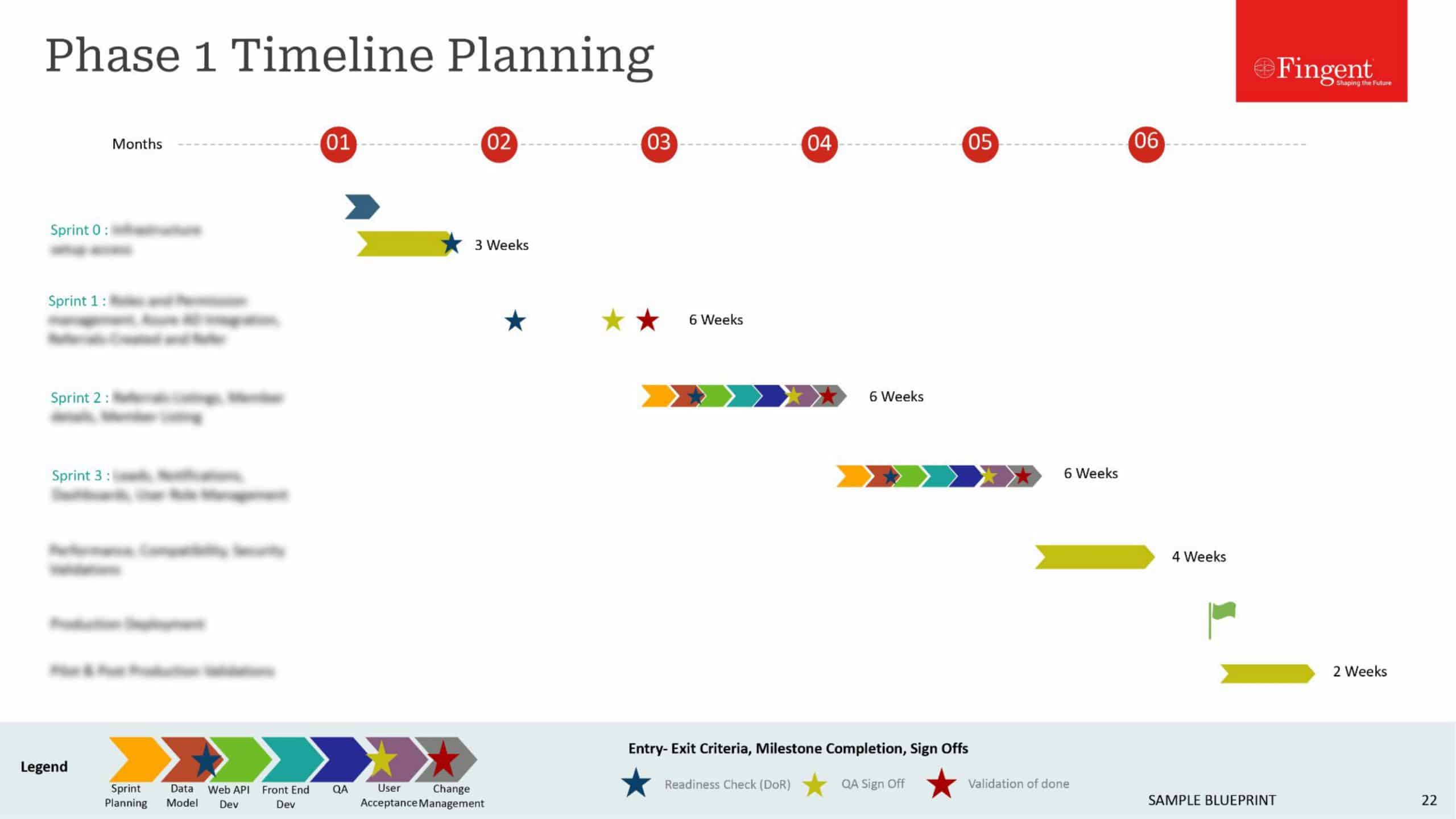
The OCR Invoice Automation was implemented through four phases. It began with a detailed feasibility and design phase, where the existing automation process was analyzed to identify inefficiencies within the 59% automation baseline. Multiple OCR and vision models—including Azure Document Intelligence and Google OCR—were evaluated for accuracy and reliability. Based on this assessment, AI-driven calculation workflows were designed and aligned with order validation rules.
During the development and integration phase, the team built a robust document upload pipeline using Azure APIs and developed a document identification model for standardized invoice recognition. OCR, validation logic, and calculation modules were integrated with the client’s existing systems, followed by the implementation of exception handling workflows and an intuitive user interface for accounting staff review. Subsequent pilot and rollout phases focused on model fine-tuning, feedback-driven optimization, and full-scale deployment across all invoice types.
Launched a pilot with a subset of invoices in the preproduction environment.
Fine-tuned extraction models for handwritten and scanned tickets.
Optimized calculation logic for detention time validation.
Expanded automation across all invoice types. Incorporated user feedback loops for correction and learning.
Have a similar challenge or an idea to discuss?
BENEFITS
Making An Impact On Client Success
The OCR Invoice Automation with an AI-powered ticket time extraction system delivered measurable improvements across efficiency, accuracy, and operational performance. By automating core processes and reducing manual dependency, the system enhanced data reliability. In addition, it accelerated invoicing and empowered teams with actionable insights for continuous optimization.
Automation Efficiency: Increased autoinvoicing from 40% to 70%, reducing manual interventions.
Accuracy Gains: Significant reduction in errors through advanced OCR and calculation validation
Faster Invoicing Cycles: Reduced processing delays, accelerating invoice completion and payment timelines.
Data-Driven Insights: Reports provided visibility into error patterns, enabling continuous process improvement.