Redefining Customer Support With a Custom AI Ticketing System

Challenges:
Manual email triage and ticket routing led to a time-consuming, inconsistent, and error-prone process, often leading to misclassified or delayed tickets.

Industry
Electronics
Solutions:
A Custom AI-Powered Ticketing System

Results:
80% reduction in manual handling time, a 40% boost in agent productivity, and significantly faster issue resolution with automated email parsing, ticket creation, and intelligent routing.

Location:
Japan
About the Client
The client is a global technology and electronics corporation headquartered in Japan, employing over 110,000 people across 40+ countries. The company delivers solutions in IT infrastructure, communications systems, and enterprise services for both commercial and government customers. Its global support organization handles tens of thousands of service requests monthly, spanning enterprise servers, network devices, and digital transformation solutions.
The client’s customer support teams managed inquiries through multiple shared inboxes, relying on manual review and entry into a legacy helpdesk platform. This process was time-consuming, inconsistent, and error-prone, often leading to misclassified or delayed tickets. Support managers had limited visibility into workloads and response times, creating uneven agent utilization and frequent SLA breaches.
Case Overview
Skilled agents were spending significant time on administrative triage instead of problem resolution. The result was slower responses, higher operational costs, and declining customer satisfaction across key business lines — prompting leadership to explore automation as a path to improved efficiency and service quality. When evaluating solutions, the client’s leadership considered two primary options: expanding their support workforce or adopting a commercial ticketing tool. Both were quickly ruled out.
Adding staff would increase costs, and off-the-shelf ticketing software lacked the required intelligence. Stakeholders from Customer Support and IT identified that the real bottleneck lay in the manual interpretation and routing of incoming emails. Fingent proposed a Custom AI Ticketing System capable of understanding message intent, categorizing issues, and routing them instantly.
CHALLENGES
Roadblocks Faced In The Existing Systems

Manual email triage and ticket routing.

Time-consuming and error-prone processes.

Excessive manual efforts. Reduced productivity.

Misclassified and delayed tickets.

Reduced customer satisfaction.

SOLUTION
Fingent’s Approach - A Custom AI-Powered Ticketing System
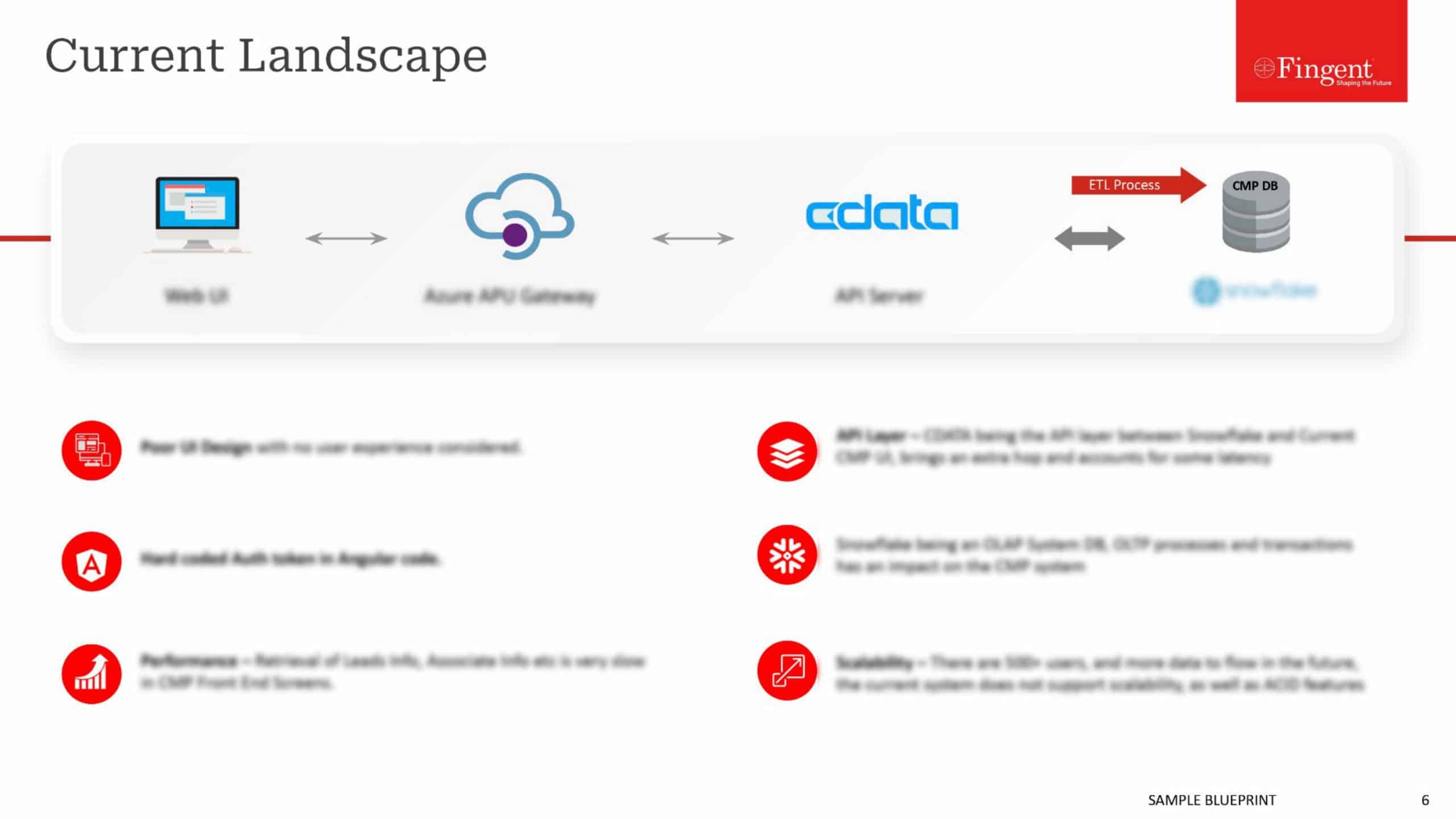
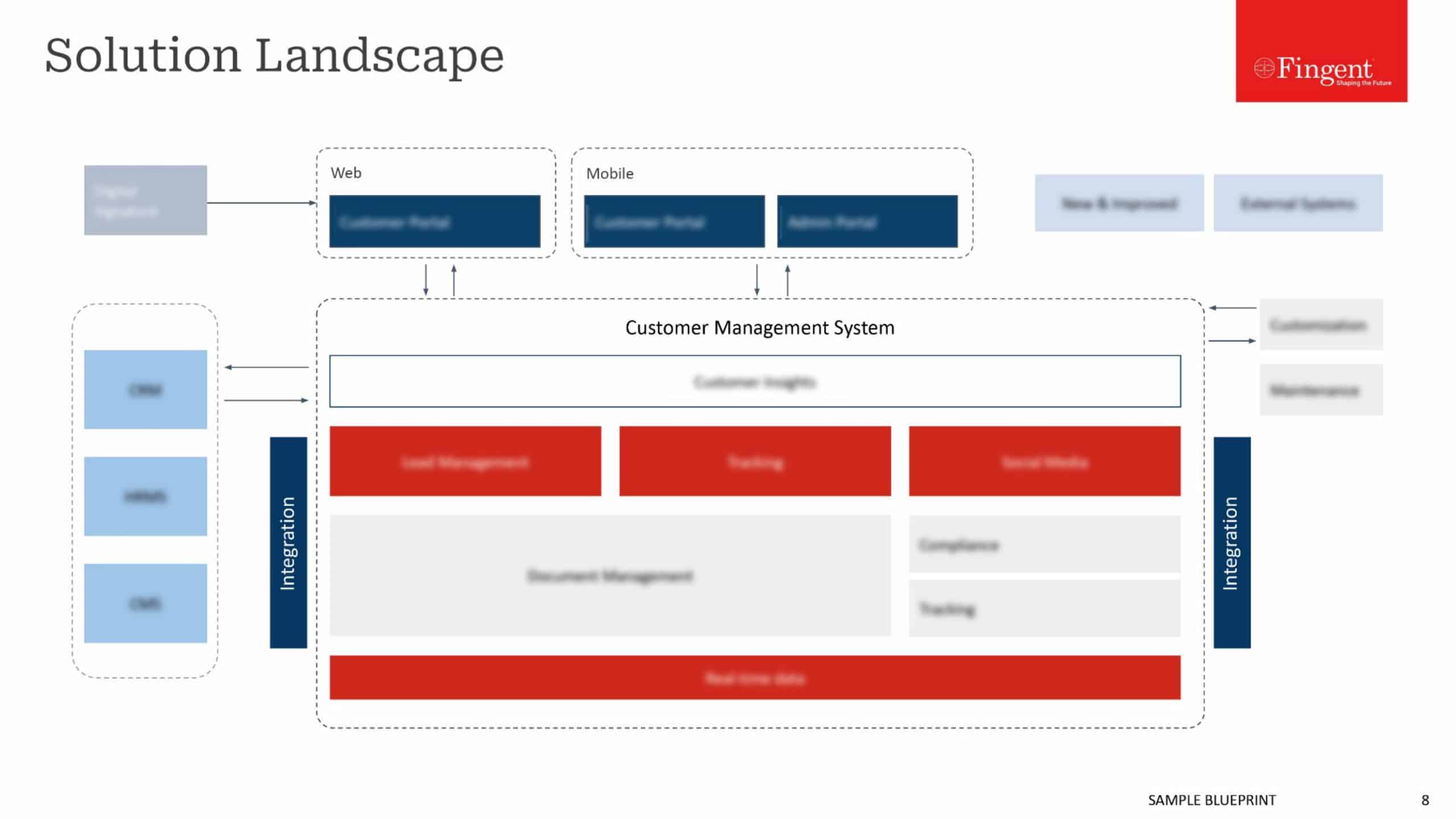
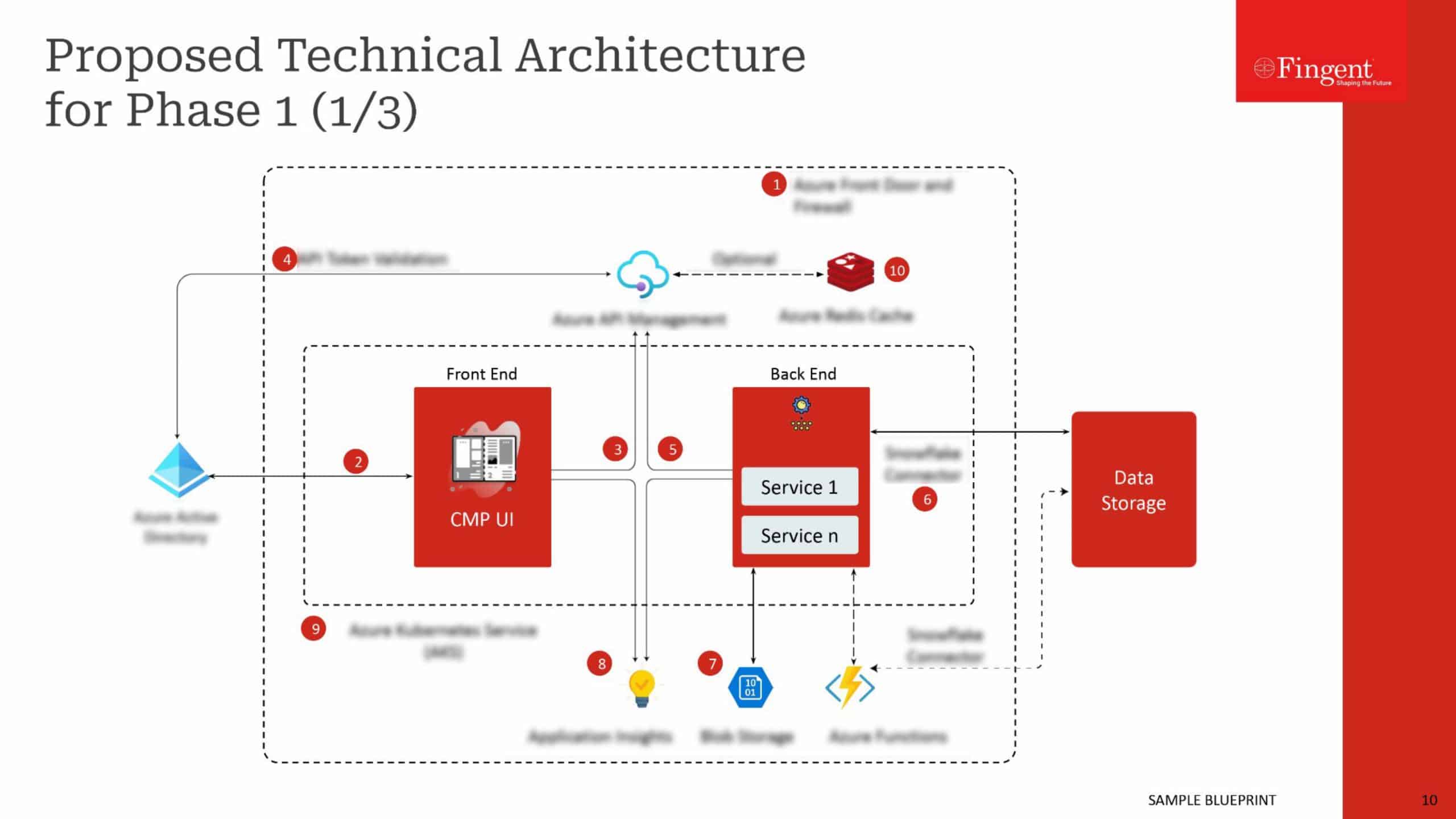
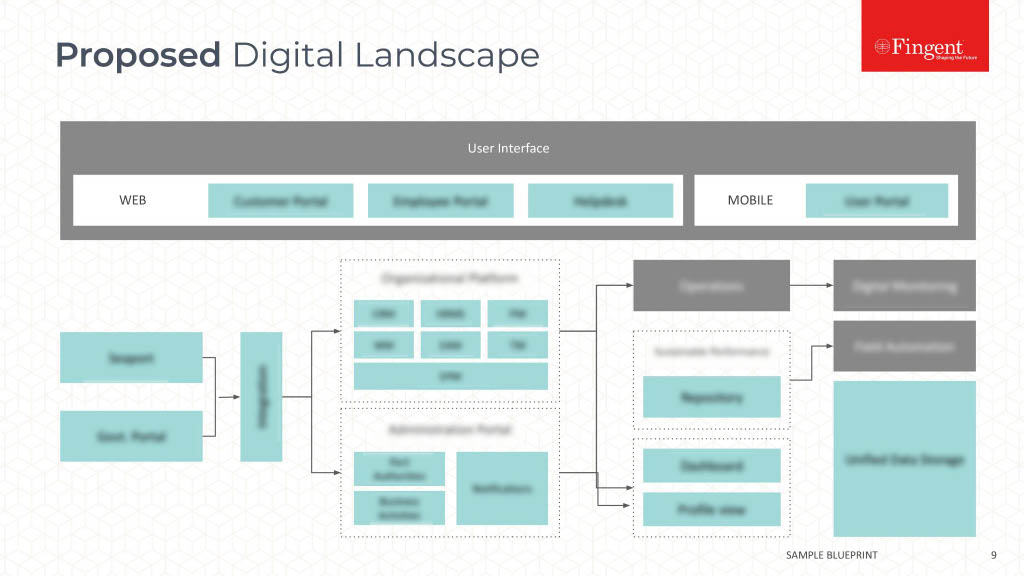
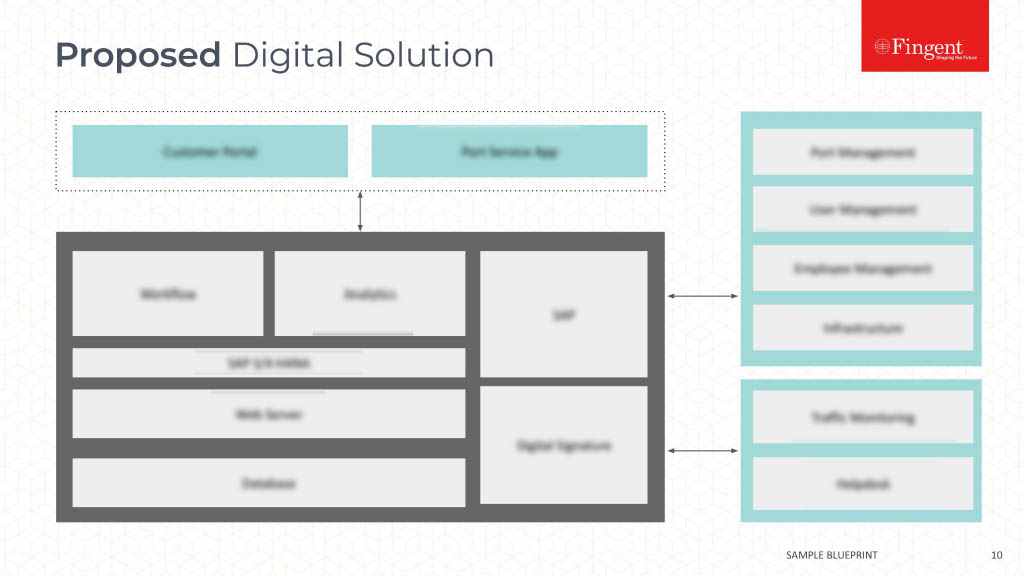
The custom AI Ticketing System built on Microsoft .NET, PowerApps, and Azure AI Services is tightly integrated with the client’s in-house platform. The solution automates the entire lifecycle of incoming customer inquiries — from email receipt to ticket creation and intelligent routing — eliminating manual handling while ensuring precision, visibility, and compliance across the support organization. The AI Ticketing System is orchestrated through an agentic architecture. Distinct agents handle specific reasoning tasks.
The AI layer functions as a distributed agentic system operating within the client’s Azure environment.
Running on a serverless architecture using Azure Functions and Event Grid, the system scales automatically to process high email volumes in near real time.
All agent interactions are captured within a central observability stack powered by Azure Monitor and Application Insights, providing end-to-end transparency, compliance, and explainability.
Explore how our experts can turn your innovative ideas into reality
IMPLEMENTATION JOURNEY
Ensuring a Successful and Smooth AI Transition
The project was executed in a phased approach to ensure accuracy and user adoption. It began with a four-week pilot program focused on a single department with a high volume of structured inquiries. During this phase, we measured the AI's performance on categorization accuracy and the time saved per ticket. The pilot was an immediate success, demonstrating high accuracy in ticket categorization and proving the system's ability to handle high email volumes.
This early win built significant momentum and confidence among stakeholders. Following the pilot, the system was rolled out to subsequent departments over two months. Fingent conducted comprehensive training sessions for administrators and support agents, familiarizing them with the new automated workflows and the powerful reporting features of the Admin and Agent dashboards. One key challenge was ensuring the AI agents understood domain-specific product terms and acronyms that frequently appeared in support emails. Another challenge was latency during peak load.
Instead of model retraining, Fingent introduced a lightweight terminology-mapping module powered by a curated reference database.
This improved interpretation accuracy without modifying the base LLMs.
Event-driven batching and asynchronous queue management were implemented to resolve latency during peak load.
Have a similar challenge or an idea to discuss?
BENEFITS
Making An Impact On Client Success
The AI Ticketing System architecture employs a modular, service-oriented design, integrated via secure REST APIs with internal tools, identity management systems (AD), and reporting interfaces. Built within the client’s private Azure infrastructure, the solution adheres to enterprise-grade governance, security, and data retention standards, ensuring robust performance, auditability, and operational resilience. Although the system has recently been deployed, the anticipated impact based on pilot results and performance projections is transformative. The company anticipates a dramatic reduction in manual labor and a surge in productivity.
Efficiency Improvement: Time spent on manual ticket creation, categorization, and routing will be reduced by up to 80%.
Faster Resolution Times: Time-to-resolution is expected to decrease significantly, directly boosting customer satisfaction.
Increased Productivity: Expected to increase overall agent productivity and capacity by an estimated 40%.
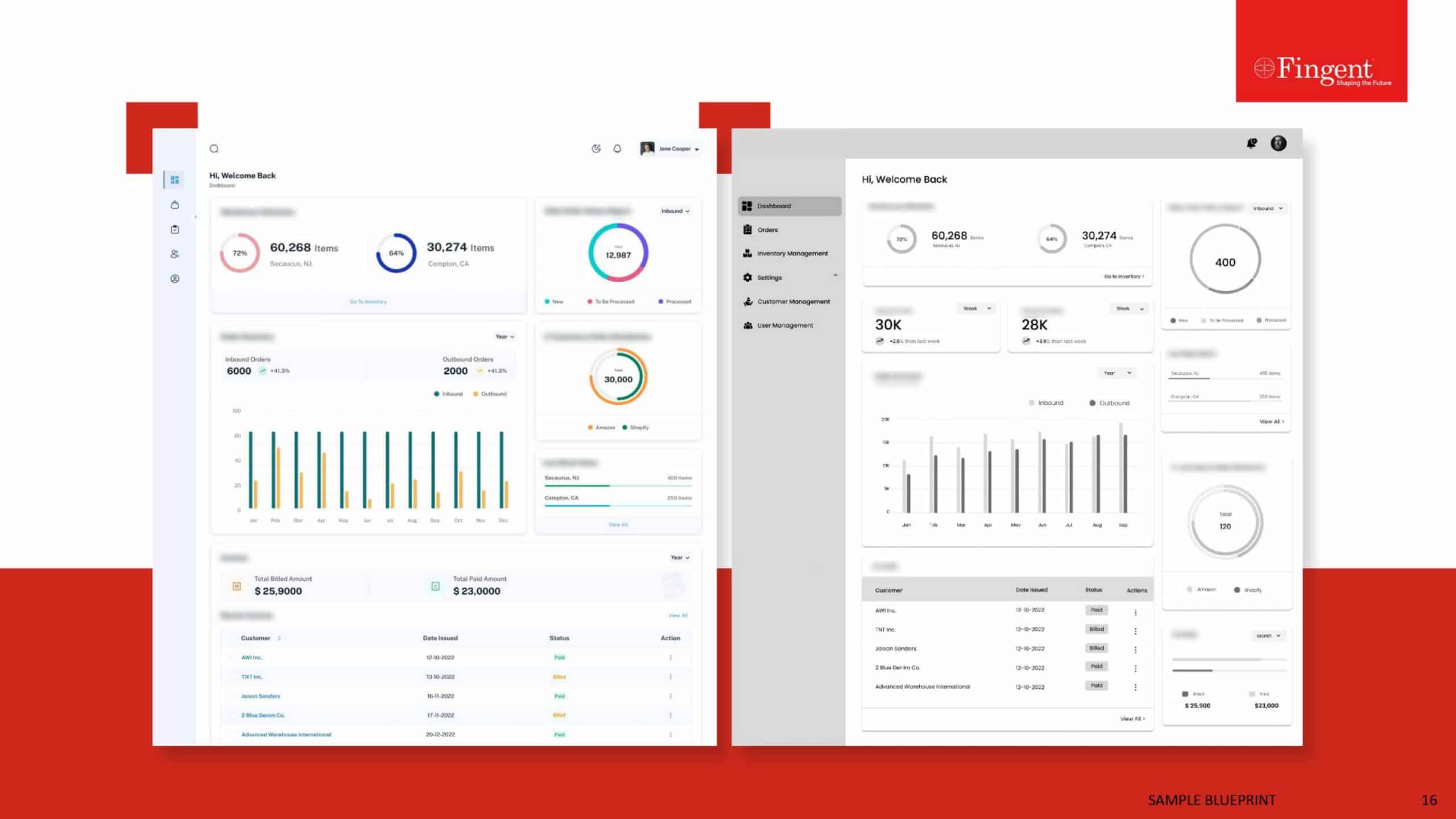
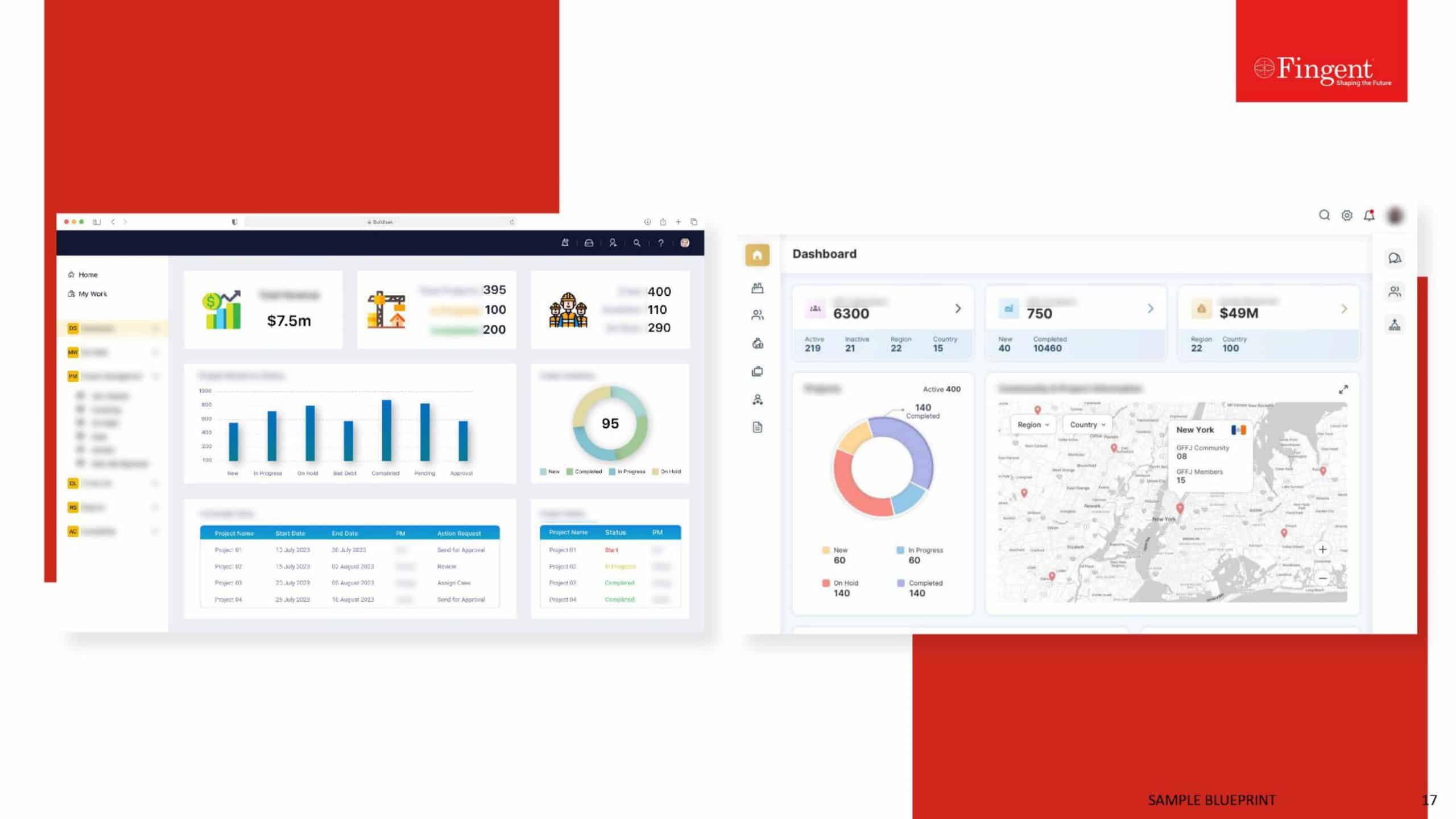
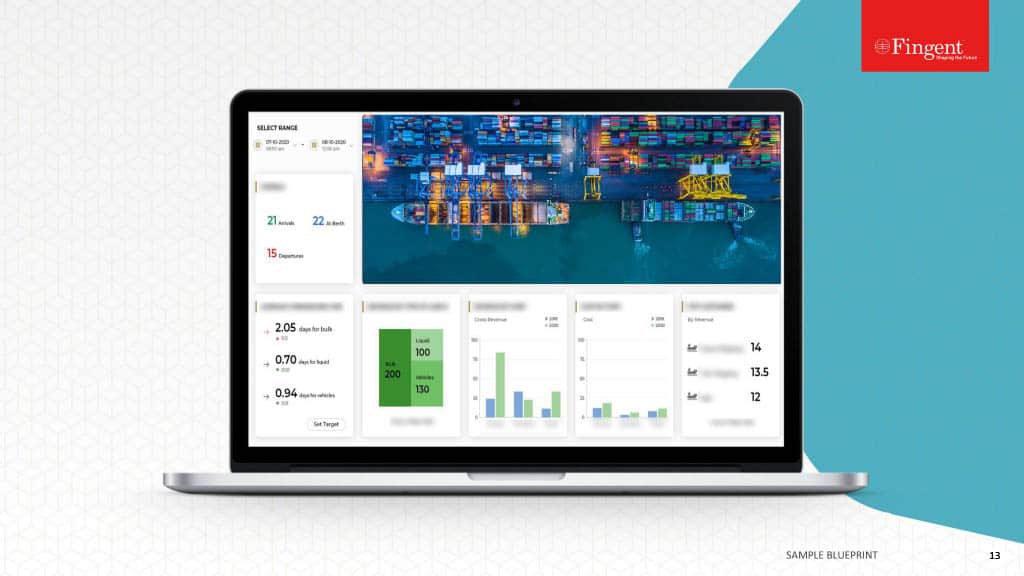
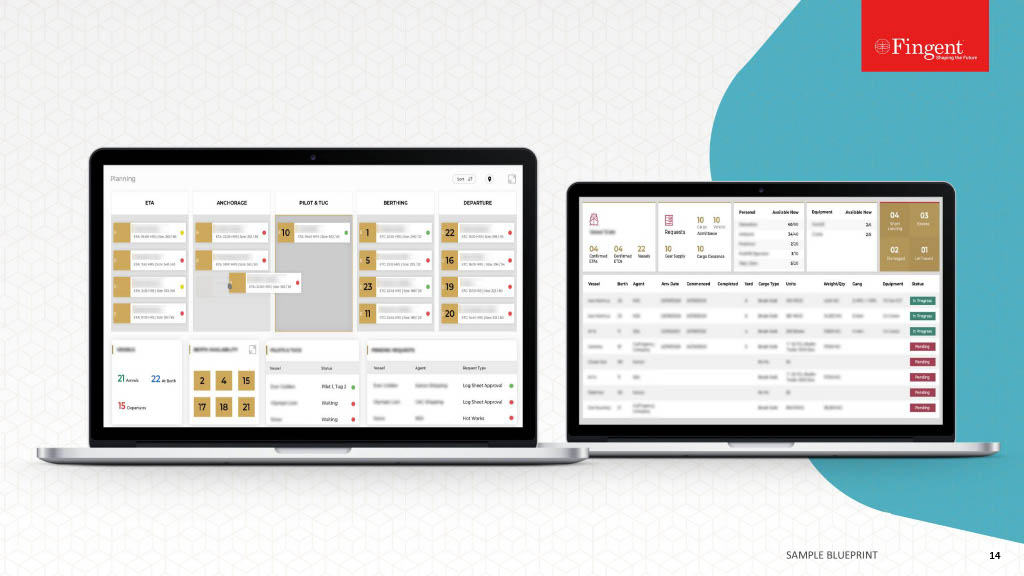
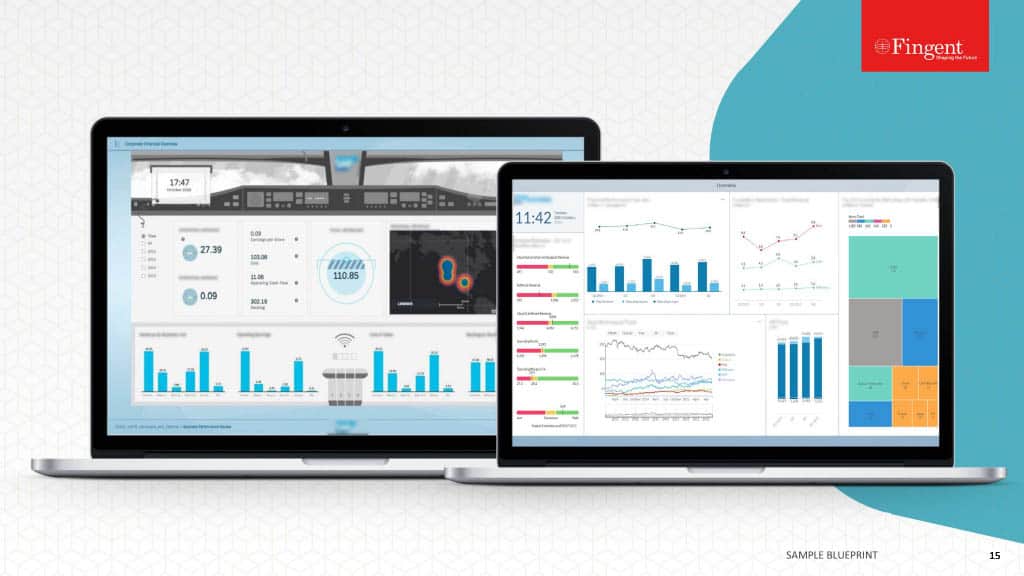
Enhanced Transparency: The new Admin Dashboard provides managers with real-time visibility into ticket volumes, agent activity, and more.