Unlocking Marketing Intelligence with a Conversational AI Agent

Challenges:

The marketing team lacked access to actionable intelligence from 9,400 daily call center interactions. This limited their understanding of their customer behavior and changing trends.

Industry

Media/Nonprofit

Solutions:

Custom Conversational AI Agent to unlock marketing intelligence

Results:

Accelerated campaign development by 3 weeks. Faster intelligence gathering process. Enhanced clarity on customer needs and behavior. Data-driven and targeted marketing campaigns. Improved user engagement and brand trust.

Location:

US

About the Client

The client is a diversified media organization with an annual revenue of approximately $700 million and a workforce of over 1,500 employees. The company operates across multiple verticals, including content production, broadcasting, digital media distribution, and publishing, serving millions of customers worldwide. The company focuses on evolving with emerging technologies to stay competitive in a rapidly changing media landscape.

The company handles approximately 9,400 call center interactions daily. It's equivalent to 3.4 million annual conversations' worth of untapped user feedback. However, the marketing team had no scalable method to analyze these conversations. This left them unable to identify trends, measure sentiment, or understand the specific needs and motivations of their users, despite having an excellent data source at hand.

Case Overview

The lack of insight was a significant opportunity cost. Marketing campaigns were designed with incomplete information, limiting their effectiveness and ROI. Product development was reactive, relying on delayed or indirect feedback rather than real-time data. Crucially, the organization was missing the ability to proactively understand its users, which is essential for building loyalty and driving engagement in a competitive media landscape.

The leadership evaluated expanding customer surveys and manual call analysis teams. But surveys yielded low response rates, while manual analysis was unscalable and too expensive. Fingent recognized that an AI Agent-based solution can analyze 100% of call data in real-time while leveraging existing infrastructure from a parallel call center agent evaluation project. The initial concerns about AI accuracy and implementation complexity were addressed through a phased PoC and MVP approach, which demonstrated quick wins during the design phase.

CHALLENGES

Roadblocks Faced In The Existing Systems

Inability to convert 3.4 million annual customer interactions into insightful data

Manual and weeks-long intelligence gathering process

Inability to proactively understand customer needs and behavior

Lack of data-driven campaign development

Inability to build brand loyalty and drive customer engagement


SOLUTION

Fingent’s Approach - Custom Conversational AI Agent

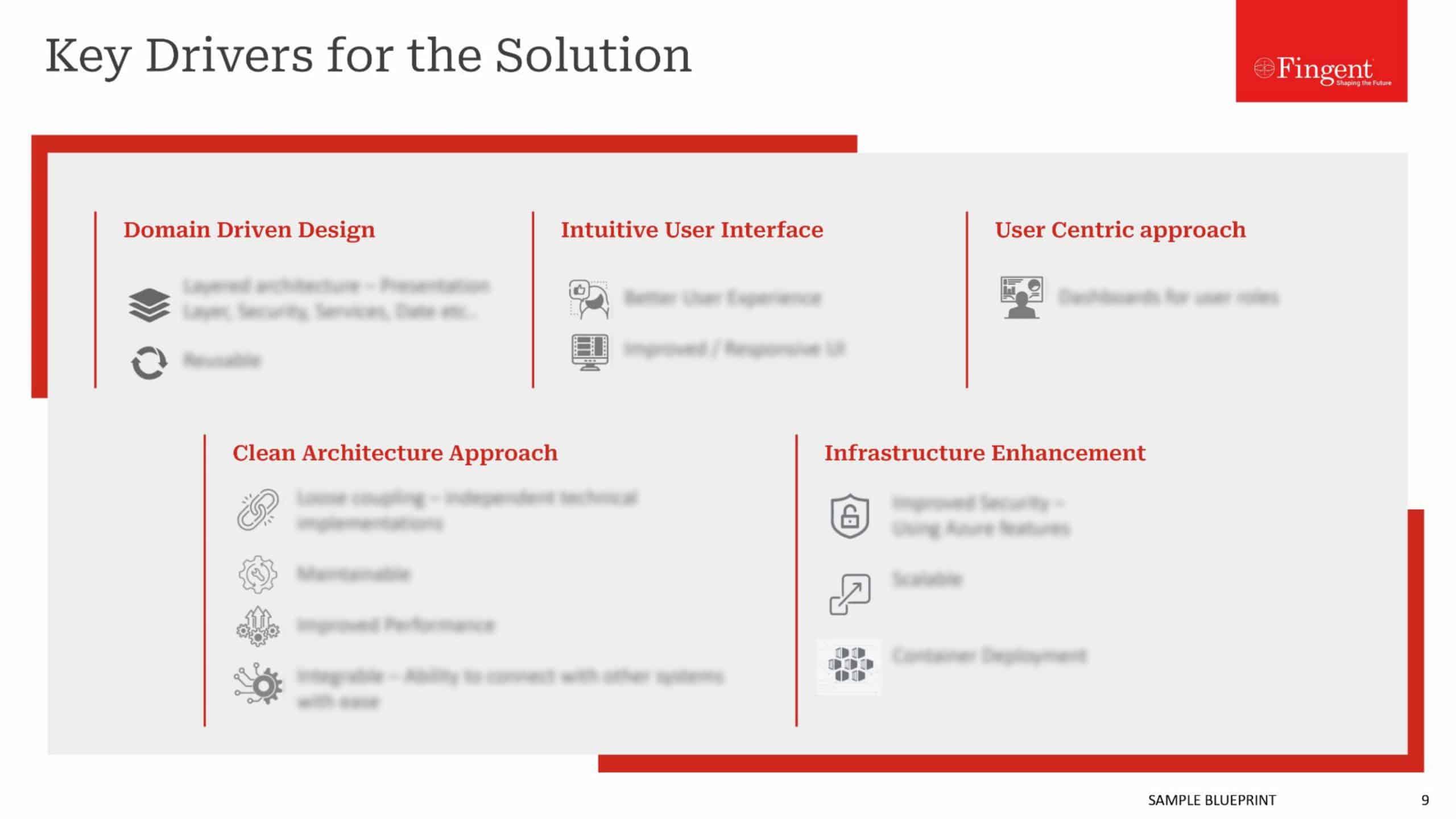
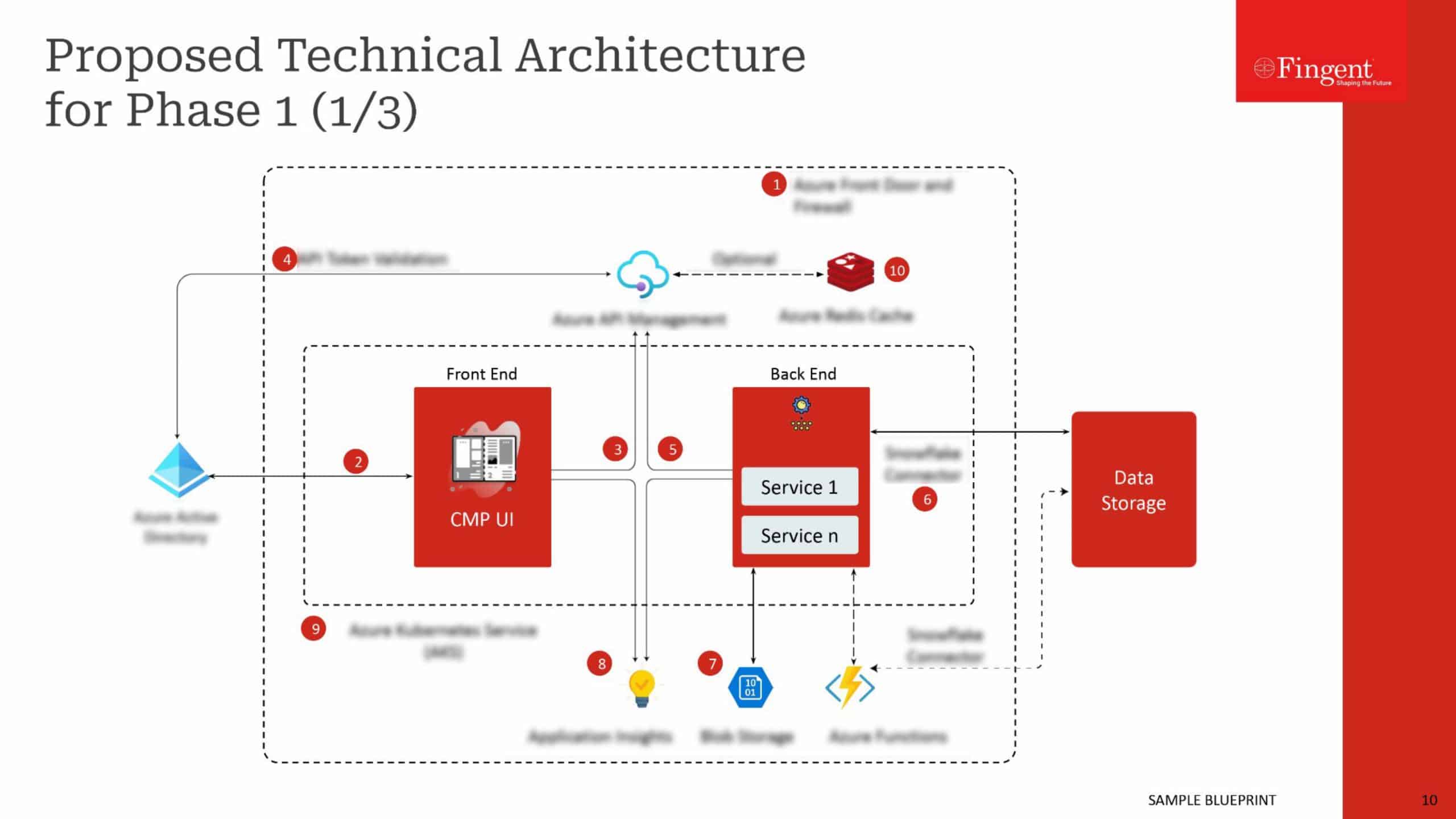
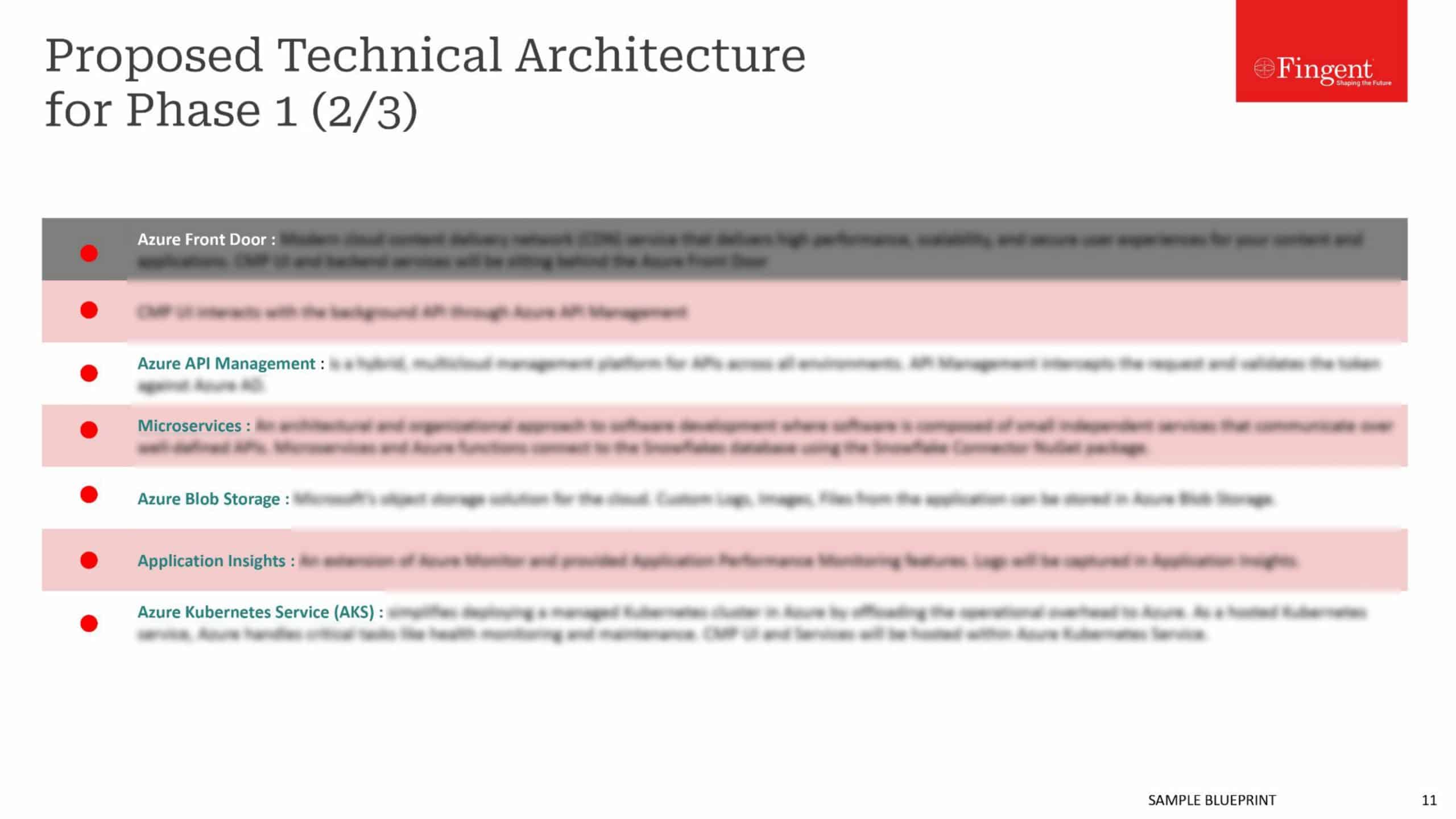
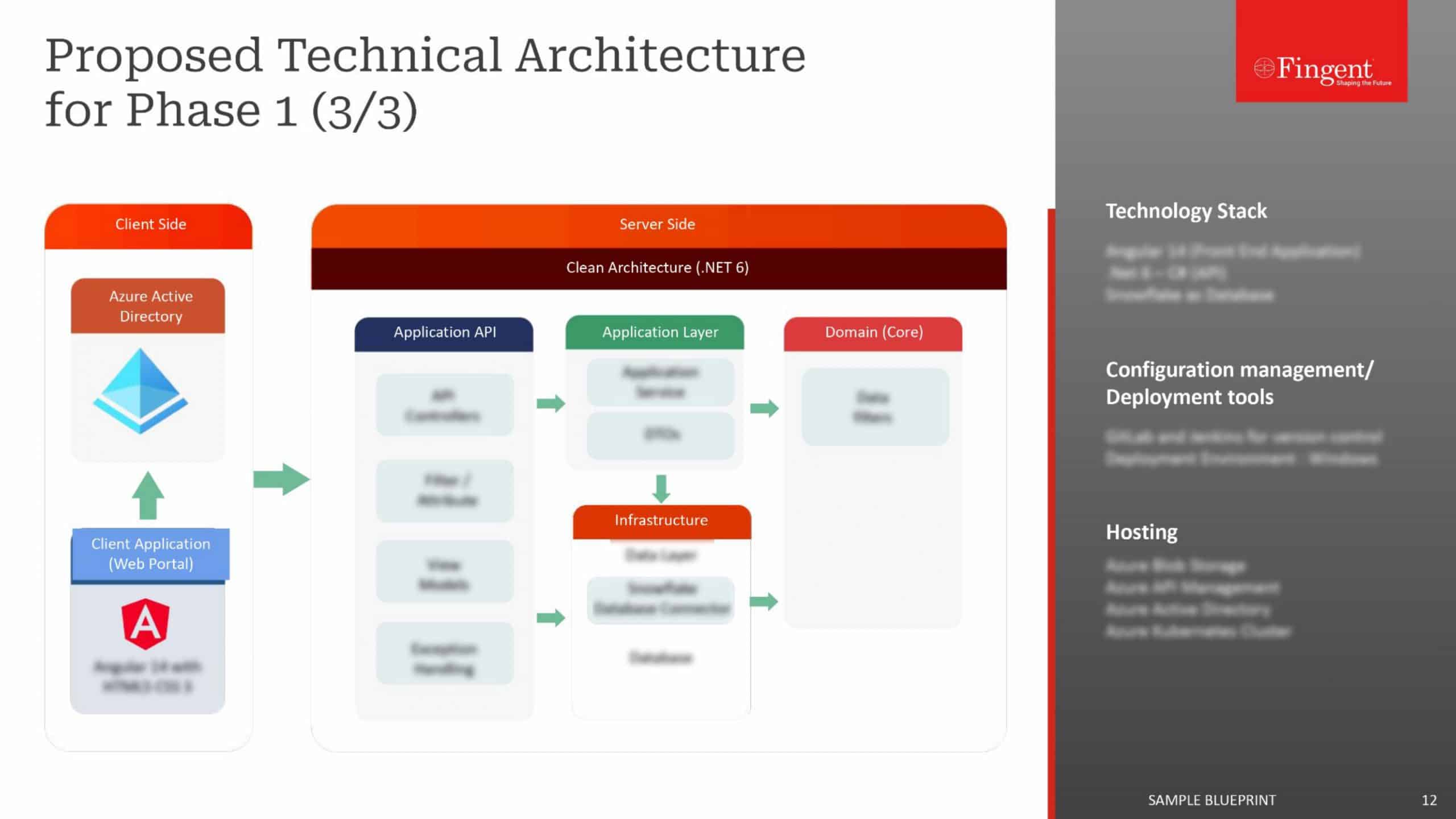
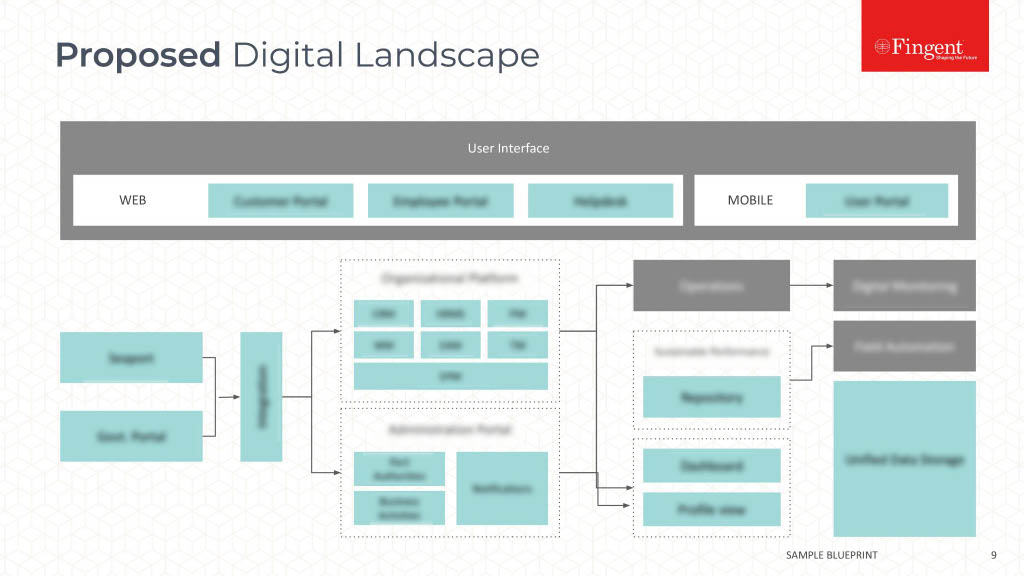
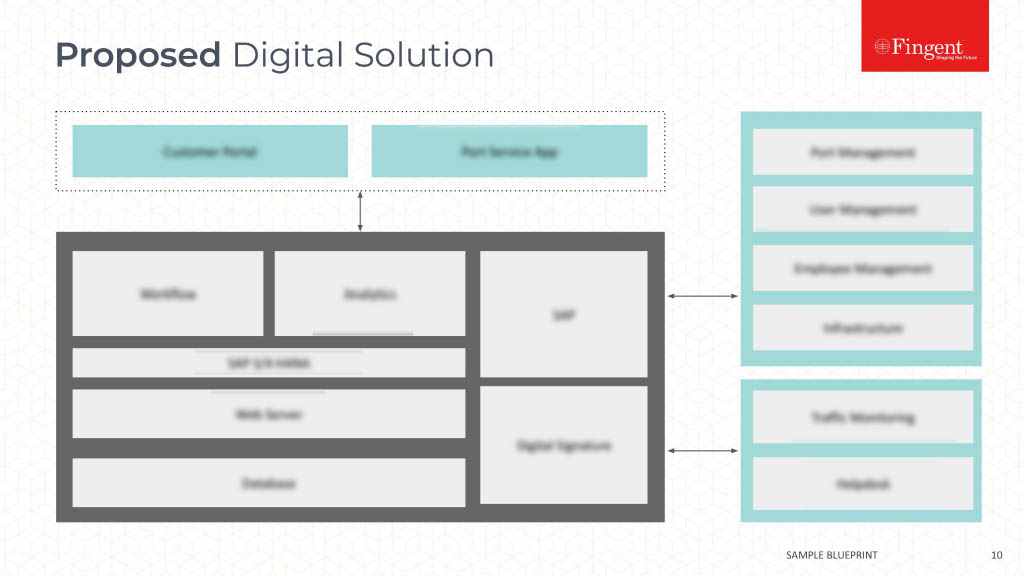
The conversational agentic AI system was built on a cloud-native serverless architecture using Azure Functions. The solution features a React-based conversational chat interface embedded into the client's internal applications for easy access. Marketing users query the data using natural language, which is then routed to AI agents equipped with specialized tools.

The stack is designed for modularity and scalability, leveraging Python’s async capabilities for low-latency API interactions, paired with a responsive React-based front end. The serverless architecture using Azure Functions ensures efficient resource utilization. The system leverages PostgreSQL with pgvector to store embeddings for RAG ( Retrieval Augmented Generation), and a NoSQL store for unstructured data. The system includes a data pre-processing pipeline that embeds relevant data, stores metadata, and generates additional contextual information. The agentic AI system is powered by Azure OpenAI for planning and execution.

The system uses both REST APIs and MCP (Model Context Protocol) to access data and tools.

The architecture prioritizes scalability, fault tolerance, and extensibility.

Azure AD, RBAC, and additional security measures ensure enterprise-grade compliance.

Enable a smooth and effortless AI transition journey with Fingent

IMPLEMENTATION JOURNEY

Ensuring a Successful and Smooth AI Transition

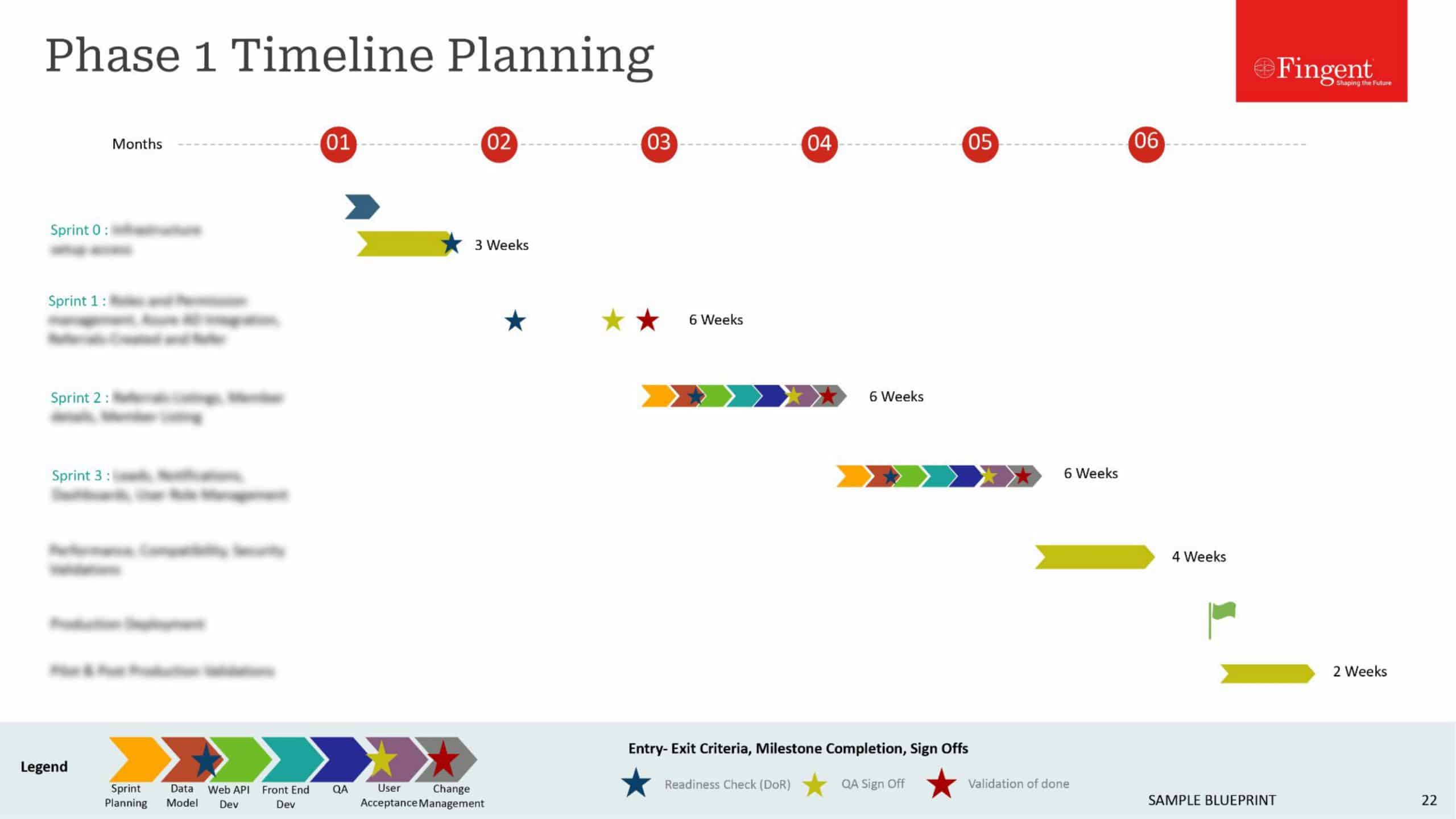
Implementation began after validating the concept and identifying strategies to overcome key bottlenecks via multiple PoCs. The three-month project was structured across three distinct phases to ensure an agile and effective rollout.

Throughout the project, the team successfully navigated key challenges related to performance and data accuracy. To ensure fast response times when querying large volumes of data, the system's architecture was optimized for efficient data processing and caching. The reliability of the AI-generated insights was ensured by a validation process that combined automated confidence scores and source citations. This practical approach ensured the final tool was fast and reliable.

Phase 1 - Scope & Design: This initial phase of one month focused on identifying the core set of business questions, designing the agentic AI architecture, creating the data processing pipelines, and creating UI mocks.

Phase 3 - Pilot Rollout & Iteration: Early wins included successfully answering 78% of initial queries and reducing typical research tasks from hours to minutes.

Phase 2 - Development & Integration: The core development phase included building the React-based chat interface, developing the AI agent and its backend tools on Azure, establishing the data integration with their contact center platform, and finishing with a week of testing with various sample scenarios.

Explore how our experts can turn your innovative ideas into reality

BENEFITS

Making An Impact On Client Success

The solution transformed the marketing team’s intelligence gathering from a manual, weeks-long process to instant query resolution, accelerating campaign development time by 3 weeks. Estimated time savings averaged 85%, with some tasks that previously required over 4 hours of manual research now completed in under 15 minutes. This new capability led to several measurable improvements in marketing and product development operations.

Data-Driven Campaign Development: The team could now design campaigns based on a real-time understanding of user needs, concerns, and sentiment.

Efficient Content Generation: The ability to query the entire call database allowed for the rapid identification of powerful user testimonials and stories for use in content.

Accelerated Product Improvement Cycles: Direct, unfiltered feedback on products and services could be analyzed at scale to identify and prioritize enhancements.

Enhanced Regional Analysis: The marketing team could now perform demographic and regional analysis to create more user-specific strategies.

Improved customer engagement

Customer-specific marketing campaigns

Agile decisions in product strategy
Enhanced brand trust & loyalty

Have a similar challenge or an idea to discuss?

×