Tag: IoT
An overview of the efficiency and ROI Opportunities that the Industrial Internet of Things Unlocks
Computing technology has been evolving steadily over the years, from mainframe to minicomputers, to PC-based software, and then to internet websites and now mobility apps. Each major push has a disruptive impact on the ecosystem. The Internet of Things, manifesting in the convergence of the physical with the digital, is the next big thing and all set to shake up the world like never before. It is all set to usher in a new Industrial age. Between now and 2020, when IoT is expected to become well-entrenched, conservative estimates pegs the spend on IoT solutions at $6 trillion, and more than 34 billion connected devices.
The recent CBInsights Conference sheds light on the range of possibilities that IoT offers. The possibilities are endless, ranging from the already popular health bands to self-driven cars, from AI-powered tools replacing manual error prone judgment of investment managers, unlocking new revenue models, to predictive models speeding up processes and improving accuracy, and much more.
The key driver of IoT is digitalization, which blurs the line between technology and the physical world of machinery and other “things,” and integrates value chains on an end-to-end basis. IoT in a sense represents a convergence of the physical and the digital. The success of IoT depends on the ability to collect data from the real, physical world, and analyze it digitally in a timely way, to create new models that propel efficiency and unleash better solutions. While IoT is set to disrupt all walks of life, a key impact in business is on the industrial front.
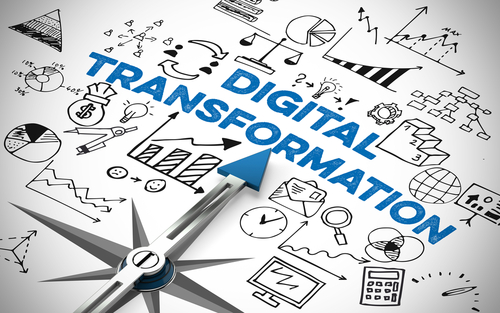
Industrial Internet of Things (IIoT), broken down to its bare bones, is harnessing all data around the end-to-end value chain of enterprises. GE estimates the Industrial Internet of Things market to touch $225 billion by 2020, and the total investment in IIoT to touch a whopping $60 trillion by 2030.
IIoT brings about a change in approach in how companies approach and conceive their assets. From a model where the process remained sacrosanct, the “thing” or “asset,” be it an engine, a television, an oil refinery, or anything else, now becomes the focal point on which systems are organized. The under riding focus is to improve the performance of such “things”.
Efficiency Improvements
IoT drives efficiencies in a big way. Data from millions of sensors, subject to real time may be put to use for any number of purpose.
IIoT transforms business processes through smart predictive maintenance, better asset utilization, and dynamic scheduling, delivering higher productivity.
Smart maintenance: At a basic level, IoT sensors and actuators enable predictive analysis to preempt machine failure. Proactive analysis, delivered as actionable insights, ensures prompt repairs and replacement of spares, maximizing the life of assets. Such services would evolve into platform-as-a-service that provides asset productivity and efficiency-enhancing tools.
Improved production quality: The intelligent adoption of data generated from millions of sensors help improve the quality of production. Insights from precision data contribute to sort out glitches, identify and eliminate common trouble spots, and automate routine tasks.
Dynamic scheduling: “Smart” data enables optimal allocation of machinery and other assets, eliminating both idling and over-congestion. This results in a smooth and harmonious workflow, which directly contributes to not just big savings in overheads, but also better quality of output.
New Possibilities
IIoT also enables new businesses, by unlocking potential not possible before. A good example is remote monitoring through “anything-as-a-service” offering. Such IoT-enabled interventions can have a positive disruption in the entire value chain of the business, A good application is in the food industry, where the entire value chain, from farm-to-fork, or from planting the seed to food at the table could be optimized through the effective use of sensors and other IoT things, to bring each process to the ecosystem, aimed at making them more efficient, to improve the quality, to improve the safety and eliminate waste.
Positive ROI
The efficiency and other value IIoT unlocks directly translate to financial gains. IoT-powered linking the physical and digital worlds could generate up to $11.1 trillion a year in economic value by 2025.
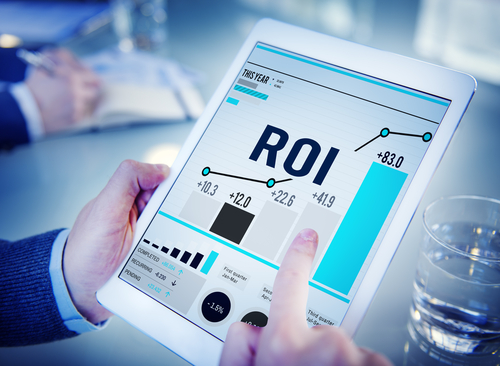
Among specific sectors, autonomous vehicles and condition based maintenance offers a potential value of anything between $210 billion and 740 billion. Operation and equipment optimization in factories unlock potential value of $1.2 trillion up to $$3.7 trillion. Operations optimization and health and safety implementation in worksites add another $160 billion to $960 billion. Logistics and navigation have the potential to add $560 billion to $850 billion in value.
IoT users, including businesses, consumers, and other stakeholders may capture up to 90% of the value that IoT applications generate if they get their IoT systems right and deploy the right tools.
Manufactures, and oil and gas majors have already started to see big gains from their IoT implementations, and as IoT gets bigger, the returns to are poised to get bigger and wider in scope.
Challenges
The new industrialization ushered by IoT will force a paradigm shift in the production and distribution of goods, in the manner in which products are serviced, and in several other functions. The elephant in the IoT room is, however, innovation. Unless there is sufficient innovation in developing new business models and in the development of end-user products and services that leverage the IoT technology to actually bring the possibilities to the end-customer, much of the potential disruption would remain on paper.
Side by side with innovation, there needs to be a coherent action to ensure the systems and procedures in place facilitate leveraging IoT. There is a pressing need to encourage interoperability, ensure security, and protect privacy and property rights before IoT realize its full potential. On average, about 40% of all settings in enterprise require interoperability, before IoT can add value.
IoT data remains heavily underutilized as of now. IoT will cause positive disruption only if the available data is leveraged to the hilt, through cutting edge real-time analytics. To put things in perspective, an oil rig with 30,000 sensors, only one percent of the data is examined now, mainly to detect and control anomalies. For IoT to make a paradigm shift, much more data should be leveraged and applied for higher tasks, such as process optimization and prediction as well.
While IoT promises loads of potential, it is early days in the IoT game, making the situation dicey. Your best bet in riding the IoT wave is to partner with a sound developer like us, who not only have the right technical expertise in developing cutting edge and innovative solutions that take advantage of the possibilities IoT unlocks, but also keep abreast with the technology in the first place. We have a wealth of experience developing cutting edge solutions, cutting across industries.
Stay up to date on what's new

About the Author

Featured Blogs








Stay up to date on
what's new



Talk To Our Experts

Technology is always in a constant state of flux, and promises to be no different. Successful are those companies who keep an ear to the ground, and discern the latest trends, to gain early mover advantage. Here are the top tech trends unfolding in the coming days.
1. The High Demand for Enterprise Mobility Apps
If there is a sure shot winner in every year, its enterprise app development. As enterprises discover the tremendous potential that mobility brings in terms of productivity improvement, unlocking new possibilities, improving coordination between field staff and the main office, enabling on-the-move executives to remain connected, facilitating real-time decision making, and much more, they are scurrying to develop mobile app solutions for all their critical functions.

Gartner estimates the demand for mobile apps to outstrip supply by a whopping ratio of five to one. The challenge posed by the extremely fluid technology space, where technology changes by the day, is worsened by the severe talent crunch. New app development technologies that promote low-node and no-code options are becoming popular, but there is no short-cut to seasoned expertise to roll out intuitive apps that tick all boxes of customer satisfaction. Here is a list of top enterprise developers.
2. User Experience Becomes All-Supreme
The competition for eyeballs has never been so intense before. With more and more players scrambling to gain the attention of a finite number of customers, enterprises are not just offering multiple points of contact, such as websites, mobile optimized websites, mobile apps, and more, but they also ensure all these channels come fully optimized for the device, to deliver an immersive user experience.
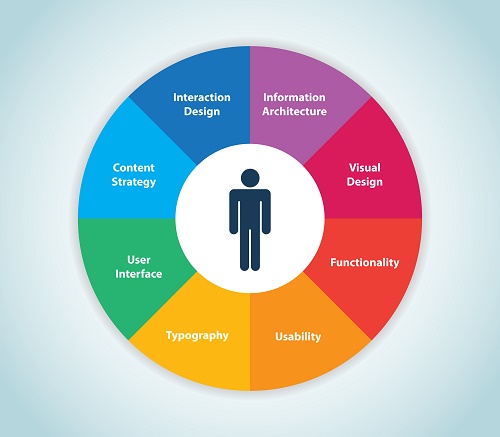
Users able to navigate the website or app easily, finding what they are looking for without putting in much of an effort, are likely to stay long. This raises the stakes of web development and web designing, to offer powerful yet simple user experience, optimized for the device. Web development now becomes a strategic activity, packing in the optimal list of features, in a simple easy-to-navigate design, and ensuring good UX at the same time. This trend of rolling out simple, yet powerful UX will gain further ground in coming years.
3. Collaborative Tools Gain CentreStage
The cloud and mobility are well entrenched, offering executives a world of convenience to work from anywhere, at any time. However, online collaboration still requires supporting infrastructure. Among the various solutions that have come up to facilitate collaboration, Microsoft SharePoint leads the pack, and is likely to continue its domination in future. Microsoft SharePoint is basically a collaboration and document management platform, enabling groups to set up a centralized space to share documents.

In 2016, Microsoft launched SharePoint Hybrid, which is in a sense the best of both worlds, an enterprise platform residing partly on-premises and partly within the Cloud. There is now also the provision to link on-premises version of SharePoint with Office365. As the New Year unfolds, further advancements are in the offing, especially in facilitating better content collaboration, mobility, intelligence and trust. As the cloud become even more popular, the cloud version of SharePoint will likely see big improvements.
4. The Return of the ERP
Enterprise Resource Planning (ERP) is in a revival of sorts, after years of lull. ERP may seem as anarchism in today’s fast paced world, considering deployment of ERP required complex rollouts running into years. What pushes the case for ERP is top ERP vendors reinventing themselves and delivering a far faster and smoother rollout. The game changer is cloud based ERP, or a SaaS offering, allowing enterprises the unprecedented flexibility of picking and choosing the modules they like for their ERP implementation. SaaS-based ERP is likely to gain considerable ground in coming years, as a means for enterprises to remain organized on a structured and connected way. Success would depend on the ERP solution that continues to deliver traditional service, and leverage the available big data to the hilt.

Among the many ERP vendors, SAP, the time-tested old warhorse leads the pack, as the most popular ERP suite preferred across sectors and company size.
5. Artificial Intelligence and Augmented Reality Goes Strong
That Artificial Intelligence (AI) has awesome potential is never in doubt. AI powered tools such as Google Translate, Amazon’s Alexa home assistant, and more have already become well entrenched and hugely popular offerings. More and more such apps would go mainstream in the coming year, with the power of Artificial Intelligence tapped for everything from driver-less cars to medical research.

Side by side, virtual reality will continue its golden run, but it eventually stands to be supplanted by Augmented or Mixed Reality. Virtual Reality based products such as Oculus Rift, Sony’s PlayStation VR and HTC Vive are the rage now, but in the coming days, AR based products such as Pokémon Go, which allow superimposing information or content of any kind on real world settings will take over.
6. Internet of Things Gets a Reality Check
The Internet of Things received it first big challenge in September 2016, when some malware took control of millions of internet-connected devices and launched what has been the largest-in-class attack to date. The attack left large swathes of internet inaccessible for days. Undoubtedly, the coming days will see several such attacks, much more potent, bringing a reality-check to the hype surrounding the Internet of Things. There will be a major focus on security as well in the IoT scheme of things.

IT stakeholders are still like hares caught in headlights, when it comes to cyber attacks. To counter security threats, encryption has now become mainstream, to the extent the New York Times is now accepting news tips via the encrypted app Signal. However, it would require much more innovation to truly secure networks, and it remains to be seen whether any path-breaking security paradigms emerge.
7. Convergence Inches Closer to Reality
This year will also witness a convergence of the internet and television, or live TV, allowing us to see television when we want it, rather than fix our schedule around television shows. YouTube is already putting together a live TV package, and players such as Hulu and Amazon are positioning to enter the fray.

Mere knowledge of the top tech trends is useless unless the enterprise is capable enough to leverage the trends, to roll out cutting edge solutions that confer early-mover status and significant competitive advantage. This is where most enterprises, faced with talent crunch and an already overburdened IT team, falter. We can help you here. Our team of highly experienced and talented developers is always on the top of the game, having successfully executed several mobility and other solutions for enterprises cutting across sectors and industries.
Stay up to date on what's new
About the Author
Featured Blogs
Stay up to date on
what's new
Talk To Our Experts
So, the customer makes time, waits for the service technician to show up, to troubleshoot the error that has been showing up quite often lately. The clock ticks by and there is no sign of anybody at the door, you muster patience and keep your other important stuff aside for a while longer. But, alas! The guy is nowhere to be found, giving up hope that he would show up, you finally make up your mind to get on with the other stuff. Just when you are about to get busy and make the wasted day productive again, there sounds the door bell. Annoyed as much as you are, you open the door there he stands, the service guy. The moment he gets to work he realises that there are some essential parts missing to go through with the job. Talk about a day going from bad to worse!

For a service company, there is no other bane that shouts out foul louder than the Field Service technician who hasn’t responded, or been helpful, irrespective of the multiple calls and wasted efforts by the customer.
Such scenario that blows the customer satisfaction to 0 on a scale of 10, makes the customer disgruntled and annoyed. But on closer introspection, what the organisations should realise is that these are caused due to the absence of the right tools in the arsenal of the Field service guy. With the advent of time, technology has become an enabler and a good preventive for such issue that affects your customer satisfaction to go down south. Right technology incorporated can help you to optimise service delivery, delight customers and in turn result in transforming your business. The right tools can help you render world class service levels on a consistent basis and make a lot of difference the way your company is perceived by the customer.
Right Approach with the Right Tech
Field service requires efficient ways in which data and information can be provided to a remote technician, away from his workstation, so that he can take the right action without delay. What better way than to use the power of mobility to scale your areas with the most relevant information. Mobility, when coupled with the right technology, can make well-rounded tools that help you to stay informed, relevant and to give the right advantage.

Being mobile-centric can help you have a real-time approach to field service management, such as having visibility and streamlining communication with your field service technicians, giving them real-time access to knowledge and back-end systems, accurate data entry, real-time scheduling and data tracking. This can be best done with a combination of techniques and tools that help the field service technician enable better first-time fix ratios and establish a good customer relationship.
Internet Of Things
IoT for business is becoming the norm and the number of businesses investing in connected technology is rapidly increasing . The connected world that IoT brings forth and the equipment telematics would provide added value of monitoring the equipment health and the efficiency at which it operates. This invariably means lesser downtime because the preventive IoT data can help organisations take real proactive approach when required. This can also go a long way as the information can be utilised to re-engineer the product and make necessary quality improvement, by utilising the equipment performance diagnostics and performance metrics.
Embedded Analytics and Big Data
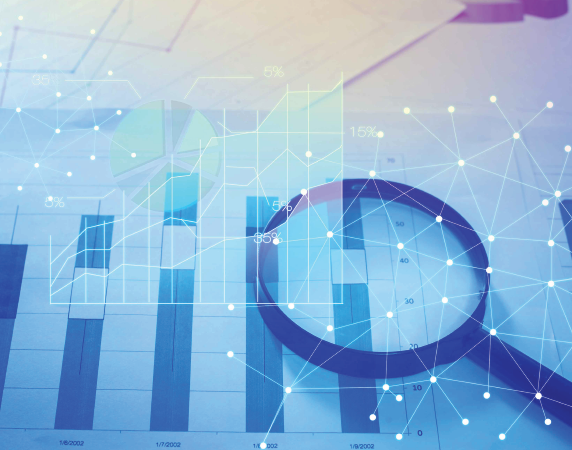
IoT can churn a lot of data from machines, customers, and products. The challenge lies in turning this data into actionable insights that can improve the bottom line of the company. Being able to replace the paper with mobile devices as the primary input device, can help in reducing the redundancies and save time. The data analytics allow fast and timely action on the vast data from the field giving more real-time feedback on the state of field operations. When the field service personnel is provided with sophisticated analytical tools, they can improve and tweak their operations according to the real-time data input from both the mobile apps and equipment sensors. This visibility enables the field service managers to gather insights on performance, tasks and service quality.
Be Cloud-Based
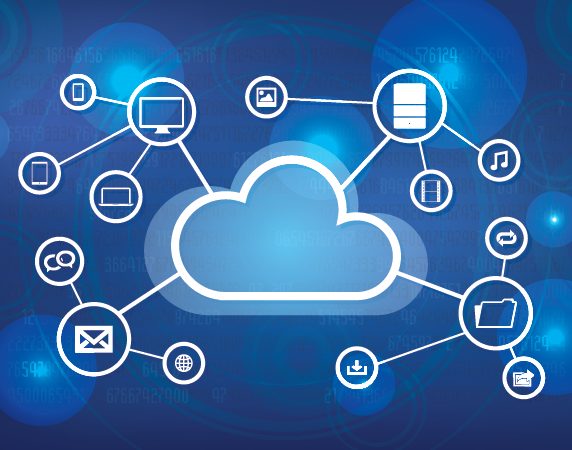
If there is one technology that has become the backbone of most field service applications, it is the ubiquitous power of the cloud. The cloud plays a critical role in field service mobility by providing the worker access to information whenever, wherever they need it. This leads to better collaboration among the workers by sharing the reports and documents that can be accessed through different devices. Cloud security becomes more sensitive as the workers would have access to data over various networks. This points out to the importance of choosing the right field service software with software upgrades and policies to keep your data secure.
Remote Resolution

With IoT, cloud and analytics it becomes easier for remote resolution of problems. The smart machines can go a step further and raise a flag before something goes awry. IoT would grow bigger, with more connected devices, it is imperative for organisations, that, they leverage the potential to resolve problems via remote resolution. The first time fix rates of organisations can go up since the field service manager has the information to take the required action, ahead of the actual occurrence of the incident.
Network Reliability
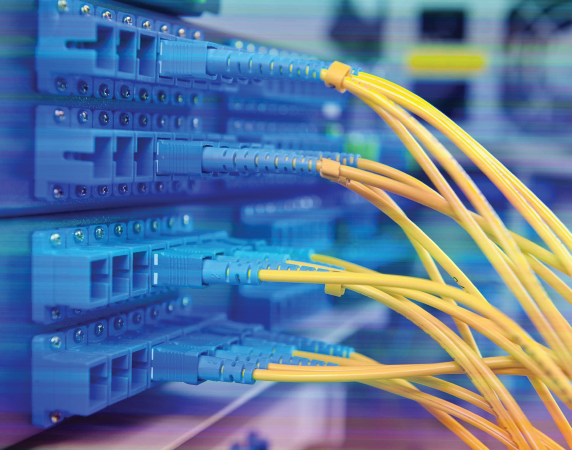
The data generated from cloud-based and mobile apps, email and the communication technicians try to establish, can put a lot of strain in the underlying infrastructure of Network. The investment in mobile solutions means that the network in which they operate should be able to take this load and run with it effortlessly, without any glitches. Neglecting the requirement of a reliable network can impact performance, handicap productivity and make the devices less reliable with high traffic. The Hybrid clouds, Virtual servers and high capacity storage provides the network with scalability, flexibility and keeps it reliable.
Security
With the power of IoT and an anywhere, anytime expectation of services and data, there are more points in the grid, where possible security issues may arise. The security concerns would be a primary issue that the organisations should be paying attention to, advanced security applications and an increase in financial commitment to prevent attacks would go a long way in securing the overall setup. Security should ideally begin with the user being educated with the do’s and don’t’s on how to be secure with mobile devices, and then it is essential that the devices be updated with tools and protocols to limit security issues.
Predictive Maintenance
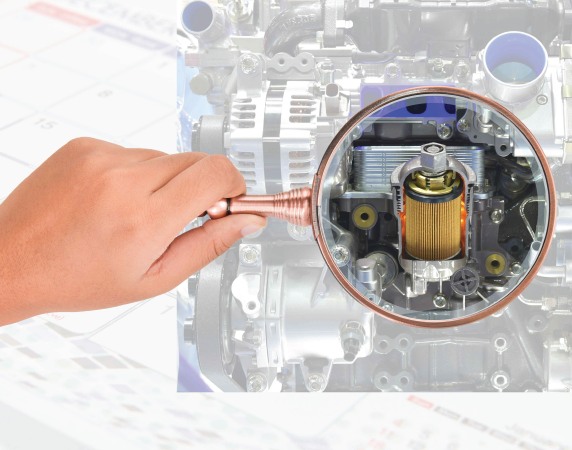
The connected devices enable a field service capability that emphasises more on preventive maintenance rather than firefighting when things go wrong. The preventive nature of work empowers the organisation to give higher levels of customer service with little or no downtime. This can lead to stronger foundation between the business and the customer by keeping the business up, devoid of any hiccups or downtime. The predictive power of IoT-connected devices can automate the field service process and trigger service calls when something needs a maintenance.
Stay up to date on what's new
About the Author
Featured Blogs
Stay up to date on
what's new
Talk To Our Experts
Think of field service operations, and the odds are of the term being associated with inefficiency, delays, and other ills. Field service operations are not just reactive in nature, but characteristically prone to high incidence of human error, induced by various causes such as skill deficiency of the technician, lack of adequate tools or information, technical limitations, inconsistency or ambiguity of instructions, time limitations, and so on.
There is a solution in sight though. The IoT revolution offers a chance to not just set things right, but also to transform the ecosystem itself in a big way.
1. Optimize Provisioning of Resources
M2M, the core subset of IoT, enable sensors on devices or “things” to communicate with one another, transmitting location, movement, temperature, environment, and other relevant data. Top service teams of today tap into M2M data to gain visibility into the device they maintain, and offer timely support.
Sparked, a Dutch start-up, places such M2M enabled wireless sensors on cattle, to alert farmers when a cow is sick, pregnant, or in some other state. Replicating the same set-up to devices allow field service technicians to detect anomalies in real-time. The service controller taps into the technician’s geolocation, and assigns the repair job to the best poised technician closest to the location.
2. Undertake Proactive Preventive Maintenance

Very often the agony users express on finding a device conked out, is not concerns about what happened to the device, but the downtime. The fix itself may be simple and even obvious, but the wait can be nerve wrecking. Service firms may use IoT to change over from a reactive service model, waiting for the customer to call and log a service request, to a proactive model that automatically predicts problems, and thereby play into the pressing need of instant gratification.
Consider the case of Diebold, the Ohio-based international ATM manufacturer, responsible for the maintenance of repair of thousands of ATMs spread across the globe. Its global service team leverages M2M generated data to identify how long a specific component has been in use, and how many times a machine has been used. The team keeps track of data emitted by each ATM, on a 24×7 basis, to identify when a technician need to replace a specific machine’s parts, and schedules services accordingly, on a proactive basis, pre-empting machine failure.
An Intelligent Business Operations Platform that embeds actionable predictive analytics into business processes equips field technicians with insights not available before. It empowers them to take data-driven decisions, allowing them to fix things before they break. Aberdeen Group estimates 50% of top-performing service companies having such preventive maintenance models in place, with 26% of them able to resolve issues remotely, even without making site visits.
3. Invest in Remote Diagnostics
IoT-enabled remote diagnostics help to cut downtime even further.
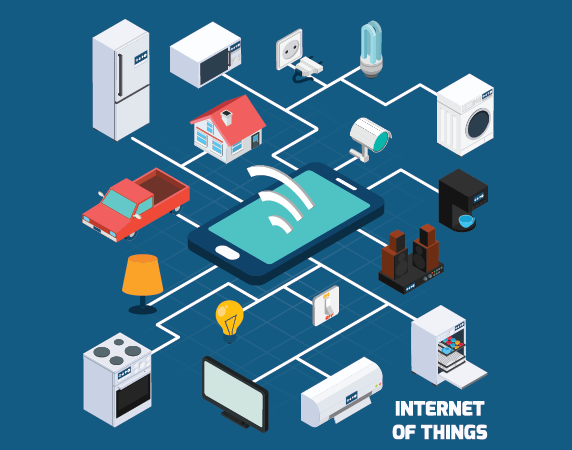
The trends and patterns made explicit by M2M data allow technicians to pin-point what is wrong, which components to replace, which tools to carry to the site, and more. This enables more first-time fixes, reducing downtime for the customer and greatly reducing rolling inventory for the service provider.
In many cases, such as, if the equipment simply requires reset; the task may be done remotely, by issuing commands to the sensor, eliminating the need for a site visit entirely. Medical tech provider Welch Allyn’s cloud-based M2M solution that runs software updates and even makes remote repairs to their equipment from afar is a good case-in-point.
Beecham Research estimates such remote monitoring and diagnostics reducing service visits by as much as 60%. Diebold could resolve about 17% of their issues remotely without ever sending a technician onsite. Needless to say, the reduced downtime improves customer satisfaction greatly.
4. Empower Field Technicians to Ensure Better Fixes
IoT-powered wearables offer the potential of making field service technicians much more potent and effective. He could, for instance, tap onto the NFC tag attached to the device being repaired, and read notes on previous maintenance carried out. Taking cues from surgeons using Google Glasses, less experienced field technicians could have ready access to their instruction manuals, or hook up with other experts to get insights and instructions on complex problems, sparing additional field visits.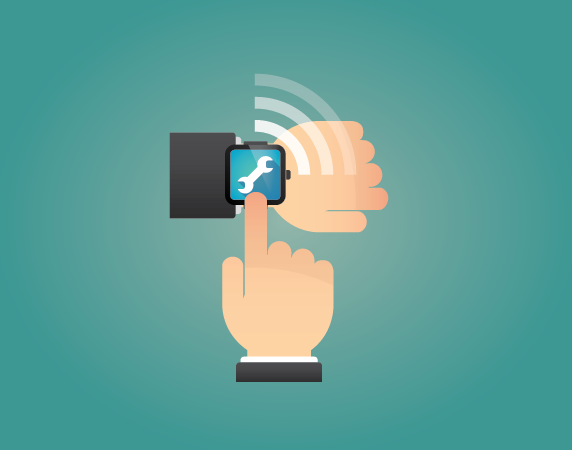
Taking the concept to the next stage, IoT and wearable technology offers the potential of self-service and eliminate the need for service technicians to visit the site at all. A smart glass endowed user could get accurate step-by-step instructions to fix the device, from a remote technician who draws in M2M data from the device being fixed.
5. Develop Better Business Models
Applying M2M and the larger IoT technology improves the efficiency of the field service team manifold, and help them do more with lesser resources. It helps to propel FSM 2.0, which promises a win-win proposition, with the provider able to adopt outcome-based revenue models, and pass on some of the gains of improved productivity and efficiency to customers. The service team may also share M2M intelligence with the customers, especially at the invoicing phase, forging an effective working relationship and improving transparency of the whole exercise.
IoT promises a better, transformed world, where field service operations never had it so good. But it still requires effective solutions to tap into the possibilities. ReachOut Suite, for instance, offers a complete solution for all your field service requirements, allowing you to manage everything seamlessly, from one central console.
Stay up to date on what's new
About the Author
Featured Blogs
Stay up to date on
what's new
Talk To Our Experts
The field service industry, as we all know, is at the peak of its transformative stage now. The technological advancements in the industry have been coming on, one after the other for the past few years, and now the rate of the revolution has reached an all time high.
As new tools and technologies continue to take over the field service market, let’s take a look at some of the major trends for the coming year:
- Predictive Maintenance – Last year, we saw the expansion of the Internet of Things as well as a more widespread use of analytics tools to handle all the big data. From this year on, it is time to put those tools to real use, and enhance the predictive capabilities of all connected devices. That way, a more predictive or proactive approach to service can be taken up, along with automation. For example, sensors could be fixed on equipments, and devices, that can notify its users when it needs a repair or when it is due for its regular maintenance. Thus, the whole process becomes automated, as it provides enough insight to the service providers to serve customers, without having them make a service request or call.
 The Internet of Everything – The Internet of Things isn’t exactly a new trend to look out, but we will definitely see an increase in its adoption by businesses in various industries, making it sort of an established industry best practice. According to Gartner, there are going to be about 26 billion devices, apart from smartphones, tablets, and computer systems, that are connected through the Internet of Things by 2020. Hence, the range of devices through which people are connected is getting bigger, which is exactly what the field service industry needs. The field service technicians need to be connected with the main office, with their colleagues, with the equipments used in the fields, as well as with their customers in real time. Information captured in the fields, with the help of such intelligent connected devices can then be used further, in predictive maintenance practices too.
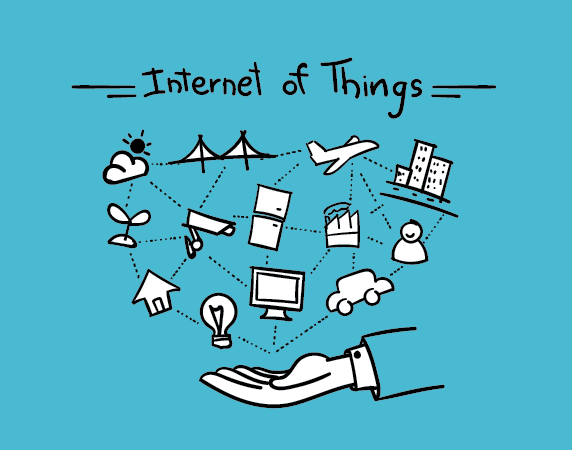
- Better Integration – As an implication of the “Internet of Everything” phenomenon, there is going to be an exponential increase in productivity and efficiency over the next few years. As mobile devices, equipments, telematics, and the offices are connected and integrated with field service solutions, there can be more chances or opportunities to work closely and communicate more effectively. A custom field service software will be the right way to go about it.
With the help of vehicle tracking, scheduling and routing facilities on mobile devices, field service technicians can take decisions in real-time remotely. It also helps them avoid issues related to reckless driving, control maintenance costs etc., all from a handheld device. All this besides the regular utilities like access to customer history and billing information, location information of colleagues and the like.
- Mobility all the way – We will see most field service companies embracing mobility in the years to come. Field service solutions will take different mobile forms like tablets and smartphones, customized to suit the different business models of companies. Here are some of Gartner’s predictions for future:
– About 40% of the field service workforce will be mobile
– More than 65% of the mobile workforce will have a smartphone
– Field service organizations will buy up to 53 million tablets in coming years
- A Single Provider – Along with modernization and further technological developments in the industry comes an increasing trend of relying on a single provider for all the functionalities required for work. Most companies entrust a single company to deliver the software and skills to manage their work, employees, and assets. This calls for comprehensive, robust as well as flexible platforms supported by strong providers.
What other trends do you think can be added to this list? Share with us in the comments below. Let’s discuss.
Stay up to date on what's new
About the Author
Featured Blogs
Stay up to date on
what's new
Talk To Our Experts
By now, we all know that we are living in the midst of billions of devices and machines that are connected to the internet and to each other. Need more evidence to believe it?
Well, Gartner predicts the number of internet connected devices and things to grow to almost 21 billion by 2020. IoT is in fact, huge and growing.
We humans are literally on the verge of being outnumbered by connected devices in the coming years. Now, I bet we didn’t see this coming when we first started using smartphones!
And get this, each of these devices, whether they are smart or wicked smart or even not so smart, are constantly collecting data through various sensors around them. In fact, a lot of our personal information is being accessed by our smartphones alone for crying out loud!
Is it almost time to start fearing the appalling situation of “Technological Singularity”?
Are we all going to get phased out by the intelligent machines one day?
We will have to let time answer that question, although we do have a hold over it through security measures.
Security and privacy are two of the most questionable aspects of IoT. Especially, now that the number of devices, as well as the amount of data are increasing rapidly, it becomes all the more difficult to monitor its use.
Connected everything – is it a boon or a bane?
When you take consumer devices like smartphones, think of the data it collects from your applications. It takes note of everything we do with our phones, wherever we go, including things like what we eat, what mode of travel we use, which route we choose, who we communicate with, what pictures we take and so on.
When it comes to fitness and health care, we have wearables and other smart devices that monitor our heart rate, our sleep time, our exercise routines and the like.
Likewise, we have sensors sending and receiving information on a number of devices we use on a daily basis. Combining all this information, along with analytics in the cloud, the value and amount of information that can be collected about our health and lifestyle is massive. The issue here is that, the level of technology has grown so much that, it surpasses the ability of law to control and protect how this data might be used. And needless to say, the endless number of devices being used, the amount of data generated and the applications that use the data, together make it worse. It is pretty hard to ensure security on such a wide scale.
Wearables
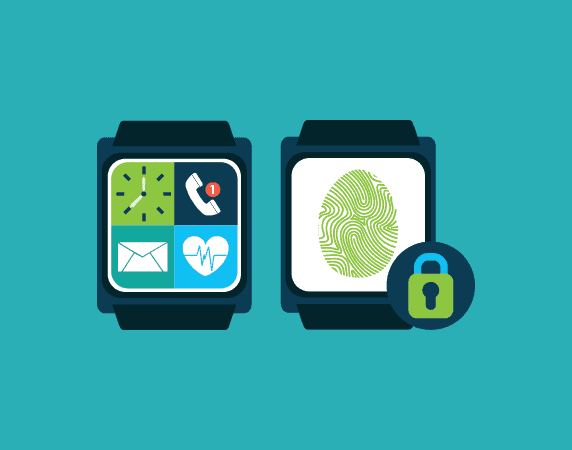
Delving a little deeper into wearables, a study in 2015 showed that around 41,000 patents were granted from 2010 to 2015 for wearable technologies. This only shows the pace at which wearables are advancing.They are seen more as a means to overcome some of the common issues of the modern society, and encourage people to move more. They help us in leading healthier lifestyles by tracking our sleep patterns, monitoring temperature, heart rate, glucose levels and the like.
For example, the Microsoft Band, makes use of galvanic skin response sensors, just like the ones used in lie detectors to track your activity levels, heart rate and more.
CES (Consumer Electronics Show) this year saw the first ever Bluetooth connected pregnancy test along with its app.
What we earlier thought to be science fiction, is a reality now.
In healthcare, though, we do have the HIPAA (Health Insurance Portability and Accountability Act of 1996) rules and regulations to monitor and control the sharing of health information. They are pretty strict as well. Devices like Fitbit are majorly being discussed around the world, on whether or not they violate the HIPAA rules. So, we do seem to have a certain safety element around health wearables.
Privacy?
According to a paper published by the Federal Trade Commission (FTC) on Consumer Data Privacy and the IoT, out of many issues that could affect data privacy, there are four basic ones that need our constant attention, namely security, data minimization, choice, and notice.
Data minimization is the practice of limiting the amount of data collected from various devices, to only what’s necessary for the application, and deleting any old information as well, all for privacy purposes. The paper mentioned that such data minimization affected innovation, as even though collecting extra information may not seem to be useful at present, it may help future applications and functions, and restricting such possibilities affects the chances of better, improved applications for the consumers.
Notice and choice refer to the information given to the consumers about the amount and kind of data they are going to be sharing, and the option for them to opt in and opt out.
How many times have you seen an application asking for access to your smart phone’s camera, contacts, location and the like?
Even an app that doesn’t seemingly need to read your contacts, like a fitness app, prompts you for such information. Sometimes these permissions are hidden in clickthrough approvals of end user agreements necessary for the app to function or to activate a device or an app.
And many other apps claim to use “bank grade security” and “encryption” as protection measures for your data, but seldom do people know even the meaning of those terms.
Hence, the bottom line remains, that security and privacy are indeed two important aspects of IoT and data collection. But a lack of standards, and rules to ensure adherence to the same makes it an ever growing concern in the IoT era.
What are your thoughts on security and sharing of data across devices? Let us know in the comments below.
Stay up to date on what's new
About the Author
Featured Blogs
Stay up to date on
what's new
Talk To Our Experts
At this point, due to several years of rapid technological advancement, we can safely estimate that there are billions of connected devices, and that number is increasing with each passing day. The Internet of Things (IoT), has become so commonplace, that we hardly even notice how they impact our businesses. We have a number of “smart” devices: interconnected and operating with synergetic effect. This provides a whole range of new opportunities for business enterprises across industries.
In the field service industry, companies are extending and taking advantage of IoT. Whether it is at the customer’s house or place of business or shop floor, service companies are finding new ways to improve operational efficiency and achieve higher levels of customer satisfaction. By utilizing the data collected from various connected devices and sensors, these companies can deploy personnel more effectively and provide better services. Improved data — and data collection methods — are driving the move to a more proactive approach in their maintenance and repair services.
The interoperability between devices and platforms
Field service technicians need interconnected devices and applications to achieve the optimal business value potential. Thanks to the greater availability of network access, field service technicians can see bigger payoffs from the constant connectivity among service providers, customers and dispatchers. As a result, they are able to make more and better real-time decisions, but only if they are able to get the right information at the right times. It also helps when they have faster and easier ways to collaborate with their colleagues and providers more effectively and efficiently, empowering them to make better, more informed decisions at the right times. When that happens, they get to complete their job on-time the first time. Providers with on-the-cloud field service applications, thus have the competitive advantage when compared to those that use only on-premise solutions.
Everything is changing
The connected devices, platforms and applications are changing the way field agents work. We all know that by now. The major impact here is the value of the real-time information generated and captured from the various endpoint assets, which literally changes the way we manage field service workforce. But on the flipside, these connected endpoints carry with it a few challenges as well, like data security and big data analytics. With so many devices, there can be an escalation in the amount of unwanted information that can get collected in the process. It can be a daunting task for enterprises to filter big data and extract useful insights from them. Field service companies need to make sure that they have the technology and the mechanisms necessary to maintain data integrity and also to share with the technicians, data that is relevant and related to the technicians relation with the endpoint device.
Wearables
Although wearables are still in their initial adoption phase for a majority of us, new wearable devices are coming on the market every day. The challenge is to find wearables that can be used in the context of a company’s business applications.
Most technicians have a problem of relating contextually relevant information from wearable end-points that have not considered carefully enough how to connect the technician to their tasks at hand. For the same reason, getting alerts, and updates to those in the field via wearables still remain challenges to its adoption.
Nevertheless, wearables are definitely increasing in adoption in the field service industry, but there are certain concerns that need to be addressed soon, like security, form factor and most importantly, making sure that sharing of data is relevant and is based on the field service agent’s relationship with the particular endpoint device or asset. Those companies that address this problem and focus on providing contextually relevant information along with a friendly user interface, will stand to gain.
It is anticipated that 75% of field service organizations, in the next 3 years, will be providing smart wearables like watches, glasses and the like, to their field technicians. This only means that the rest of the applications necessary to facilitate and support this kind of growth need to gear themselves up.
Image credits: Techradar
Stay up to date on what's new
About the Author
Featured Blogs
Stay up to date on
what's new
Talk To Our Experts
2016 will be the year when technology will bridge the gap between the physical and digital world. The Internet of Things and the rise of connected data will bring even more opportunities and also many new challenges. Keeping pace with the latest business technologies is crucial to stay ahead of this game. Listen how companies can lay strong foundations for incredible changes that are about to happen. In this videocast, we request our CEO Sam to take a stab at predicting technology trends that may materialize in 2016
Stay up to date on what's new
About the Author
Featured Blogs
Stay up to date on
what's new
Talk To Our Experts
The day when you’ll see the everyday things- from phones, cars and doors, to lights, refrigerators and washing machines, connected to the internet is not very far. In fact there are over 13.4 billion connected devices already and it is expected that the number of internet-connected devices will reach 50 billion by 2020.
In spite of becoming an integral part of personal lives, the IoT will also bring major paradigm shifts at every phase of businesses. Many companies have already started adopting IoT and to plan their business around it. There are only two options- either get ready to embrace this revolution and stay on top, or face the consequences.
The manufacturing business will have to bring major changes to be in the game, around software, data and connectivity mainly. According to Gartner’s 2015 overview of manufacturing industries, business intelligence and performance management are the top priorities of manufacturing sector and both these areas are heavily dependent on software and data gathering. Hence, Manufacturing is in the top list of industries looking to hire data and software experts.
The software everywhere helps make all devices programmable and narrows the gap between digital and physical. While software everywhere redefines the manufacturing industry, it also redefines the scope for audits, inspections and compliance because it brings with it new challenges. Let us see some of the challenges the Internet of Things will pose to audit, inspection or compliance sector in detail.
Challenges for auditors dealing with software everywhere
Auditing is not a walk in the park when it comes to organizations adopting new technologies and automating tasks with software everywhere. While the Internet of Things brings many rewards, it also poses serious risks, which if not carefully dealt with, can lead to organizational disasters.
Technologies move very fast and manufacturers are under pressure to keep pace. Each passing day there arise new laws to which the businesses, organizations, industries and agencies should conform. Most often, there might be less thought devoted to the risks associated with certain deployments of technologies in businesses, and the manufacturer, law bodies and compliance bodies may not be aware of all the risks. The IT departments are generally the ones bearing the brunt of the storm, with a variety of auditing issues, which if not managed properly can spoil the compliance and security of even the most ambitious organizations. One of the biggest challenges for them is to make sure that all the technology and software deployed adhere to multiple compliance standards. The internal auditors should stay abreast of the new IoT developments to foresee these risks and controls in their business.
While software everywhere will ensure quick, flexible, easy and smart business processes, such flexibility can also be a loophole to circumvent compliance requirements. For instance, a machine or a device can be programmed to identify that it is being inspected or audited, the software can recognize the test pattern and it can then generate results, which appear to be compliant to the audit. One way to overcome this problem is to adapt smart auditing strategies like those used by quality assurance professionals, who constantly deal with such issues. For instance, auditors could use heuristic based techniques, where audit design and execution are combined and the auditor explores the system to identify non-conformance to high-level heuristics.
Another key aspect to consider in the area of software, is regarding ownership. The Digital Millennium Copyright Act (DMCA) makes it unlawful for independent auditors to look at the code that runs on a machine, thus making it easier to conceal intentional wrongdoings. Unfortunately, this law can punish users and auditors who try to understand whether their software or system are compliant, or can be manipulated in a manner that it will endanger the consumers of the product manufactured by these systems. Another important challenge for audit regulators is the need for effective reporting to their stakeholders regarding audit performance, and the efficient conduct of audit inspections, which requires coordination among varied regulators and compliance with differing laws and regulations.
However, the good news is that, changes shall happen over the year 2016 that will make it possible for such business to conduct audits much efficiently, to check if they are compliant to legal norms like FDA or EPA norms and other good manufacturing practices.
Challenges for auditors dealing with large amounts of data
Increased use of computerized systems, smart manufacturing and decreased storage costs have led to generation of large amounts of data that are aggregated, coded and classified to enable good decision making. Auditors can derive value from this data and ensure that decisions made are based on solid, quality information that is trustworthy and relevant. This big data enables root cause analysis in cases where noncompliance or failure is detected, and can be used to provide a near complete picture of the system state at the point of failure. The availability of such valuable data can enable quicker corrective actions. Non-compliance issues detected years after the production can be safely traced back with retrospective auditions.
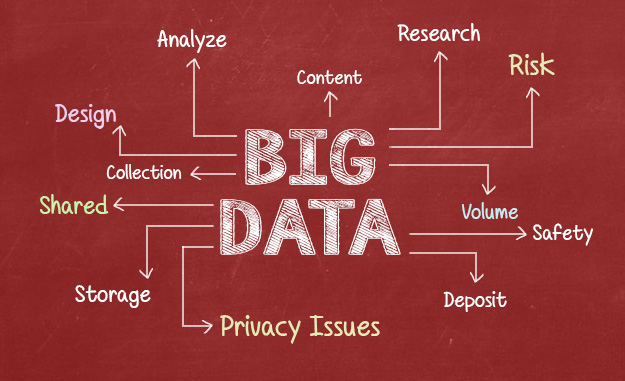
However, the unstructured nature of big data poses big challenge for the auditors. There need to be a good standard of managing the generation, classification and storage of data, for it to prove useful in auditing or inspecting activities. Data processing standards today do not cover the governance processes for management, storage and expiration of data. However, changes are expected in 2016 that will address the present state of big data with respect to the audit environments.
Challenges for auditors dealing with storage and ownership of data

Image courtesy: Cloud Lounge
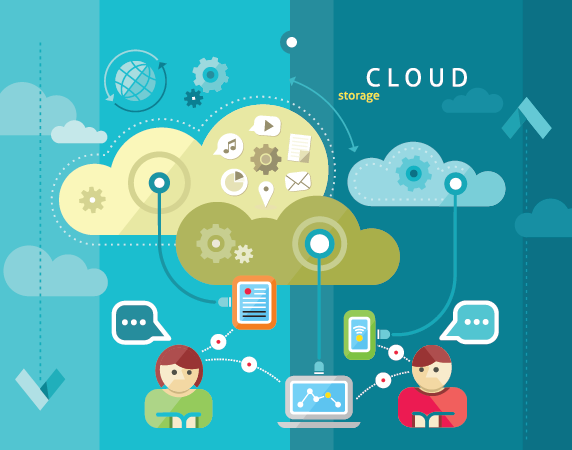
In production environments, the data produced by the equipment and system used in production line are mostly stored in clouds. In the cloud, these data may be stored on storage devices that may not even be owned by the manufacturers who generate data, but will be owned by third party service providers, like analytic provider or storage service provider (like amazon). In such cases, it is not the manufacturer but the third party, who gets the ownership of these data. In fact, data may not be even stored in the same country. Such a 3rd party doctrine complicates the issue when confidential transitional data is stored by cloud server providers and this raises more issues like confidentiality and contract, availability of data for audits, and liability issues.
Challenges for auditors dealing with Connectivity
The Internet of Things (IoT) as we have all heard of has been around for quite a while and this year we saw a large number of connected devices flood the market. This is only going to increase and by 2020, we are expected to have over 50 billion connected devices. The Internet of Things is not just connected cars, cameras, and doors. IoT also extends to heavy machinery, to jet engines, oil drills and to connected devices and equipment in manufacturing and production, as well. As smart manufacturing gains momentum, more and more machines on the production lines are connected and online. Machines are connected to each other to exchange data, and to servers in the cloud to enable machine learning, monitoring, forecasting preventive maintenance, etc. This ensures cycle time reductions for corrective and preventive actions post audits. Remote monitoring and diagnostics can ensure that the product complies with the legal requirements. Connectivity can help conduct remote inspections eliminating the need for people to travel to the locations to get the audits done.
While connectivity brings the above advantages, it brings with it, its share of challenges as well. Poor security, for example on connected equipments can make systems vulnerable to hacking and systems can be compromised without the hackers having direct access to the systems. As a matter of fact, vulnerabilities in any connected device can compromise an entire system. The security of connected equipment will soon be an area of compliance for audits and inspections across industry segments. With time, it can even enable production to happen at the supplier’s end or the consumer’s end, rather than at the factory, which can further increase the risks for auditors and inspectors. They will have to take into consideration the entire chain of equipment that communicate with each other, and modify their audit strategies accordingly.
Everyone, who are in the business of audit and compliance are impacted by the IoT and by the fact that all the equipment we use are connected online, is programmable and is generating enormous amount of data. The auditors, inspectors and all of us in the audit and compliance field need to learn about the new skills and competencies pertaining to the software deployment, vulnerability detection and software compliance. The good news is that there are established practices in the software QA (quality assurance) industry, which can provide good reference points for those who wants to upgrade their skills. However, the hardest part is to change the mindset and culture among auditors and inspectors to adapt to this new paradigm of Software Everywhere. We need to move faster to adopt practices, processes, and new mindset and to learn new skills that will enable us to do a better job in auditing, compliance and inspections for devices that are connected, generate lots of data and are managed by software!
View this webinar on the ubiquity of software in the compliance industry, by Deepu Prakash, Head of Process and Technology Innovation at Fingent Corp:
Stay up to date on what's new
About the Author
Featured Blogs
Stay up to date on
what's new
Talk To Our Experts
What better place than Hollywood to see some “futuristic technology” in action, right? I’m talking about the hit science fiction series by James Cameron, “Terminator”! How many of you remember “Skynet”, the global intelligence machine that set out to destroy all of mankind in Terminator?
I’m sure none of you would have missed watching that evil machine with sensors everywhere, sending out terminators on its quest to destroy humankind.
The fact to be noted here is not that Skynet is an evil machine, but the level of technological advancement brought into light. We are more interested in the rich, sensor-driven network portrayed in the movie and what it could do. The Internet of Things (IoT)! Something that we’ve all been hearing about for quite some time now.
Now imagine having that kind of a network in our healthcare industry. The one industry that we all rely on, for our well being at all times in life. Imagine having that kind of sync and connectivity among all devices and people in a healthcare organization! We‘re talking about the Internet of Things working to save the lives of millions of people.
According to a report released last year by Swiss research firm, Soreon Research, by 2020 connected wearable devices alone could be able to save an estimated 1.3 million lives. Another report from MarketResearch.com says that by 2020, the IoT market value in healthcare will be close to $117 billion.
As exciting as that sounds, it is also likely to bring with it a huge revolution for the industry. And the good news is that, it’s here finally and it’s here to stay. Revolution is just around the corner and it’s time for healthcare organizations to gear up to facilitate the change.
Advocates of IoT say that it will make treatments much smarter and better suited to the needs of each individual patient and will also eliminate medical errors. It is also expected to change the way that severe and costly conditions, like heart diseases and diabetes are treated.
Now the real question is, how should healthcare organizations prepare and plan for such technology oriented future? Especially when concerns related to cybersecurity still remain.
Bill Betten, Principal at Sysgineering Solutions, who has also worked for firms like Nonin Medical, Logic PD and 3 PM says, “ One should definitely take advantage of the connectivity by building it in; it is hard to add it in after the fact. But I would encourage device companies to have a conversation around the strategy for incorporating into the future product offering.”
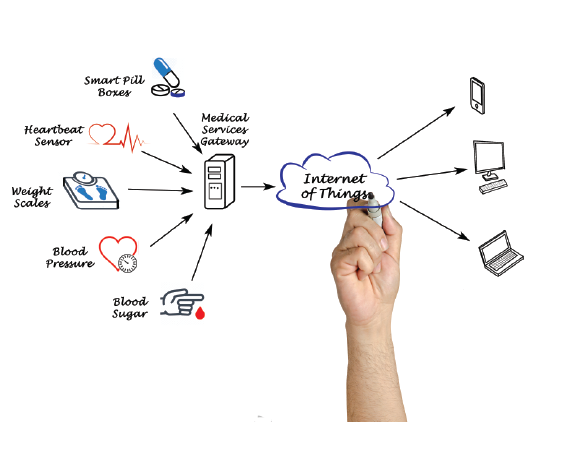
According to Betten, there are some things that could help organizations prepare for the future.
- Looking back – According to Betten, a historical perspective can go a long way. He says, “I would argue that a lot of medical connectivity started in the late 80s and 90s. Looking back to this time period can give useful perspective in understanding what is happening in with IoT in healthcare.”
Back then there was always the urge to digitize radiology-based imaging, but there were obviously technological and standard based obstructions for it. But in the later 90s, there were several manufacturers that came up with several methods for the same purpose and in 1997, the New York Times finally declared that digital x-ray systems were beginning to replace film-based x-rays. This was because of the DICOM standard, which evolved from the ACR/NEMA 300 standard finalized in 1985. Before the standard, all radiology images used to be disconnected. But with DICOM, images could be shared worldwide, they could be duplicated and machines from different manufactures could communicate. Other devices, such as blood pressure cuffs and oximeters, have also been advanced because of such support from the standards.
Hence, Betten says that the first lesson of the IoT is interoperability. - Value proposition – Betten feels that there is definitely a need to study the value proposition of integrating IoT into medical devices and also the entire IoT healthcare landscape, to understand how much money is being spent on using the technology for different applications. There is a need to determine the exact utility of using the technology and not just the benefits.
Although there is a lack of sufficient data supporting this fact, the most money is likely to be spent on taking care of the chronically ill. Forbes in January of 2013 had stated that 5% of the sick population is responsible for 50% health care costs. Betten feels that utilizing the IoT to bring down these figures and make the treatment of chronic diseases much more effective and efficient could be a possible investment. - Questions – As with any technology, there may be a dozen promises on the benefits of using it, but there is a need to consider the physical, social, economic and political environments as well before going ahead. When EMRs came, they had the promise of an annual savings of $81 billion annually, but in reality, they actually failed to bring down the healthcare costs. It was not a technological problem though.
Any technology like the IoT, as well as, the EMR may have great potential, but the fact remains that they may not be able to deliver the said promises because of other factors like the ones mentioned above.
The strategy needs to be thought out well and hard before deploying any solutions, considering all possible factors that can influence productivity and efficiency.
Security concerns also need to be addressed, as these days, along with the growth of technology is also the growth of ways to break in. Financial institutions are looking for advanced ways to protect the customer’s money and so are hackers for utilizing identity theft to steal important data. Medical-related data always forms a huge part of such important confidential information as they can lead to Social Security Numbers and the like. Hence, it is extremely important to use high level security features with IoT.
“For the IoT to be meaningful, you need interoperability, security and a reason for putting it together. And a knack at coming up with good answers to tough questions.”-
Betten
Stay up to date on what's new
About the Author
Featured Blogs
Stay up to date on
what's new
Talk To Our Experts