Category: Enterprise Software
Big is not always beautiful, at least in the realm of enterprise software. Enterprises are increasingly finding the enterprise software behemoths they have painstakingly built up over the years a big liability in today’s business environment, which values nimbleness and flexibility.
The conventional top-down approach to developing enterprise software lumps together all functionality into a single process, and replicate it on multiple servers. More often than not such systems become bloated and unwieldy with every update. Apart from the bloat, even a small change to the system requires updating and re-deploying the server-side application, causing disruption that can wreak havoc in today’s fast-paced digital world.
Amazon took the lead to break down its large monolith system and deconstruct it into microservices. Netflix followed suit soon, rolling out an agile model that deconstructed its behemoth software stack, to keep up with two million daily API requests in a highly efficient manner. Soon the trickle became a deluge, with companies such as eBay, Google, Uber, and thousands of smaller companies adopting microservices in a big way.
What exactly is a Microservice?
Microservice is breaking down application development into compartments of small services. Each service comes with its own process, and use lightweight mechanisms such as an HTTP resource API for communication. The services are deployable, independently or tied together in a modular architecture. Each application comes with its own domain logic. It receives a request, and apply logic as appropriate, to generate a response. The process is usually choreographed using simple RESTish protocols.
Unlike libraries, which are components linked into a program and called using in-memory function calls, services are out-of-process components, which communicate with a mechanism such as a web service request, or remote procedure call. The use of services as components, instead of libraries, enables independent deployment.
Microservices are loosely coupled yet form a cohesive whole, creating a more robust and reliable system. The loose coupling improves cohesion as the more interdependent or coupled the system’s parts, the difficult it is to use, test, and maintain.
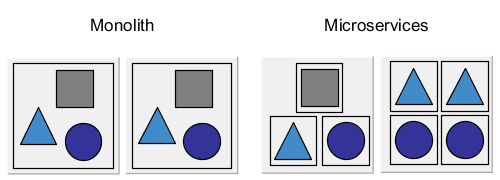
The atomic nature of micro services make it ideally suited to deploy to perform a single operation on a back-end system, such as retrieving a transaction history pertaining to a customer, verifying a person’s credit score, and more. Microservices may also coexist with the traditional monolith architecture. A good illustration is the Guardian website, originally designed as a monolith and now gradually evolving in a micro service direction. While the core of the website is still monolith, the addition of new features is by building micro services, using the API. Such an approach best suits temporary and fast changing requirements, such as sporting events, In such situations, rapid development languages may be deployed to put together a web page or component, on the fly.
Unlike earlier avatars of service based models such as Service Oriented Architecture (SOA), microservices are more granular, keeping protocols lightweight for fast and easy communication.
How do Microservers Make a Difference?
Microservices bring in nimbleness. Instead of single complex, unwieldy, and bloated behemoth system trying to do too many things at once, an array of small services seamlessly integrates multiple systems in a nimble and resilient manner. Such an approach perfectly gels into the world where immediacy and perfect functionality are considered basic requirements.
Since microservices breaks down functionality to a near atomic level and abstracts it, development teams can focus on maintaining or updating only the relevant services, doing away with the painful and time-consuming process of integration associated with monolithic applications. Since each service operates independently from all others, a failure of any service does not break the entire system. The problematic unit simply blows out while everything else functions as usual. The development process, which hitherto took weeks, can now be completed in just a few weeks. Also, businesses may add new features and functionality easily, without causing downtime to the system.
Microservices also allow retaining the focus on business processes. When building large processes, the focus generally tends to veer towards the technical layer, and in the process, the optimal business process takes a backseat. The flexibility of micro services also makes it very easy to make changes to the process, as required.
Yet another advantage of microservices is the incredible flexibility on offer. Microservices are free agents, not tied to any specific language or platform. Developers may choose whatever framework that catches their fancy, rather than stick to one-size-fits-all standards such as XML or SOAP. The developer has an option, for instance, to use Node.js to generate a simple reports page, and shift to C++ for a particularly gnarly near-real-time component.
Microservices are easy to build and deploy as well. It relies primarily on the popular JSON/REST interface, and offer straightforward authentication using HTTP, OAuth or other easy-to-use API keys. The optimal use of microservices results in highly efficient use of code, and reduction of the quantum of infrastructure required to run the application by as much as 50%.
The extreme nimbleness of micro services makes it the default model for building enterprise applications. However, enterprises still need to develop an efficient system out, and partnering with an established and experienced provider makes all the difference. We have at our disposal both a highly efficient and experienced team and the latest cutting edge tools to deliver highly nimble, flexible, and powerful enterprise software that provides your enterprise with the dynamism it deserves.
Stay up to date on what's new

About the Author

Featured Blogs








Stay up to date on
what's new



Talk To Our Experts
The only constant thing in today’s world is change. Enterprise software is likewise going through a major churn, to reflect changes in the wider ecosystem.
Until not too long ago, enterprise software development took a rigid and predictable model of requisitioning-requirements gathering-code writing-testing-delivery. The end product, which often took months or even years to develop, was delivered through desktops and laptops. Many enterprises, risk-averse as they are, stuck on to such time-tested formulas. However, the times they are a-changing and enterprises soon began to find out the hard way that who do not change inevitably find themselves “drenched to the bone,” if they aren’t already.
1. Enterprise Software is Becoming Lean, Mean, and Fast
Competitive pressures force today’s businesses to become lean and mean. The fast-paced business environment also raises the need for speed. Businesses are now hard-pressed to take decisions, to take advantage of an opportunity during the short window while it lasts. Likewise, businesses have no option but to be flexible and agile, to seize opportunities in the way it comes, and to please highly demanding customers. Unless the enterprise software, on which business processes and workflows run, are itself is not agile and seamless, businesses cannot position itself to be agile.
Today’s enterprise software seeks to leverage the power of simplicity. However, the need to deliver a simple front end, while ensuring the software is power-packed, often results in a complex backend. The wide range of emerging technologies both in the development and delivery process facilitates the reconciliation. A case in point is the emerging Docker technology that enables developers to create code that can run in their own containers, making the apps nimble.
Today’s enterprise software users are also far less tolerant of bugs and inefficiencies in software applications, and expect developers to implement fixes, and roll out updates rapidly.
2. Functional Programming is Gaining Centrestage
The high velocity of change forces IT leaders to innovate. One innovation that has caught on and now become the norm is functional programming. Many enterprises now build several small software components using functional components, and then architecture systems out of many such small software components
With the focus on speed and ease, enterprise apps are now becoming highly focused, including only what is really required, doing away with the frivolous. Instead of a single bloated one-size-fits-all enterprise app or software, enterprises are developing specific apps for specific functions. Tying the different front end apps together is a cloud-based backend and database, to which the apps sync seamlessly.
There is a new approach to the nature and structure of coding enterprise software as well. Developers are also abandoning the lengthy process of collecting specs and rather going ahead with a project through a new Minimum Viable Product (MVP) approach. The MVP may be regarded as a “lite” version of a feature concept, requiring just a fraction of the time that it takes to build the full feature. After releasing the MVP product and gathering feedback, developers upgrade it to a full blown version.
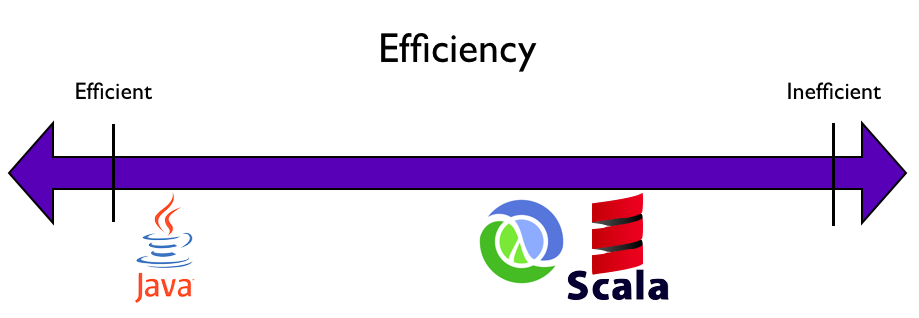
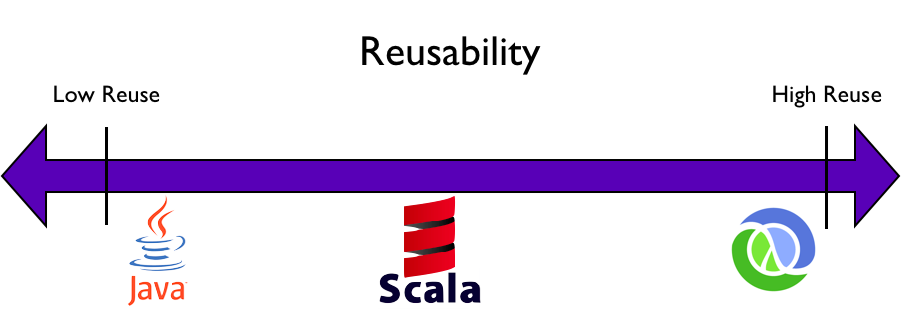
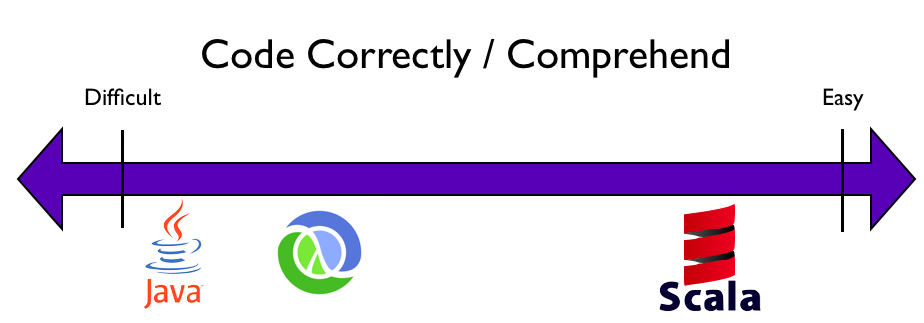
Time tested procedural programming languages such as C and Java still retain their dominance, but new functional programming languages such as Scala, Erlang and Clojure,noted for the power, are fast gaining ground.

3. The Rise of Collaboration
Enterprise software is increasingly becoming business driven by business users, rather than tech-heavy. While hitherto businesses adjusted their processes according to what the tech team dished out, today business managers are key stakeholders in the development process.
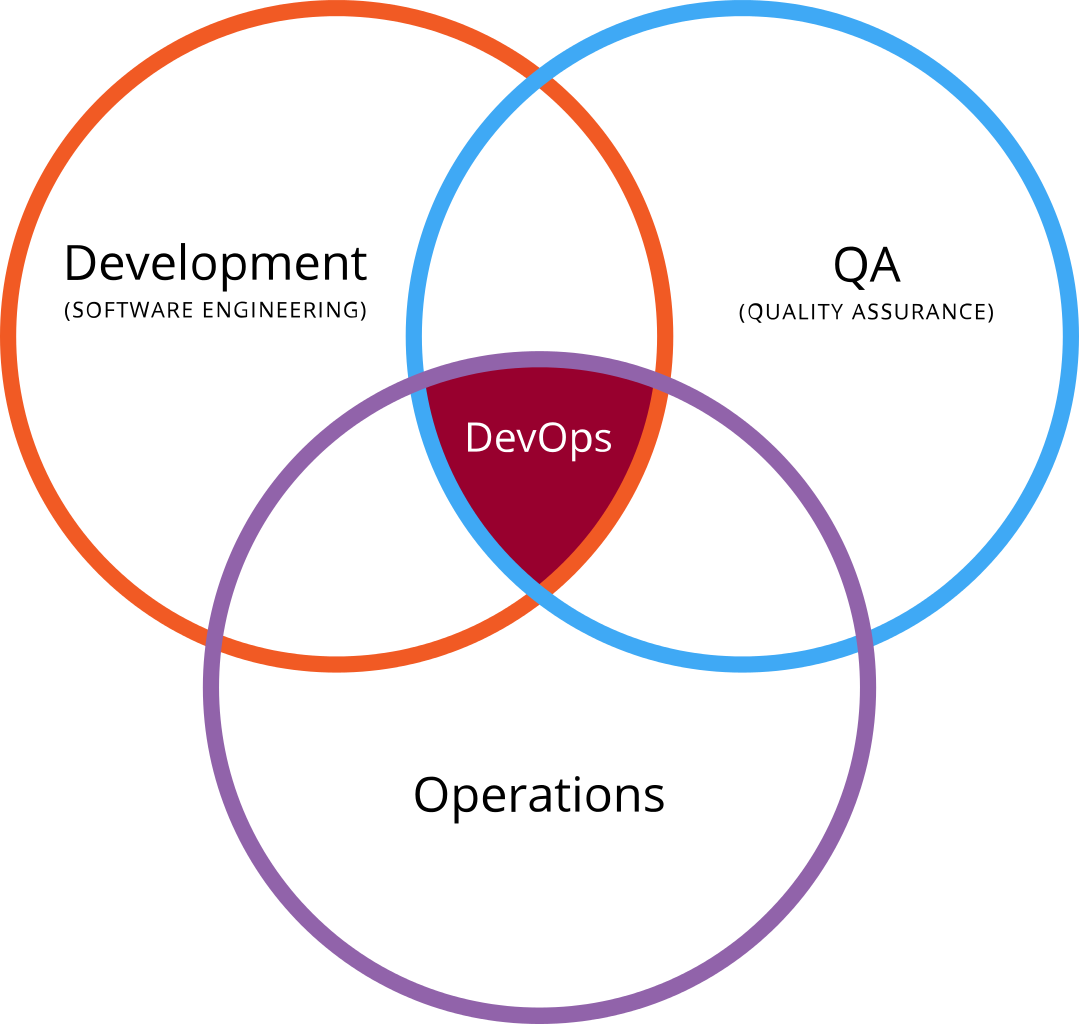
A trend fast gaining ground is DevOps, a spin-off from the time-tested agile and lean methods of software delivery. DevOps basically entails bringing together a cross-disciplinary community, who build and evolve highly flexible and resilient systems. The different stakeholders associated with enterprise software, including coders, operations engineers, managers, and others come together and involve in all stages of application development, right from design to testing.
4. Enterprise Software is Becoming Analytic Heavy
Today’s businesses are increasingly becoming data driven, and facilitating the trend is big developments in deep learning and analytical capabilities.
Most enterprise software today come with built-in analytic capabilities that allow users to scour available data and generate customized reports, on-the-fly. Technologies such as Apache Spark enable businesses to develop machine learning capabilities more easily than before.
However, the successful application of analytics to crunch data requires contextual analytics. In other words, enterprise software developers need to ensure the application of analytics to data is based on a deep contextual understanding of what is relevant. Human judgment may work in some ad-hoc cases, but has its limitations, and in any case, impedes seamless operations. There is no workaround to develop a working contextual awareness model for data analytics.
5. The Cloud, Mobility, and Security
The two big changes in recent times, the cloud and mobility have its impact on enterprise software as well. While some enterprises still run enterprise software applications on in-house servers, more and more enterprises are migrating to the cloud, and opting for the SaaS model. SaaS ensures greater flexibility, anytime, anywhere availability, and lesser total cost of operations (TCO.) SaaS also facilitates mobility, or delivery of enterprise apps through mobile apps, which is now indispensable considering the prevalence of a highly mobile workforce and the need to remain connected at all times.
However, the cloud, the mobility, and the Bring your own device (BYOD) programs raise the stakes of security. Enterprise software developers are smartly but slowly realizing the need to develop robust code and plug vulnerabilities that prevent debilitating attacks from malicious intruders, both internal and external, out to steal confidential data, intellectual property, and trade secrets.
Enterprise software development is now evolving into a continuous process, a distinct shift from a one-off project approach. In this constant battle to stay relevant and stay secure, your in-house IT teams, who has more pressing priorities, is sure to be swamped. Partner with us if you want to leverage the skill sets of our highly talented and resourceful team of developers, backed up by our experience in delivering hundreds of powerful and customized enterprise apps.
Stay up to date on what's new
About the Author
Featured Blogs
Stay up to date on
what's new