SAP EWM Implementation: Strategizing a Roadmap to Success

Warehouse operations are no longer predictable environments. Order patterns shift without warning. SKU volumes expand continuously. Fulfillment timelines shrink.
Most warehouse systems were not built for this level of volatility. They process transactions in batches, rely on manual coordination between teams, and respond after issues occur.

This creates a chain reaction. Inventory records drift from reality, orders queue up, and exceptions multiply. At scale, these are not minor inefficiencies.

They affect revenue, customer commitments, and operating margins.
Enterprises are addressing this by treating warehouse execution as a controlled system. Not an operational afterthought.

This is where SAP EWM implementation becomes a strategic choice. It implements system-driven execution, maintains process consistency, and synchronizes warehouse operations with real-time demand.

How Does SAP EWM Improve Warehouse Operations?

Most warehouses already run on systems. The issue is not system presence. It is execution control. SAP EWM deals with this matter directly. It substitutes disjointed workflows with rule-driven, real-time process implementation.

At the functional level, it addresses:

  •  Inventory inconsistencies across locations
  • Inefficient picking and replenishment sequences
  • Delays caused by batch updates
  • Weak coordination between the warehouse and transportation
  • Overreliance on manual decisions during peak loads

When processes rely excessively on human intervention, it might undermine operational efficiency. SAP EWM changes that. It moves decisions into the system. Tasks are generated, prioritized, and confirmed in real time. The impact shows up faster.

Inventory stays accurate. Every movement is tracked at the bin level. Order cycles shrink, and the next step moves automatically. Labor becomes sharper, and work is assigned by logic, not instinct.

Core Architecture and Execution Model

If you want to grasp how SAP EWM brings that level of control, you need to first see how it actually runs behind the scenes.

It can operate embedded within SAP S/4HANA for tight integration, or as a decentralized system for greater flexibility. The choice comes down to your architecture strategy and how your systems need to connect.

Execution is structured across three layers:

  1. Warehouse Structure Layer
    Defines the physical layout. That includes storage types, bins, and activity areas. This is where digital design meets physical movement.
  2. Process Control Layer
    Defines how work flows. Inbound, outbound, and internal processes are governed by rules, not individual decisions.
  3. Execution Layer
    Creates and confirms tasks in real time. Exceptions are visible immediately and can be resolved without delay.

This layered structure enforces consistency. Integration extends this control beyond the warehouse. SAP EWM connects with ERP, transportation systems, and automation platforms. The warehouse then becomes part of a synchronized execution environment.

A precise SAP EWM implementation ensures that system logic reflects how operations actually run. If it does not, the system exposes the gap immediately.

Discover Growth Opportunities With Extended Warehouse Management

Explore Now!

Use Cases and a Real-World Scenario

SAP EWM proves its value in environments where execution cannot fail under pressure.

sap ewm implementation

Now, imagine a regional distribution company managing over 25,000 SKUs was dealing with picking errors and delayed shipments. On reports, things looked stable. On the warehouse floor, the picture was different.

Their legacy system updated inventory in batches every few hours. Although that was meant to work, they run into problems. During peak periods, there is a gap between system records and actual stock. Items shown as available in the system are frequently missing from their designated bins. These were probably already picked, misplaced, or simply never updated.

When inventory data loses credibility, operations stall. Orders are not delayed because the stock is absent. They are delayed because the system can not confirm where it actually is. Fulfillment now comes to a crawl.

If a structured SAP EWM were implemented, inventory updates would move in real-time. Picking tasks would become system-driven and sequenced based on location and priority.

Within the first quarter post-deployment:

  • Picking errors should reduce significantly
  • Order processing time improves across peak windows
  • Manual interventions drop as task allocation becomes automated

No change in workforce size, only a change in execution control.

Key Steps in SAP EWM Implementation

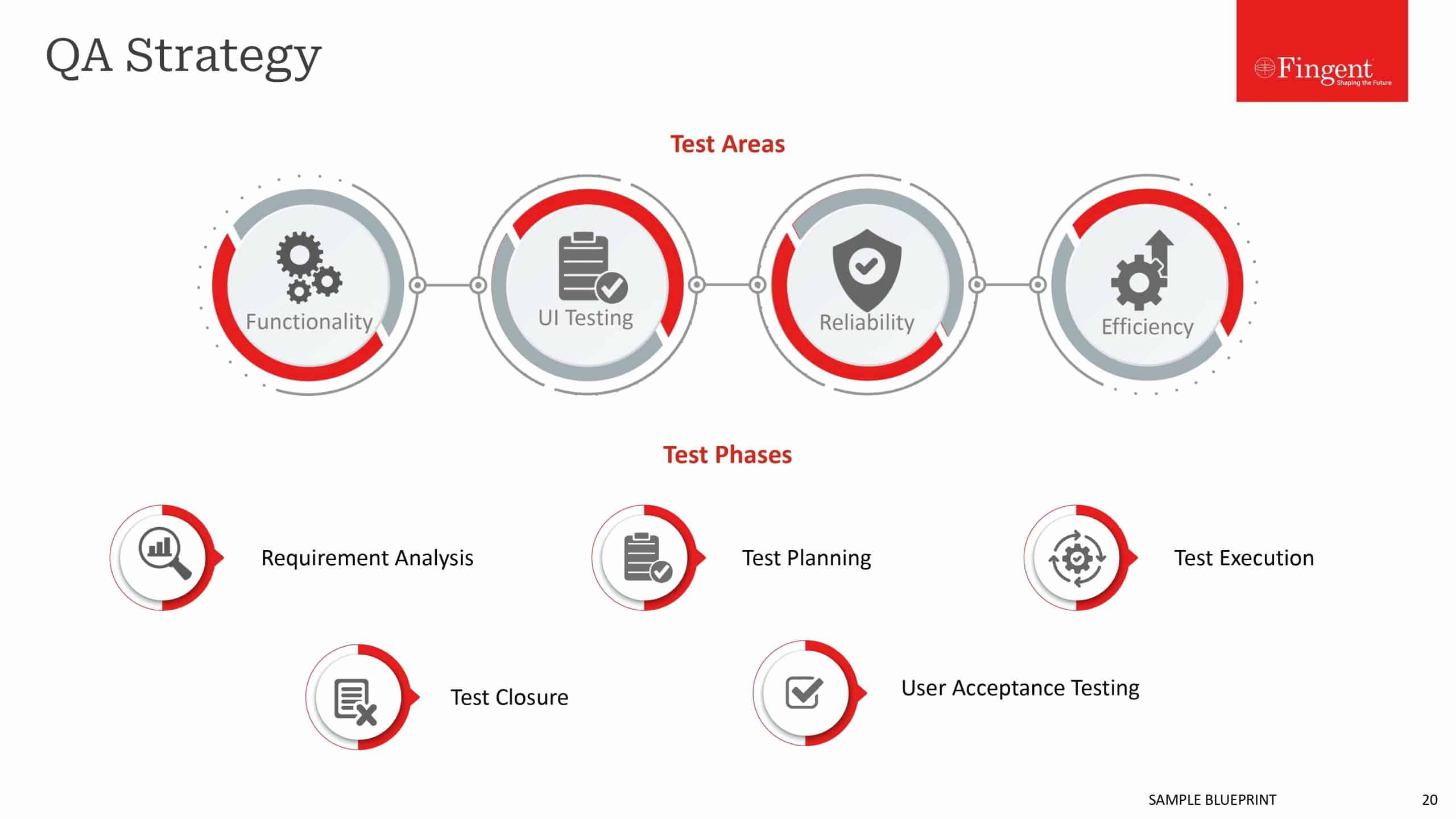
Strong outcomes depend on execution discipline. A structured SAP EWM implementation avoids reactive fixes after go-live. Here are the steps that ensure this:

sap ewm implementation Infographic

What are the Challenges of SAP EWM Implementation & How to Address Them?

Most implementation risks are known in advance. The difference lies in preparation. A well-planned SAP EWM doesn’t remove challenges. It stops them from becoming crises.

Challenge 1: Legacy System Integration

Legacy ERP and warehouse systems were not built for real-time integration. Even decentralized scenarios of existing SAP systems could pose a challenge and lead to data gaps and process breakdowns. As a result, data falls out of sync, and once that happens, processes begin to fail.

Response: Define integration architecture early. Use middleware to standardize communication and ensure data moves between systems without manual intervention.

Challenge 2: Data Quality Issues and inconsistent data lead to incorrect task execution.

Migration of huge amounts of data has its own set of problems. Errors in master data, such as bin locations or stock quantities, surface immediately once the system goes live. Mapping old data structures to the standard format required by SAP and ensuring that there is seamless data flow is often a challenge.

Response: Establish data governance.

Run multiple validation cycles before migration to catch and correct discrepancies before they reach the warehouse floor.

Challenge 3: User Resistance

Users revert to manual processes when the system gets in their way. Used to doing it manually, they might see any glitch or slowdown as a hindrance rather than as a solution.

Response: Train using real workflows. Ensure interfaces support quick execution so users see the system as an aid, not an obstacle.

Challenge 4: Operational Disruption During Transition

Go-live impacts daily operations if not controlled. Even teams that are well-prepared encounter unforeseen obstacles. This could especially happen when live volumes are introduced to a new system for the first time.

Response: Implement a gradual rollout. Keep contingency plans in place, well-prepared teams, and oversee implementation in real time to identify and address problems before they worsen.

How the Right SAP Partner Drives Execution Success

Implementation succeeds when system design accurately reflects how operations actually run. The ideal partner provides organization and responsibility in these ways:

  • Proven delivery frameworks
  • Deep understanding of warehouse processes
  • Integration expertise across systems
  • Strong change management capability

They identify gaps early. They resolve them before they affect execution. Without this,  implementation becomes reactive. With it, execution remains controlled from design through deployment. 

Unlock True Potential of EWM Public Cloud Align Your SAP EWM Implementation With Your Business Goals

Talk To Us Now!

FAQs

Q. How long does SAP EWM implementation take?

A. The warehouse’s complexity and level of integration influence deadlines. Typically, mid-sized projects require six to nine months to complete. Extensive deployments across multiple sites may require over a year. Delays are usually attributed to data preparedness and process synchronization rather than system configuration.

Q. How do you choose between embedded and decentralized EWM?

A. Embedded EWM operates within SAP S/4HANA and is ideal for enterprises merging their systems. Decentralized EWM brings flexibility where complexity lives. Choose it only if it fits your long-term architecture.

Q. How does SAP EWM improve inventory accuracy?

A. It monitors stock at the bin level and logs each movement in real time. This means no estimation or waiting for daily summaries. The result? What the system shows is what’s actually on the shelf.
It removes the usual suspects behind inventory errors, delayed updates, and manual reconciliation. In batch-based systems, mistakes sit quietly until someone goes looking. In SAP EWM, they don’t get that chance.

Q. What are the main risks during implementation?

A. The biggest risks are surprisingly ordinary: poor data quality, weak process design, and half-baked testing. Just the kind of basics people assume will “sort themselves out.”

In fact, they don’t.

These issues show up fast after go-live, and when they do, operations feel it immediately. What looked fine on paper suddenly slows down the warehouse floor. Fixing them early is not optional. It is the difference between a smooth rollout and daily firefighting.

Q. Can SAP EWM integrate with warehouse automation systems?

A. Yes. It connects with conveyors, automated storage solutions, and robotics via specified interfaces. This enables seamless coordination between system-driven processes and physical warehouse activity.

Q. How can organizations ensure user adoption?

A. Adoption depends on usability and relevance. Training must reflect real tasks. Users should practice in controlled environments before go-live. Post-deployment monitoring ensures that system processes are consistently followed.

How Fingent Can Help

Fingent approaches SAP EWM implementation with a clear focus on execution.

  • Structured delivery methodology
  • Deep SAP and supply chain expertise
  • Strong integration capabilities
  • Industry-aligned solutions

Our objective is straightforward: Deliver stable systems. Enable predictable execution.

Warehouse operations do not fail suddenly. They degrade over time when control is weak. SAP EWM introduces structure, visibility, and execution discipline.
But the outcome depends on how it is implemented.

Our well-executed SAP EWM implementation creates stable, scalable warehouse operations that hold under pressure.

Let us help you strengthen execution, not absorb inefficiency.

Stay up to date on what's new

    About the Author

    ...
    Ashok Kumar

    Ashok leads Fingent’s SAP Consulting practice for ANZ, SE Asia, The Middle East and Africa (EMEA), and other global clients. More specifically, he helps companies improve operational efficiency by enhancing their digital cores and improving their application integration. Ashok has amassed over 20 years of leadership and consulting experience having worked with Global giants like SAP, IBM Consulting, Capgemini, & Oracle in his previous assignments. Connect with Ashok via LinkedIn and learn how your business can excel with recent SAP trends.

    Recommended Posts

    generative AI with SAP

    24 Feb 2026 B2B

    Generative AI with SAP: Transforming Intelligent Enterprises

    Enterprises are drowning in data, but still starve for clarity. Not because the data is missing. Because insight does not emerge automatically from systems, even very good ones. This is……
    SAP EWM for SAP S/4HANA Cloud private edition

    20 Jan 2026 B2B

    Why Businesses Must Consider SAP EWM For SAP S/4HANA Cloud Private Edition?

    Warehousing has changed radically. Next-day delivery is no longer impressive—it’s assumed. And 95% inventory accuracy? That’s not “good enough” anymore. That’s leakage.  As the traditional LE-WM (Logistics Execution – Warehouse……

    sap ariba procurement

    21 Nov 2025 B2B

    Powering Up Procurements with SAP Ariba

    Procurement isn’t back‐office drudgery anymore. It’s a strategic powerhouse. It drives savings. It sparks innovation. It can even transform how companies compete. Imagine procurement as your supply‐chain engine. If it’s……

    SAP AI for Finance

    23 Oct 2025 B2B

    SAP AI for Finance: Accelerating Business Efficiency, Accuracy, and Growth

    SAP AI for Finance – it had to happen, and it is reshaping the course and trajectory of the finance world. Streamlining processes is easier. Manual effort and errors are……

    Talk To Our Experts

      ×