Tag: Cloud computing
InfinCE to Sponsor a virtual conference organized by the Digital Workplace Experience!
It is no doubt that the spur in remote working culture, posed by the COVID19 pandemic has disrupted the smooth functioning of businesses worldwide. With an aim to help companies overcome such challenges and still unlock new opportunities within this realm, Digital Workplace Experience is organizing a series of virtual conferences for enterprises worldwide, from the 11th of February, 2021. InfinCE, the flagship product of Fingent top software development company, is the keynote sponsor of the conference!
The event promises inspiring talks from innovative and well known Business Thought Leaders, giving away tips and secrets of predicting challenges before they occur. InfinCE will also exhibit its virtual booth to illuminate business leaders with technology that enhances collaboration, communication, data security, as well as eliminate the many challenges prevailing in today’s business world.
The conference aims to bring together thousands of enterprise executives to share their real-world company culture, employee experience, and digital workplace platform challenges. Business leaders from across the globe are welcome to attend the series of events which includes talks, in-depth workshops, insights into the world’s best digital workplaces, and candid case studies to enhance business leadership qualities and skillsets.
Digital Workplace Experience is gathering together the world’s most influential companies and intelligent workplace leaders to sponsor the events. InfinCE, which is an infinite cloud platform, aims at simplifying remote work with upbeat technologies. Sharing the similar objective of assisting businesses from around the globe with a unified business management platform that redefines how office-work tech is provisioned for today’s business, InfinCE is honored to be a part of this virtual conference as the keynote sponsor.
Watch more on how InfinCE equips business owners and employees with next-gen cloud technology!
About InfinCE
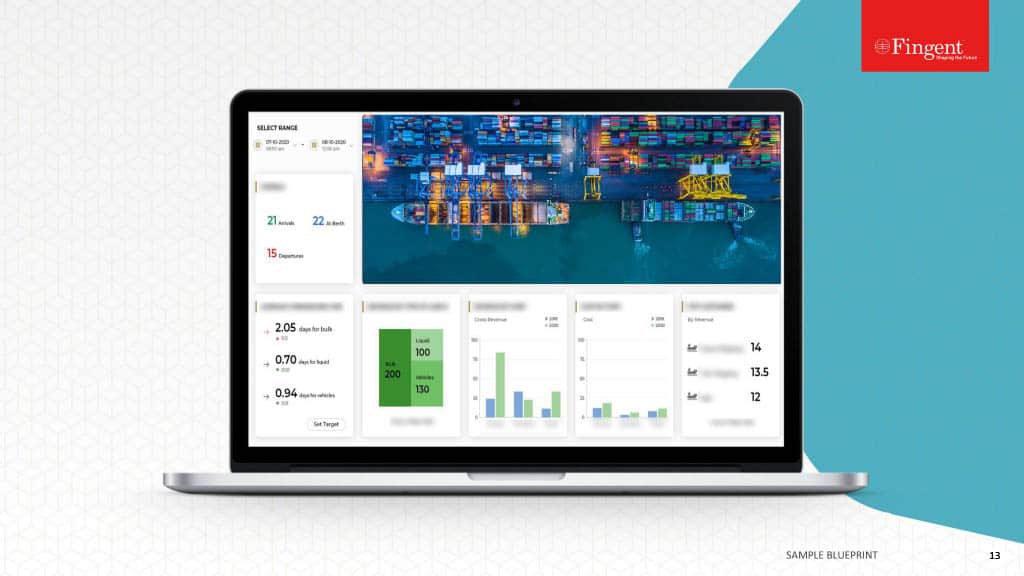
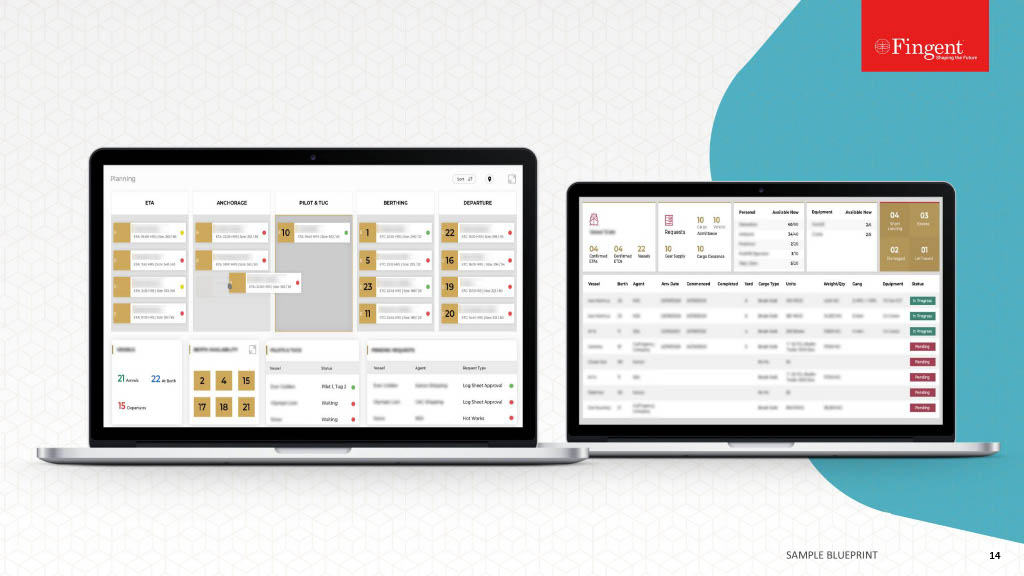
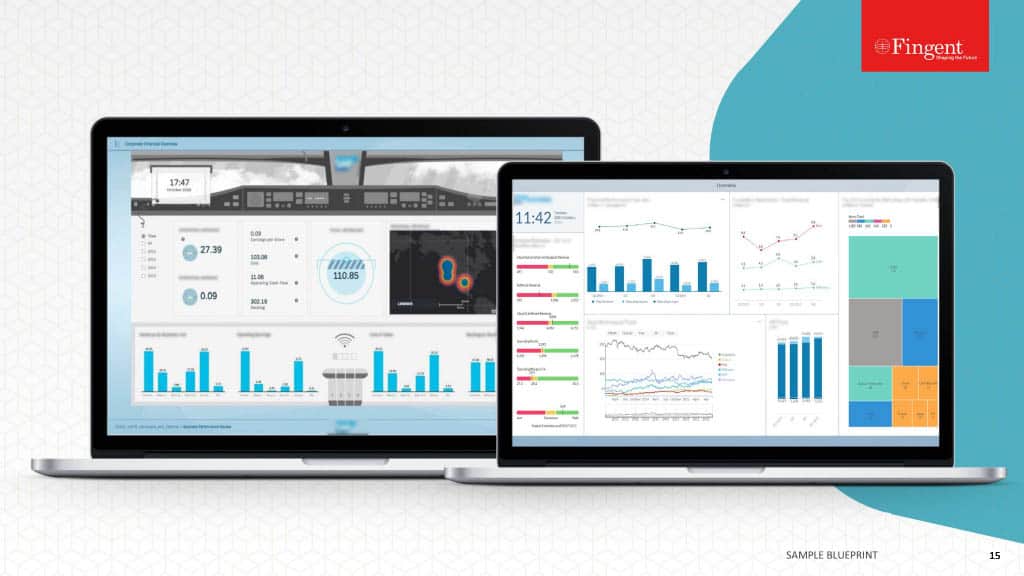
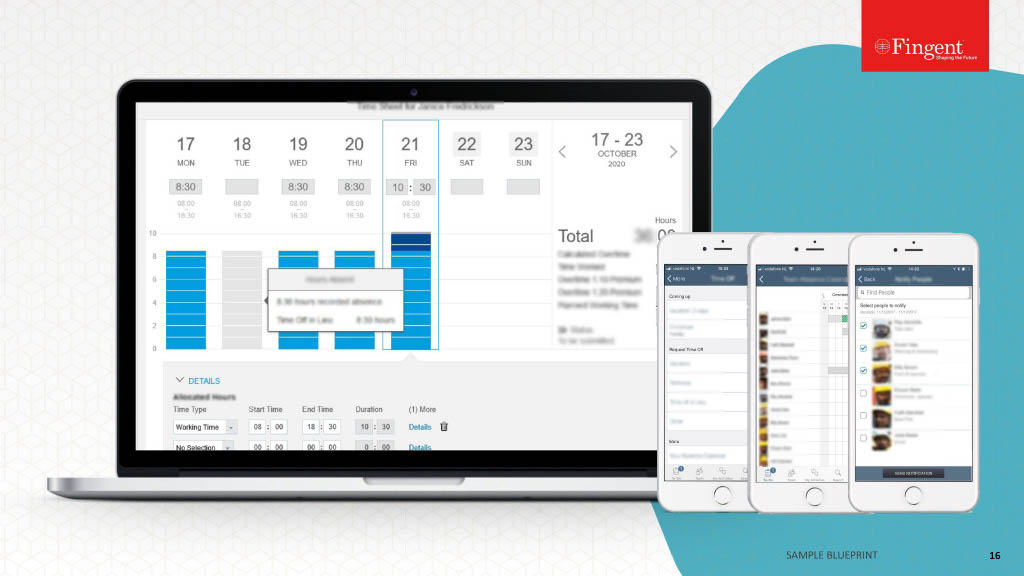
InfinCE is an all-in-one collaboration platform that redefines the enterprise cloud by bringing together all the IT resources needed for an organization and its workforce to operate from anywhere. InfinCE offers customizable dashboards with smart tiles for data visualization, a full complement of collaboration apps and productivity tools, and a curated business app marketplace. It also lets business owners control their information assets through a single admin panel, with minimal effort. The platform also offers customizable websites, business emails, a company-branded mobile app, and more, delivering a competitive edge to business users.
Stay up to date on what's new

About the Author

Featured Blogs








Stay up to date on
what's new



Talk To Our Experts

Cloud security threats: How to protect your data and mitigate risks?
Be it Google G-Suite, Dropbox, Adobe, Salesforce, or Microsoft Office 365, almost every business uses cloud services for their critical business requirements. Despite its rapid growth, cloud computing brings the possibility of severe security threats that can drastically affect an organization. According to Cybersecurity Ventures, cybercrime damages might hit $6 trillion by 2021. 1 out of 4 will experience a data breach, and on average, businesses are investing about $7.2 million on security breaches. These figures prove how devastating security threats can be if they are left unchecked.
While cloud systems, applications, and networks are not located within your control physically, the security responsibility and risk mitigation are definitely within your control.
Some of the latest security threats to cloud data management include:
- Phishing attacks
- Ransomware attacks
- Insider threats
- Asynchronous procedure calls
- Distributed Denial of Service Attacks (DDoS)
- Uneven security gaps
Why is cloud security important?
While cloud service providers protect your data, they can’t protect your data when it leaves the cloud to interact with other systems.
Cloud security is essential to protect your data as well as the integrity of your business. According to a survey, 60% of breaches occur at patches that are available but not applied. You will need a team to continually monitor potential security threats to ensure that your cloud infrastructure is always up-to-date.
Regardless of your organization’s size, it would be best to implement strong network security services to protect your organizational and customer data.
Read more: Why It’s Time to Embrace Cloud and Mobility Trends To Recession-Proof Your Business?
Six ways to protect your data and monitor your cloud environment
1. Set-up multi-factor authentication (MFA)
Stolen credentials make it easy for hackers to access your business data and applications is to steal your credentials. The combination of complex usernames and passwords alone is not sufficient to secure your user accounts from hackers.
So, protect your cloud users with two-factor authentication or multi-factor authentication to ensure only authorized people can access your cloud apps and have access to sensitive information.
Deploying multi-factor authentication is an effective way to keep potential hackers from accessing your cloud applications. Most security experts believe that it is mandatory to implement MFA as it is also one of the cheapest security controls an organization can have.
2. Assign access controls
Not all your employees need to have access to every file, application, or data. By setting up proper authorization levels, each employee can only view or access applications or data required to complete their job.
Assigning access controls will ensure that your employees don’t edit any information accidentally that they are not authorized to access. Additionally, it will also protect you from hackers who have hacked an employee’s credentials.
3. Leverage automation to monitor, log and analyze user activities
Real-time monitoring and user activity analysis can help you identify any irregularities or abnormal moves that are not part of your regular usage patterns. For example, log in from an unknown IP or device.
Such irregularities could indicate a breach in your system, so it is essential to identify them early on to prevent hackers from hacking your system and help you resolve any security issues before they wreak havoc with your security system.
You can leverage data protection solutions to automate the process and support 24/7 monitoring and management.
Note: Every business has different needs for different levels of security services, so you may consider getting a third-party risk assessment before making significant investments. At Fingent top custom software development company, we identify and evaluate any loopholes in your current infrastructure and provide you with apt cloud infrastructure solutions using our unique approach.
Read more: Cloud Service Models Saas, IaaS, Paas – Choose the Right One for Your Business
4. Provide anti-phishing training to your employees
Small Business Trends reports that 1 in every 99 emails is a phishing attack, which amounts to 4.8 emails per employee in a five-day workweek.
Hackers can easily steal employees’ login credentials to gain access to secure information via phishing. In this kind of social engineering attack, the attacker sends fraudulent emails, texts, or websites to trick the victim into sharing access to sensitive information. Providing ongoing training to your employees to recognize a phishing attempt is the best way to prevent employees from falling prey to such scams.
5. Create a comprehensive off-boarding process for departing employees
Ensure that your departing employees no longer have access to your cloud storage, data, systems, customer data, and intellectual properties.
As every employee is likely to have access to different cloud applications and platforms, you need to set up a process that will ensure all the access rights for departing employees are revoked. If you can’t manage this internally, you may consider outsourcing this task to a credible vendor.
Learn more: Take a look at how InfinCE, an infinite cloud platform, ensures secured work-collaboration within an organization, and helps enhance company efficiency & growth!
6. Cloud-to-cloud backup solutions
There is no doubt that there are legitimate risks associated with any cloud application or platform. However, the odds of you losing data due to your cloud provider’s error is low compared to human error.
Say, an employee deletes your data accidentally, and a hacker obtains the account password and corrupts the information, or an employee clears her inbox and folders. In such cases, cloud providers can do nothing much past a specific period. Most cloud providers store deleted data only for a short time.
You can check with your cloud provider about the time frame and whether they charge any fees to restore the data. If your company must abide by strict regulations or be concerned about being liable for corrupted data, you can consider cloud-to-cloud back-up solutions.
Read more: Cloud Migration Strategy: 7 Steps to Accomplish a Flawless Transition
What Next?
There’s no denying that cloud computing is one of the most cost-effective options to maintain a high level of security for your sensitive data. At Fingent, our experts can help design a comprehensive cloud computing strategy that will help achieve your business objectives and provide you with ongoing management to keep your data protected. Contact us now and get started.
Stay up to date on what's new
About the Author

Tony Joseph

Tony believes in building technology around processes, rather than building processes around technology. At Fingent, he specializes in custom software development, especially in analyzing processes, refining them, and then building technology around it. He works with clients on a daily basis to understand and analyze their operational structure, discover (and not invent) key improvement areas, and come up with technology solutions to deliver an efficient process. You can reach him at [email protected], Skype: tony_fingent
Featured Blogs
Stay up to date on
what's new
Talk To Our Experts
How Can Your Business Benefit from Fog Computing?
How much data do we create every day? The World Economic Forum reports that the entire digital world is expected to reach 44 zettabytes by 2020. So, each day, we witness the colossal growth of data and this pace is only increasing with the growth of IoT. The agility and flexibility of big data applications are the foundation of the Internet of Things (IoT). The escalation of IoT has resulted in an increased volume of digitally generated data and managing that data has become a major challenge. This has led to the emergence of fog computing – an answer to the new challenges of computing technologies.
Read more: Gearing up for IoT in 2020
Defogging The Term Fog Computing
Let us start by defining it.
What is fog computing?
Fog computing is a decentralized computing infrastructure in which computing resources such as data, computers, storage, and applications are located between the data source and the cloud. This term refers to a new breed of applications and services related to data management and analysis.
According to Mung Chiang, Dean of the Purdue University, “fog provides the missing link for what data needs to be pushed to the cloud, and what can be analyzed locally, at the edge.” In simple terms, fog computing is a distributed network fabric that stretches from the outer edges of data creation to the point of storage.
Are fog computing and edge computing the same?
Edge computing is a subset or a component of fog computing. For example, if fog computing is compared to a basket of various fruits, edge computing would be one fruit from a single variety.
Edge computing refers to data being analyzed locally, at the point of creation. Fog computing encapsulates edge processing as well as the network connections required to bring that data from the edge (point of creation) to its endpoint.
Evidently, fog computing and edge computing are complementary.
Difference between fog computing and cloud computing
Just as the literal fog is a cloud closer to the ground, fog computing is stationed as a layer to reduce the latency in hybrid cloud scenarios. Cloud computing forms a comprehensive platform that helps businesses with the power to process important data and generate insights. Fog computing is like the express highway that supplies computing power to IoT devices which are not capable of doing it on their own.
Read more: Hybrid Cloud Infrastructure: How It Benefits Your Business
How Does Fog Computing Work?
Fog computing uses the concept of ‘fog nodes.’ These fog nodes are located closer to the data source and have higher processing and storage capabilities. Fog nodes can process the data far quicker than sending the request to the cloud for centralized processing.
The cloud is getting cluttered due to the enormous number of devices connecting to the internet. Since cloud computing is not viable in some cases, it has become necessary to use fog computing for IoT devices. It can handle the enormous data generated by these devices.
When implemented, fog-empowered devices locally analyze time-critical data that includes alarm status, device status, fault warnings, and so on. This minimizes latency and prevents major damage. Fog computing can effectively reduce the amount of bandwidth required, which in turn speeds up the communication with the cloud and various sensors.
Fog computing example:
If a user with a hand-held device wants to review the latest CCTV footage from a locally positioned IoT security camera, he would need to request the stream from the cloud since the camera does not have storage. This could take a bit of time, which can be eliminated with fog computing, where a local fog node can be accessed for video streaming which is far quicker.
Step-by-step Fog Computing Process:
- Signals are wired from IoT devices to an automation controller which executes a control system program to automate those devices.
- A control system program wires data through a protocol gateway.
- Data is converted into a protocol such as HTTP so that it can be understood easily by internet-based services.
- A fog node collects the data for further analysis.
- It filters the data and saves it for later use.
Read More: Fog Computing: The Catalyst For Efficient Data Processing
Key Takeaways for Your Business
- Increased business agility: It is evident that fog computing is cost-effective because it makes the production of revenue-generating products and services more efficient. It accelerates rollout cycles, broadens revenue bases, and reduces costs.
This revenue stream creates value for IoT fostering highly functioning internal business services. Fog computing also provides a common framework for seamless collaboration and communication helping OT and IT teams to work together to bring cloud capabilities closer.
- Privacy control: Fog computing facilitates better control of privacy because you can process and analyze sensitive data locally instead of sending it to a centralized cloud for analysis. It also enables the IT team to track, monitor, and control any device that collects or stores data.
- Data security: Since fog computing allows you to connect multiple devices to a network, it helps identify threats such as potential hacks, or malware. Additionally, such identified threats can be curbed at the device level without risking the entire network.
The Future is Fog Computing
Fog computing has several advantages over cloud computing. Fog computing can boost usability and accessibility in various computing environments. Soon, cloud computing for IoT may fade away but fog computing will take over. IoT is seeing an impressive growth rate and so it needs a special infrastructure base that can handle all its requirements. Fog computing is the key to accomplish this critical work. Reach out to Fingent, the leading custom software development company, and embark on a transformative journey for your business today.
Stay up to date on what's new
About the Author

Featured Blogs
Stay up to date on
what's new
Talk To Our Experts
How to prepare for IoT in 2025?
In coming years the Internet of Things (IoT) is here to stay. We’re at the cusp of a new era wherein intelligent digital connectivity is a part of our day-to-day lives. Gartner predicts that there will be 25 billion connected devices by 2021. Thus, IoT has made its presence felt across various industries.
Upcoming IoT trends that can shape the business landscape
1. Industrial IoT and Digital Twin technology:
IoT has made manufacturing smart, efficient and less risky. Using digital twin technology, organizations can access the context, structure, and behavior of an asset. Thus, you have the information regarding the past and present state of an asset with an ability to look into the future. Organizations are therefore receiving warning alerts and predictions faster than ever before. Investing in a digital twin can be a part of your IIoT strategy so that after implementing sensors into your machines, you can document their operations and fine-tune them.
2. Computing would be balanced between the cloud and the edge:
While those new to IoT consider cloud as inevitable, high data transmission costs for remote business environments have moved computing to the edge. In many industrial sectors, shifting some analytics intelligence to the edge may prove cost-effective. With edge devices becoming more affordable and centralized infrastructure becoming more stressed, there would be a balance between cloud and edge.
3. Sustainability will become important:
Sustainability efforts have become a key business priority across the globe. The World Economic Forum reports that IoT projects can help to accomplish the UN’s 2030 Agenda for sustainable development. IoT can have a large impact on global sustainability as it connects people and things. IoT can be used to reduce e-waste, promote agricultural sustainability, save energy, protect species, reduce emissions and so on.
How to gear up for the IoT boom in 2024?
While IoT promises attractive growth potential, many companies lack the technical capabilities and know-how to make their IoT projects work. A recent survey found that almost 75% of IoT projects end up as failures. Following are some of the ways in which you can prepare for the IoT surge:
Related Reading: IoT Implementation: Common Mistakes And Strategies To Tackle Them
- Plan Ahead: The major challenges that cause IoT projects to fail are budget overruns, limited internal expertise, long completion times, lack of proper data. All of this boils down to planning. You need to organize your projects, asses your budget needs, calculate the time requirements and assess whether your team has the expertise to handle the project. If you lag on any of these points, it is better to postpone the project rather than not finishing it at all.
- Establish partnerships: Implementing IoT products can be very taxing due to the complex technology involved. The task can become almost unmanageable without a network of partners. You can establish partnerships for technological expertise or data and content delivery. Pioneers like Facebook, Amazon or Google have built entire ecosystems by establishing partnerships with hundreds of thousands of specialized developers.
- Integration: Successful IoT implementation requires robust connectivity, infrastructure, and seamless integration of your enterprise application/ systems with proper third-party wares. Challenges such as integration of the IoT platforms to enterprise applications and integration of edge/ cloud computing devices to the IoT platforms are most prevalent. By forming a strong IoT solution team with IoT architects and other subject matter experts, you can solve challenges across the IoT solution landscape.
- Ramp up the security: Cybersecurity is going to be one of the biggest risks in an increasingly connected world. Since everything that can be connected to the internet is exposed to a security risk, it is critical to secure every connected device. You need to be prepared with a game plan to tackle such types of data breaches. If you find that your business is ill-equipped to meet the security needs of your IoT network, don’t worry; you can always outsource.
Related Reading: The Pros and Cons of Outsourcing Mobile App Development
- Data storage: IoT is all about data. Cisco estimates that IoT devices would generate about 847 zettabytes of data per year by 2021. You can invest in your own local data storage system (which would be expensive) or you can find a cloud storage provider. Edge computing is another possible solution that is preferable over the aforementioned ones. In this system, the data is pushed to the ‘edge’ for quick access and to prevent data overload.
- Be ready to transform: Partnerships are important. But you’ll also have to set up your own software and big data capabilities which are far beyond the existing levels. The team should focus on transforming itself into a technology company that understands the capabilities of IoT. Be responsive and address all concerns that rise up during the course of the project.
- Innovate dynamically: A dynamic operating model requires cooperation. Innovative approaches like hackathons can be used to advance new ideas that meet the market demands of the digital world. Having the courage to take risks is an important part of dynamic product development. Even if ideas fail, it is important to keep trying and be consistent.
The Internet of Things (IoT) is set to bring about lasting changes across various industrial sectors. Business leaders who stay agile can rest assured that they won’t be left behind.
Need any tips on how to harness the power of IoT in your business? Contact us now!
Stay up to date on what's new
About the Author

Featured Blogs
Stay up to date on
what's new
Talk To Our Experts
A Look Into The Cloud Computing Trends for 2024
“Fewer, but larger, public cloud platform providers and a maturing SaaS ecosystem will dominate enterprise cloud spending” – The Public Cloud Market Outlook, 2019 To 2022 Forrester Report.
Organizations are recognizing the importance of cloud computing and are adopting the technology steadily over the past few years. With recent technological advancements creating new excitement around the idea of cloud computing, the adoption is now skyrocketing!
According to Gartner, the worldwide public cloud services market will gain a positive growth of 17% in 2020. That is an increase from $227.8 billion in 2019 to 266.4 billion in 2020. This makes it vital for organizations to identify the forces that will shape the cloud computing market this year. This article will help you with this as we discuss five specific trends that will transform cloud computing in 2024.
Why Keep Up with Cloud Computing?
Aggregated mostly around Amazon, Google and Microsoft, the cloud market underwent a profound change in the recent past. The pace for cloud adoption and innovation will inevitably continue to accelerate across industries and regions providing new opportunities, and new levels of quality and efficiency. The question you must be asking is: What is in store for the cloud computing market and how should you prepare for it in 2024?
1. Shifting Gears from Multi-Cloud to Hybrid-Cloud
2019 has seen how organizations routinely deployed workloads across multiple clouds. In order to achieve expected outcomes in business, organizations will have to adopt the right and appropriate cloud strategy. A hybrid cloud computing structure uses an orchestration of local servers, private cloud, and third-party public cloud services to achieve desired results. According to The RightScale 2019 State of The Cloud Report, the hybrid cloud adoption rate was estimated at 58% last year.
In this transitional era, the hybrid-cloud will become an integral part of the long-term vision for industries on how they will meet their needs. It can provide a seamless experience to enterprises and help them solve complicated challenges around latency. Customers too won’t have to deal with two different pieces of infrastructure; on-premise and public cloud. Thus, the shift to a hybrid-cloud will make things easier for both the organization as well as the customers.
Related Reading: Hybrid Cloud Infrastructure: How It Benefits Your Business
2. Serverless Computing
“Serverless computation is going to fundamentally change not only the economics of what is back-end computing, but it’s going to be the core of the future of distributed computing,” says Satya Nadella, Chief Executive Officer at Microsoft. This comment clearly shows what the future of serverless computing is.
Serverless computing ensures that developers must only focus on their core product without worrying about operating and managing the servers. This is an advantage that moves enterprises to adopt serverless computing. According to Gartner, more than 20% of global enterprises will deploy serverless computing technologies by 2020.
3. Cloud Security will Become Paramount
Many organizations feel that cloud computing could pose security issues. They might have concerns about regulatory and privacy issues, along with compliance and governance issues. Consequently, security features of public data have become the key focus in coming years. It will not be just about access controls or policy creations. Aspects such as data encryption, cloud workload security, and threat intelligence will gain priority as part of an organization’s security measures. In future we will see security features such as privileged access management and shared responsibility models.
According to Kristin Davis of 42crunch.com, 2019 became the year where API Security threats came to notice. As the year progressed, we have observed a lot of high profile API breaches and vulnerabilities, including the ones at Facebook, Amazon Ring, GitHub, Cisco, Kubernetes, Uber, Verizon, etc. In their October 2019 report, Gartner estimates that by 2021, exposed APIs will form a larger attack surface than UIs for 90% of web-enabled applications. In coming years, we expect API security getting to the top of the agenda of a chief information security officer. Also, DevOps tools and processes are expanding to DevSecOps, to lower the risks and implement security by design.
Mihai Corbuleac, Senior IT Consultant at StratusPointIT predicts security acquisitions to make more headlines in 2020, it has made the headlines over the last year. It is because all cloud companies that can’t develop in-house modern security solutions have to look to buy them.
Related Reading: How Secure is Your Business in a Multi-Cloud Environment
4. Digital Natives
As the workforce evolves, the expectations of the workers will definitely increase. Those joining the workforce will be well-acquainted with cloud computing and its advantages. Such workers are called ‘digital natives.’
Organizations will have two sets of workers as a consequence: those who have adopted digital best practices and those who have not. This would call for a need to train the second set of workers, which is called ‘reverse mentoring.’ The adoption of cloud computing and related technologies will enable organizations to integrate both the workgroups into one unified workforce.
5. Quantum Computing
Quantum computing requires massive hardware developments. This opens up the potential to exponentially increase the efficiency of computers in coming years. It allows computers and their servers to process more rapidly than ever before. Quantum computing also has the potential to limit energy consumption. It requires lesser consumption of electricity while generating massive amounts of computing energy. Best of all, quantum computing can have a positive effect on the environment and the economy.
Are You Keeping Up the Pace?
Whether you are a large organization or a small one, cloud computing will remain a compelling, fast-moving force in future. Adopting cloud computing technology will enable organizations to mitigate risks and capitalize on opportunities. Ultimately, organizations will have a number of decisions to make with regards to cloud computing. It will include deciding when and how to adopt cloud computing technology, as well as for deciding on the specific model they would like to adopt.
Related Reading: Cloud Migration: Essentials to Know Before You Jump on the Bandwagon
With years of experience in helping clients transform their business by the power of the cloud, Fingent can help you understand and implement this technology seamlessly in your business. Contact us to know more.
Stay up to date on what's new
About the Author
Featured Blogs
Stay up to date on
what's new
Talk To Our Experts
Over the past couple of years, digitization has enabled technology-driven small companies to outclass established business houses worldwide. With industries ranging from taxi-services to banking, transforming digitally, more and more enterprises are realizing the importance of making digitization their number one priority. The tech-savvy consumer base, which consists of the population below the age of 30 and covers 50% of the global population, is considered to be the key driver behind this realization. Such folks have the rising affinity to expect every business organization they interact with to provide the fastest and most satisfying experiences each time. As a business, turning deaf ears to customer’s expectations can lead to unrevivable consequences. From AI to blockchain, IoT and RPA, the list of digital innovation you need to pay attention to are huge.
We thought this is the perfect time to show you the digital innovations that we believe will reshape businesses in the coming months and future years. Here are our top 5 picks from technologies that enterprises need to watch out:
Flexible Cloud Computing
When cloud computing became mainstream a couple of years ago, there was a rush from enterprises to build their technology competence on the cloud. This resulted in several businesses having their own private cloud ecosystems that supported their own limited digital innovations. Today, many available digital tools require a complex network of cloud resource. This has reshaped the cloud computing ecosystem which has now transitioned into intelligently connected networks that have Public, Private and Hybrid cloud partitions working in sync to help businesses derive value from technology running on these platforms.
Different IT workloads may need to be run simultaneously over multiple cloud platforms to achieve enterprise goals and this has resulted in the so-called Multicloud saga. This is one area which will see more developments and interest from the business community in coming years as the previous year saw major cloud service providers acquiring or developing solutions to club their multiple cloud ecosystems to serve client interests.
Related Reading: Find how a cloud platform like INFINCE can help businesses leverage technologies more efficiently.
Blockchain in Mainstream
The past couple of years saw considerable investments from the business community in the blockchain. We believe there will be mainstream applications coming out in future that will revolutionize areas such as data security, digital identity verification, and intelligent automation. Sectors such as BFSI, logistics, regulatory bodies, and government agencies have already started using blockchain to set up complex autonomous verification and validation systems that require minimal human intervention, thanks to the capacity of blockchain to be immutable.
In the coming years, more mainstream consumer-facing areas of businesses would be driven by blockchain based autonomous operational interfaces and it could set the stage for innovations akin to self-driving cars. Many technology companies would be coming out with mainstream solutions having blockchain essentials embedded into their core and these would further enhance business capabilities for enterprises worldwide.
Related Reading: Find how blockchain technology can transform the supply-chain industry.
Digital Modelling
While this concept has been around for a while, we think it will make more impact this year as more companies are investing in this front. The idea is to create a digital persona for every product or service business has to offer its customers. This persona would be used to arrive at choosing the right supporting digital enablers like data generators (sensors, IoT enabled devices, etc.) as well as the right decision path (data models and implementations of data science to arrive at success models). Such persona would be used to ascertain an offering’s readiness to the market, the cost required to maintain it viable, the processes and business models that need re-defining to support it and so on. The entire exercise though a bit complex will bring about a strategic advantage to adopters as their business offerings would be more aligned for digital success than competitors.
Related Reading: Digital innovation is transforming today’s business. Find how your business can benefit from digital transformation too.
Immersive Experiences
In future we will see consumer experiences moving to a more immersive phenomenon where almost everyone from a local retail shop to an e-commerce giant will offer interactive experiences courtesy of technology like augmented and virtual reality. Gartner says that by 2022, nearly 70% of all businesses would be using immersive customer experiences in some form on an experimental basis. Such immersive technology will find its way into numerous consumer-facing scenarios like demonstrations, virtual assistants, field services and so on. With gadgets supporting immersive experiences like smart glasses and wearables being available for very affordable prices, the consumer base requiring such experiences will grow tremendously in the coming years. The possibilities are limitless and businesses small or big can capitalize on this opportunity to improve their competence.
Related Reading: Check out the ongoing battle between AR and VR and find which technology has the potential to mainstream first.
Conversational Intelligence
Artificial intelligence is no longer a trend to watch out for because it has already gone mainstream over the last two years. Today, the focus should be on solutions that have been made available by harnessing the power of AI. One major solution that has gained attention now are conversational bots. From websites to major apps, a multitude of consumer-facing interactions is now handled by programmed bots that can interpret queries and respond intelligently.
Be it ordering food from a restaurant, booking a cab or even carry out a banking transaction, tech-savvy consumers are increasingly depending on personal digital assistants or bots to aid them in every step of the way. The proliferation of smart devices like smart home speakers, wearables and other IoT enabled home and personal electronic devices have created immense possibilities for a business to connect more effectively with end users. Today, you can ask your smart coffee maker to brew a coffee in the most precise variants of taste and smell without even having to touch the coffee maker. You can simply ask the personal assistant on your phone to do so.
Related Related: Find unconventional ways Artificial Intelligence is driving business value.
The top technologies mentioned above concludes that years to come is going to be a breakthrough year for several technological innovations. Business leaders need to hone their digital skills to keep pace with the rapidly growing market. On the positive side, most of these technology platforms or solutions come in affordable subscription basis and hence it is pretty much accessible to any enterprise despite their business size. However, the biggest differentiator for your success is the right technology advisory and implementation.
This is where our consultants at Fingent can become your best asset. With years of experience in empowering multiple businesses to achieve their digital aspirations, our world-class services can help you achieve your digital dreams seamlessly. Talk to us to know more about how we can help you embrace the above innovations and much more into your mainstream business operations.
Stay up to date on what's new
About the Author
Tony Joseph
Tony believes in building technology around processes, rather than building processes around technology. At Fingent, he specializes in custom software development, especially in analyzing processes, refining them, and then building technology around it. He works with clients on a daily basis to understand and analyze their operational structure, discover (and not invent) key improvement areas, and come up with technology solutions to deliver an efficient process. You can reach him at [email protected], Skype: tony_fingent
Featured Blogs
Stay up to date on
what's new
Talk To Our Experts
Cloud computing refers to the method of computing in which an interconnected network of remote servers is utilized for the execution of the operations such as storage, management, and processing of information. The business units in the current era are making use of multiple cloud computing services and techniques in an integrated architecture. There are various deployment and delivery models of the cloud which are amalgamated as one unit for the execution of business processes and activities. However, with the expansion of such practices, there are some security issues that have been observed.
The security issues and occurrences are primarily associated with network-based security risks, availability, confidentiality threats and integrity risks. Events such as Denial of Service (DoS) attacks, malware attacks, message/media alteration attacks, spoofing and phishing attacks, man-in-the-middle attacks, and eavesdropping attacks are common in the multi-cloud environment.
Organizations are required to follow certain steps towards security to make sure that the security risks and occurrences are prevented, detected and controlled. The following security measures and steps shall be included in for achieving a secure multi-cloud environment.
- Prioritization of Visibility: The business organizations in the multi-cloud environment must ensure that they have complete visibility across all the cloud instances. Behavior-based monitoring shall be adopted for enhancing the visibility. Objectionable modifications and malevolent activities will also be highlighted with this process.

- Adherence to the Best Practices: In the case of the multi-cloud environment, there are various systems, devices, and networks that are involved. Each of these entities has a set of guiding principles and standards. The cloud security team must analyze and understand the best practices that are associated with each entity. For instance, in case of NoSQL databases present in the multi-cloud environment, it would be best to meet the compliance requirements, install advanced access control and authentication measures and promote database security for the overall security of the cloud.
- Flexible and Secure Governance: Governance is a critical element in any of the organizations. It is possible to establish trust and security across the organization only with the aid of well-governed systems. In association with the multi-cloud environment, the processes such as identity management, scheduling activities and resource allocation must be securely governed.
- Encryption of the Data at Rest: It is often witnessed that the business organizations enforce and implement the encryption of the information that is in-transit. However, the encryption of the information at rest is often not paid due attention. Such loopholes in security provide the attackers with an opportunity to get hold of the information at rest and misuse the same. It is, therefore, extremely necessary to encrypt the information at rest using advanced encryption algorithms.
- Advanced Shared Responsibility Model: Sharing of resources is one of the prime features of cloud computing, which gets enhanced in the multi-cloud environment. There are overlapping responsibilities and ideas that are often observed which may lead to the occurrences of loopholes in the security. Every entity that is present in a multi-cloud environment must make sure that complete justice is done to the shared responsibility model of the cloud. The allocation of roles and responsibilities shall be done in such a manner that there are complete transparency and ease of execution that is involved.
- Network-based Security Controls: Most of the security issues that occur in the multi-cloud environment have networks as the prime agents of the threats. It adds to the requirement of implementing automated and advanced network security tools and controls to ensure that such risks are avoided and controlled. Some of these tools include network monitoring tools, intrusion detection systems, intrusion prevention systems, anti-malware tools, and anti-denial tools.
Cloud strategy and planning has provided the organizations with the ability to enhance the performance, speed, and quality of their respective business operations and activities. With the occurrence of the security risks and threats, there is a poor impact on the business continuity and customer engagement. It is, therefore, required to include the basic and advanced steps to security to deal with the security issues and problems. These steps shall combine administrative, physical, logical and technical controls.

The use of security solutions that are available in the market will allow the organizations to achieve and maintain security in the multi-cloud environment. These solutions will provide an integrated security mechanism and will eliminate the need to deploy security measures for each of the cloud model and elements. Security concepts and requirements, such as information security, network security, and database security are now provided in a single package by the leading software solution providers while entrusting them for your digital transformations.
Stay up to date on what's new
About the Author
Featured Blogs
Stay up to date on
what's new
Talk To Our Experts