Category: Digital Transformation
- Companies can save 20% of the total annual cost if they migrate to the cloud.
- Hyperscaler Cloud Services can enable businesses to experiment, build, innovate, and run any form of application.
- Hyperscaler adds immense value when creating custom software applications with a specified focus on the data center hardware and software needs.
Organizations of a variety of sizes are now able to reinvent how they operate and move more quickly and more agilely, thanks to the cloud. The move to the cloud has fundamentally changed how we perform our jobs, communicate, and interact. It is quickly becoming a requirement to be competitive in today’s digital environment.
Custom software applications powered by the cloud are a force to be reckoned with, and the benefits become manifold with hyperscalers like AWS, Azure, and Google. What are these hyperscalers, and how can they supercharge your business? Let’s find out.
What are Cloud Services?
In very simple terms, cloud computing is access to computer services such as servers, storage, databases, networking, software, analytics, intelligence, and more by means of the cloud (the Internet). With cloud computing, you can store and access data and programs on remote services hosted on the internet rather than the computer’s hard drive or local server. Cloud computing can be done with cloud services, which are essentially software programs that are hosted by third-party providers who make them available to users over the internet.
Studies recently revealed that, on a worldwide scale, 94% of all companies will use some kind of cloud computing service in 2023 to help them run their business operations. This is a 14% jump from 2020.
A major reason for this wide shift from on-premises servers of the companies to cloud providers is the ‘Pay as you go’ service offered by them, meaning that you only have to pay for the service that you are utilizing. However, the cloud offers more, much more!
How Does the Cloud Work and How Does it Benefit Businesses?
Just like any other IT solution, cloud services also rely on hardware and software. Users typically need just a computer, a stable internet connection, and operating systems to access cloud services.
Benefits To Businesses:
- Cost Reduction: This is a major factor that makes this technology desirable. On average, 20% of the total annual cost can be saved by companies if they migrate to the cloud.
- More Storage: Many tools are available on the cloud with the sole purpose of providing more storage capacity. Some examples include Dropbox, OneDrive, Google Drive, and iCloud Drive.
- Higher Security Barricades: Another attractive feature of cloud services is their tight security regulations. A report by Salesforce states that 94% of businesses claimed to have seen an improvement in security after adopting cloud services.
Read more: Advance your business software development with Cloud Native. Download the complete 451 Research now and strategize a successful Cloud Native adoption process.

Hyperscalers: What Are They, And How Do They Add Value To Cloud Services?
Hyperscaler got its name from the data processing method known as “hyperscale computing,” which allows software architecture to expand and scale on an enterprise level. Hyperscalers enable their clients to experiment, build, innovate, and run any form of application—from a social network to a smart city to online banking—while controlling costs and operating with agility by offering users access to a ready-made, scalable infrastructure. Some famous examples of hyperscalers are Amazon Web Services (AWS), Microsoft Azure, and Google Cloud Platform (GCP). These technologies combined are reported to have an estimated 65% control over the cloud market.
Benefits Of Hyperscaler Cloud Services:
- Scalability: They can provide virtually unlimited computing resources, which enables organizations to scale their services and applications swiftly without worrying about hardware constraints.
- Global Availability: Users can easily access content with lower latency through hyperscalers, which boosts efficiency and user satisfaction.
- Security: Hyperscaler clouds provide a high level of security by frequently investing in infrastructure reliability, disaster recovery, and cybersecurity.

Value Added By The Big Three: AWS, Azure, and Google
Let’s now talk about these three hyperscalers:
AWS: Four primary elements of value—cost savings, employee productivity, operational resilience, and business agility—are measured and tracked by AWS to assist enterprises in developing an in-depth case for the cloud.
Azure: Azure is the only consistent hybrid cloud that delivers exceptional developer productivity, offers extensive, multi-layered security, including the most conformity coverage of any cloud provider, and costs less than AWS.
Google: Google’s solution provides a complete data foundation for unifying all workloads and overseeing the entire data life cycle. It can process data anywhere and is designed with and for AI, so you can obtain the most up-to-date tools for machine learning analysis, prompting, adjusting, training, and deploying unique foundation models—all while being connected to your business data.
How Can Custom Software Applications Benefit From These Hyperscalers?
Hyperscalers generally oversee the in-house technical skills of an IT team needed to customize data center hardware and software in accordance with the company’s business model and applications. This adds immense value when creating custom software applications.
AWS:
AWS offers many tools you can use to build custom SaaS applications and third-party SaaS solutions.
- Cognito: enables organizations to provide extra sign-in alternatives to their users.
- AD Connector: adds an extra degree of security.
- Quicksight: is a BI solution that you can use to provide simple insights to the people who work with you.
- Cost Explorer: displays and analyzes your costs and operations.
- Aurora Serverless: takes care of routine database chores, including provisioning, patching, backup, recovery, failure detection, and repair.
Azure:
Azure services can assist you throughout the process of custom software application planning, development, delivery, and operations.
- Github: It is a programming solution for collaboration and version control that allows you and others to work on projects from anywhere in the world.
- Azure Pipelines: Works with any language or platform and is used to simultaneously deploy services to multiple targets.
- Azure Boards: This tool lets teams organize, monitor, and talk about their work across the whole development cycle.
- Azure Monitor: This helps improve the responsiveness and availability of your services and apps.
- Visual Studio: This can be used to connect applications and services to Azure and create services that operate in the Azure cloud.
Google:
To help you create high-quality apps as quickly and dependably as possible, Google provides a wide range of resources.
- Firebase: It is used for cloud communications, performance monitoring, and authentication validation.
- Web: It offers information to assist you in enhancing your site’s organization, how it appears in Google searches, and the effectiveness of its user interface.
- The Cloud: Here, you can access services like BigQuery (for processing large, ready-only data sets), Compute Engine, and Cloud Storage.
- Tensor Flow: This tool is mostly used for machine learning and gives developers access to a variety of workflows and high-level, logical APIs to build machine learning models in a variety of languages.
Why Should You Choose Fingent?
Fingent is one of the top providers of technology solutions around the globe right now, serving customers from four different continents. To assist you with your projects, we provide top client-centered personnel who can help you with any of the three types of Cloud services – SaaS, PaaS, and IaaS.
With our team of experts, you can scale up or down as you need and manage and integrate cloud environments according to your business needs. We provide excellent pre- and post-development support by monitoring performance and making any necessary adjustments, and we are accessible at any level of development.
Give us a call, and let’s talk about how to get your business to succeed on the cloud.
Stay up to date on what's new

About the Author

Tony Joseph

Tony believes in building technology around processes, rather than building processes around technology. At Fingent, he specializes in custom software development, especially in analyzing processes, refining them, and then building technology around it. He works with clients on a daily basis to understand and analyze their operational structure, discover (and not invent) key improvement areas, and come up with technology solutions to deliver an efficient process. You can reach him at [email protected], Skype: tony_fingent
Featured Blogs








Stay up to date on
what's new



Talk To Our Experts

In the ever-evolving landscape of cybersecurity, application security stands as the impervious armor that shields your organization’s digital fortresses. Imagine your organization’s applications as the kingdom’s gates – if left unguarded, they become vulnerable entry points for malevolent forces. We understand that as a CIO, CTO, or IT Manager, you take your duty seriously to ensure these gates are fortified.
In order to assist you in this regard, in this blog, we will delve into the realm of application security and shed light on the importance of each layer of defense. We will also explore how a proactive approach to application security can save your organization from potential disasters.
Why Application Security is a Concern
In an era marked by rapid digital transformation, applications have become the lifeblood of businesses. They manage sensitive data, perform critical functions, and are often the first line of interaction with customers. However, these very assets can be exploited if not adequately secured.
Just as the strength of a fortress determines its ability to withstand attacks, the security of your applications dictates your organization’s resilience against cyber threats. Data breaches, unauthorized access, and system vulnerabilities have become common adversaries in today’s digital age.
Picture this: By 2023, ransomware attacks had hit an astonishing 72% of businesses worldwide, marking a significant rise over the past five years and setting a record high. This emphasizes why application security must be at the forefront of your defense strategy.
The consequences of such breaches are dire, leading to financial losses, reputational damage, and regulatory penalties. According to studies, in 2023, data breaches cost companies worldwide an average of USD 4.45 million, showing a worrying 15% increase in just three years. This statistic underscores the urgency of investing in robust application security measures. So, how can you be prepared?
The Building Blocks of Application Security
The Foundation: Architecture Choices
Every castle begins with a strong foundation, and the same principle applies to application security. The architecture choices you make at the outset are akin to building a formidable fortress. An ill-conceived architectural design can leave cracks in the walls for attackers to exploit.
Just as an architect meticulously plans the layout of a castle, your development team should consider security measures when designing your applications. A single weak link in your architectural chain can lead to disaster. Empirical data reveals that a significant 50% of vulnerabilities stem from poor architectural decisions.
Investing time and resources in designing secure architecture is a proactive approach that can significantly reduce the likelihood of security breaches down the line.
1. Building Strong Walls: Coding Practices and Code Organization
The walls of a fortress serve as the primary defense against intruders. In the world of application security, coding practices and code organization are your virtual walls. Sloppy coding practices create chinks in the armor, allowing malicious code to infiltrate your application.
What can you do?
Imagine coding as the masonry work – each brick (line of code) must be laid meticulously to ensure structural integrity. Security breaches can often result from code vulnerabilities. Ensuring your development team adheres to secure coding practices is akin to reinforcing your fortress walls.

Implementing secure coding practices, conducting regular code reviews, and enforcing coding standards can mitigate vulnerabilities. Training developers in secure coding practices is a crucial step in enhancing your application’s security posture.
2. The Gates and Drawbridges: Library Updates
Just as a castle’s gates and drawbridges are essential entry points, your applications rely on third-party libraries and components. These elements, if left unguarded, can become weak points in your security defenses.
Applications often rely on third-party libraries and components. A concerning fact is that out of about 433,000 websites analyzed, 77% of them use at least one front-end JavaScript library with a known security issue.
Think of libraries as the mechanisms controlling the gates of your fortress. Failing to update them is like leaving the drawbridge down, making it easy for attackers to breach your defenses. Regularly updating these libraries is similar to raising the drawbridge and securing your gates against unwanted visitors.
Additionally, employing automated tools to scan for vulnerabilities in third-party dependencies can help identify and address issues promptly.
3. The Watchful Guards: Application Security Program Management Solutions
Medieval fortresses had vigilant guards patrolling the battlements. Similarly, modern organizations require robust application security program management solutions to keep a watchful eye over their digital assets.
A stark reality: 66% of CIOs are ramping up their investments in cybersecurity. This surge in adoption underscores the growing recognition of the importance of a structured approach to application security.
So, think of these solutions as your digital sentinels, tirelessly scanning for threats and vulnerabilities. These systems serve as your first line of defense, ensuring that potential threats are identified and neutralized promptly.
Read more: A CTO’s Guide To Secured Software Development
How Fingent Helps Fortify Your Digital Kingdom
Without a robust application security strategy in place, your organization is vulnerable to attacks that could have far-reaching consequences.
Just as medieval kings relied on skilled architects, craftsmen, and sentinels to protect their castles, you can depend on Fingent to safeguard your digital kingdom.
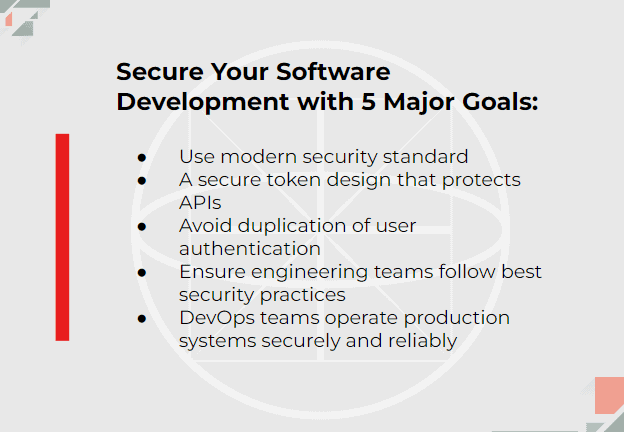
At Fingent, we understand the importance of application security, and our expertise in secure architecture design, coding practices, library updates, and application security program management ensures your digital fortresses remain impenetrable. With a deep commitment to security, we offer cutting-edge solutions to protect your digital assets.
In this age of digital warfare, application security is not just an option; it’s your shield against an ever-growing army of cyber threats. Fingent can be your trusted ally in this digital battlefield.
Stay up to date on what's new
About the Author
Tony Joseph
Tony believes in building technology around processes, rather than building processes around technology. At Fingent, he specializes in custom software development, especially in analyzing processes, refining them, and then building technology around it. He works with clients on a daily basis to understand and analyze their operational structure, discover (and not invent) key improvement areas, and come up with technology solutions to deliver an efficient process. You can reach him at [email protected], Skype: tony_fingent
Featured Blogs
Stay up to date on
what's new
Talk To Our Experts
Home-grown might be the way to go when it’s to be put on your dinner table, but does it apply to your business as well?
The need for complete digitization of business processes has become a necessity in today’s day and age. Due to this demanding criterion, some businesses have taken it upon themselves to cultivate their own personal, home-grown software programs. This has proved to be exponentially advantageous to some businesses. The important question here is: Although your home-grown software helped you take a big step forward, is it going to hold up to other demands of the future?
What Is Home-Grown Software?
Home-grown software, also known as legacy software, is generally a custom-tailored software program fabricated by a consumer or software development team to complete business processes. It is typically created internally from scratch, and the reason for its creation is the lack of suitable commercial packages that fit a specific business need. These programs are affordable and can be extremely handy.
Although home-grown technology has proven to be an excellent path to customize business processes and cut costs in the past, it does not hold the same weight in the incessantly evolving market integrated with evolving advanced technology. The world’s capacity for technology and innovation is rapidly increasing, which places a lot of pressure on businesses that aim to progress. Due to this rise in customer expectations, most businesses are forced to migrate from their old home-grown software to modern cloud-based software.
Is It Time To Upgrade Your Home Grown Software Or Replace It?
Most software tends to fall apart over time, whether it is due to the changing market or its inability to scale as businesses grow. When this happens, you are faced with two choices: to either upgrade your software program or completely replace it. Here are a few indicators to look out for if you are not sure when is the right time to update or replace your legacy software:
- Unending Updates: If the “system update” notification starts popping up too many times, it’s time to consider an upgrade. When a system updates itself, it needs to shut down completely, and this directly affects the productivity of your employees. If there is an inconsistent workflow, motivation to work dies down.
- Security Scares: If your legacy software is incapable of encrypting and protecting your business data, you can potentially become a target for hackers and other security threats. Hence, security is a vital factor in determining whether you need to replace your software or update it.
- Trendy Technology: Analyze if your legacy software can keep up with current technology. If your home-grown software is unable to compete with modern technology and the technology it uses to run is outdated, finding personnel or employees to maintain it becomes close to impossible. This will add to your expenses and ultimately result in a business loss.
Read more: Take steps to modernize your applications before they fall apart. Here are excerpts from a CTO on Legacy Application Migration!
Technical Debt
Technical debt, also known as tech debt, is the cost businesses pay when they do not fix problems that will affect them in the future. It is essentially the price you pay for not foolproofing your business and its aspects. Tech debts are generally caused by insufficient information about company needs, pressure to release software quicker with quality checks, and underestimating the need for quality codes.
It can be said that they are shortcuts taken during software development; they tend to accumulate over time and can affect business. Technical debts take the form of codes that are difficult to read, maintain, and scale or technical infrastructure that is outdated and in need of updating. Postponing the process of adding extra features and maintaining poor records of documentation are also forms of shortcuts.
Consequences Of Technical Debt
There are several consequences of tech debt: increased cost for fixing problems that may arise; lower quality of service leading to poor customer service; tainting company image and reputation; stunted scaling, which leads to stagnant business; death of innovation and integration; poor security; obstructed workflow resulting in lower employee morale; and finally, overall increased risks. These consequences cannot be overlooked because if you ignore their existence in the beginning, they will stack up and slowly poison your business. Although cutting costs in the development phase of your home-grown software may prove to be economical initially, it is bound to cost you more money to repair in the long run. The average cost overrun of an IT project, according to the Harvard Business Review article “Why Your IT Project May Be Riskier Than You Think,” is 27%.
Integration For the Future
Every business owner plans their business with the bigger picture in mind. It is no surprise that the path of technology is decked with Artificial Intelligence and Machine Learning, among many other advanced technologies. When creating software, it is of utmost importance to code it with features that help it integrate with other systems and advanced technology.
As a business owner, it is wise to keep all the cards on your side, and the advantages of Artificial Intelligence and Intelligence Automation cannot be overemphasized. The homegrown system you create must have the capability to sync with these evolving applications and intelligence tools. If you are not willing to completely abandon your legacy software and wish to update it instead, remember to consult the right professionals who can help you modernize your system to be up-to-date with evolving technologies and allow seamless incorporation.
Creating and maintaining the perfect home-grown software can be quite challenging. Hence, most business owners prefer to partner up with a reliable service provider to meet their business needs. Developing custom software that targets your specific needs and is customized to cater to them is beneficial for your business.
Just remember to be mindful of the choices you make while developing it. If you sense your legacy software falling short and notice that it is time for change, be bold and take that leap. Whether it is to replace the home-grown system or update it, keep your business’s future in mind and make your decision.
Talk to our experts and allow us to help you figure out the best solution for your business.
Stay up to date on what's new
About the Author
Tony Joseph
Tony believes in building technology around processes, rather than building processes around technology. At Fingent, he specializes in custom software development, especially in analyzing processes, refining them, and then building technology around it. He works with clients on a daily basis to understand and analyze their operational structure, discover (and not invent) key improvement areas, and come up with technology solutions to deliver an efficient process. You can reach him at [email protected], Skype: tony_fingent
Featured Blogs
Stay up to date on
what's new
Talk To Our Experts
In today’s ever-evolving business landscape, the concept of “Digital-First” isn’t just a buzzword; it’s a strategic necessity. For CIOs, CTOs, and IT Managers, embracing digital transformation isn’t just a choice; it’s a critical strategic move. It’s the pathway to gaining a competitive advantage, exceeding customer expectations, leveraging data for success, accessing global markets, and fortifying your digital defenses.
In this blog, we’ll explore why launching your business with cutting-edge technology is of paramount importance.
Why Starting with Cutting-Edge Technology Matters
Here are some key aspects and applications of Digital first:
1. Online Presence: Your Digital Storefront
In an increasingly online world, your digital presence is your storefront, and its impact is profound.
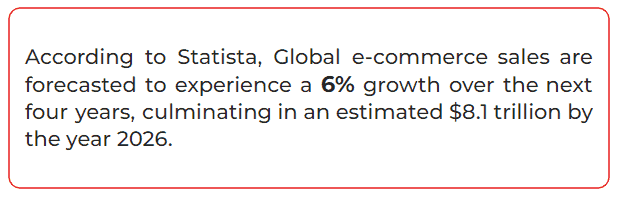
If your business lacks a robust online presence, you’re missing out on a significant slice of this digital pie. Your online presence is your digital storefront and first impressions matter. It’s the place where your customers interact with your brand. Think of it as the front window of a physical store – it needs to be inviting and informative.
Applications: E-commerce, Social Media, Content Marketing
2. Customer-Centricity Rules
PwC’s Global Consumer Insights Survey reveals that 43% of consumers plan to increase online shopping in the next six months. The study further said, “Consumers are seeking less friction…they’re continuing to experiment with the next generation of digital platforms, including the metaverse.” Starting with cutting-edge technology allows you to provide those seamless, personalized experiences that customers crave while they shop online.
3. Mobile-First Design: Meeting Customers Where They Are
With the proliferation of smartphones, being mobile-friendly isn’t just a choice; it’s a necessity. Oberlo reports that mobile devices account for 55.5% of web traffic globally, surpassing desktop usage. Ignoring mobile users means missing out on more than half of your potential audience. Consider mobile devices as the primary means through which customers engage with your brand – like a shop accessible anytime, anywhere.
Applications: Responsive Websites, Mobile Apps, SMS Marketing
4. Competitive Imperative
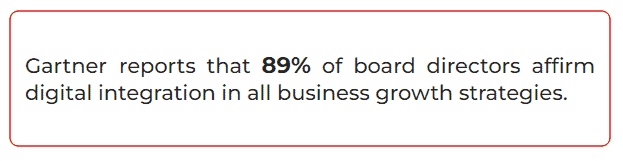
Jorge Lopez, a distinguished VP analyst at Gartner, says, “Boards of directors (BoDs) have reached a point where digital business strategy and overall business strategy are one and the same.” It’s clear that being “Digital-First” is no longer a choice; it’s a competitive imperative.
5. Security and Privacy: The Digital Trust Factor
As digital interactions increase, so does the importance of security and privacy. Cybersecurity Ventures predicts that cybercrime will cost the world $6 trillion annually by 2021. Neglecting security is a gamble on your business’s survival. Cyber threats are rising! The worldwide expense of a data breach in 2023 stood at $4.45 million, reflecting a 15% rise over a three-year period. Cyberattacks are a growing concern for businesses and consumers alike.
Applications: Encryption, Multi-Factor Authentication (MFA), Regular Audits
6. Data-Driven Success
McKinsey’s research shows that data-driven organizations are 23 times more likely to acquire customers, six times more likely to retain customers, and 19 times more likely to be profitable. Beginning your business with cutting-edge technology means you’re setting up to be data-driven from the get-go.
Read more: A Quick Guide To A Successful Digital Transformation Journey!
Key Technologies Commonly Implemented to Enhance Digital-First Initiatives
To thrive in the digital environment, it’s crucial to understand the core technologies that underpin digital-first initiatives. Here, we’ll delve into some of the key technologies providing a clear overview of their significance.
1. Cloud Computing: The Foundation of Scalability
Cloud computing is the engine powering the scalability and flexibility of modern digital solutions. Services like AWS, Azure, and Google Cloud provide businesses with the ability to store data, run applications, and access resources remotely. This technology not only reduces infrastructure costs but also enables rapid scalability, making it essential for digital-first operations.
2. Artificial Intelligence (AI): The Catalyst for Data-Driven Insights
AI encompasses a range of technologies, including machine learning and natural language processing. It enables businesses to analyze vast datasets, make predictions, automate processes, and gain valuable insights. AI is the driving force behind personalized recommendations, predictive analytics, and automation that enhance the efficiency and decision-making capabilities of digital-first organizations.
3. Internet of Things (IoT): The Network of Connected Devices
IoT has far-reaching applications, from smart manufacturing and asset tracking to environmental monitoring and healthcare devices. IoT enables businesses to gather real-time information, improve operational efficiency, and create new services and experiences.
4. Blockchain: The Trustworthy Digital Ledger
Blockchain is a distributed ledger technology that offers transparency, security, and trust in digital transactions. It’s the foundation of cryptocurrencies like Bitcoin and is increasingly used in supply chain management, voting systems, and more. Blockchain ensures the integrity and immutability of data, reducing the need for intermediaries and enhancing security.
5. 5G Technology: The Accelerator of Connectivity
5G, the fifth generation of wireless technology, brings unprecedented speed and connectivity. It enables near-instantaneous data transfer, low latency, and support for a massive number of connected devices. Businesses leverage 5G for applications like augmented reality, autonomous vehicles, and real-time communication, enhancing customer experiences and expanding possibilities. These technologies and others form the backbone of digital-first initiatives, offering businesses the tools to adapt, innovate, and thrive in the digital age.
Use Cases Across Different Sectors
The digital-first revolution isn’t confined to a single industry; it’s a tide sweeping across sectors, reshaping the way businesses operate, interact with customers, and innovate. Let’s explore some use cases in a variety of sectors, showcasing how digital-first strategies are driving transformation and success.
1. Retail and E-commerce
- Personalized Shopping Experiences: In the retail and e-commerce realm, digital-first initiatives are all about creating personalized shopping journeys. AI-driven recommendation engines analyze customer behavior and preferences to suggest products tailored to individual tastes. This drives sales and elevates customer satisfaction to unprecedented levels.
- Seamless Checkout Processes: Digital-first technologies streamline the checkout process with one-click payments, reducing cart abandonment rates. Amazon’s “Buy Now with 1-Click” is a prime example of simplifying the purchasing journey for customers.
2. Manufacturing
- Predictive Maintenance: In manufacturing, IoT sensors are deployed on machinery to monitor performance and detect anomalies. These sensors provide real-time data, enabling predictive maintenance. Machines are serviced before they break down, minimizing downtime and optimizing production.
- Quality Control and Automation: Machine learning models can be employed to analyze images and identify defects in real-time thus ensuring products meet stringent quality standards. Automation and robotics further enhance manufacturing efficiency, reducing errors and labor costs.
3. Financial Services (Fintech)
- Digital Banking: Fintech companies are revolutionizing the financial sector with digital banking services. Mobile apps provide customers with access to their accounts, transactions, and even investment opportunities, all in the palm of their hands.
- Cryptocurrencies and Blockchain: Blockchain technology is reshaping the way financial transactions occur. Cryptocurrencies like Bitcoin offer secure, borderless, and decentralized digital currencies, challenging traditional banking systems.
4. Education (EdTech)
- Online Learning Platforms: EdTech platforms provide access to a vast array of educational resources, from interactive courses to video lectures. These platforms enable flexible, personalized learning experiences for students of all ages.
- AI-Powered Tutors: AI-driven virtual tutors assist students in their studies by providing immediate feedback and tailored learning paths. They adapt to individual learning styles and paces, enhancing educational outcomes.
5. Transportation and Logistics
- Route Optimization: Transportation companies use IoT and GPS technology to optimize routes, reducing fuel consumption and delivery times. Real-time tracking and predictive analytics ensure goods are delivered efficiently.
- Autonomous Vehicles: The transportation sector is at the forefront of autonomous vehicle development. These vehicles promise increased safety, reduced labor costs, and improved transportation efficiency.
6. Smart Cities
- Traffic Management: Smart cities employ IoT sensors and real-time data analysis to manage traffic flow dynamically. This reduces congestion, minimizes travel times, and improves air quality.
- Sustainable Energy: Smart grids and renewable energy sources enable cities to reduce their carbon footprint. IoT technology monitors energy consumption and production, optimizing energy use and promoting sustainability.
In each of these sectors, digital-first initiatives are not just about adopting technology; they’re about harnessing it to drive innovation, improve efficiency, and meet evolving customer expectations. The possibilities are vast, and the results are transformative, making the digital-first approach a crucial strategy for organizations in every industry.
How Can Fingent Help?
In a digital-first world, success hinges on leveraging technology effectively. Fingent is your trusted partner on this journey, helping you harness the power of digital to drive innovation, growth, and competitive advantage. Together, we can navigate the complex digital landscape and turn challenges into opportunities. The future is digital, and Fingent is here to ensure you’re always one step ahead.
With our expertise in software development, AI, IoT, and more, we can tailor solutions to your specific needs. Whether you’re in retail, manufacturing, finance, education, transportation, or any other sector, we’ve got you covered. Give us a call.
Stay up to date on what's new
About the Author
Tony Joseph
Tony believes in building technology around processes, rather than building processes around technology. At Fingent, he specializes in custom software development, especially in analyzing processes, refining them, and then building technology around it. He works with clients on a daily basis to understand and analyze their operational structure, discover (and not invent) key improvement areas, and come up with technology solutions to deliver an efficient process. You can reach him at [email protected], Skype: tony_fingent
Featured Blogs
Stay up to date on
what's new
Talk To Our Experts
Today, technology seamlessly weaves its way into every aspect of our daily lives. That’s precisely what digital transformation is all about – a process that enables businesses to harness the power of cutting-edge technologies and revolutionize the way they operate, engage with customers, and flourish in today’s fast-paced world.
Digital transformation goes beyond a mere trend; it’s a profound shift that can reshape the very core of a business. It allows organizations to metamorphose and emerge stronger and more adaptable than ever before.
In this blog, we’ll embark on an exciting journey to understand the significance of digital transformation, explore its key components, and learn from real-world examples of successful transformations. We will understand why it holds the key to shaping the future of businesses worldwide.
Understanding Digital Transformation
Imagine taking your cherished family recipe and giving it a modern twist with new ingredients, cooking techniques, and flavors. That’s the magic of digital transformation – a process that revitalizes businesses by infusing cutting-edge technologies into their core operations, just like the innovative twist to your traditional recipe!
Which digital technologies enable transformation?
Digital technologies, like cloud computing, Artificial Intelligence (AI), and the Internet of Things (IoT), play a vital role in the business landscape.
The cloud is like a virtual pantry that stores all your ingredients and tools, making them accessible from anywhere at any time. AI acts as your sous-chef, analyzing data, providing insights, and making your decisions more intelligent. Meanwhile, the IoT is the magic ingredient that connects everything, enabling devices to communicate and create a harmonious cooking experience.
The Digital Metamorphosis: Embracing the Ever-Evolving Adventure of Growth
Digital transformation is a thrilling quest to become the best version of what your business is capable of becoming. It’s not a one-time makeover or a sudden transformation, but a continuous journey of growth and improvement. Just like you set new goals and work towards them over time, businesses must shift their perspective from considering digital transformation as a one-time project to embracing it as an ongoing process.
This journey requires a mindset shift – instead of seeking instant results; businesses must focus on long-term gains and stay committed to the process. Digital transformation demands consistent effort and dedication, as every step contributes to overall success.
Blog : How Digital Transformation in Manufacturing Is Rewriting the Future of Production
Benefits and Outcomes of Digital Transformation
The benefits of digital transformation are many, and you will discover more of them as you implement it in your business, but here are a few of its main benefits.
- Enhanced Productivity: Digital transformation ensures mundane tasks vanish from your to-do list, leaving businesses with more time and energy to focus on what truly matters.
- Delightful Customer Experiences: Businesses become experts in customer satisfaction through personalized interactions, seamless online shopping, and responsive customer service.
- Unleashing Agility: Digital transformation enables businesses to respond swiftly to changes and opportunities. They can adapt their strategies, offerings, and operations in the blink of an eye, staying ahead of the competition.
- Unraveling Insights: Digital transformation empowers businesses to harness the power of data, uncovering valuable patterns and trends. These insights guide businesses toward smarter decisions and growth like a treasure map.
- Flourishing in the Digital Kingdom: In this captivating realm, businesses hold a golden scepter of competitive advantage. Digital transformation sets them apart from their rivals, like a crown that marks them as the industry’s leaders. They become the beacon of innovation, drawing customers to their kingdom of products and services.
- Securing the Castle: Digital transformation fortifies its defenses against cyber threats and data breaches. It’s like having a strong shield that safeguards their reputation, customer trust, and sensitive information.
- Sustaining Everlasting Success: Digital transformation is not a one-time invocation but a perpetual journey of growth and adaptation. With every step, businesses evolve and renew their charm, ensuring a legacy of prosperity.
Read more: Is Open Source the Crucial Catalyst For Digital Transformation?

Overcoming Challenges and Embracing Opportunities
A digital transformation journey can empower businesses with the tools they need to thrive in a technology-driven landscape. However, this metamorphosis comes with its own set of challenges and considerations. Let’s dive into these hurdles and discover how to overcome them while achieving your organization’s goals.
1. Organizational Culture and Mindset Shift
- Challenge: The resistance to change can be deeply embedded within an organization’s culture.
- Consideration: Cultivate a growth-oriented mindset that embraces innovation and adapts to new technologies.
- Approach: Foster a culture that rewards risk-taking and encourages open communication to build trust.
2. Change Management and Employee Buy-In
- Challenge: Employees may fear the unknown and be reluctant to embrace new processes or technologies.
- Consideration: Engage employees early on in the transformation process and communicate the vision clearly.
- Approach: Encourage two-way communication, provide training and support, and celebrate small wins to build momentum.
3. Legacy Systems and Technology Integration
- Challenge: Integrating new technologies with existing legacy systems can be complex and time-consuming.
- Consideration: Evaluate the compatibility of existing systems with the new solutions you plan to implement.
- Approach: Develop a well-thought-out integration strategy, and consider phased implementations to minimize disruption.
4. Data Privacy and Security Concerns
- Challenge: The digital era brings increased risks of data breaches and privacy violations.
- Consideration: Safeguard customer and company data to build trust and maintain regulatory compliance.
- Approach: Implement robust security measures, regularly audit systems, and ensure employee awareness of data protection practices.
5. Skills Gap and Talent Acquisition
- Challenge: Finding skilled talent with expertise in emerging technologies can be challenging.
- Consideration: Upskill current employees and promote a learning culture to bridge the skills gap.
- Approach: Collaborate with educational institutions, offer training programs, and consider hiring freelancers or partnering with external experts.
Watch now: 7 Deadly Mistakes Non-Tech Businesses Make on Tech Projects
Success Stories: Real-World Examples
As businesses brace themselves for their journey, they seek inspiration from the tales of industry leaders like Amazon and Netflix. These titans have undergone remarkable digital transformations, leveraging technology to disrupt markets and revolutionize customer experiences.
Staying Relevant like Amazon and Netflix!
- Challenge: Amazon began as an online bookstore, and Netflix was a DVD rental service. Both companies recognized the need to adapt and evolve to stay relevant in the ever-changing digital landscape.
- Solution: Amazon expanded its product range, becoming an online marketplace for various goods and services, leveraging technology to optimize customer experience and supply chain efficiency. Netflix transitioned from a DVD rental service to a digital streaming platform, investing in content creation and personalization algorithms to offer a superior streaming experience.
- Takeaway: Embrace innovation and be willing to pivot when necessary to meet evolving market demands. Continuously focus on improving customer experience to build loyalty and attract new customers. Leverage technology to streamline operations and enhance efficiency.
Unifying and Protecting Data in Healthcare like John Muir Health!
- Challenge: Healthcare companies are often concerned about data security and interoperability while implementing electronic health records (EHRs).
- Solution: Healthcare providers invested in robust cybersecurity measures and interoperable EHR systems to protect patient data and facilitate efficient communication among healthcare professionals. An example is John Muir Health, which “leverages a cutting-edge data platform to unify data while also using the cloud to improve real-time patient communication. As a result, patients can ask questions and receive information through their preferred communication channel, such as email or SMS.”
- Takeaway: Understand the unique challenges of your sector and tailor the digital transformation strategy accordingly. Collaborate with industry experts and technology partners to implement suitable solutions.
Creating Seamless Experiences in Retail like Ikea!
- Challenge: Retailers struggled to bridge the gap between physical stores and online shopping, creating a seamless omnichannel experience.
- Solution: Retailers adopted advanced analytics and inventory management systems to optimize stock levels and offer personalized recommendations to customers across various channels. Ikea, for example, tripled their online sales by prioritizing the digital side of their business!
- Takeaway: Continuously monitor and adapt to the changing needs of customers and the market.
Thriving in the Digital Age: Fingent’s Unparalleled Support for Transformation
The key to sustained business success lies in continuous innovation and adaptation. As organizations strive to remain competitive and relevant, embracing digital transformation becomes imperative. Throughout this journey, Fingent emerges as a trusted partner, offering comprehensive solutions and unparalleled expertise to empower businesses and drive growth.
Fingent’s commitment to excellence and wealth of experience in guiding organizations through successful digital transformations make us a beacon of reliability. By understanding the unique challenges of each industry and sector, we tailor our solutions to meet the specific needs of our clients. From industry giants to startups, Fingent collaborates closely with organizations of all sizes, ensuring that no one is left behind in this technological revolution.
By fostering a culture of innovation and providing the necessary support and training, Fingent top custom software development company helps employees embrace the digital shift with enthusiasm and confidence. Our meticulous planning and phased implementation approach ensure a seamless transition, minimizing disruption and maximizing efficiency.
Reach out to us, and let’s lead you to success on your digital transformation journey.
Stay up to date on what's new
About the Author
Tony Joseph
Tony believes in building technology around processes, rather than building processes around technology. At Fingent, he specializes in custom software development, especially in analyzing processes, refining them, and then building technology around it. He works with clients on a daily basis to understand and analyze their operational structure, discover (and not invent) key improvement areas, and come up with technology solutions to deliver an efficient process. You can reach him at [email protected], Skype: tony_fingent
Featured Blogs
Stay up to date on
what's new
Talk To Our Experts
Technology successively progresses all around us; from the simplest basic Google searches to the working of aircraft, technology has indented its value in everyday life. Biometric APIs are not a foreign idea to us, and 81% of all smartphones have biometrics enabled. Passkeys (on Apple) and Google’s new standards will enable a new class of security with protection like never before. This article will discuss the rise of this form of authentication and its benefits over traditional passwords.
Security – A Major Concern
A big chunk of our daily lives revolves around our mobile phones; sometimes, it is the key to our survival. Once technology grew and mobiles were planted in people’s hands, brands and organizations became smart and decided to adopt their services into these devices. Online banking and payment methods, personal detail locks, and private picture archives evolved. These are just a few generic examples of the important things we trust our mobile phones to hold. This being the case, is it not all the more important to ensure that this technological linchpin is protected at all costs?
Cybercriminals can hack into almost anything today – cars, security cameras, door locks, baby monitors, smart TVs, and even healthcare devices. Mobile devices can be extremely vulnerable to hostile software, viruses, data leakage, and other mobile threats without tight security measures. In such situations, one can not rely only on traditional password-based systems because they will crumble under a brute-force attack.
The Rise of Biometric Authentication
In very simple words, Biometric Authentication is essentially authentication that utilizes biometrics modalities (fingerprint, facial recognition, retina scanning, voice recognition, and more) to detect and authorize the identity of the user trying to access an electronic gadget. An individual’s biometric features are unique to only themselves, and authentication based on them is guaranteed to be effective.
Here are some advantages of biometric authentication over traditional passwords:
1. High security and assurance – Traditional passwords and security codes are generally harder to remember. The biometric system eradicates this problem by offering different modes of verification instead. Additionally, since fingerprints and iris scans cannot be forged, sensitive data will remain more protected.
2. Offers The Best ROI – The biometric authentication system is famous for its matchless ROI. It is a single device that keeps a check of every employee’s whereabouts in a large enterprise. The device is significantly better than a human resource representative who would claim a hefty salary to do the same job.
3. User Experience – Using this system is very convenient as it is built into most devices. This system is highly cost-effective and extremely fast in processing. In addition, forgetting a password is an infamous mistake of most users, but with biometrics, it’s impossible to forget them.
4. Prevents forging – Since everyone has their own set of biometrics, the forging of authorization is very slim. (Unless someone decides to pull a 007 move and trace fingerprints)
Current Adoptions and Usage
The Cisco Report of Trusted Access in 2022 stated that 81 percent of all smartphones have biometrics enabled. Mobile biometric authentication can be used in numerous industries, some of which include –
1. Mobile Banking – Banks use biometrics to authenticate transactions taking place through mobile banking. They also use biometric authentication to verify customers when they try to access their mobile banking app or bank accounts. Most popular banks now introduce the fingerprint and touch method for signing into their mobile banking app.
2. Retail Shopping – Online shoppers tend to abandon their shopping cart or any purchases when they can’t remember their passwords, but facial biometrics can resolve this problem for online shoppers by providing a simpler login experience. This can directly increase retail business. Mastercard has recently introduced its Identity Check Mobile, a mobile-based biometric authentication solution that allows customers to verify their identity by sending a selfie to the online retailer’s website.
3. Healthcare – Biometric information from fingerprints, iris scanning, and facial recognition are helping hospitals to identify patients and retrieve their past medical history. Northwell Health exemplifies this use case by using iris scanning and face recognition to identify emergency patients.
Read more: How Businesses Are Using Facial Recognition to Create An Impact!
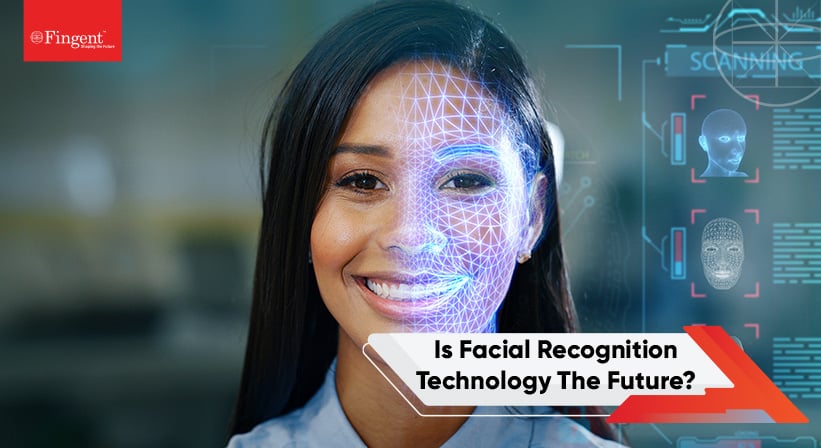
Enabling Secure Authentication with Biometric APIs
API stands for Application Programming Interface and when used in conjunction with Biometrics, it refers to the Programming interfaces of websites and applications that are powered by biometric modules. Mentioned below are the three main types of biometric authentication:
- Fingerprint Authentication – It is the most common biometric authentication method and involves scanning a user’s fingerprint.
- Face Recognition Authentication – As the name suggests, this uses the mobile device’s front-facing camera to scan the user’s face. It is very simple to use and offers a high level of accuracy.
- Iris Scan Authentication – The user’s iris is scanned for authentication in this method. Iris scan authentication is the most secure biometric authentication method as it is extremely difficult to forge.
As Biometric Authentication provides such enhanced security, almost all mobile phone brands have adopted this feature to enhance the security they can provide, thereby building more concrete trust with their customers. For iOS-running mobiles, the availability of biometric options such as Face ID and Touch ID depends on the device. All Android 10 and newer devices have biometric authentication for face and fingerprint identification.
Three distinct areas highlight how biometric APIs will potentially replace passwords:
- Security – Since each individual has unique biometric modalities, it comes as no surprise that security in biometric APIs will be far better than traditional passwords.
- Convenience – The main reason that most people despise passwords is because they can be hard to remember. Further, remembering the login passwords for all of these can be tedious since most have multiple accounts on numerous platforms. Here the use of biometric API helps again because with these APIs the need for remembering a password does not exist.
- Future proof – Progress in AI, sensor technology, and IoT will ultimately enable seamless biometric authentication. When seen this way, biometrics stands out as catering to current and future demands, unlike traditional passwords.
Benefits Of Biometric APIs For Mobile Applications
Traditional password-based authentication presents multiple challenges, including password fatigue, poor user experience, and pressure on support and IT teams when passwords need to be reset.
Biometric APIs address these issues with the following benefits –
- Reduced password fatigue – Customers are not required to memorize all their passwords when matters lie in the hands of biometric APIs. An added advantage is the mitigation of password-related risks such as weak passwords and password reuse.
- Multi-factor authentication (MFA) – SaaS companies can now imbibe another wall of security by collaborating the power of biometrics with other methods.
- Improved customer satisfaction – it goes without doubt that all these advantages of biometric authentication will ultimately win the hearts of customers.
- Enhanced security – the concept of ‘no passwords’ renders cyber attackers helpless as they have a much harder time invading laptops and smartphones that are protected with biometric authentication.
Few Successful Implementations of Biometric Authentication
Biometric systems are great and immensely beneficial wherever identification and authentication are critical.
Let’s quickly look at the most typical use cases of biometric technologies today:
- Law enforcement and public security (criminal and suspect identification) through the work of forensic analysts.
- Military (enemy and ally identification) under the leadership of the DoD Automated Biometric Information System.
- Border, travel, and migration control (traveler, migrant, and passenger identification) in the form of electronic passports.
- Healthcare and subsidies (patient, beneficiary, and healthcare professional identification) are seen with national identity cards used in European and Middle Eastern countries.
Concerns And Considerations of Biometric Authentication
Like any developing technology, biometric authentication has its fair share of considerations. Discussed below are a few of those:
1. Privacy and Data Protection Considerations – challenges in privacy arise when one realizes that biometric APIs can use your information without warning you about it at the time of registration.
2. Ensuring Accuracy and Reliability of Biometric Authentication – these are seen when there is an evident bias in the training data and declining access due to erroneous scanning and compromise of the biometric, for instance, a cut finger.
3. Regulatory Compliance and Legal Implications – when intermingling emerging technologies with biometric APIs, unexplored legal territories are bound to emerge and transcend the domain of human health.
Future of Biometric Authentication
Biometric Authentication, from its dawn, has shown true potential for progress, and it continues to be adopted into various fields of life. A TMR study predicted that the biometrics market will efficiently boom to $136.18 billion by 2031. Listed below are some trends in biometric authentication that will paint the sky in the coming years:
- Verification of Physical Identity – Biometrics powered by AI using cameras installed on-premises.
- Use of Newer Identity Markers – Modalities such as odor recognition, heartbeat pattern recognition, DNA signature, and hand geometry are being developed.
- Identity Proofing – the use of ‘liveness’ testing to guard against identity theft. This can also be accomplished with the help of AI.
- Healthcare Applications – Biometrics will verify the patient’s entitlement to specific medical treatments and medications.
Biometric systems have the untapped potential to enhance cyber functioning with biometric authentication and identity management systems. The list of actual benefits of these APIs is miles long, and the right use of these applications can benefit the entire world. Countries across the globe are adopting Biometric Authentication and systems. Will you?
Connect with Fingent top software development company to learn more about how you can leverage technology to enhance your business operations and customer experiences.
Stay up to date on what's new
About the Author
Tony Joseph
Tony believes in building technology around processes, rather than building processes around technology. At Fingent, he specializes in custom software development, especially in analyzing processes, refining them, and then building technology around it. He works with clients on a daily basis to understand and analyze their operational structure, discover (and not invent) key improvement areas, and come up with technology solutions to deliver an efficient process. You can reach him at [email protected], Skype: tony_fingent
Featured Blogs
Stay up to date on
what's new
Talk To Our Experts
The implementation and development of immersive digital technologies such as Artificial Intelligence, Augmented Reality, Virtual Reality, Machine Learning, and 3D Configurators have drastically changed the way the world works. These technologies have proven their importance in innumerable fields and applications such as the communication and IT Service industry, Real Estate Industry, Manufacturing Industry, and many more.
In this article, we will discuss about three of these world-changing technologies and their application in the field of real estate, so buckle up and let’s get started!
AR In Real Estate
When you own a real estate business you already know that it is an ever-changing business. One day its ways of marketing are traditional and the next to take a 180 degrees turn to a completely modern approach. In this fast-paced industry, the use of Augmented Reality tilts more odds in your favor. Before we move any further let us first reiterate the meaning of Augmented Reality.
Augmented Reality (AR) is the real-time integration of digital information with the user’s environment in the form of text, graphics, audio, and other virtual enhancements integrated with real-world objects.
Although the conventional way to purchase property may be exciting, it can also be extremely tedious and time-consuming. The implementation of Augmented Reality has made this daunting process easier and less time-consuming. AR has successfully instigated realtors, builders, and real estate agents to take the leap of faith toward the digital front. With the help of this technology, they can offer better customer experience, faster purchase process, exciting tours, and boost their overall conversion rate.
Through AR clients can explore several properties and tour these properties virtually with just a few clicks in the comfort of their homes. This magical AR teleportation significantly saves valuable resources of time, energy, and money. If none of these are reasons enough, it also makes the entire process more exciting and fun.
Read more: Augmented Reality, Virtual Reality, and Mixed Reality detailed with Real-Life Examples!
Top Benefits Of Augmented Reality In Real Estate
1. Time-Saving
Augmented reality real estate applications show customers information about the building infrastructure, their effective energy rating, panes of glass used, materials used for construction, and even information about the vicinity of schools, hospitals, and community centers around the property. Although the initial installation of AR applications for real estate may cost a lot, in the bigger picture, it saves you money. MagicPlan is one such app that focuses on generating floor plans from photos helping buyers and tenants get a better sense of how to use the space and meet their needs without wasting much time and money on multiple site visits.
2. Visualization
Details about building construction can be boring to have to screen through but when you add the element of augmented reality, clients get to emerge themselves into the dimension of the property. This keeps them engaged and interested. Augmented reality applications let the customer view the property from different angles not just the bits that are captured from a camera. Vera is an apt example. The application can transform buildings into digitally reconstructed buildings from the inside out through highly accurate three-dimensional visualizations
3. Enhance Customer Experience
With all the above-mentioned benefits, customer experience is already bound to be boosted due to AR. Virtual staging enables customers to customize the interior décor and view finished goods and furniture before putting them in place. The entire experience is guaranteed to boost the client’s level of satisfaction. RealAR, an app transforming 2D floor plans and 3D models into full-blown life-size walkthroughs, gained maximum fame during the pandemic, enabling time-saving and cost-effective floor planning.
VR In Real Estate
Just like AR even Virtual Reality has set its claws deep into the real estate industry. These two technologies generally go hand-in-hand making them a dynamic power couple.
Virtual Reality is a computer-generated simulation of any 3D image or environment that is made to be interactive in a seemingly real or physical way by an individual using special electronic equipment, such as a VR helmet.
VR meets real estate at the intersection called 3D walkthroughs. These walkthroughs are a brilliantly immersive experience that enables customers to interact with the virtual environment and tour the property as if they were actually on the plot. It is no doubt that VR real estate is the next big thing in this industry and almost every VR app development company offers a specific spectrum of services in the virtual reality that cater to real estate segments. VR walkthroughs became famous during the COVID pandemic and have continued to thrive ever since.
Benefits Of VR In Real Estate
1. Immersive Property Showing
After visualizing the property most customers want to interact with it and try to cop a feel of the surrounding, VR comes in handy here. VR’s biggest strength is seen here with its ability to showcase property with a realistic and immersive experience, giving the client a chance to thoroughly explore the property. This sense of realism, familiar physics, and interactive nature unite together to create a truly immersive property showing. Virtual 360-degree walkthrough tours of the interior and exterior of the house without visiting the property in person is one major example of VR utilized for property visits.
2. Virtual Staging And Interior Design
Virtual staging is essentially being able to adjust the elements in your surrounding and furnish rooms however they like while viewing the property through virtual reality. By letting the customer customize the interior décor and design of the property, VR creates a more enhanced customer experience. VR developers can create enticing features like allowing the user to change the materials in space, try different furniture settings, modify the floor plans, or check the view from innumerable angles.
3. Collaborative Virtual Meetings And Presentations
Collaborative Virtual meetings are a method of communication that is technologically mediated and can facilitate engagement in remote and hybrid places. This simply means that customers from all over the world can view the property and interact with the real estate agency to make a purchase through these meetings and presentations. With the assistance of VR, you don’t even have to be in the same country in order to browse for property there.
Here’s an example of how Virtual Reality has eased campus visits for students, especially for those geographically challenged to explore the various educational options offered by universities.

3D Configuration In Real Estate
Real estate prices across the world are skyrocketing, and people can’t afford to spend extra money on renovations after a building is raised. If purchasing the right property is challenging, constructing a building that meets all your needs is a bigger headache, but with the help of 3D Collaborative tools, this process becomes seamlessly easy.
3D visualization tools can assist users in designing digital buildings while displaying and configuring them in real time with photorealistic detail.
Benefits of 3D Configurations In Real Estate
1. Customization And Personalization Of Properties
3D Configurators help clients personalize their environment to meet their specific needs and keep the agency more customer-centric. It allows customers to select from a range of customizable options such as flooring, furniture, colors, lighting, and exterior views. 3D configurations are essentially a way to let customers personalize property to their specifications. Enabling 3D views of construction sites and updated reports even before construction starts saves time and money.
2. Real-time Pricing And Cost Estimates
Detailed 3D configuring can make justifying prices, placing quotes, and ultimately selling property much easier. The 3D configuration also provides clients with a detailed view of a property, enabling them to understand the features and aspects that drive its true value. It gives an overall understanding of special features such as underground parking, nearby schools, fancy landscapes, and more.
3. Designing And Visualizing Floor Plans
When you use 3D Configurators your project can be displayed in astonishing detail at any stage of construction. Customers can learn and see everything involved in the project and even take virtual tours around the property. They can visualize the floor plans, project specifications, materials, and much more. 3D visualization allows users to witness photorealistic imagery and enhance the elegance of the property on sale, including its interior and exterior views. Enabling 3D visualization models of real-estate designs helps get a clear idea of what the comp[leted project will look like.
Read more: Leveraging 3D Configurators for Customer Engagement
Integration And Synergy Of AR, VR, And 3D Configuration
Integration is the combination of various elements to form an efficient system and synergy is formed when multiple systems work together towards a shared goal. When it comes to the above-discussed technologies, the synergy they form together is powerful and has left a strong indentation on the real estate industry.
1. Combined Applications And Benefits Of AR, VR, And 3D Configuration:
There are innumerable benefits of AR, VR, and 3D configurations in the real estate industry, such as – familiarity with the property, objective evaluation of the plot, high level of attention to detail, widening global opportunities, and a great marketing tool.
2. Enhanced Customer Experience And Engagement Through Integration:
As seen above, all three of these technologies have several strengths on their own, and when integrated, they form a mighty force. This powerful experience is the path to great customer experience and interactions, ultimately leading to increased profits.
3. Common Challenges Faced In Implementing AR, VR, And 3D Configuration For Real Estate Businesses:
Just as any new development would, even this integrated solution has its fair share of challenges: Cost of implementation, tossing agents out of employment, and the need to educate employees about the management of new technologies.
How Fingent Can Help
Today’s tech-savvy customers demand prompt responses, service efficiency, and enhanced experiences. To match up with the rising customer demands, Real Estate companies have no option but to adopt modern technology. AR, VR, and 3D Web Configurators are a few modern technologies enabling the Real Estate industry to create new paths of success opportunities. Fingent’s expertise in the domain has enabled many companies in real estate to innovate for better operations. Our experts use the latest technology to develop custom software solutions that cater specifically to unique property management challenges. Connect with our experts today to learn more about how we can help transform your property management business with custom-built technology solutions.
Stay up to date on what's new
About the Author
Tony Joseph
Tony believes in building technology around processes, rather than building processes around technology. At Fingent, he specializes in custom software development, especially in analyzing processes, refining them, and then building technology around it. He works with clients on a daily basis to understand and analyze their operational structure, discover (and not invent) key improvement areas, and come up with technology solutions to deliver an efficient process. You can reach him at [email protected], Skype: tony_fingent
Featured Blogs
Stay up to date on
what's new
Talk To Our Experts
SAP S/4HANA is a catalyst for business success, weaving its transformative power across the ERP landscape. SAP S/4HANA is more than just any software; it’s a realm of possibilities. It is like a digital fortress that integrates and orchestrates your supply chain, ensuring harmony and efficiency throughout your organization.
With a single source of truth, it empowers organizations to make informed decisions based on accurate, up-to-the-minute insights. It’s like having a trusted compass that illuminates the hidden paths of your operations, empowering you to confidently navigate the ever-changing terrain of the business landscape.
Understanding SAP S/4HANA – A Visionary Leap Into The Future
SAP S/4HANA is not your ordinary ERP solution. It harnesses the power of in-memory computing, real-time analytics, and a simplified data model to deliver a seamless and intelligent ERP experience. It is a technological marvel that blends speed, agility, and simplicity into a single transformative platform.
The shift from traditional SAP ERP systems to SAP S/4HANA marks a significant milestone in the ERP landscape. It represents a move from a row-based data model to an in-memory, columnar-based data model, resulting in lightning-fast data processing and real-time analytics.
With the transition to SAP S/4HANA, businesses unlock a plethora of benefits. They gain real-time insights for faster decision-making, simplified processes for improved efficiency, and intelligent technologies for enhanced automation and predictive capabilities. It’s like upgrading to a futuristic command center that propels your business into a new realm of success.
Let’s begin by unveiling the key features and capabilities that make SAP S/4HANA shine.
- It brings the power of real-time insights, allowing businesses to make decisions based on up-to-the-minute data.
- SAP S/4HANA simplifies processes, reduces data redundancies, and eliminates complexities to streamline operations.
- It leverages advanced technologies such as artificial intelligence (AI), machine learning, and predictive analytics to unlock automation, insights, and predictive capabilities.
Read more: A Beginner’s Guide To Implementing SAP S/4HANA

Key Benefits of SAP S/4HANA
1. Grasp The Pulse of Your Business at Any Given Moment with Real-Time Analytics.
With its in-memory computing capabilities, SAP S/4HANA processes massive amounts of data in real-time, allowing for faster and more responsive operations. With real-time analytics, you have the power to respond swiftly to changing market dynamics, identify emerging trends, and seize opportunities before they fade away. It’s like having a nimble and swift chariot that propels your business forward, helping you stay ahead of the competition.
2. Enthralling User Experience
SAP S/4HANA’s intuitive interface and personalized dashboards transform ERP navigation into a delightful journey. It’s like stepping into a realm of effortless elegance, where tasks are completed with grace and efficiency, where your teams can work seamlessly, unlocking their full potential and driving productivity to new heights.
3. Declutter Your Landscape with a Simplified Data Model
SAP S/4HANA can help you bid farewell to the tangled webs of complexity and data redundancies. It enables you to declutter your business landscape, allowing you to focus on what truly matters—innovation and growth. With a simplified data model, your organization gains agility, flexibility, and the ability to adapt swiftly to changing business needs.
Now that you are aware of the business benefits let’s discuss how you can prepare for SAP S/4HANA implementation.
Prepare For SAP S/4HANA Implementation
With the right foundations in place, organizations can embark on their SAP S/4HANA implementation with confidence, ready to unlock the full potential of this transformative platform.
1. Assessing Business Readiness:
Assessing the organization’s readiness for SAP S/4HANA implementation is like taking stock of your supplies before embarking on a grand expedition. Evaluating data readiness ensures that your information is accurate, complete, and compatible with the new system. Additionally, allocating resources appropriately – including skilled personnel and budget – ensures that you have the necessary support to navigate the implementation journey smoothly.
2. Building the Implementation Team:
On a voyage, each member has a vital role to play. Project managers steer the entire implementation process. Functional consultants bring their expertise in specific business areas, ensuring that SAP S/4HANA meets your unique requirements. Technical experts handle system configurations, integrations, and customizations. Together, this cross-functional team brings together diverse perspectives, fostering synergy and ensuring that all aspects of the implementation are addressed comprehensively.
3. Chart your Course by Defining Implementation Goals and Scope:
Defining clear goals and scope for the SAP S/4HANA implementation provides a clear direction and prevents aimless wandering. By identifying key business processes, you prioritize areas that will benefit most from the new system. This focused approach optimizes time and resources enabling effective project planning and increasing the likelihood of a successful SAP S/4HANA implementation.
Six Phases of SAP S/4HANA Implementation
Each of the following well-defined phases of the SAP S/4HANA phase brings your organization closer to harnessing its and unlocking new levels of efficiency, agility, and competitive advantage:
Phase #1 Project Planning and Preparation:
Planning and preparation are like laying the foundation for a solid structure. Activities in this phase include creating a detailed project plan, establishing timelines, and defining deliverables. By clearly outlining project objectives, tasks, and responsibilities, organizations ensure a structured and well-organized implementation process.
Effective stakeholder communication is vital during this phase, keeping everyone informed and engaged. Change management strategies are implemented to address any resistance to change, ensuring the smooth adoption of SAP S/4HANA.
Phase #2 System Installation and Configuration:
System installation and configuration start with assessing hardware requirements and designing the system landscape, ensuring optimal performance and scalability. The SAP S/4HANA system is then installed, configured, and integrated with other systems, creating a cohesive IT ecosystem. This phase requires careful consideration of factors like network infrastructure, security, and software installation.
Phase #3 Data Migration and Conversion:
Data migration and conversion are like transferring belongings to a new home. Legacy data is extracted, transformed, and loaded into the SAP S/4HANA system. This process involves data cleansing, eliminating duplicates, and ensuring data accuracy. Data validation is crucial to verify the integrity and consistency of migrated data.
Phase #4 Customization and Configuration:
This phase is like arranging furniture in a new space. Configuration involves setting up master data, defining workflows, and configuring system functionalities. This phase ensures that SAP S/4HANA aligns with the organization’s unique processes, enabling efficient operations and improved user experience.
Phase #5 Testing and Training:
Testing and training form the backbone of a successful SAP S/4HANA implementation. Thorough testing is conducted to validate the system’s functionality, performance, and data accuracy. This includes unit testing, integration testing, and user acceptance testing.
Training programs are designed to equip end-users with the necessary skills and knowledge to effectively utilize SAP S/4HANA.
Phase #6 Go-Live and Post-Implementation Support:
Going-live is like opening the doors to a new facility, enabling users to work with real data. Post-implementation activities include monitoring system performance, addressing user feedback, and providing ongoing support. Continuous improvement initiatives and enhancements are implemented based on user experience and evolving business needs. Regular system maintenance and updates ensure the system’s optimal performance and long-term success.
These are some best practices and lessons learned from previous SAP S/4HANA implementations. They offer valuable insights that can guide your organization toward successful implementation. These can help you avoid common pitfalls and maximize the benefits of SAP S/4HANA.
Read more: A Simple Guide To Handling Common SAP Errors and Troubleshoots

Strategies You Can Use to Overcome Common Challenges
Challenges during SAP S/4HANA implementations can vary, but some common ones include data migration complexities, resistance to change, resource constraints, and technical integration issues. To overcome these challenges, organizations should:
- Engage experienced consultants and leverage their expertise.
- Invest in data cleansing and migration tools to streamline the process.
- Prioritize change management activities and communicate the benefits of SAP S/4HANA.
- Allocate sufficient resources and budget for implementation and post-implementation support.
- Collaborate closely with SAP experts and leverage their guidance and best practices.
- Monitor the implementation progress regularly and adapt the plan as needed.
How Can Fingent Help?
Fingent can provide comprehensive services to deploy SAP S/4HANA for better supply chain management. We at Fingent offer consulting services to assess your supply chain management requirements and design a customized SAP S/4HANA implementation strategy. Our advisory services provide expert guidance on how to optimize your operations and drive digital transformation.
Are you currently using an older version of SAP ERP? If so, we can analyze your existing system, assess the impact of the conversion, and guide you through the conversion process.
Fingent leverages SAP Leonardo’s intelligent technologies, such as machine learning, IoT, and analytics, to enhance your supply chain management processes. With our expertise in SAP S/4HANA and supply chain management, we can guide you through the entire deployment process, from strategy and implementation to ongoing support.
Reach out to us, and let’s work magic for you.
Stay up to date on what's new
About the Author

Featured Blogs
Stay up to date on
what's new
Talk To Our Experts
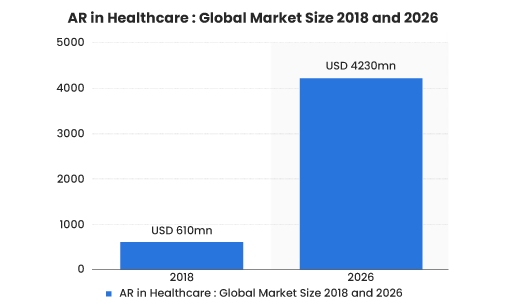
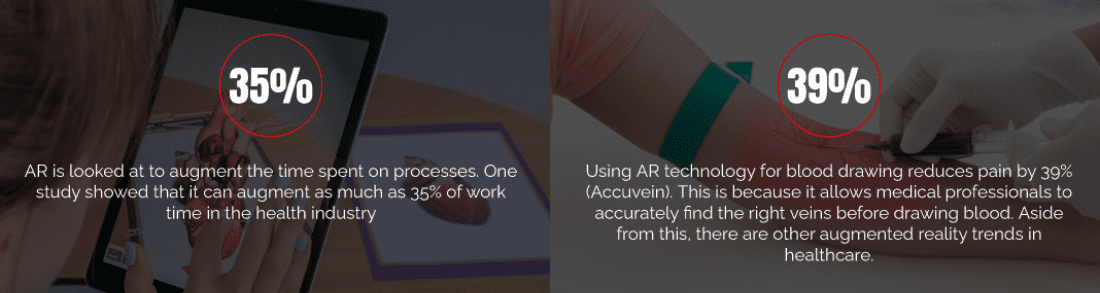



Stay up to date on what's new
About the Author
Tony Joseph
Tony believes in building technology around processes, rather than building processes around technology. At Fingent, he specializes in custom software development, especially in analyzing processes, refining them, and then building technology around it. He works with clients on a daily basis to understand and analyze their operational structure, discover (and not invent) key improvement areas, and come up with technology solutions to deliver an efficient process. You can reach him at [email protected], Skype: tony_fingent
Featured Blogs
Stay up to date on
what's new
Talk To Our Experts
The world of technology keeps evolving and waits for no one, so it is our responsibility to keep up with it rather than fall behind. The healthcare industry has for a long time been using software development systems to monitor and ease work-lifestyles; now it is time to customize this software to make them function and run exactly the way you need it to. Custom software development has made life and business significantly easier for innumerable industries and is poised to revolutionize the Healthcare Industry as well. This article will tell you all you need to know about it.
Importance Of Healthcare Software Development
Healthcare software systems provide innumerable benefits to hospital management, from improved productivity to reduced medication errors. It streamlines the workflow, enhances data quality, drastically reduces errors, and boosts patient experiences. Rising technological advancements also help with hospital administration and operations.
Benefits Of Customized Healthcare Software Development
The overall benefit of using customized healthcare software is overall progress and betterment. This should be reason enough to convince anyone to adopt custom healthcare software but if it is not, listed below are a few of the other benefits of this type of software development:
- Increased security – Thanks to the inculcation of software in healthcare, hospitals are now sending, storing, and retrieving data through the web. Custom software solutions will guarantee the safety of this personal medical data.
- User-friendly experience – The target audience’s desired product is taken into consideration by software designers and user interface designers. Software designers can also consider specific aspects of an application to make it more alluring and interactive.
- Customizable features – Customization is the buzzword right now, and custom software provides it like no other. Customer feedback is prioritized, and the generated product is more streamlined and efficient. Customized software will handle specific problems, and this aspect makes it attracts and brings in more loyal customers or patients.
- Quality of diagnostics – Technology is well known for its brilliance in efficiency. Diagnostics run by a customized software solution have proven to have outstanding quality and accuracy because these solutions imbibe knowledge from innumerable sources and compare results faster. Hence, healthcare providers can proffer improved healthcare if they rely on custom software solutions.
Read more: How Can Custom-Made Software Provide Superior Customer Service In The Healthcare Industry?

Understanding Healthcare Software Development
Healthcare software development is the creation of any software for the healthcare sector to facilitate hospitals and improve equipment management. It also helps with administering electronic records, managing health records, providing diagnoses and treatments, improving patient care, and reducing costs.
Healthcare software development plays an important role in everyone’s life. For doctors – it reduces paperwork and increases collaboration with other specialists. For patients – it enhances patient outreach, improves healthcare quality, and eases access to medical data. Lastly, it improves medical business management and streamlines management processes for organizations.
Healthcare organizations, just like any other organization, have their own set of challenges that cripple them. Custom Software can address most of these challenges and fix them.
- Cyberthreats – The skyrocketing rate of cyber security attacks threatens to endanger the personal medical data of patients and, ultimately, the reputation of a healthcare center. Custom Software can fix this with its exceptional security firewalls and customized cyber security.
- Patient Experience – When patients experience favorable care, they are more likely to heed medical advice and this is essential for better healthcare outcomes, boosting patient retention rates and lowering malpractice risk. Custom software can help here, too by enhancing the user experience and user interface by creating more interactive, customized, and enticing products.
Key Considerations for Healthcare Software Development
Now that we have established the importance of custom healthcare software development, here are some key considerations:
1. Compliance And Security –
Medical records are very sensitive data, and it is the responsibility of the healthcare facility to protect them carefully. Abiding by the international security laws of HIPAA, PCI, and IOS is a must, along with deft investments in specialized medical data security. Ensure that your partner conducts adequate software checkups to detect any potential vulnerability.
2. User-Centred Design –
Customized healthcare software’s main target is its audience, so focusing on their comfort or ease is a top priority. Inclusivity of all kinds, from senior users to less literate users, is a crucial thing to keep in mind when designing an interface for the organization. Properly incorporated user-centered designs are vital for an intuitive and efficient workflow. Software Designers usually build a simple and easy-to-use user interface (UI) and a user experience (UX).
3. Interoperability and Integration –
Interoperability, in simple words, is the ability of a software or system to work compatibly with other products and systems. It helps facilitate organized and effective data exchange between data systems. To avoid complications with regard to personalized information or reports of customers while sharing data between systems, especially when introducing new versions of the same software to different platforms, efficient interoperability is important.
4. Scalability and Flexibility –
Scalability and flexibility are other critical considerations to remember. It is imperative to design a product capable of scaling up as your healthcare organization grows. Ensuring that your customized software developed is flexible and can change and segue according to wavering customer demands.
5. Data Analytics and Insights –
Data analytics is essentially the process of studying raw data in order to determine trends and enable enhanced decision-making. This transformation of data done by custom software into insights can drastically leverage data to enhance decision-making, patient outcomes, and overall operational efficiency.
Read more: AI in Healthcare – Know what’s trending and what’s upcoming!
Steps in Custom Healthcare Software Development
Let’s now get into the development itself. Here are some steps to ensure that the development goes smoothly and provides the best outcomes:
1. Requirements Gathering and Analysis –
It is always best to make a detailed analysis of your organization, its needs, and budgets before diving into a custom software development project. Consult well-versed software designers and healthcare professionals, jot the requirement details, and communicate with your team members to obtain an unbiased perspective.
2. Design and Development –
In this step, the analysis generated is used as input and software infrastructure for implementing software development. Software developers first draw a synopsis of the details for the application, including specific aspects such as User interfaces, System interfaces, Network and Network Requirements, and Databases.
Following close behind the design stage is the development stage. It is the stage where coding starts and all components of the software are implemented. The use of agile methodologies and interactive interfaces to improve user satisfaction, flexibility, and feedback incorporation is crucial during this phase of development.
3. Quality Assurance And Testing –
The testing period begins at the end of the coding stage. Here the modules are circulated for testing. Although testing may not seem like a necessary step, skipping it will ultimately result in the downfall of software. The developed software should be tested thoroughly, and developers fix any vulnerability discovered. There are various tests that need to be conducted after coding of software; these include – functional, usability, and security testing.
4. Deployment and Training –
After the product has been sufficiently tested, the software is deployed into the market or organization scheme. In the case of UAT (User Acceptance Testing), a production environment is created, and the customer, along with the developers, partakes in the testing.
Case Studies
Fingent has been a leader in custom software development for the healthcare sector and has created unmatched solutions for its clients. Here are a few examples:
A Data Analytics Solution for NHS: With the wide range of hospitals under its governance, the NHS required a data visualization tool that would help them compare healthcare performances across the hospitals and showcase the best ones. Fingent helped develop a solution that was customized to the NHS’s specific needs and designed an application with interactive visuals and real-time access to insights.
Fingent’s portfolio includes top-notch solutions like this, including an online engagement platform for NovitaCare and a patient care solution to promote effective communication in the healthcare ecosystem. Working with clients globally, Fingent has been able to have a direct impact on simplified patient care, operational efficiency, and cost savings for healthcare providers.
Future Trends In Healthcare Software Development
The future evidently holds great plans for healthcare software. We have only skimmed over the uses and possibilities that technology has introduced to healthcare; there are so many more possibilities.
1. AI in Healthcare
Artificial Intelligence is the most beneficial factor of technology for the healthcare industry. It can effortlessly mimic human cognition in analyzing, interpreting, and evaluating complex medical data. AI can perform data analysis through the healthcare system and can be widely used to predict patient admissions and improve clinical workflows.
2. IoT in Healthcare
IoT (Internet of Things) has the potential to enable healthcare professionals to supervise their patients more accurately. It can equip healthcare workers and professionals with the tools to deliver excellent care and treatment to patients. Exploiting this technology and several tech-powered wearables that enable real-time tracking, end-to-end connectivity, and remote monitoring are some of the other areas that IoT will assist.
Summary
Healthcare Software Development benefits institution staff, patients, and administrators. Although it might seem quite diverse and may come across as a daunting task, with the right partner on your side your journey will be successful.
Look for a partner in Fingent, and we will help you navigate the complexities and compliances that come with the development of healthcare software solutions.
Reach out to us today, and let’s get talking.
Stay up to date on what's new
About the Author

Featured Blogs
Stay up to date on
what's new
Talk To Our Experts