Custom Enterprise Software Development: Business Guide
What is Custom Software Development?
Business software built for a specific company or organization is known as custom software. In other words, custom software development refers to the process of designing, developing, testing, and implementing software that caters to the unique business requirements of a company or organization.
What is Custom Enterprise Software Development?
Custom enterprise software development refers to the process of designing, developing, testing, and deploying personalized software tailored to address the unique business requirements of a large enterprise. Since the software is built with the organization in mind, the product quality is focused more on the enterprise and its users.
Differences Between Custom Enterprise Software Development and Generic Software Development
Parameter
Custom Enterprise Software
Generic Software
Features and Functionalities
Exclusive feature list customized to the specific needs of an enterprise
Standard set of features built for the mass market
Development Time
Long development process, but a guaranteed investment for a profitable future
Faster to implement with the vendor’s support
Development Cost
Requires significant upfront investment, but the initial costs will pay off in the long run
Moderately priced, but forces users to pay for unwanted software features, including several hidden costs
Support and Maintenance
Software is fully supported and maintained by the outsourcing partner
Risk of unplanned downtimes, support will be based on the vendor’s terms and conditions
Compliance to Business
Built to comply with your enterprise’s ecosystem and standards
Requires a high level of customization and extra components to function
Third-party Integration
Enables seamless integration with compatible external apps
Inherently inflexible, doesn’t support deep customizations or integrations
Scalability
Highly scalable and adaptable to your future business requirements
Time-consuming and costly customizations needed to address the rising needs
Data Security
Highly resistant to cyber infiltrations, tested thoroughly at each stage of development
Vulnerable to cyber attacks and software glitches
“We now know that something between 85 and 90 percent of most software product features are unwanted and unneeded by customers. That is an enormous amount of waste of time and money that ends up on the floor.”
– Steve Blank
One size doesn’t fit all!
If you are using a commercial, off-the-shelf enterprise software that meets only 60% of your business’s operational needs, then it’s time to consider something custom.
Here is why several large enterprises prefer custom enterprise software over commercial, pre-packaged solutions:
Custom enterprise software development is focused on defined requirements
Offers your enterprise a competitive advantage by fulfilling your unique business needs
Designed and built for your enterprise from the ground up by a custom software development company
Ensures your collaboration in software planning and designing in order to meet your business needs effectively
Offers highly personalized experience and adapts quickly to your business needs
Good software is one that is designed to meet your unique business expectations and increase productivity. Usually, off-the-shelf software costs less initially. As your needs evolve, pre-packaged software cannot adapt to the changing requirements. This will affect any upfront savings.
When you choose custom enterprise software development, you will gain the flexibility to build new capabilities on top of existing enterprise applications.
Custom Enterprise Software Development Process
The best custom enterprise software development partner works collaboratively with you throughout the entire software development process, making incremental changes that allow the solution to become the best it can be.
Steps in Custom Enterprise Software Development Process
Requirements Gathering & Analysis
Identify, analyze, prioritize, and document the organization’s requirements, goals, and objectives for developing the custom software.
Design & Architecture
Define the software architecture, including components, modules, and data structures, design specifications, UI and UX.
Development Phase
Develop the software functionalities and features using the chosen technology stack, programming languages, and coding best practices.
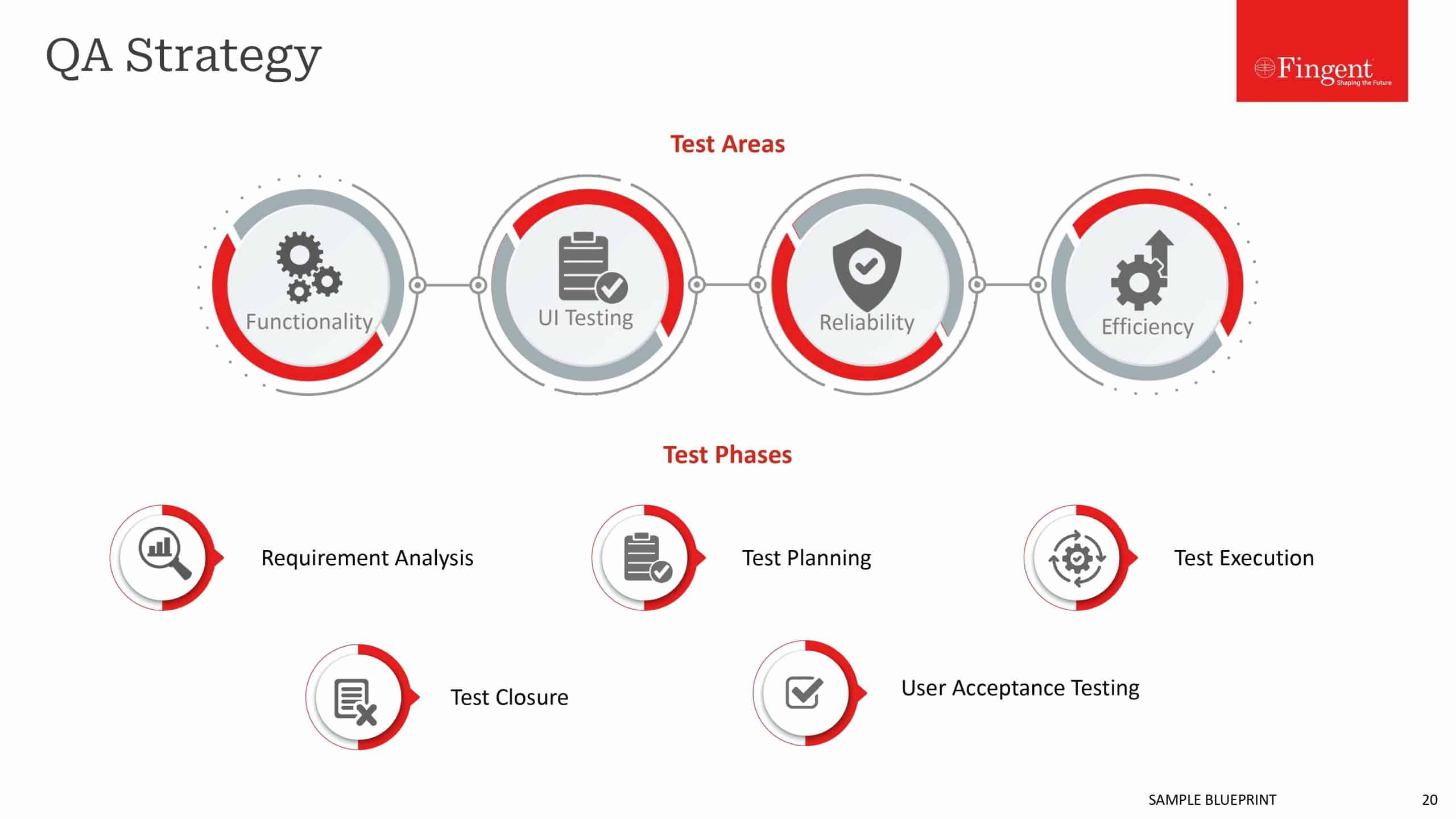
Testing & Quality Assurance
Conduct various levels of testing to ensure the software meets the specified requirements, and fix bugs or issues discovered during testing.
Deployment & Migration
Smoothly deploy the software to the production environment after configuring servers, databases, and necessary infrastructure, and perform data migration, if required.
User Acceptance Testing (UAT)
Test the software by engaging a few users or stakeholders from the organization, gather their feedback and make essential adjustments to ensure that the software effectively addresses user expectations and needs.
Training & Documentation
Educate users on how to effectively use the software by providing training sessions. Create user manuals, guides, or online help documents to support users during their interactions with the software.
Final Deployment & Post-Launch Maintenance
Deploy the final version of the software in the actual environment, monitor the software’s performance regularly, address any issues, manage software upgrades and patches, and provide ongoing maintenance and support.
Connected solutions allow businesses to enhance efficiency, improve decision-making, and provide seamless user experiences.
Low-Code and No-Code Development
Low-code and no-code development platforms enable organizations to create applications with minimal coding, using visual interfaces and pre-built components.
AI is revolutionizing the aviation industry with its transformative capabilities. Predictive maintenance enables proactive repairs by analyzing sensor data, minimizing downtime and enhancing safety. Flight planning and optimization algorithms consider factors like weather and air traffic, resulting in efficient routes, reduced costs, and improved punctuality. Air traffic management benefits from AI’s real-time analysis, predicting congestion and suggesting optimal routes for reduced delays. In aircraft design and manufacturing, AI aids in aerodynamic modeling, structural analysis, and quality control, improving efficiency and safety. Passengers enjoy personalized experiences through AI-powered chatbots, virtual assistants, and streamlined booking processes. Enhanced security measures, crew training, and support further showcase the immense potential of AI in aviation.
Benefits of Custom Enterprise Software Development
Automate and streamline your routine business operations, eliminate manual data entry, and save time and associated costs
Scale up your business applications without worrying about the underlying infrastructure
Adapt to your evolving business processes and increasing workloads
Easily integrate with new technologies and other existing (third-party) software
Focus on business expansion while reducing your downtime and additional investments
Drive operational and administrative efficiency by enhancing productivity and gaining end-to-end visibility across all departments and operations
Improve user experience, automate processes, reduce manual errors in data records and workflows, and upgrade key systems with greater speed and agility
Enable data analytics and support in-depth reporting
Differentiate yourself from competitors and offer personalized experiences to your customers
Reduce the risk of data breaches, unauthorized access, and other security vulnerabilities often associated with generic off-the-shelf solutions
Dedicated support and maintenance from the vendor to keep the software up-to-date, optimized, and aligned with your organization's evolving needs
Types of Custom Enterprise Software Development
Enterprise Resource Planning (ERP) Systems
ERP applications integrate and automate core business processes such as finance, inventory management, human resources, accounting, customer relationship management, and more.
Warehouse Management Systems (WMS)
A custom WMS can streamline the entire supply chain fulfillment operations of a warehouse, including procurement, inventory, order fulfillment, logistics, labor management, and supplier relationships.
Custom CRM solutions allow organizations to track and analyze customer data, manage sales pipelines, automate marketing campaigns, and provide personalized customer support.
Human Resources Management Systems (HRMS)
Custom HRMS solutions streamline HR and people management processes including employee onboarding, time and attendance tracking, leave management, performance evaluation, training management, and payroll processing.
Accounting Software
A custom accounting system helps automate your accounting processes, financial reporting, and budgeting, and allows managing general ledgers, accounts payable and receivable, financial analysis, asset management, and expense tracking.
Business Intelligence and Analytics Systems
Custom BI solutions include features like data integration, data visualization, interactive dashboards, ad-hoc reporting, and predictive analytics that allow organizations to derive actionable insights from their data.
Factors to Consider Before Starting Custom Enterprise Software Development
Identify the specific problems you want the software to solve and define the desired features and functionalities.
Consider the needs and perspectives of key stakeholders and potential users of the software while defining and prioritizing features and requirements.
Determine a realistic budget for the project by considering the cost of development, ongoing maintenance, and any additional resources required.
Allocate sufficient resources, including skilled developers, project managers, and IT infrastructure, to support the development process effectively.
Select the right software development approach (Agile/ Waterfall) based on your requirements and project complexity.
Find the right software development partner based on their experience, technical and domain expertise, track record, communication, and cultural fit with your organization.
Focus on UI/UX. The software should feature an intuitive and user-friendly interface that aligns with the needs and expectations of your users.
Conduct usability testing and gather feedback to refine the user experience and ensure that the software is easy to navigate and use.
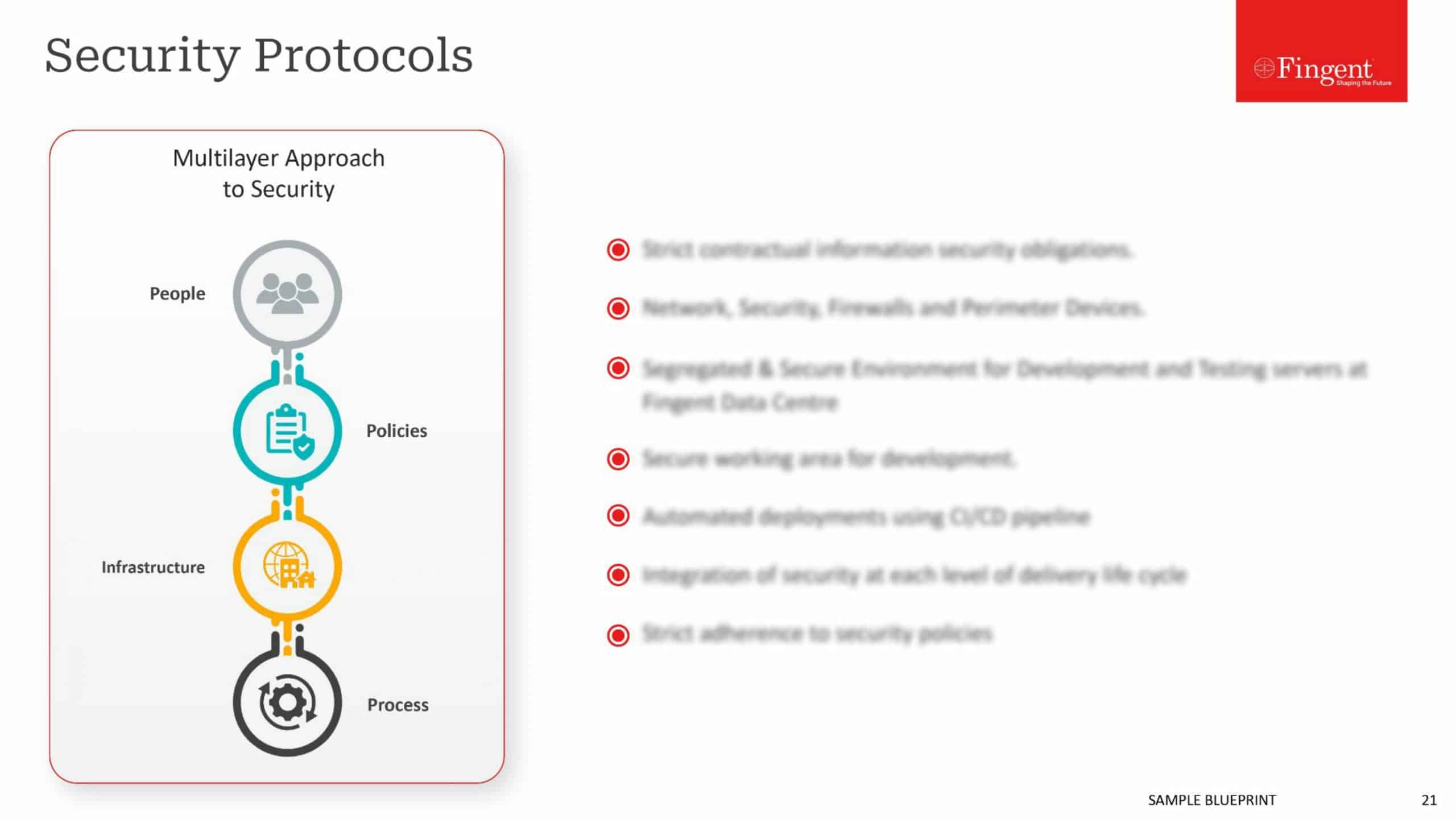
Define security requirements and implement appropriate measures to protect sensitive data, prevent unauthorized access, and comply with relevant regulations.
Incorporate security best practices such as encryption, secure authentication, and regular security audits.
Conduct thorough testing at each stage, including functional testing, performance testing, and security testing.
Implement a comprehensive quality assurance strategy to identify and fix any bugs or issues before deployment.
Plan for ongoing support and maintenance of the software after deployment. Establish procedures for bug fixes, updates, and enhancements.
Regularly monitor the software's performance and user feedback to identify areas for improvement and ensure its long-term success.
Custom Enterprise Software Development Challenges
Vague Requirements
Inadequate or ambiguous requirements can lead to miscommunication, delays, and rework.
Changing Requirements
Requirements may change often during the software development process, especially in complex projects or dynamic business environments.
Resource Constraints
Limited resources, including skilled developers, time, and budget, can be a challenge for custom software development.
Integration Complexity
When integrating custom software with existing systems or third-party applications, challenges may occur due to incompatible technologies, inconsistent data formats, or security concerns.
Project Management & Communication
Lack of clear communication, misaligned expectations, or inadequate project management practices can lead to delays, cost overruns, and project failure.
Technical Complexity
Technical challenges may arise in areas such as architecture design, scalability, performance optimization, security implementation, and data management.
Tech Stack for Custom Enterprise Software Development
The choice of a technology stack for custom enterprise software development depends on the specific requirements of the project, scalability needs, existing technology infrastructure, and the skills and expertise of the development team.
Popular Tech Stack for Custom Enterprise Software Development
Libraries and Frameworks: TensorFlow, PyTorch, scikit-learn
Natural Language Processing: NLTK, SpaCy, Gensim
Data Pre-processing: Pandas, NumPy
Tech Stack for Enterprise Resource Planning (ERP) Software Development
SAP
SAP is the market leader in ERP software and helps companies of all sizes build enterprise software customized to manage their business operations and customer relations. SAP software enables organizations to manage nearly every aspect of business, from finances to HR to procurement and logistics, and more.
Odoo
Odoo is a leading open-source ERP platform that offers a suite of business apps that can be customized to cover all your enterprise needs such as CRM, Sales, Development, Project Management, Sales, Management of Human Resources, and more.
Open Source Tech Stack for Custom Enterprise Software Development
Open source or open source software (OSS) refers to software code that is designed to be publicly accessible – anyone can see, modify, and distribute the code as they see fit.
Open source technologies, tools, frameworks, and programming languages accelerate custom enterprise software development such as ERP, CRM, CMS, web and mobile applications, eCommerce software, and more.
The cost of custom enterprise software development can vary significantly depending on various factors such as project complexity, scope, technology requirements, development time, and resource rates. It’s challenging to provide an exact cost without specific project details, but here are some factors that can influence the overall cost.
Project Scope
A larger project with extensive features and functionalities will generally require more development time and resources, leading to higher costs.
Development Time
Longer development periods typically involve more hours and resources, resulting in higher costs. Factors such as project requirements, technology complexity, and team size can influence the development timeline.
Resources and Skills
The cost of development resources, including software developers, project managers, and quality assurance specialists, can vary depending on their experience, skills, expertise, location, and market demand for specific technologies
Technology Stack
Some technologies or frameworks may require more specialized skills or licensing fees, which can impact the overall budget.
Customization and Integration
The level of customization and integration required with existing systems or third-party applications can affect the cost. Customization often involves additional development effort, which can increase the overall project cost.
Testing and Quality Assurance
Comprehensive testing can add to the development cost due to the additional time and resources required.
Maintenance and Support
Ongoing maintenance and support costs after the initial development typically include bug fixes, updates, and technical support, which may require dedicated resources or ongoing service agreements.
Discuss your requirements with a top custom software development company
like Fingent to obtain accurate cost estimates for your software project based on your specific business needs and constraints.
How Can Fingent Help?
Since 2003, Fingent has been a reliable and capable custom software development partner for leading global brands, including several Fortune 500 companies. Our end-to-end custom software development process is tailored to meet our clients’ business needs, challenges, and goals. Let it be anything – web and mobile app development, cloud migration, enterprise software, modernization of legacy systems, or SaaS development – we offer innovative and reliable software solutions that will delight your customers, simplify your team’s job, and help your business scale.
Our custom enterprise software development experience spans across multiple industries and advanced tech, including data analytics, augmented and virtual reality applications, artificial intelligence, robotic process automation, internet of things, cloud, mobile, and more.
Want to know how custom enterprise software development can add value to your business and improve your customer experience? Contact us to get an extended consultation.
Imagine a symphony orchestra, where each musician plays a unique instrument, yet harmonizes together to create a beautiful and cohesive melody. In the same way, managing enterprise software solutions involves orchestrating a symphony of digital tools, systems, and processes to achieve optimal performance and operational excellence. It requires a deep understanding of the organization’s goals, its unique challenges, and its diverse needs.
This article delves into the features, functionalities, advantages, and factors to consider when it comes to enterprise software solutions. This comprehensive guide will also help you get to know the top-notch enterprise-level software options available.
One Product, Many Solutions - An Overview of Enterprise Software
Did You Know
The valuation of the worldwide enterprise software market was reported at USD 196.40 billion in 2021? Experts predict that this sector will experience a compound annual growth rate (CAGR) of 11.5% between the years 2022 to 2030.
– Grand View Research
In this realm of endless possibilities, enterprise software solutions are the superheroes of the business world. They possess the extraordinary ability to integrate disparate systems, streamline workflows, and break down silos, enabling organizations to operate with the fluidity and precision of a well-choreographed dance.
Think of these solutions as a digital Swiss Army knife, equipped with an array of tools designed to address the unique needs of each organization. They effortlessly navigate through the labyrinth of complex processes, simplifying and automating tasks, and freeing up valuable time and resources for strategic initiatives. They are the secret weapon that unlocks the door to innovation, helping businesses stay one step ahead in an ever-evolving competitive landscape.
Facts You Must Know
It is estimated that global revenue for enterprise application software will reach $478 billion in 2026.
– Statista
At the heart of successful enterprise software management lies the ability to bridge the gap between technology and business objectives. It’s about aligning software solutions with the organization’s strategic vision, ensuring that they not only meet current needs but also have the scalability and flexibility to adapt to future demands. This is a delicate balancing act, where one must navigate the complexities of ever-changing technologies, evolving customer expectations, and dynamic market conditions.
Types of Enterprise-Level Software
If your business is experiencing growth, it’s time to consider enterprise-level software. But what are the different types of enterprise software available? Well, there is quite a bit to consider. Here are six primary types of enterprise-level software solutions along with their key features:
Enterprise Resource Planning (ERP)
Did You Know
ERP is forecast to account for an additional 95 billion dollars this year?
– Statista
ERP software integrates and manages core business processes such as finance, accounting, human resources, supply chain, and inventory. It provides a centralized database, streamlines operations, and enables data-driven decision-making.
ERP’s Features:
Centralized database to integrate and manage core business processes like finance, accounting, HR, supply chain, and inventory.
ERP streamlines operations, automates workflows, and enhances data accuracy.
Provides real-time insights, reporting, and analytics for informed decision-making.
Enables collaboration and communication across departments.
Facts You Must Know
The worldwide market size for Enterprise Resource Planning (ERP) software is anticipated to increase from $46.86 billion in 2023 to $71.34 billion by 2030.
– Fortune Business Insights
This highlights the significant growth potential for ERP software and points towards the increasing adoption of digital transformation initiatives across various industries.
Customer Relationship Management (CRM)
Facts You Must Know
The worldwide market for customer relationship management (CRM) software is set to expand to 49.6 billion U.S. dollars by 2025. This represents an anticipated growth of approximately four billion U.S. dollars from 2020, reflecting a compound annual growth rate (CAGR) of 1.7 percent.
– Statista
CRM systems help organizations manage customer interactions, sales pipelines, marketing campaigns, and customer service. They facilitate relationship-building, enhance customer satisfaction, and drive revenue growth.
CRM’s functionalities:
Manages customer interactions, sales pipelines, and marketing campaigns.
Tracks customer data, communication history, and buying patterns.
Improves customer service, retention, and satisfaction.
Provides sales forecasting, lead management, and performance tracking.
Reshaping experiential marketing with customized technology allows businesses to create immersive and personalized experiences that captivate customers. By leveraging innovative solutions such as interactive displays, augmented reality (AR), virtual reality (VR), and mobile apps, businesses can engage their target audience on a deeper level. Customized technology enhances brand experiences by providing interactive and memorable encounters that go beyond traditional advertising methods. Through personalized interactions, businesses can leave a lasting impression, foster customer loyalty, and drive brand awareness. These technologies enable businesses to showcase their products or services in innovative ways, creating unique and captivating moments that resonate with customers. By leveraging customized technology, businesses can reshape the landscape of experiential marketing, offering immersive and engaging experiences that elevate their brand and set them apart from competitors.
SCM software optimizes the flow of goods, materials, and information throughout the supply chain. It includes functions like inventory management, demand forecasting, procurement, logistics, and supplier relationship management.
SCM’s functionalities:
Optimizes the flow of goods, materials, and information in the supply chain.
Manages inventory, demand forecasting, procurement, and logistics.
Enhances supply chain visibility and collaboration with suppliers.
Reduces costs, improves efficiency, and ensures timely delivery.
Human Capital Management (HCM)
HCM solutions focus on managing human resources, including employee data, recruitment, onboarding, performance management, training, and benefits administration. They streamline HR processes and enhance workforce productivity.
HCM’s functionalities:
Streamlines HR processes, including employee data management, payroll, and benefits administration.
Facilitates recruitment, onboarding, training, and performance management.
Supports talent acquisition, retention, and succession planning.
Enables workforce analytics and compliance with labor regulations.
Business Intelligence (BI) and Analytics
Did You Know
The global market for business intelligence and analytics software applications is anticipated to expand in the forthcoming years, with a projected increase from 15.2 billion U.S. dollars in 2020 to over 18 billion U.S. dollars in 2025.
– Statista
BI and analytics software help organizations transform raw data into meaningful insights. They enable data visualization, reporting, and predictive analytics, empowering informed decision-making and strategic planning.
Functionalities of BI and analytics:
Gathers, analyzes, and visualizes data from various sources.
Provides dashboards, reports, and data visualization for insights.
Enables ad hoc querying and data discovery.
Supports predictive analytics, data mining, and forecasting.
Enterprise Content Management (ECM)
Did You Know
The global enterprise content management market had a value of 12.94 billion U.S. dollars in the year 2018? Projections indicate that this market will experience an increase, reaching 32.3 billion U.S. dollars by the year 2027.
– Statista
ECM systems facilitate the creation, storage, retrieval, and management of digital content within an organization. They include document management, collaboration tools, records management, and workflow automation.
ECM’s functionalities:
Manages digital content, documents, and records within an organization.
Facilitates document creation, storage, retrieval, and version control.
Enables collaboration, workflow automation, and document sharing.
Ensures compliance, security, and information governance.
These software solutions are designed to enhance efficiency, improve decision-making, streamline processes, and promote collaboration within an organization. However, it’s important to note that each solution can have additional features and functionalities depending on the specific vendor and customization requirements.
Features of Enterprise Software Solutions
Enterprise-level software solutions typically offer a range of features and functionalities that cater to the diverse needs of organizations. While the specific features may vary depending on the type of solution and vendor, here are some common features found in enterprise-level software solutions:
Integration: These solutions offer integration capabilities to connect with existing systems and applications within the organization's IT infrastructure, ensuring seamless data flow and interoperability.
Customization: Enterprise software solutions often provide customization options to align with specific business requirements and workflows, allowing organizations to tailor the software to their unique needs.
Security: Robust security features are crucial for enterprise-level software solutions to protect sensitive data, ensure compliance with regulations, and safeguard against cyber threats. These features may include access controls, encryption, user authentication, and audit logs.
Reporting and Analytics: Built-in reporting and analytics capabilities enable organizations to generate comprehensive reports, gain insights from data, and make data-driven decisions. These features often include customizable dashboards, data visualization tools, and ad hoc querying capabilities.
Workflow Automation: Automation features help streamline and optimize business processes by automating repetitive tasks, reducing manual intervention, and improving overall efficiency. Workflow automation may include task scheduling, approval processes, and notifications/alerts.
Collaboration and Communication: Many enterprise software solutions include collaboration tools and communication features to facilitate teamwork, knowledge sharing, and real-time collaboration. These features may include document sharing, messaging, project management, and virtual meeting capabilities.
Did You Know
It is projected that the collaboration software revenue will manifest a compounded annual growth rate (CAGR 2023-2028) of 2.00%, ultimately leading to a market size of US$16.12bn by 2028.
– Statista
Mobile Accessibility: With the increasing mobility of the workforce, enterprise software solutions often provide mobile accessibility, allowing users to access and interact with the software through mobile devices, ensuring productivity and connectivity on the go.
Scalability: Enterprise software solutions are designed to handle the complex needs of large organizations and can scale to accommodate growing user bases, increased data volumes, and expanding operations.
Support and Maintenance: Vendors typically offer support and maintenance services for enterprise software solutions, assisting with implementation, troubleshooting, upgrades, and ensuring the software runs smoothly.
Weathering Storms with ERP - Advantages of Enterprise-Level Software Solutions
Facts You Must Know
The valuation of the worldwide enterprise application market was recorded at $238.36 billion in 2020, with a projected growth to $527.40 billion by the year 2030, exhibiting a compounded annual growth rate of 8.2% between 2021 and 2030.
– Allied Market Research
Running a business is like sailing a ship through treacherous waters. To navigate these tumultuous seas successfully, you need a powerful vessel that can weather any storm and help you reach your destination. That powerful vessel is an enterprise-level software solution, and it offers many advantages that can transform how you operate. Let us explore the advantages:
Enterprise-level software solutions are designed to streamline your business processes. They act as a compass, guiding you through the complexities of managing your organization. These solutions automate tasks, eliminate manual errors, and optimize workflows. They bring order to chaos and ensure that your operations run smoothly, freeing up valuable time for you and your team to focus on more strategic initiatives.
Just as a sturdy ship allows you to explore uncharted territories, enterprise-level software solutions empower your business to scale new heights. These solutions are built to accommodate growth, whether it’s expanding your customer base, increasing your product offerings, or entering new markets. They provide the flexibility and scalability needed to adapt to changing business demands, ensuring that you stay ahead of the competition.
In today’s data-driven world, information is a treasure trove, and enterprise-level software solutions offer you the keys to unlock its power. These solutions capture, analyze, and present data in meaningful ways, providing you with actionable insights to make informed business decisions. Whether it is understanding customer preferences, optimizing your supply chain, or identifying emerging trends, data-driven decision-making becomes your secret weapon.
Just as effective communication among sailors is crucial for a successful voyage, enterprise-level software solutions foster collaboration and communication within your organization. They provide centralized platforms for sharing information, collaborating on projects, and coordinating tasks. These tools enable seamless communication across teams, departments, and even geographical boundaries, fostering a sense of unity and synergy among your crew.
As you sail through the digital waters, the threat of cyberattacks and data breaches looms large. Enterprise-level software solutions come equipped with robust security measures, acting as a sturdy shield to protect your business. They offer features like encryption, access controls, and regular security updates, safeguarding your sensitive information and providing peace of mind to you and your customers.
At the heart of every successful business lies a crew dedicated to delivering exceptional customer experiences. Enterprise-level software solutions empower your team with tools to enhance customer satisfaction. They provide comprehensive customer relationship management (CRM) capabilities, enabling personalized interactions, efficient support, and a seamless buying journey. By harnessing these solutions, you can delight your customers and build long-lasting relationships that stand the test of time.
In a crowded marketplace, staying ahead of the competition is essential. Enterprise-level software solutions give you a competitive edge. They provide advanced analytics, market insights, and real-time reporting, helping you identify market trends, spot emerging opportunities, and make strategic moves ahead of your rivals. With these solutions as your compass, you can steer your business in the right direction, leaving your competition in your wake.
Best Enterprise-Level Software Solutions
Here are five enterprise-level software solutions that have gained recognition for their robust features, scalability, and ability to meet the complex needs of enterprise-level organizations.
1. SAP S/4HANA
Here are five enterprise-level software solutions that have gained recognition for their robust features, scalability, and ability to meet the complex needs of enterprise-level organizations.
Benefits
Primary Features
Limitations
Benefits
SAP S/4HANA is a comprehensive ERP (Enterprise Resource Planning) solution that integrates various business functions. It offers real-time data analytics, streamlined processes, improved productivity, and enhanced decision-making capabilities.
Primary Features
It includes modules for finance, sales, procurement, manufacturing, inventory management, and more. It provides advanced reporting and analytics, automation of core processes, and supports cloud deployment.
Limitations
SAP S/4HANA can be complex to implement and requires significant customization and training. It may also have a higher initial cost compared to other solutions.
2. Salesforce
Salesforce is a leading CRM (Customer Relationship Management) solution that helps businesses manage customer interactions, enhance sales and marketing processes, and drive personalized engagement.
Benefits
Primary Features
Limitations
Benefits
Salesforce is a leading CRM (Customer Relationship Management) solution that enables businesses to manage customer interactions and improve sales and marketing processes. It offers a unified view of customers, personalized engagement, and scalability.
Primary Features
It provides contact and lead management, opportunity tracking, sales forecasting, marketing automation, customer service tools, and analytics. Salesforce also offers a vast ecosystem of integrations and customization options.
Limitations
Customization and integration can require technical expertise. Certain advanced features may require additional licensing or add-on costs.
3. Microsoft Dynamics 365
Microsoft Dynamics 365 is a suite of business applications that includes CRM and ERP functionalities. It offers a unified platform, seamless integration with other Microsoft tools, and flexible customization options.
Benefits
Primary Features
Limitations
Benefits
Microsoft Dynamics 365 is an integrated suite of business applications, including CRM and ERP functionalities. It offers a unified platform, seamless integration with other Microsoft tools, and flexibility for customization.
Primary Features
It includes modules for sales, customer service, marketing, finance, supply chain management, and more. It provides robust analytics, collaboration tools, and AI capabilities, and offers cloud-based deployment options.
Limitations
Complex customization may require technical expertise or development resources. Pricing can vary based on the specific modules and user licenses required.
4. Oracle NetSuite
Oracle NetSuite is a cloud-based ERP solution designed for mid-sized and large enterprises. It provides end-to-end business management capabilities, real-time visibility, and scalability.
Benefits
Primary Features
Limitations
Benefits
Oracle NetSuite is a cloud-based ERP solution designed for mid-sized and large enterprises. It offers end-to-end business management capabilities, scalability, and real-time visibility into operations.
Primary Features
It covers finance, inventory, order management, CRM, e-commerce, and more. NetSuite provides customizable workflows, multi-entity support, advanced reporting, and integrations with third-party systems.
Limitations
Customization options may be limited compared to on-premises ERP systems. The complexity of implementation and ongoing administration may require specialized skills.
5. Workday
Workday is a cloud-based HCM (Human Capital Management) and financial management solution. It helps organizations manage their workforce, payroll, talent, and financial operations efficiently.
Benefits
Primary Features
Limitations
Benefits
Workday is a cloud-based HCM (Human Capital Management) and financial management solution. It helps organizations manage their workforce, payroll, talent, and financial operations efficiently.
Primary Features
Workday offers modules for HR, talent management, payroll, benefits, financials, and planning. It provides self-service capabilities, mobile access, advanced reporting, and supports collaborative workflows.
Limitations
Workday may require significant data migration efforts for implementation. Customization options are limited compared to some on-premises systems, and the pricing model can be complex.
The property management platform is focused on streamlining property management processes. This comprehensive solution is designed to assist property owners and managers in efficiently managing rental properties. It likely offers features such as tenant management for organizing tenant information and maintaining records. The platform may also include rent collection functionalities to automate rent payments and notifications. Maintenance tracking features can help manage maintenance requests, schedule repairs, and track property upkeep. Lease management capabilities are likely provided for handling lease agreements, monitoring lease terms, and managing renewals or terminations. The platform may also offer communication tools to facilitate better interaction between property owners, managers, and tenants. By utilizing this property management platform, users can optimize workflows, centralize data, and improve operational efficiency. For more specific details about the platform’s features and benefits, it is recommended to visit the provided link.
Now that we have seen some solutions, it’s time for the challenge of decision-making. Let’s look at a few use cases that will show the possibilities with a good Enterprise software solution.
Manufacturing Industries
From automotive giants to cutting-edge electronics manufacturers, EAS solutions optimize production processes, manage inventory, track quality control, and streamline supply chain operations. These solutions act as the mastermind behind the scenes, ensuring smooth operations, minimizing waste, and delivering products to market faster than a speeding bullet.
Retailers
In the competitive world of retail, enterprise software solutions bring magic to the shelves. They handle everything from point-of-sale systems and inventory management to customer loyalty programs and e-commerce integration. These solutions empower retailers to stay ahead of the game and deliver exceptional customer experiences.
Service providers
From hospitality giants to telecommunications providers, businesses in the service industry rely on enterprise software solutions to manage customer relationships, streamline service delivery, and track performance metrics. These solutions transform businesses into customer-centric champions, delivering exceptional experiences and solving problems.
Healthcare
EAS solutions can optimize patient care, electronic medical records, appointment scheduling, and medical billing. These solutions act as trusty sidekicks to doctors, nurses, and administrators, ensuring efficient workflows, seamless information exchange, and ultimately saving lives.
Financial institutions
Banks and insurance companies harness the power of enterprise solutions to manage complex transactions, handle regulatory compliance, analyze data, and provide personalized financial services.
Case-in-Point: Enterprise Software Solution
Here are a few case studies that demonstrate how enterprise software solutions have been instrumental in enabling these organizations to optimize their processes, enhance customer experiences, and drive business success in their respective industries.
Refreshing Its Systems To Reach 2 Billion Customers - Coca-Cola
Coca-Cola operates globally with multiple production facilities, distribution centers, and sales channels. Reaching its 2 billion customers, with over 250 products in over 200 countries was a colossal challenge.
“We need to be very relevant and very precise to be cost effective with our marketing dollars, and to truly engage with our consumers with relevant messaging and offer them the products that they’re most interested in.”
- Keith Bartig, Director, Precision Marketing Technologies at the Coca-Cola Company
Implementing an enterprise software solution over Adobe Stack allowed Coca-Cola to streamline its operations by integrating various functions such as finance, procurement, supply chain, and manufacturing into a single platform. It enabled Coca-Cola to standardize its business processes across the organization, ensuring consistency, data integrity, and improved reporting capabilities.
These solutions helped Coca-Cola gain better visibility into its supply chain, from procurement to production and distribution. This led to accurate demand forecasting, optimized inventory management, and reduced lead times, leading to cost savings and improved customer satisfaction.
Besides, this solution empowered Coca-Cola with real-time financial insights, improved financial control, and streamlined financial processes.
Creating Unsurpassed Customer Experiences With ERP - Marriott International
Hospitality giant Marriott International needed a solution that would encompass its vast global operations with the central goal of providing the perfect customer experience every single time.
“We have to understand their preferences and to create the experiences we need to traverse Marriott’s physical properties as well as Marriott’s digital properties — and in some cases, our partner properties. Data and analytics are essential to the design of these experiences. We need the data to measure the outcomes of these experiences, and also figure out how to personalize the experiences for our customers.”
- Hurkan Balkir, Vice President of Architecture and Application Development at Marriott International.
Marriott International implemented an Enterprise Content Management (ECM) software solution to manage its digital content, which included marketing materials and customer information. This solution is the backbone of their loyalty program Marriot Bonvoy which has a reach of 140 million-plus members!
Using this solution, Marriott was able to improve collaboration and information sharing across the organization, thereby helping it to be more effective in marketing and customer service.
Ingenuity In Action With The Power Of ERP - Siemens
Innovative global technology provider for 170 years, Siemens needed an integrated, efficient process that would sustain growth and scalability. The company’s scattered landscape led to slow delivery timelines and a lack of flexibility. This resulted in an inability to meet business demands.
"In the past, we did not really have any platforms. Rather, we had scattered solutions provided either for the automation of our value chain processes in HR, sales, finance, and product development. These were all individual solutions."
- Hanna Hennig, CIO of Siemens.
Implementing an enterprise software solution helped Siemens not only supported their employees worldwide during and after the pandemic but also implement new forms of work effectively.
Hanna Hennig says,
"We were able to scale our services quickly and smoothly in order to put 300,000 employees in a position to work from home. With more than 800,000 online meetings per day, we are already enabling them today to collaborate effectively without being at the same location."
Processing 830 Million Orders Seamlessly - Walmart
Walmart, a large procurement operations business that has 100,000 plus suppliers and many more customers, was looking for a solution that would empower them to engage with them optimally.
Walmart has partnered with Salesforce to offer retailers access to Walmart's scalable technologies. By leveraging these solutions, retailers can provide personalized and convenient shopping experiences that include real-time order tracking, and dependable local pickup, and delivery services.
Walmart implemented an inventory management software solution to reduce supply chain costs and minimize wastage. By providing real-time data and analytics, the solution enabled the company to optimize its inventory levels, reduce overstocking and stockouts, and improve its operational efficiency.
"The technology utilized by Walmart to successfully process over 830 million orders through its 4,700 stores."
- Anshu Bhardwaj, senior vice president, Walmart Global Technology.
After implementing a software solution, Walmart experienced less than 1% of invoice discrepancies. – Harvard Business Review.
Express Jump From Now To Next - FedEx
As a specialized logistical service company, FedEx needed an efficient information system.
"Brands and merchants have to move quicker than ever to meet their customers' expectations. With the combined power of Salesforce and FedEx, we will provide them the speed, control, and economics they need to help them exceed those expectations. From optimizing their inventory management and fulfillment operations, to faster delivery and attracting new buyers, together we're helping change the game so brands and merchants can have greater control over the links of their supply chain and increase their competitiveness."
- Claude Russ, COO of FedEx Dataworks and CEO of ShopRunner
Implementing CRM enabled Fedex to provide faster, easier, and cost-efficient experiences to its customers.
The Secret Behind Becoming Earth's Most Customer-Centric Company - Amazon
Amazon has over 2.5 million active sellers at Amazon. The need to ensure consistent operations throughout the cycle of operations for all these sellers is a colossal task, to say the least.
However, Amazon has been making this possible using the SAP suite of products as its ERP system. Considering the vast e-commerce operations it enables, Amazon needs a range of enterprise software solutions to support them. They use things like customer relationship management (CRM), supply chain management (SCM), and business intelligence tools to keep everything running smoothly. Plus, they developed a technology infrastructure that is top-notch and can handle their exponential growth.
The Amazon ERP integration is a force of its own. It provides sellers on Amazon a seamless experience with the trinity of selling - order, inventory, and account management.
In this way, Amazon implemented enterprise software solutions to optimize its operations, improve efficiency, enhance customer experience, and support its various business units, including e-commerce, cloud computing, supply chain, and more.
Choose The Perfect Enterprise Application Software for Your Business
Choosing the perfect enterprise application software for your business is like embarking on an exciting quest to find the ultimate treasure. It requires careful planning, market research, and assembling the right team to ensure success. Let’s delve into the steps that will guide you on this captivating journey.
Conduct Market Research: Just like an explorer maps out uncharted territories, begin by exploring the vast landscape of available enterprise application software. Dive into industry reports, attend conferences, and engage in online forums to gather insights about different software options. Identify the leading vendors, their track records, and the solutions they offer.
Document Your Requirements: Imagine yourself as an architect, meticulously sketching the blueprint for your dream home. Similarly, document your business requirements and objectives in detail. Identify the specific features, functionalities, and integrations you need from the enterprise application software. Consult with stakeholders from various departments to ensure comprehensive coverage of their needs.
Budget Carefully: Like a wise treasure hunter who manages their resources strategically, carefully assess your budget for the enterprise application software. Consider both the upfront costs and the long-term expenses, such as licensing fees, implementation costs, and ongoing support. Factor in potential customization or integration expenses. By establishing a realistic budget, you can focus on solutions that align with your financial capabilities.
Fix the Project Timeline: Remember, a well-planned timeline keeps you on track and helps you avoid unnecessary delays. Hence, determine critical milestones, such as vendor evaluations, demos, and decision-making deadlines. Allocate sufficient time for testing and training to ensure a smooth transition.
Find the Right Development Team: In this search, you need a team of skilled adventurers to navigate the challenges. Seek out software development teams or vendors with a proven track record and expertise in your industry. Evaluate their experience, qualifications, and references to ensure they align with your requirements and provide valuable guidance and support.
Throughout this search, keep an open mind, leverage the insights gained from market research, and constantly communicate with your team. However, you may wonder what are the pricing considerations. We have collected a few for your benefit.
Pricing Considerations of Enterprise Application Software Solutions
When considering the pricing of enterprise application software, there are several key factors to keep in mind. Here are some:
Licensing Model
Enterprise software often offers different licensing models, such as perpetual licenses or subscription-based pricing. Perpetual licenses involve a one-time upfront payment for the software, while subscription-based pricing requires regular payments, typically monthly or annually.
Vendor Comparison
When evaluating different enterprise software vendors, compare pricing structures, contract terms, and support offerings. Obtain detailed pricing quotes and request clarification on any potential hidden costs or future price increases. Consider the reputation and reliability of the vendor to ensure you are investing in a trusted partner for your business needs.
User-Based or Usage-Based Pricing
Some pricing models are based on the number of users accessing the system, while others may be based on usage. Determine whether user-based pricing or usage-based pricing is more suitable for your business.
Customization
Consider your business’s growth plans and scalability needs. Ensure the pricing allows for flexibility and can scale with your business requirements to avoid unexpected costs down the line.
Deployment Options
On-premises solutions may involve higher upfront costs for hardware and infrastructure, while cloud-based solutions often have subscription-based pricing with lower upfront expenses. Consider the total cost of ownership for each deployment option.
Additional Costs
Be aware of any additional costs that may arise. These can include implementation and customization fees, integration costs with other systems, training expenses, ongoing support fees, and software maintenance charges.
Features and functionalities
Generally, an increase in the number of features and functionalities of an enterprise software solution can lead to a higher pricing structure.
By carefully analyzing the pricing considerations of enterprise application software within the context of your specific business requirements and financial capabilities, you can make an informed decision that aligns with your budget.
The Reins Are in Your Hands – Fingent Can Help
In the vast ocean of enterprise software implementation, a reliable vendor or partner like Fingent top custom software development company is your trusted companion, guiding you through stormy seas and towards success. With our expertise, support, and commitment to your business’s needs, we ensure your journey is not only successful but also exciting and fulfilling.
With your expert’s guidance, your team becomes proficient in utilizing the software’s full potential, enabling smooth sailing long after the implementation is complete. Our ERP solutions cover every aspect of your business’ needs right from Forecasting and Budgeting, Financial Reporting, Risk Management, Ecommerce integrations, CRM and more.
We stay up-to-date with the latest software updates, enhancements, and industry trends, ensuring your organization remains equipped with the best tools for your business journey ahead. We will remain your strategic partner, ready to help and navigate any future challenges that arise. Reach out to us and let’s get started.
Augmented Reality in Retail: Use Cases & Business Benefits
Try Before You Buy: Creating Interactive Retail Shopping Experiences with AR
Imagine waking up to a record sales conversion on your eCommerce portal! Your customers are 20% more engaged and satisfied with the shopping experience. Your business gains boosted customer trust, brand value, and improved ROI!
Yes, it’s possible with Augmented Reality!
Augmented Reality in Retail is revolutionizing shopping experiences expeditiously! With AR in retail, customers can interact, customize, and engage with products better, so that they make the right purchase decisions. Nike’s Virtual View is one top example of how WebAR in Retail boosts customer engagement and trust!
But of course, it’s only natural to be a little skeptical before investing in any new business technology. That is why we bring you a detailed guide on what is Augmented Reality, and how your Retail and eCommerce firms can smartly deploy and benefit from augmented reality services !
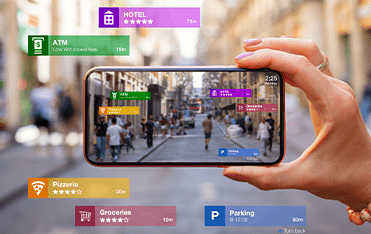
Simply put, Augmented Reality (AR) superimposes digital content and information onto a user’s real-life scenario to enhance their virtual experience of the existing physical environment. The improved version of the physical world is attained by leveraging the capabilities of the computer-generated display, visuals, sound, text, and graphics which augments the user’s real-world experience.
AR will allow you to search things visually by simply pointing out mobile cameras toward objects in real-life surroundings. The Live View feature in Google Maps is a leading example of how AR allows users to visualize their destinations in the real world. Nintendo’s Pokémon Go App and the photo filters on Facebook and Snapchat are some of the popular examples of AR today.
However, AR is not just a gaming or navigational application. Several industries today, including consumer products and retail, are implementing AR to improve their operational and marketing abilities. Leading ecommerce brands, as well as in-store retailers, are highly investing in AR to build and deliver top-notch brand experiences.
By 2024, the number of mobile AR users will reach 1.73 billion.
billion
0
By 2024, the number of mobile AR users will reach 1.73 billion.
Why Is Augmented Reality Important In Retail and eCommerce?
Millennials are the core shoppers today, and they need services at their fingertips! Standing in long queues to grab that limited offer is off the trend! Now shoppers love to book it first online.
With Augmented Reality in Retail, online shopping experiences takes a new turn. Customers get to virtually try on items, customize and interact with the products better so that they make quick and smart purchase decisions. Getting complete satisfaction with online shopping increases brand trust immensely, giving retailers an immediate boost to expedite sales! The more reasons to implement AR in Retail!
0%
40% of consumers say they would pay more for a product that they could customize in AR.
What are the Latest AR Trends in Retail?
Today’s customers value personalization and convenience over pricing and product. Augmented Reality allows brands to develop smart retail experiences that influence their customers’ buying decisions.
AR makes online selling easier and more comfortable by creating virtual simulations for users to interact with a product, just like how they try a fashion outfit in a physical store. Using AR, retail customers can virtually visit their favorite brand stores, try products, and make comparisons, without leaving the comfort of their homes.
Top AR Trends in Retail Today
Improved In-store Experience
Shopping Sizeable Products
WebAR
Try Before You Buy
Experiential Marketing
AR Product Configurators
Improved In-store Experience
Improved In-store Experience
Using AR apps on mobile devices, customers can now quickly access product details, try out varied colors of the desired products, and make purchase decisions faster without actually trying each one out. The popular brand Lacoste gained much traction when they implemented this AR feature to bring their sports shoe colors to life!
Shopping Sizeable Products
Shopping Sizeable Products
Furniture and electronics brands are now highly using AR to improve their point-of-sales by letting their customers view the size, color, and look of the products in their selected space! Here’s a look at how Fingent, using web-based AR and 3D configurator, is making business smarter for retailers.
WebAR
WebAR
Make your website content interactive! Shoppers today dislike skimming through large content to understand product features. With WebAR, retailers can implement top AR features on websites so that customers can view the styles and fittings of clothes and accessories in augmented reality without downloading any further apps. ‘Nike Virtual View’ is one example of this brilliant feature.
Try Before You Buy
Try Before You Buy
Virtual try-ons powered by AR allow customers to try products without physically visiting the stores. Top eyewear and cloth stores are now letting their customers visualize how they look in different products right from home before purchasing them.
Experiential Marketing
Experiential Marketing
AR’s interactive visualization features enable retailers to entice a consumer from product consideration to product purchase through experiential marketing. Top beauty brands are now allowing customers to experience scientifically validated skin assessments and photo-realistic makeup simulations.
AR Product Configurators
AR Product Configurators
Retailers can create interactive product catalogs that display each product in a digital format that customers can explore. Nike’s sneaker configurator employs AR technology that allows customers to personalize their sneakers extensively by browsing product catalogs, is a fascinating example of this trend!
AR will enable retailers to deliver impactful, well-timed, and relevant user experiences that increase customer value, both in physical stores as well as in ecommerce!
Enriching Customer Experiences With Smart Malls Of The Future!
Right from parking to shopping to food, AR is reimagining mall experiences.
Notify your customers on their mobile about your top deals as they walk past your store!
Make mall visits fun for your customers. Add in some AR games to the mix!
Watch more on how your business can leverage AR for a unique and smart mall experience!
Why is AR a Powerful Retail Sales Channel?
By 2025, nearly 75% of the global population and almost all people who use social or communication apps will be frequent AR users. AR adoption will see growth in these four key areas:
But why use AR for retail?
Research shows the top reasons why customers return their products.
AR-integrated ecommerce websites and applications can run on any smartphone allowing customers to contextually experience every product at scale. Immersive product discovery experiences lead to better conversions as retailers can capture shoppers’ attention at the decision-making stage.
Brands that implement AR for Retail Sales will see:
AR offers shoppers innumerable options to interact with consumer products in a more personalized way. Customers aren’t anymore held back by a limited number of product images and videos. With AR, every single online session can be turned into a powerful sales channel.
Capture shoppers’ attention at the decision-making stage | Allow shoppers to personally interact with products | Turn online browsings into powerful sales channels
0%
32% of consumers use AR while shopping!
How Does AR Increase Sales in Retail?
AR use cases in retail are growing in leaps and bounds. Across the B2C, D2C, and B2B realms, AR will bridge the gap between online selling and the customer experience in the following ways.
AR can improve complex warehouse operations by streamlining warehousing management activities such as order allocation and picking, inventory control, material handling, and packaging. Using an interactive 3D warehouse layout, retailers can improve their warehouse planning.
Locate products and process orders faster.
Quickly extract necessary information (order number, trolley number, deposit bin information, passage numbers).
Expedite loading and unloading processes.
Achieve zero-delay deliveries through warehouse optimization.
Increases your sale orders and drives revenue.
Virtual Fitting Rooms
Virtual fitting rooms allow your customers to try on clothing items, jewelry, and other accessories even if they don’t visit your physical store. Even without touching an item, shoppers can see the size, style, and fit of apparel before they buy it. According to Shopify, an omnichannel shopping experience powered by AR nudges online shoppers to spend 10% more.
Superimpose the visuals of your items on live video feeds for your customers.
Create a virtual dressing room using Augmented Reality features.
AR-powered virtual mirrors can save valuable retail space in your brick-and-mortar stores.
Avoid the need to set up separate trial rooms.
Placement Previews
IKEA Place App’s AR feature allows customers to visualize how a new piece of furniture will fit their space. After selecting an item from IKEA’s catalog, the customer can point their mobile camera anywhere in their surroundings to see the furniture’s placement, adjust it from different angles, take photos, and share it with their friends for feedback.
The highly interactive preview experience keeps users motivated throughout the buying journey.
The seamless and fluid experience will encourage customers to return for more purchases.
This automatically boosts customer loyalty and brand recognition.
Guarantees conversion ten times more.
Route Optimization
Not just online and shopping experiences counts to customers. When products are delivered quickly and smartly, there are much more chances for a customer to build their trust in brands. With AR enabling effective navigation capabilities, routes can be optimized for seamless delivery channels.
Develop AR-powered apps that enable the delivery teams to plan their travel smarter.
Plan shortest route options, traffic updates, map views, and more.
Support your delivery partners with additional assistance just from their smartphone cameras, leading them to the right routes.
Ensure no package delivery goes missed or undelivered.
Interactive AR Packaging
AR-enabled interactive packaging offers consumers a highly engaging shopping experience that will boost ecommerce and in-store sales. Customers could scan a QR code on the retailer’s package to understand the latest offers and discounts, new product roll-outs, or read the brand’s story. Jack Daniel Distillery’s smart AR packaging allows users to take a closer look at their whiskey-making process and explore their growth story.
With AR, product packages aren’t throwaway junk anymore.
Encourage users to scan QR codes on food packaging to get exclusive recipes and cooking videos of top chefs.
Use interactive AR techniques to encourage shoppers to recycle packages and share their product experiences with others.
Interactive Business Cards
AR takes your plain business cards to the next level by allowing you to add 3D objects, interactions, animations, and powerful virtual components on top of your physical business cards. When you point your smartphone camera toward the card, you can see an interactive display of your business profile. AR allows you to incorporate numerous features into your V-card such as videos, audio, images, 3D objects, social links, animations, and URLs, besides your contact info and designation.
Stand out from your competitors and provide prospects with instant resources.
Increase curiosity and prompts your clients to access more information about your business.
Immersive and unique experiences in the real world improve your business’s credibility and doubles lead capturing.
Interactive business cards shorten the sales cycle and increase customer appointments and engagement.
Complete Product Information
AR allows superimposing additional product information that your customers may not get easily in physical or online stores. Processing product information is the most significant aspect that influences a customer’s buying decision. Customers want to know if the products they buy will fit their purpose. Top automotive brands such as Mercedes Benz and Hyundai use AR-powered digital car manuals to explain automotive features in a highly interactive way.
Digitally delivering the right information will simplify the product discovery process for the consumer, boosting sales.
Customers can avoid scrolling through large user manuals.
Pointing to a specific feature with mobile cameras will provide the necessary information required to impact the buyer’s decision.
The age of analyzing products via videos and images is gone! Customers now need more! With AR, realtors can bring their products closer to their customers, enabling them to interact with the items meanwhile establishing added brand value and customer trust!
Real-World Cases Of Boosted Customer Experience with AR
AR Taking Cabin Manufacturing To New Heights: Use Case
Complex designs, large customer requests, and inaccurate floor plans often challenge and restrict the operational efficiencies of shed and cabin manufactures. Leading players of the industry are now trying to implement modern approaches at each stage of their process to streamline functions and improve performance. How can AR help in this?
With a customized software solution featuring 3D web configurators
Customers can build and design their own sheds using AR
61% of consumers say they prefer retailers with AR experiences.
Augmented Reality vs. Virtual Reality
Many people use Augmented Reality and Virtual Reality interchangeably thinking that both technological concepts are the same. Though both AR and VR help creates immersive and interactive experiences, both are different in their own niches.
Augmented Reality
Augments the real-world experience of the user
Creates virtual experience by overlaying digital content on top of what the user is already seeing
Detects markers such as barcodes or QR codes to deliver AR animations to specific user locations
Explored best with smartphones
AR SDKs empower mobile apps to detect and capture real-time user environments
Reflects true-to-life conditions and real-life scenarios
Virtual Reality
Creates a fully-immersive virtual environment
Total immersion is accomplished by shutting the user from the real-world
Virtual Reality Modeling Language or VRML experiences delivered via a client-side interface to simulate virtual environments
Explored best with a VR headset
VR SDKs allow users to navigate pre-loaded and cloud-stored streams by using controllers and environment trackers
Virtual representation of real-life conditions
0%
Augmented Reality Boosts Online Shopping Sales Up To 200% - Forbes
Augmented Reality In Retail: Why Is It Picking Up Steam In Today’s Digital Age?
AR will boost your customers’ trust and drive their purchasing confidence.
Real-time product visualizations and virtual trials ensure that retailers are able to deliver products that match their customers’ expectations. AR reduces your marketing costs and increases your customer satisfaction.
AR retail experiences will eliminate the friction between sellers and buyers and maximize the probability of purchasing. When customers receive their orders as expected, it will decrease your product returns.
The rise in ecommerce demands delivering more successful online experiences. Retailers leveraging augmented reality can rest assured that they aren’t left behind in the competition.
Interactive virtual experiences arouse your customers’ curiosity and motivate them to explore your products. AR experiences such as virtual try-on persuade customers to come back and shop for additional products.
AR-enabled shopping experiences collect insightful data on customers’ shopping patterns, buying behavior, interests, and preferences. Retailers can use these insights to run targeted marketing campaigns and develop more personalized products.
The demand for contactless experiences triggered by the COVID-19 pandemic is here to stay. As people are more concerned about their personal hygiene and contamination risks, retailers can employ AR to connect with their customers and keep the show running.
Customers place emphasis on the value they get when buying from you. CX is the key brand differentiator that boosts customer loyalty today. With AR, you can optimize every customer touchpoint to deliver unmatched CX.
AR ecommerce apps can serve as your shop assistants and sales agents that take you through product features and benefits. You don’t have to hire expensive labor for showing the customer around, as AR does the heavy lifting.
0%
71% of consumers say they would shop more often if they used AR.
Fingent’s AR-enabled Applications for Retailers
Be it in-store or ecommerce, Fingent top custom software development company, enables retailers to deliver seamless shopping experiences to their consumers by leveraging technology to the fullest. Our AR retail solutions effectively bridge the gap between consumers and sellers:
1. Advanced In-store Experiences
2. AR Product Visualizer
3. Interactive User Manuals
1. Advanced In-store Experiences
Leveraging AR, we build powerful retail applications that offer shoppers an enriching in-store experience. Some of our top solutions include AR pop-up stalls that drive more foot traffic to physical stores, AR product guidance applications, web-based AR ecommerce apps that don’t require separate downloading, virtual try-ons for jewelers and cloth retailers, and AR visual merchandising to build buzz and brand awareness.
2. AR Product Visualizer
AR offers an excellent opportunity for retail shoppers to personalize their products by adding or removing features according to their tastes. Personalized experiences lead to better and faster purchase decisions. Consumers can view their selections in real-time and on a real scale to narrow down their choices. AR helps them overcome the common retail challenges such as mismatch of color, size, fit, design, material, and quality. For instance, they can choose the right washing machine by examining its features, color, front load or top load, energy usage, and so on.
3. Interactive User Manuals
Virtual technicians and interactive user guides that display operation instructions using AR will simplify complex product installations and configurations. Using a smartphone camera, users can explore the features of an electronic device, a vehicle, or a coffee machine. By superimposing computer-generated displays on top of the user’s view of the product feature, AR will help them understand the product demonstrations and instructions quickly. Users can verify if they are executing each step correctly and follow the simple DIY troubleshooting tips to ensure that the product functions well.
Augmented Reality Reshaping eCommerce!
Bring showroom-like experiences to your customer’s fingertips.
No more restrictions on a wide range of product displays.
Let your customers interact with your products and customize them right from the comforts of their homes.
What more on how you can smartly and seamlessly deploy AR for your eCommerce!
How Fingent Can Help Your Business Build Intuitive Apps With AR
With our expertise around ARKit for iOS Platforms, Spark AR, Lens Studio, Vuforia, Web AR Solutions, and AR Core for Android Platforms we help create powerful user experiences that fetch a competitive edge.
eCommerce
Bring the “Wow” factor to your eCommerce with virtual try-ons, preview placements, AR filters, and more!
Healthcare
We help you deploy AR to improve medical training, pediatric MRI evaluation, venipuncture procedures, dentistry, and more!
Equipment Maintenance
With AR connect faster with your machines to work smarter at reduced costs, and effective time management.
Augmented Reality streamlines retail operations to make shopping easier and convenient for both online and offline buyers. AR replaces physical fitting rooms with virtual try-on solutions and allows consumers to configure products based on their preferences. AR modernizes retail marketing through personalized content delivery and offers contactless purchasing options which will boost online sales.
3D product visualizations and “try-before-you-buy” digital experiences allow retailers to reduce the cost of returns that affect their ROI. Retailers can develop 3D animations and visual simulations to improve consumer awareness and influence buying decisions. AR helps retailers analyze customer behavior, test their product samples, boost brand engagement, and augment sales.
Full-fledged 3D experiences can improve product research and discovery which will result in more sales. Retailers selling automotive, home furniture, consumer electronics, and lifestyle products can drive traction and make unique selling pitches through AR. Studies prove that AR increases the average product (images and videos) viewing time from 30 seconds to eight minutes. Linking purchasing decisions with the shopper’s emotions will eliminate their doubts about the product and increase your sales volume.
According to Snapchat, 76% of consumers believe that AR will play an integral role in future shopping, with 57% of consumers planning to increase their AR usage in post-COVID times. AR improves a retail brand’s discoverability and increases a consumer’s likelihood to purchase after an immersive experience. AR experience educates and motivates customers at multiple points in the shopping journey, thereby influencing their purchasing decisions.
Today, every retailer needs to pursue an omnichannel retail strategy that revolves around customer-centricity. This requires retailers to personalize their offerings in the best way possible. AR can simplify your personalization efforts as it’s a highly user-centric technology that tremendously transforms the way you market and sell. Augmented retail strategy improves both your business’s bottom line and customer experience.
For more than a decade, businesses in all industries have undergone a digital metamorphosis. This evolution is marked by a transition from on-premises software solutions to cloud-based computing technology.
By leveraging cloud-computing resources, businesses can gain access to scalable assets, increase organizational performance, and optimize digital agility.
It’s a mistake to think about cloud solutions primarily as software-as-a-service (SaaS) applications. While these technologies are a valuable component of business modernization, they’re only the tip of the iceberg.
Businesses that create their own cloud-native applications can truly harness the power of discrete cloud technologies to deliver long-lasting competive advantages. As their name implies, cloud-native applications are “native” to the cloud computing environment. In other words, cloud-native software development involves creating applications in components optimized for deployment in the cloud instead of a physical computing environment.
What Is Cloud-Native Development?
In simple terms, cloud-native software development is the process of creating applications using core cloud-computing principles and resources. The architecture of cloud-native applications is highly scalable, responsive, and dynamic.
Cloud-native applications are designed to be deployed and run in cloud computing environments, and as such, they offer a number of benefits to developers. Some of the advantages of developing cloud-native applications include:
Scalability: Cloud-native applications can easily (and often automatically) scale up or down to meet changing demand with consistent performance levels, making them well-suited for applications with fluctuating usage patterns.
High availability: Cloud-native applications can be designed to be highly available, meaning they can withstand failures and continue to function even in the event of a hardware or software failure.
Elasticity and Agile development: Using independent microservices isolates the effects of changes, making it easier for developers to iterate on their products and respond to customer needs.
Cost efficiency: By leveraging the economies of scale offered by cloud providers, businesses can reduce their infrastructure costs and invest in building and improving their applications.
Integration with cloud services: Cloud-native applications can easily integrate with other cloud-based services, such as databases, messaging systems, and analytics tools, which can simplify development and improve the functionality of the application.
Overall, the main advantage of cloud-native applications is that they are designed to take full advantage of the capabilities of cloud computing environments, which can help developers build and deploy applications more quickly, efficiently, and at lower costs.
Additionally, many cloud-native applications are “cloud-agnostic,” meaning they can be run on a range of cloud providers (hyperscalers) or function in multi-cloud environments. Much of the appeal of cloud-native software development lies in the ability to yield adaptable and versatile applications. Sometimes applications can benefit from services that are only available from certain cloud providers, which risks “vendor lockin,” so it pays to consider the trade-offs carefully.
Why Modern Businesses Need Cloud-Native Development
Like on-premises computing resources, software created with traditional application-development practices are bound by the limits of that technology. As such, they can’t provide the quality of experience that modern audiences expect.
Additionally, applications developed in an old-school environment often need re-factoring to try to match the performance of cloud-native alternatives when the former is introduced to a cloud environment.
By leveraging cloud-native development services, modern businesses can facilitate their digital transformation on a faster time horizon. Cloud-native processes enable businesses to serve their customers better and deliver a frictionless user experience.
Top businesses in virtually all industries leverage cloud-native development. Those that neglect to do so will fall further behind these trailblazers and find it challenging to maintain a foothold within their respective markets.
Adopting cloud-native processes is no longer an optional step—it’s become necessary for businesses that want to thrive in the digital marketplace.
Top Benefits of Cloud-Native Software Development
Your business can tap into the multiple benefits of investing in cloud-native software development. Specifically, your organization can:
1. Streamline the User Experience (UX)
When the goal of cloud native is to develop applications that can serve your business while adjusting to the speed of changing technology, the end user is always the priority.
Because of the improved speed of development and the ability to make changes during the development process, cloud native puts UX first. While there are many ways to enhance the UX, investing in cloud-native development is one of the most effective approaches.
2. Improves Development Strategy
Cloud-native applications enable developers to leverage two essential UX-centric methodologies: continuous integration (CI) and continuous delivery (CD).
Continuous integration is the process of merging code changes using automation. Multiple developers can merge code changes into a centralized project to streamline app development and generate a cohesive, fully functional product.
Continuous delivery addresses post-release application software updates. Instead of occasionally pushing out massive updates, CD involves delivering smaller updates more frequently. This short-cycle approach improves software delivery and performance while yielding a super UX.
Moreover, microservices can be easier to implement with quality assurance automation, which elevates achievable levels of code quality.
3. Protect Business Continuity
Making dynamic, user-friendly applications a central part of your business model can give you a competitive edge in the modern marketplace. However, if your application goes down, customer frustrations will mount, and your brand could experience lasting reputational damage as a result.
Since cloud-native apps can tap into stand-alone, scalable cloud resources, these products are far less likely to experience extended outages due to spiking utilization. Developers can more rapidly isolate and remedy the issue, as well as rapidly test changes when a cloud-native app experiences downtime, thereby protecting business continuity.
4. Meet Evolving Demands for Services
In the digitized marketplace, it seems as if customers’ expectations and demands are in a constant state of flux. Unfortunately, it can be difficult — if not impossible — to pivot rapidly using legacy application development processes.
Cloud-native architectures can give your organization the agility it needs to respond to sudden shifts in customer expectations. For instance, you could add a new feature that enables customers to communicate easily with your brand. You could also frequently update your app’s capabilities to improve overall performance and stay relevant in the digital marketplace.
In the long run, cloud-native software development outperforms traditional application development practices at every turn. Cloud-native development reduces risk, has broader scalability, and allows developers to make changes more quickly. Most notably, the speed of delivery is far and above one of the most compelling advantages of shifting to a cloud-native approach.
Your organization is undoubtedly using cloud-based computing resources in at least some capacity. You can complete the transition by modernizing your cloud-native development processes, too. Doing so will empower your business to regain a competitive edge within your respective industry.
At the same time, one should consider the downsides of cloud applications. Some cloud-native applications can be more complex than traditional applications, due to the need to integrate with multiple cloud-based services and manage distributed systems. This can create more opportunities for something to fail.
While cloud native applications can be cost-effective they can also be more expensive than traditional applications in certain situations, particularly if they require a large number of resources or if they have high usage patterns.
The Nexus Between Cloud-Native Development and Business Modernization
Today’s customers want the freedom to interact with brands across multiple touchpoints. This holds true whether your target audience consists of individual consumers or business-to-business (B2B) clients.
Modern businesses live up to this customer expectation by providing their clients access to user-friendly, intuitive, and dynamic applications. These organizations can expand their reach in the digital marketplace, connect with a broader audience, eliminate friction from purchasing processes, and generate more revenue, all by transitioning to cloud-native development.
Conventional, monolithic application development practices often present a significant hurdle to large-scale integrations, digital transformation and business modernization efforts. Your business can’t achieve its digital transformation goals without fully embracing the cloud-computing environment and its many resources.
Examining the Business Impact of Cloud-Native
The notion that cloud-native software development is the new gold standard isn’t just pure conjecture. This fact is supported by numerous case studies and research projects, including a recent business impact brief by 451 Research.
In the brief, the organization’s team reported that:
64% of companies develop at least half of their applications using cloud-native technology
49% of companies have partially or fully adopted Kubernetes
55% of companies have partially or completely adopted containers
451 Research analysts concluded that cloud-native software development has gone beyond the development process and evolved into a full-fledged methodology. As such, it should continue gaining momentum among brands passionate about actualizing digital transformation.
And that’s just the barest overview. Managers can review 451 Research’s business impact brief by downloading the report.
Why Choose Fingent for Cloud-Native Development?
Fingent’s suite of cloud-native software development services is designed to deliver maximum value to our clients. When leveraging Fingent’s cloud-native development services, your organization will experience:
Consistent, High-Quality Results: As a client-oriented cloud-native development firm, Fingent focuses on providing high-quality, consistent results that exceed expectations. Our robust, agile teams and dynamic quality assurance practices ensure that our deliverables expressly meet your needs and address your most significant organizational pain points.
Best-of-Breed Solutions: Fingent’s unique approach enables us to provide world-class cloud-native software development services that produce best-of-breed solutions. These cost-effective solutions will align with your budget and delivery timetable. With Fingent, you won’t have any last-minute surprises like budgeting issues or missed deadlines.
Prebuilt Services: Fingent’s talented team can build truly custom solutions for your organization. However, we can also expedite development by leveraging prebuilt frameworks, applications, and microservices for common functions that are a staple of virtually all industries. Some of these prebuilt services include cognitive AI, shipment, and payment service functions.
Pay-as-You-Go Models: With Fingent, you can transition away from speculative technology spending — that is, purchasing new machines and acquiring more infrastructure in anticipation that you will succeed. While it’s important to believe in your business and plan for its success, tying up resources on unneeded equipment for months or years will only harm your bottom line. But Fingent enables you to break the cycle of speculative spending and rely more on operational expenses (OPEX). Instead of letting new hardware gather dust in the data center until its eventual use, you can access additional servers on-demand via a cloud-native infrastructure.
Scalability: As your business grows, you must have the flexibility to support additional users at a moment’s notice. However, scaling IT capabilities can too time-consuming, and costly if you are limited by monolithic software architectures.Take advantage of Fingent’s expertise to create your cloud-native capabilities that are able to support more users in more locations, all while accommodating a dynamic array of devices.
Speed of Delivery: Fingent can help you stay on top by providing an expedited speed of delivery via cloud-native solutions. Skip the need to field a development team with the right mix of skills but assigning your project to Fingent. We facilitate an accelerated speed of delivery by shifting away from a “big bang” approach to project management when practical and instead focusing on achieving meaningful milestones across the project’s development life. We have the deep bench of personnel needed to keep projects moving ahead at the optimal speed.
Transparent Project Management: At Fingent, we always keep our clients in the loop. We’ll routinely provide you with updates regarding the status of your cloud-native development project. We pride ourselves on setting firm deadlines and adhering to them.
If you’re ready to achieve business modernization and make your organization a standout player in your industry, take advantage of Fingent’s cloud-native services. Contact us to discuss your latest project.
Stay up to date on what's new
About the Author
Dileep Jacob
Dileep Jacob is a Management & IT professional with an entrepreneurial flair. With over 22 years of experience, Dileep has been progressively serving the Technology service industry in the roles of Software Engineer, Business Analyst, Manager - Business Development, Senior Manager - Service Delivery, and VP - Operations. Currently, he is associated with Fingent as the Senior Vice President - Global Operations. Dileep believes implementing the right technologies most effectively can bring transformative and remarkable business results.
Top 10 Tech Stack That Reign Software Development in 2025
What is a Tech Stack?
A tech stack, also known as a software stack or development stack, is a combination of programming languages, frameworks, libraries, tools, and technologies that are used to develop and deploy a software application or system.
A tech stack provides a standardized and organized approach to software development, enabling developers to leverage the existing tools, libraries, and frameworks to build efficient and reliable applications. In other words, a tech stack represents the layers of software components and infrastructure that work together to create a functioning software product.
Layers and Components That Constitute a Technology Stack
There are three key components that make up a tech stack:
Client-side (frontend)
Client-facing side that consists of what the user sees and interacts with. Frontend technologies include HTML, CSS, JavaScript, and UI frameworks and libraries.
Server-side (backend)
The logic that runs behind the application and its features. Various backend programming languages and tools are used for handling the requests coming from the client-facing side. Backend technologies include web frameworks, programming languages, servers, and operating systems.
Database
Enables the storage of application data like user profiles or information about the product or software.
DIFFERENT LAYERS THAT CONSTITUTE A TECH STACK
1.
Operating System (OS)
The underlying software that manages computer hardware and provides services for other software applications.
Examples include Linux, Windows, or macOS
2.
Server-Side Programming
Includes the programming languages and frameworks used for developing the server-side components of an application.
It involves handling business logic, data processing, and communication with databases and external services.
Examples: Java, Python, Ruby, PHP, Node.js, etc.
3.
Web Server
The web server handles HTTP requests and serves web pages to clients.
Examples: Apache HTTP Server, Nginx, Microsoft IIS, etc.
4.
Database
This layer involves selecting and configuring a database management system (DBMS) to store and manage the application's data.
Examples: MySQL, PostgreSQL, MongoDB, Oracle, etc.
5.
Client-Side Programming
This layer consists of programming languages, frameworks, and libraries used for building the user interface (UI) and client-side logic of an application.
Standard technologies include HTML, CSS, JavaScript, and frameworks like Angular, React, Vue.js, etc.
6.
Frontend Frameworks/ Libraries
This layer comprises specialized frameworks and libraries that simplify the development of interactive user interfaces and frontend components.
Examples include React, Angular, Vue.js, Ember.js, etc.
7.
Deployment & Infrastructure
This layer involves the tools and technologies required to deploy, host, and manage the application in a production environment.
Examples: Cloud platforms (such as AWS, Azure, and Google Cloud), containerization technologies (like Docker and Kubernetes), deployment automation tools, and monitoring systems.
The specific technologies and components chosen for each layer may vary depending on your project requirements, scalability needs, performance considerations, target platforms (web, mobile, desktop), and your software development partner’s expertise.
A classic, time-tested stack of technologies that stands for – Linux (Operating System), Apache (Web Server), MySQL (Database), and PHP (Programming Language).
LAMP is one of the first open-source software stacks commonly used to develop and deliver web applications today.
Efficiently handles dynamic web pages wherein content changes each time when a page is loaded.
Allows you to choose components based on your specific business requirements. For instance, instead of Linux OS, you can choose Windows OS to form a WAMP stack or macOS to form a MAMP stack. You can also swap PHP in the stack with Perl or Python to get the desired results.
MEAN stack comprises MongoDB (Database), Express.js (Backend framework), Angular (Frontend framework), and Node.js (Runtime environment).
MEAN is an end-to-end JavaScript stack that allows you to use a single language throughout the stack. This helps you reuse the code across the entire application.
All the technologies in MEAN stack are free and open-source and are supported by a vibrant community.
MEAN stack technologies are ideal for cloud hosting since they are flexible, scalable, and extensible. The stack can be deployed easily as it includes its own web server.
The database can be scaled on-demand to accommodate usage spikes temporarily.
When you replace Angular in the MEAN stack with React, it becomes MERN. React is one of the most popular frameworks used for building high-end, single-page applications with interactive UI.
React uses JSX, a syntax extension to JavaScript, which provides a way to structure component rendering using syntax familiar to many developers.
React uses Virtual DOM (Document Object Model), that allows changes to be implemented easily.
Since React is a library and not a framework, developers may have to rely on third-party services to build the desired functionalities.
Ruby on Rails (RoR), or simply Rails, is a server-side web application framework written in Ruby under the MIT license.
Rails is an open source, object-oriented, model–view–controller (MVC) framework that provides default structures for a database, a web service, and web pages.
ROR offers innovative features such as seamless database table creations, migrations, and scaffolding of views to enable rapid application development.
The framework encourages and facilitates the use of web standards such as JSON or XML for data transfer and HTML, CSS and JavaScript for user interfacing.
.NET is an open-source developer platform made up of tools, programming languages, and libraries for building modern, scalable, and high-performing desktop, web, and mobile applications that can run natively on any operating system.
There are various implementations of .NET that allow the .NET code to execute on different operating systems – Linux, macOS, Windows, iOS, Android, and many more.
C#, F#, and Visual Basic are the three Microsoft-supported languages for NET development. There are many third-party created languages that work well with the .NET platform.
.NET is a highly coveted software development platform due to its advantages such as ease of development, code reusability, extensive support for high-performing applications, strong built in security measures, and active community support.
Django is a high-level Python web framework that encourages rapid web development with a clean, pragmatic design. Both Python and Django are widely used together for building full-stack applications.
Leveraging the Django-Python stack for application development allows you to use modern technologies including: PyCharm, Python, HTML, CSS, and JavaScript.
Developers can combine the stack with Apache web server, MySQL, and the Django framework for server-side development.
Django supports low-code web app development and also helps manage rising volumes of traffic and API requests to meet changing business needs.
Flutter is an open source framework by Google for building multi-platform applications from a single codebase.
Flutter is powered by Dart, a programming language optimized for fast apps on any platform.
Flutter can use Google’s Firebase on the backend which allows you to build highly scalable applications.
Flutter’s built-in widget catalog and UI toolkit allow you to build high-performing, natively compiled mobile apps with visually exciting application elements.
React Native is a JavaScript framework for building native iOS and Android mobile applications. The framework is based on React, a JavaScript library built by Facebook for UI development.
React Native applications are written with a mixture of JavaScript and XML markup. Applications built using React Native render using real mobile UI components, which means the apps look like any other mobile application.
Applications built using React Native provide a high level of reliability and performance and deliver a superior user experience.
The framework allows developers to reuse up to 100% of their code between different environments which saves a lot of development time.
Java Enterprise Edition (JEE) provides a platform for developers with enterprise features such as distributed computing and web services.
Java EE applications are usually run on reference run times such as microservers or application servers, which are ideal for creating e-commerce, accounting, and banking information systems.
Java EE technology is the de-facto standard for delivering secure, robust, scalable multi-platform applications and services that are portable across all the Java compatible, Enterprise Edition products available today.
Java EE has several specifications for making web pages, reading and writing from databases in a transactional way, and managing distributed queues.
Serverless architecture is one of the latest trends in software development that allows developers to focus solely on the application code instead of worrying about infrastructure and server management.
The serverless stack leverages cloud computing services such as AWS Lambda, Google Cloud Functions, and Azure Functions to create scalable and cost-effective applications without dedicated servers.
Since the serverless architecture is based on the Functions as a Service (FaaS) model, you don’t have to pay for unused server resources, which makes the stack highly cost-effective.
Serverless stack makes it easy to manage traffic spikes and server resources during peak times since the cloud provider automatically scales the application up or down based on the number of requests.
Benefits of Using Tech Stacks in Software Development
Improves developer efficiency and productivity by streamlining the development process and reducing the time and effort required to set up and configure various components.
Allows developers to focus on perfecting their code and building new features rather than dealing with integration issues or reinventing the wheel.
Offers a standardized approach to development, ensuring consistency across the project, and provides the essential guidelines and best practices for coding, architecture, and deployment.
Promotes code reuse and maintainability and improves the overall quality of the software.
Popular technology stacks are often backed by active developer communities that provide extensive documentation, tutorials, forums, and support resources to help software developers.
Modern technology stacks are scalable as they help handle increased traffic, data volumes, and user interactions, so your application can be adapted quickly to changing business demands without making any significant architectural changes or disruptions.
Compatibility and interoperability between various components of different technology stacks enable smoother data flow and communication between components.
Components within the stack are designed to work together seamlessly, allowing developers to leverage optimizations and best practices specific to the chosen technologies.
By choosing a popular and well-supported stack, developers can reduce the risk of encountering major technical issues, security vulnerabilities, or lack of support.
Availability of free and open-source components (open-source frameworks, libraries, and tools) in tech stacks significantly reduce your licensing costs and encourage your team to build robust and feature-rich solutions without incurring additional expenses.
7 Tips For Choosing Your Technology Stack
Сhoosing, the right technology stack for your web development is a success factor for a project. Aligning technology stack opportunities with your web development functionalities might not suffice in each case, as there are multiple factors to look upon when choosing a technology stack for your project. Here are seven aspects that can help you make the right choice.
7 Factors to Consider when Choosing the Right Tech Stack
1. Define the scope of the project
2. Scalability requirements
3. Technology & Team Expertise
4. Time to market
5. Security requirements
6. Maintenance
7. Development Cost
Define project size, complexity, and functionality
The tech stack used for a small project might vary from that used for bigger projects. The size of the project is a key factor to look out for when choosing a technology stack. Also, the complexity and functionalities of your project matter. If your project is complex and includes heavy functionalities, it is wiser to choose an advanced technology stack.
Scalability requirements
As your project progresses and grows, the tech stack should have the potential to scale sufficiently. You should choose a technology stack that allows for adding new compelling features and handles unpredictable increases in user numbers.
Technology & Team Expertise
It’s important to determine whether or not your team will be able to maintain the application once it is deployed. Consider your team’s experience and expertise when choosing a tech stack. It will be better if you know that your team can use a tech stack successfully and doesn’t require additional training; otherwise, there is no need to consider one.
Time to market
When choosing a tech stack, ensure that it can accelerate your development process without hampering the quality and closes within the deadline.
Security requirements
If your app will handle confidential user data and information, security plays a major role. You need to pick a robust tech stack with fully secured standards & support a high-end security framework to meet your app development goals.
Maintenance
The development process doesn’t end with the app launch, which needs ongoing nurturing at every stage. It is a good practice to choose a tech stack that is easy to maintain by your development team for easy upgrades & regular maintenance.
Development Cost
Despite the fact that many technology stacks are available in the market as open source, they may not incorporate desired functionalities or features you are looking for. Most tech stacks come with a subscription fee if you need special or advanced features. Licensing and maintenance also incur a cost. Furthermore, some technology stacks demand huge salaries for their developers. The overall cost of the technology stack leans on all these factors.
Deliver Top-Notch Banking Experiences to Your Customers!
“Give me six hours to chop down a tree and I will spend the first four hours sharpening the axe.”
– Abraham Lincoln
What Should Be Your Next Step?
Once you have compared and analyzed different technology stacks and discovered the best stack that fits your project, the next step is to start the software development process. But before you start, there is some groundwork to be done which involves these steps.
Project Planning
Plan the development process, determine the project scope, set timelines and milestones, and allocate resources accordingly.
Team Composition
Hire software developers and experts depending on the size and complexity of your project. Ensure your team has the necessary skills and experience to deliver the project.
Development Environment
Install the necessary software, tools, and libraries for setting up your development environment. Configure the environment correctly and provide the required level of access to your team members.
MVP Development
Develop a working Minimum Viable Product (MVP) that you can share with users to validate your idea. Add more features and functionalities based on the user feedback.
Testing and Deployment
Test the application thoroughly to identify and resolve bugs, ensure the application works as intended to give the desired results, and deploy it to the production environment.
How Fingent Helps?
Being a top custom software development company, Fingent adopts the most efficient and modern technology stacks that can make your software products highly competitive and capable of fulfilling your organization’s unique requirements. Here are some of the best practices we follow when selecting software stacks for our clients’ development projects:
When building a custom software application for our client, we choose a consistent, standardized software stack.
To reduce development time and streamline resources, we use backend development tools that are designed to work together seamlessly.
We never follow a one-size-fits-all approach when selecting a tech stack. Instead, we emphasize on employing a tech stack that provides unique advantages to our clients’ software applications.
With the right tech stack and a skilled software development team by your side, you can build innovative software solutions that solve your business challenges and delight your users. If you have any questions on tech stack selection or need free software consulting services, get in touch with our team.
Picking on the right technology stack for web development is an important marker of the company’s priorities and culture. It is a huge responsibility that must be done with careful research and planning. Various factors, such as your web application’s speed, quality, and security level, will depend on the chosen technology stack. Hence, it is advisable to identify the pros and cons of the various technology stacks in the market.
Choosing the right technology stack is a crucial step in your product development and is key to its success. Here are the key pointers to consider when selecting a tech stack.
Migrating your less-performing or outdated tech stack to a tech stack of your choice is possible. However, it is a relatively time-consuming and costly process. Switching to the right tech stack may skyrocket the growth of your application. It requires rigorous analysis and perfect planning before deciding to move.
Choosing the wrong tech stack can result in operational problems that can pile up until they become unstoppable.
>> The need to update your existing software with a modern technology stack.
>> Vulnerable to security threats
>> Limitations in creating and adding new features to the software
>> Lack of knowledge in your in-house team who can use the tech stack
>> Tech stack without scalability feature results in crises as your business grows
Stay up to date on what's new
About the Author
Arun Thomas
Arun is a full-stack developer at Fingent. He spends a workday experimenting with Jquery, CSS, HTML; and dabbles with Python, Node, and PHP. With a broad skill set ranging from UX to Design, and from front end to back end development, Arun enjoys working in challenging projects and is always on a go-to learn something new.
Organizations are enhancing their competitiveness by prioritizing digital transformation as the global marketplace becomes increasingly crowded and interconnected.
Broadly speaking, the concept of digital transformation involves the systematic evolution of core and auxiliary business processes to take advantage of advances in computing and software systems to increase efficiencies.
However, no digital transformation initiative will be effective unless it involves an app modernization component.
Also referred to as “application modernization,” app modernization enables organizations to transform effectively, increase their competitiveness, and differentiate themselves within their respective industries.
What is App Modernization?
A “legacy” system uses outdated software or computing hardware to deliver important organizational capabilities but cannot interact with other systems or be updated effectively. App modernization is the process of addressing known issues in outdated legacy software. The issues may include:
Software problems (“bugs”) that cannot be resolved fast enough,
Missing features will take too long to add,
Fragile code (changes tend to create new problems),
Technology obsolescence (e.g., few programmers for the source code language used),
A software vendor is out of business, etc.
Commercial off-the-shelf software (COTS) may not provide source code access, preventing an organization from addressing software issues. When pursuing app modernization for software for which source code is available, your organization can choose between one of three approaches:
Revitalizing an application old applications
Replacing an application technology with custom-built solutions
Rehosting or re-platforming
Organizations that choose to revitalize old applications will be updating existing software with new capabilities and features. This may also include refactoring (editing the software to do the same things better).
Other companies may elect to get rid of aging technology to replace it with new, custom-built solutions or with a COTS solution.
In some instances, though, to achieve performance improvements, you may just need to move your existing application onto a more powerful computing engine, typically today on a modern, cloud-based infrastructure — a process known as rehosting or re-platforming.
How do you know which is the best app modernization option for your needs?
Particularly old or antiquated legacy technology will need to be replaced, whereas newer solutions might be suitable for repurposing or retrofitting. Rehosting is the most pragmatic approach if an application still meets your business’s needs but is negatively impacted by your current infrastructure.
When updating existing software, your app modernization team will need to rewrite code to add new features to your solutions. While this can be a tedious and time-consuming process, it may be more efficient than rebuilding a new solution from the ground up.
Opting for the more labor-intensive choice of modernizing by replacing legacy systems may provide more substantial long-term benefits altogether, especially if the landscape of your industry has changed significantly since you installed your current technology suite. Proper planning will control how the migration to a new system occurs and to what extent a legacy system needs to be operational during the transition.
In order to determine which approach is most appropriate for your business, you should first consider whether your current application effectively meets your company’s needs. If it doesn’t, you will need to either repurpose or replace your technology, but if it does, a simple rehosting might be the most practical option.
Application modernization is a core component of digital transformation. If your company’s current applications do not effectively meet its needs or promote efficiency, you will never be able to meet your digital transformation goals. In a 2019 IBM-Forrester survey, 40% of developers reported being more productive when on the cloud in a digital transformation.
Instead, you will always be working from a disadvantage, which could allow your competitors to encroach on your market share within your respective industry.
App modernization will not only enable you to fulfill your digital transformation goals, but it will also empower your business to operate more efficiently, enhancing the customer experience, paving the way for future growth, and boosting revenue.
You cannot approach app modernization haphazardly, or you could experience significant and potentially prolonged disruptions to your company’s operations.
Remember, app modernization efforts will impact the functionality and performance of your company’s core software solutions, such as your customer relationship management platform and accounting software, so with that in mind, you must gauge the costs of an app modernization initiative.
Identify what goals you want to achieve, plan how long it will take to achieve those objectives, and seek the support of a third-party technology firm that will be able to provide an objective perspective and help you determine which approach to pursue when you start your journey toward app modernization.
To decide which of these approaches is most suitable for your business, you must take an objective look at the state of your technology stack. Is the version of all elements of the stack up-to-date? Are frameworks and languages still “main stream?” If your current solutions impede business growth, it is likely time to replace them or, at minimum, rewrite them.
Rehosting can be incorporated into your app modernization strategies in two ways. If you have an application that meets your needs, you can simply migrate the app from a native architecture to a cloud-based one. Additionally, you can incorporate rehosting into your rip-and-replace or rewrite app modernization process, as transitioning to the cloud will improve the performance of any application.
Steps to Kickstart Your App Modernization Journey
The entire process can feel daunting and overwhelming when you are at the precipice of your app modernization journey. Still, you can jump-start your digital transformation and app modernization efforts through the following techniques:
1. Finding Your Why
First off, outline why you want to modernize your applications. Defining your “why” will help you and your team stay focused once your modernization journey is underway.
2. Assess Your Talent
Take an objective look at your in-house team and its capabilities. Are they going to be able to oversee your app modernization effectively? If not, it might be time to bring in some outside resources.
3. Decide Whether You Want to Move to the Cloud
Suppose you have invested heavily in on-premises resources in the past; in that case, it might be tough to move on from these assets and transition to the cloud. But making the switch will benefit your business both now and in the long run, so you should at least consider the notion.
4. Assess Risk and Act
Finally, you need to assess the risks associated with each app modernization option. Outline the benefits of rewriting your current applications, replacing them altogether, and migrating to the cloud. Once you have calculated the costs of app modernization, choose the option that best aligns with your needs and take action.
How Fingent Can Help in Successful App Modernization
Leveraging app modernization to enhance the efficacy of your digital transformation effort is a huge undertaking. Fortunately, you don’t have to navigate this process alone, as you can partner with a talented software development team like that of Fingent.
Fingent’s team of experts can help you apply the latest technologies to your business, including cloud-native solutions, artificial intelligence tools, and machine learning software.
Contact us today to learn more about how we can assist with your app modernization efforts.
Stay up to date on what's new
About the Author
Tony Joseph
Tony believes in building technology around processes, rather than building processes around technology. At Fingent, he specializes in custom software development, especially in analyzing processes, refining them, and then building technology around it. He works with clients on a daily basis to understand and analyze their operational structure, discover (and not invent) key improvement areas, and come up with technology solutions to deliver an efficient process.
You can reach him at [email protected], Skype: tony_fingent
Modernization is a desire to stay relevant and grow. App modernization does just that for businesses. It enables them to stay relevant and grow. In line with that, organizations worldwide are scrambling toward digital transformation. How does that benefit businesses?
App modernization or updating older software for newer computing approaches extends the lifespan of an organization’s applications while allowing it to take advantage of technical innovations. It is like renovating an old house to improve efficiency, safety, structural integrity, and more.
However, there have been occasions when the app modernization project has failed. This has been a concern to most business owners considering digital transformation. Are you one of them? If so, through this blog, you can learn why and how to avoid app modernization failure.
First things first. Does your company need app modernization? If so, why?
Why Your Company Needs App Modernization
Apart from what we discussed earlier in this blog, app modernization integrates new features to keep up with the latest business requirements. Even so, many business leaders wonder if their business needs app modernization. Here is a list of specific reasons for you to consider:
It allows you to create new features and services that align with your current business needs and goals. In addition, you can personalize these features to ensure long-term value creation.
Educating new and older employees becomes easier as app modernization can automate tedious and repetitive processes.
App modernization helps you leverage the benefits of the cloud environment, allowing you to provide fast and efficient customer service.
App modernization allows you to add newer features, services, and functions. These, in turn, increase customer satisfaction leading to increased revenue.
Why, then, does app modernization backfire at times? And how can you ensure the success of the project?
When an app modernization project fails, it may pose serious problems for your business, including wasted resources and time. Failed app modernization may hinder agility and keep your business from capitalizing on modern technology. It was noted that an alarming 79% of app modernization projects still fail. Why? Surprisingly, the failure is not due to the new system or methodology, nor caused by the modernization vendor. The reasons are much deeper. Here are the top 5 reasons why app modernization projects fail:
1. Ignoring the business process
Modernization efforts fail when the business process (accounting, inventory, finance) is poor, and a business tries to correct it with new systems. That will never work. Businesses must first understand what is slowing them down. Determining the problem is the right foundation for successful app modernization.
2. Implementing new systems without considering drastic business changes
When entirely new systems are implemented without considering the drastic business changes, the employees are forced to adapt quickly. In addition, such practice forces the business to evolve to fit the new software. Instead, the software must adapt to fit the current business process and requirements.
3. Businesses mistakenly assume that they are ready for a complete revamp
Most businesses believe that they are ready to replace the old system with new systems, and the business will run better. Now that is a huge mistake. Completely replacing all systems can send your business and your employees into shock. It may even change how customers interact with the business. A better approach is to modernize in calculated steps.
4. Failing to adopt an agile software
The pandemic helped us see that agility is king. Adopting inflexible applications can have disastrous consequences on your business. If you want to be future-ready, replace rigid applications with agile applications.
5. Failing to consult the end user
Modernization projects that do not involve the IT department and the end user fail as they do not consider how the new solution fits business needs.
The Secret to A Successful App Modernization Project Journey
Every business that embarks on a modernization project journey faces many challenges. The success of your app modernization efforts comes down to two key components: your IT team and your employees. As teams go through this journey, use these secrets to avoid failure and ensure success.
Secret 1. Build a cross-functional team
When choosing a team or developing an innovation group, build a cross-functional team that can focus on developing the culture, process, and tools needed to improve the modernization process.
Secret 2. Toss it, sort it, and commit to it
An effective business principle is to welcome all ideas and sort them, but when a decision is reached, you must commit to it and execute that above all else. Doing so will ensure the progress of the project.
Secret 3. Map out the development workflow
Mapping out a development workflow can help you when you encounter complexities in the project. It helps you look at every tool being used and identify dependencies.
Secret 4. Set milestones
Projects may change. Setting small modernization goals will help you adjust your long-term plans and reduce engineering risk. Focus on many small steps when planning for a major milestone. Doing so will ensure smooth progress from one step to another.
Secret 5. Prioritize data into categories
If you prioritize data into high, moderate, or low categories, you can decide what safeguards to have for each category.
Secret 6. Do not sew a new cloth on an old cloak
Take a hard look at your development workflow and identify habits that could derail your app modernization process. Don’t just patch up old problems with a new tool. Remember, these problems can derail new tools, so don’t patch, fix.
Secret 7. Keep your team in the loop
Your team may find it challenging to develop the knowledge they need to work on the new tools. Keeping them informed about the new tools and training them to navigate new workflows can ensure the success of application modernization.
Several aspects may factor into a successful modernization. That is why modernization endeavors are so challenging. However, implementing the above secrets can help the success of app modernization efforts.
Tony believes in building technology around processes, rather than building processes around technology. At Fingent, he specializes in custom software development, especially in analyzing processes, refining them, and then building technology around it. He works with clients on a daily basis to understand and analyze their operational structure, discover (and not invent) key improvement areas, and come up with technology solutions to deliver an efficient process.
You can reach him at [email protected], Skype: tony_fingent
The world of programming has come very far, and it continues to evolve. What this gives you is – options. Out of the many ways to fabricate these programs, the two most common ways are functional programming and microservices. This blog gives you an in-depth view of both of them.
To understand the similarities and differences between these two, we must first understand how they work individually.
What Is Functional Programming?
Functional Programming (also called FP) is a programming paradigm in which everything is bound together by using pure mathematical functions. Its programming style is declarative because it focuses on “what to solve” instead of “how to solve.”
FP is mainly based on the ancient Lambda Calculus developed in 1930. It is famously known as the smallest programming language in the world, and it defines what is computable. Functional programming languages are classified into Pure Functional Languages and Impure Functional Languages. A few examples of Programming Languages that support functional programming are – Haskell, JavaScript, and Python.
Microservice architecture, or simply Microservices, is a modern perspective on software whereby application code is conveyed distinctively in small, manageable pieces. It mainly focuses on building small, self-contained, and ready-to-run applications that can bring great pliability and added resilience to a code.
Each service functions independently in its own process, making microservices a service-oriented architecture where applications are built as a collection of divergent smaller services rather than one whole monolithic app. The programming languages that support microservices development are – Java, Golang, Python, .Net, and Node JS.
How Are Functional Programming And Microservices Similar?
Although Functional Programming and Microservices are very different, a few similarities can be noted between them.
They have a shared goal of deployed elasticity
Both functional programming and microservices are formulated to scale and load-balance simultaneously with any increase in demands
They are also designed to replace faulty instances
They both share a concept of encapsulation and clear separation
Both functional programmes and microservices are small, which means they both carry the minimum amount of logic
When using microservices or functional programmes, utmost discretion is advised since the major quality of experience problems could develop.
The most significant point of similarity between the two is that neither functional programming nor microservices should store data within a component.
With the help of transport independence and pattern matching, services can be edited from your system, letting you reposition the topology with each deployment. If you look closer, this benefit emerges from the similarities between microservices and functions from functional programming.
How Is Functional Programming Different From Microservices?
Although often associated together, microservices and functional programming are fundamentally quite different, especially regarding software design and development. A few of these differences are listed and explained below:
Reasons for small size – Microservices are small to facilitate better generalization, which capacitates developers to contrive applications from a collection of small functional units. Whereas functional programmes are small to perform limited tasks. Functional programs cannot be composed into applications; instead, they are linked with events.
Functional programming concepts aggressively exercise stateless behavior. It emphasizes mostly on generating the same outputs from the same inputs. While microservices usually exhibit stateful behavior because they conserve state throughout a database, which is also called back-end state control.
Functional programming performs on asynchronous outside triggers cited as event flows. Alternatively, microservices are called by other software when they are required to be part of a workflow.
At a specific point during processing, you’re probably calling a microservice if you want to call an individual component. Still, if you want to respond to something external, that’s generally pursuant to functional programming.
Organized functions have sequences in place of workflows, and every step in the processing of an event is likely set on by the step before it. On the contrary, all activations of your software associated with microservices are explicit calls, so you don’t have to worry about figuring out how to keep the steps in sequence.
Exploring how they will sequence the steps in their scheduled functions is imperative for functional programming, but concurrency is the key with microservices.
Since microservices are called by other software, you can control how they are called, so you can control concurrency. Alternatively, you can expect event-driven functions to be concurrent.
Under What Circumstances Are Functional Programming And Microservices Best Employed?
Functional Programming:
Typically it is used for mathematical operations, AI, and pattern matching; generically, anything that can be broken down into a set of rules that must be utilized to get a solution.
Some of FPs advantages that make it better employed are –
It helps solve problems effectively in an easy way.
It increases modularity.
It allows the implementation of lambda calculus in programmes to solve complex problems.
Some programming languages endorse nested functions which improve the tenability of the code.
It improves the productivity of the developer.
It helps debug any code briskly.
Microservices:
Microservices have quintessentially changed the way server-side engines are fabricated. Making the most of microservices is a unique science and requires discipline.
A few of their advantages that make them better employed are –
Each microservice, as needed, can evolve independently, enabling constant improvement and faster app updates.
Resources can individually be increased to the most needed microservices rather than scaling an entire app. Therefore scaling is faster and usually more cost-efficient as well.
If a particular microservice fails, you can prevent cascading failures that would cause the app to crash by simply isolating the failure to that single service.
Its smaller codebase allows teams to understand the code more easily, making it simpler to maintain.
Microservices boost agility by reducing the time to market and speeding up your CI/CD pipeline.
Sreejith leads the Open Source Team at Fingent. He has been programming professionally since 2007, specializing in full-stack architecture, Python, and open-source tech stacks ranging from the "boring"(read tried and trusted) to the cutting-edge. Beyond software architecture, Sreejith is a recognized industry author and thought leader, contributing to the global tech community with his experiences with the latest technologies.
Technology is getting better and better each day. Several technologies and architectural patterns have emerged and evolved during the past few years, and it only gets better with time. Microservices architecture or microservices is one of those patterns. It emerged from the world of domain-driven design and persistence.
In this article we will cover:
What is microservices architecture?
The difference between microservices, monolithic architecture, and service-oriented architecture (SOA)
The benefits and examples of implementing Microservices Architecture.
What Is Microservices Architecture?
Microservices architecture is a specific method of designing software systems that can structure a single application as a collection of loosely coupled services.
Microservices architecture is made up of several components in their own individual compartments in the software. This makes them independently upgradeable or replaceable.
Microservices architecture simplifies the process of building and maintaining certain types of applications by breaking them down into many smaller pieces that work together. Though this increases the complexity, it offers greater advantages over the monolithic structure.
Now you may wonder: Isn’t Microservices just another name for monolithic architecture and service-oriented architecture (SOA)?
Microservices Architecture Vs. Monolithic Architecture
In the current age of Kubernetes, Monolithic architecture faces many limitations. Please note a few:
Monolithic architecture is a single application. It is generally released once a year with the newest updates. Whereas, Microservices architecture is cloud-based and can be updated as required.
Monolithic architecture is slow. Modifying a small section may require complete rebuilding and deployment of the software. Microservices on the other hand are faster to deploy and quick to isolate any defects.
Monolithic architecture is harder to adapt to the specific or changing product lines while individual models of Microservices architecture enable scaling and development.
Microservices Architecture Vs. SOA (Service-oriented Architecture)
Microservices architecture is distinct from SOA. Here are a few differences:
SOA model is dependent on ESBs and so it is slower. Whereas, microservices is faster as it leverages faster-messaging mechanisms.
SOA focuses on imperative programming style, while microservices focuses on a responsive-actor programming style.
SOA has an outsized relational database. But Microservices architecture tends to use NoSQL or micro-SQL databases.
Microservices architecture can help your business grow quicker, increase productivity, and innovate better to deploy competitive products into the market. Here are some specific benefits of the Microservices architecture:
1. Better organization for efficiency
Microservices architecture organizes business applications. It can extend those applications to support plugins for new features, devices, etc. You can easily add more features to each of those popular applications to generate more revenue.
2. Increased scalability
Microservices architecture divides applications into smaller modules. Each of these modules can operate independently enabling businesses to scale applications up or down, as required. As these modules operate independently, a fault in the single module does not mean disruption of the entire system.
If one module fails due to outdated technology or the inability to further develop the code, developers can use another module. In other words, the applications continue to function even when one or more modules fail.
This capability allows developers the freedom to build and deploy services as needed without having to wait for the entire application to be corrected.
3. Easy to maintain
It is easier to maintain and test a single module as opposed to an entire system. Since each module has its own storage and database, organizations can build, test, and deploy all the modules with less complexity.
4. Faster development
Since all modules are loosely coupled, change in one module does not affect the performance of the other. This means you can update a single module at a time leading to faster development.
5. Enhanced performance
Microservices architecture can enhance the performance of the application. It reduces downtime while developers take their time to troubleshoot the issue and bring the system back to normalcy.
6. Dynamic yet consistent
The individual modular approach in Microservices architecture is easy to replicate. This allows for consistency in applications, which in turn makes managing these modules simple and easy.
Prominent Examples of Successful Microservices Implementation
Prominent examples of Microservices architecture are Amazon, Netflix, Uber, and Etsy. Over time these enterprises refactored their monolithic applications into Microservices-based architectures. This move has helped to quickly achieve scaling advantages, greater business agility, and unimaginable ROIs.
1. Amazon
In the early 2000s, untangling dependencies was a complicated process for Amazon developers. It faced development delays, coding challenges, and service interdependencies.
However, Amazon assigned ownership to each independent service team. This allowed the developers to identify the bottlenecks and resolve issues more efficiently. Also, it helped them create a very highly decoupled architecture.
2. Netflix
Within a year of starting its movie-streaming service, Netflix was suffering from service outages and scaling challenges. It experienced major database corruption and was on standstill for three days! That is when it decided to move towards more reliable, horizontally scalable systems in the cloud.
First, Netflix moved its movie-coding platform to cloud servers as an independent microservice. This allowed Netflix to overcome its scaling challenges and service outages.
3. Uber
Uber, the ride-sharing service faced growth hurdles. It struggled to launch new features, fix bugs, and integrate its global operations. Besides, it became increasingly difficult to make minor updates and changes to the system.
Uber then decided to move to cloud-based microservices. This allowed its developers to build individual functions like trip management or passenger management. This boosted the speed, quality, and manageability of their services. Among other things, they achieved more reliable fault tolerance.
4. Etsy
Etsy experienced poor server processing time. However, with the help of Microservices architecture, Etsy created a variety of developer-friendly tools and went live in 2016. From that point forward, Etsy benefits from a structure that supports continual innovation, faster upgrades, and more.
How Fingent Can Help You Implement Microservices Architecture
Microservices architecture supersedes SOA and monolithic models. However, it has its challenges. This is where Fingent comes to your assistance.
Fingent top software development company can help you implement Microservices Architecture correctly to improve your productivity and ROI. Designing your architecture is not just a technological option. It is a necessity! It is a business decision that can directly affect your business growth. Fingent can help you take care of the technical aspect while you concentrate on your business goals. Give us a call and let’s get talking.
Stay up to date on what's new
About the Author
Sreejith
Sreejith leads the Open Source Team at Fingent. He has been programming professionally since 2007, specializing in full-stack architecture, Python, and open-source tech stacks ranging from the "boring"(read tried and trusted) to the cutting-edge. Beyond software architecture, Sreejith is a recognized industry author and thought leader, contributing to the global tech community with his experiences with the latest technologies.
Planning a software development project for your business? Here’s a detailed guide on the various stages and life-cycle of Software Product Development!
Behind all the conveniences that we use in our everyday life, there is complex software. Such ease of life is possible when complex software is implemented in various stages in definitive order. These models address the diverse circumstances of product owners and development vendors.
However, such a rich choice can be confusing. To fully benefit from the development process and successfully communicate with the development team, you must realize your needs and expectations from the product.
Here is a complete guide to help you understand and organize the complex process of Software Product Development – what each stage means and how you can drive a successful Software Product Development project.
What Is Software Product Development?
Software Product Development is a combination of steps, tools, methodologies, and management techniques that bring the concept of a product from the ideation stage to implementation and eventually to the market.
The primary goal of Software Product Development is to provide high-level products within the set budget and timeline. Typically, the software development lifecycle includes product discovery, software development, testing, deployment, and so on.
How To Gauge When Your Business Needs Software Product Development?
Every business in today’s fast-paced and volatile world needs Software Products. Software Products help your business gain momentum and a competitive advantage for your business. Here are some scenarios that indicate when your business needs Software Product Development.
1. When your company starts experiencing low efficiency and miscommunication-related issues.
Are your current methods of collecting data complicating the effective management of your company? Have you noticed miscommunication between your employees and managers resulting in missed deadlines? If these are restricting your business from reaching its potential growth, you need software development.
2. When your supply chain has many bottlenecks
A dissatisfied customer will quickly hop over to your competition. Bottlenecks created by miscommunication lead to loss of opportunities. When your company is dealing with a higher volume of complaints and low satisfaction rates, you need software development. It can optimize your supply chain management and guide all your decisions.
3. When your business is growing
Despite exponential business growth, the quality of your products and services should continue to be of the highest standard. Product development can help you comply with government regulations, evaluate the quality of the suppliers and the quality of your product.
4. When your customer base increases
When your customers increase, data increases. And that data has to be organized and maintained to help you make better understand your finances and use it to make strategic decisions. Product development can provide you visibility into all transactions contributing to the financial health of your company.
5. When your company is expanding to other locations
When your organization expands to other locations, you will need a fully visible information system that records all that happens at that exact location. Software Product Development equips you with the possibility to record all inventory movements in real-time.
All Software Product Development needs detailed documentation. This documentation must cover the business requirements and clarify product functionality. It can also serve as the basis to discuss essential issues between business owners and developers. Here is how you can prepare to start a successful Software Product Development:
Do your homework: Even before searching for a vendor for Software Product Development, you need to conduct marketing research. Qualified marketing research will help you achieve your sales growth now and in the future.
Develop precise product vision: Work out the “whys” in projects that are focused on the main product. You can eliminate mistakes by answering questions such as, “who is the product for?” and “why do they need the product?”
Plan: Have a clear vision and communicate that vision to the development team. This will help them to create a software product that is aligned with your requirements.
Timely execution: Have a written communication with designers and engineers to nudge them in the right direction. This will contribute to well-articulated timely execution.
Make team members accountable: From day one, help your team members see their share of tasks that contribute to the development of the software product.
Document everything: Keeping a record of everything from ideation to execution can help your team to access all the features that must be included in the product and the functions each of those features must perform.
5 Essential Stages Of Software Product Development
Stage 1: Product Discovery
The first stage in the Software Product Development lifecycle is where new ideas or concepts originate. A team is organized to study the idea, perform market analysis, and identify technical and market risks. This will help organizations to determine the need for Software Product Development.
Stage 2: Product definition
In this stage, the team creates the first comprehensive evaluation of the technology. Developers and managers evaluate the important points of differentiation of the new product. This will avoid misinterpretation of the needs of the market.
Stage 3: Product development
This is the most time-consuming stage. Software developers use the design document to write code for the components. The task is divided between team members according to their area of expertise. This includes front-end developers, database administrators, and software developers.
Stage 4: Product testing
Quality assurance team steps in this stage to ensure the software meets all the requirements for which it was built. It involves functional testing, performance testing, unit testing, security testing, and usability testing.
During this stage, software developers fix any bugs and retest as many times as required. This stage continues until the software is free of bugs and measures up to the potential capability.
Stage 5: Product deployment
Now, the software is sent into the market for user acceptance testing. Once again, the software team fixes any bugs based on the feedback from its first users. Then the final version is launched into the market. This stage also includes maintenance and strengthening of the software.
Perhaps now you feel you are ready to start Software Product Development. But, hold on! Selecting the right partner for Software Product Development will impact your company in the long term. So, read on to find a few tips that can help you define the right partner.
Tips To Select The Right Partners For Software Product Development
Selecting the right partners is an important decision that should not be treated lightly. So, here are few tips:
1. Conduct a background check on the company
To validate the company’s experience and professional trajectory, contact some organizations that have worked with the vendor. This will help you know their experience and the final outcome of the product.
2. Check their ability
For your product to be of excellent quality, the vendor should have abilities and excellence in software development. To guarantee their excellence, find out if they have QAG (Quality Assurance Group) or GMO (Organizational Improvement Group).
3. Knowledge of different methodologies
Solid methodological training and experience in using various technologies are vital for product development.
4. Ability to support throughout the cycle
Ensure that the vendor does not abandon the project at any of the stages.
5. Ability to understand your business
All in the team should be able to understand your unique business requirements and help you find the best solution aligned with your objectives.
6. Capable testers
Ensure the vendor in consideration has qualified testers who can guide you on how to perform your own tests.
Healthier, Better Business With Software Product Development
It may be time for you to start thinking about Software Product Development that helps you run a healthier business. True, it requires an investment of time and money. However, in the long run, you will realize that you have saved time and money by enhancing customer satisfaction and improving employee retention. We at fingent, top custom software development company ensure a streamlined product development process that simplifies both deployment and transition. Call us to see how you can get this started for you right away.
Stay up to date on what's new
About the Author
Sreejith
Sreejith leads the Open Source Team at Fingent. He has been programming professionally since 2007, specializing in full-stack architecture, Python, and open-source tech stacks ranging from the "boring"(read tried and trusted) to the cutting-edge. Beyond software architecture, Sreejith is a recognized industry author and thought leader, contributing to the global tech community with his experiences with the latest technologies.

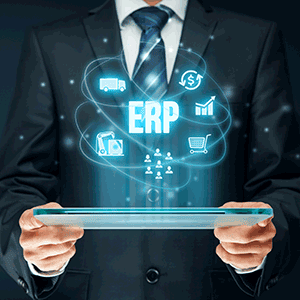


















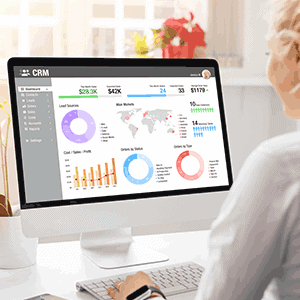





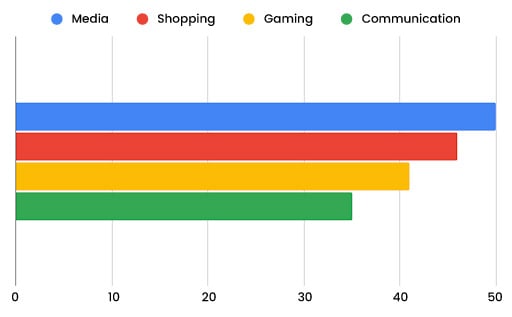
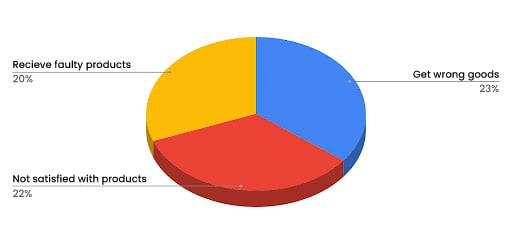
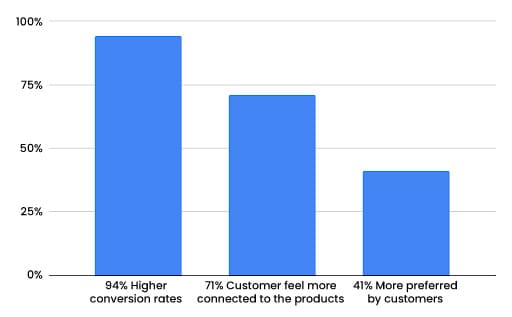








 The age of analyzing products via videos and images is gone! Customers now need more! With AR, realtors can bring their products closer to their customers, enabling them to interact with the items meanwhile establishing added brand value and customer trust!