








Top Technologies Used to Develop Mobile App
Modernization is a desire to stay relevant and grow. App modernization does just that for businesses. It enables them to stay relevant and grow. In line with that, organizations worldwide are scrambling toward digital transformation. How does that benefit businesses?
App modernization or updating older software for newer computing approaches extends the lifespan of an organization’s applications while allowing it to take advantage of technical innovations. It is like renovating an old house to improve efficiency, safety, structural integrity, and more.
However, there have been occasions when the app modernization project has failed. This has been a concern to most business owners considering digital transformation. Are you one of them? If so, through this blog, you can learn why and how to avoid app modernization failure.
First things first. Does your company need app modernization? If so, why?
Apart from what we discussed earlier in this blog, app modernization integrates new features to keep up with the latest business requirements. Even so, many business leaders wonder if their business needs app modernization. Here is a list of specific reasons for you to consider:
Why, then, does app modernization backfire at times? And how can you ensure the success of the project?
Read more: Why modernize your legacy systems? What’s the best approach to legacy systems modernization?
When an app modernization project fails, it may pose serious problems for your business, including wasted resources and time. Failed app modernization may hinder agility and keep your business from capitalizing on modern technology. It was noted that an alarming 79% of app modernization projects still fail. Why? Surprisingly, the failure is not due to the new system or methodology, nor caused by the modernization vendor. The reasons are much deeper. Here are the top 5 reasons why app modernization projects fail:
Modernization efforts fail when the business process (accounting, inventory, finance) is poor, and a business tries to correct it with new systems. That will never work. Businesses must first understand what is slowing them down. Determining the problem is the right foundation for successful app modernization.
When entirely new systems are implemented without considering the drastic business changes, the employees are forced to adapt quickly. In addition, such practice forces the business to evolve to fit the new software. Instead, the software must adapt to fit the current business process and requirements.
Most businesses believe that they are ready to replace the old system with new systems, and the business will run better. Now that is a huge mistake. Completely replacing all systems can send your business and your employees into shock. It may even change how customers interact with the business. A better approach is to modernize in calculated steps.
The pandemic helped us see that agility is king. Adopting inflexible applications can have disastrous consequences on your business. If you want to be future-ready, replace rigid applications with agile applications.
Modernization projects that do not involve the IT department and the end user fail as they do not consider how the new solution fits business needs.
Read more: Advancing Business Software Development With Cloud Native

Every business that embarks on a modernization project journey faces many challenges. The success of your app modernization efforts comes down to two key components: your IT team and your employees. As teams go through this journey, use these secrets to avoid failure and ensure success.
When choosing a team or developing an innovation group, build a cross-functional team that can focus on developing the culture, process, and tools needed to improve the modernization process.
An effective business principle is to welcome all ideas and sort them, but when a decision is reached, you must commit to it and execute that above all else. Doing so will ensure the progress of the project.
Mapping out a development workflow can help you when you encounter complexities in the project. It helps you look at every tool being used and identify dependencies.
Projects may change. Setting small modernization goals will help you adjust your long-term plans and reduce engineering risk. Focus on many small steps when planning for a major milestone. Doing so will ensure smooth progress from one step to another.
If you prioritize data into high, moderate, or low categories, you can decide what safeguards to have for each category.
Take a hard look at your development workflow and identify habits that could derail your app modernization process. Don’t just patch up old problems with a new tool. Remember, these problems can derail new tools, so don’t patch, fix.
Your team may find it challenging to develop the knowledge they need to work on the new tools. Keeping them informed about the new tools and training them to navigate new workflows can ensure the success of application modernization.
Several aspects may factor into a successful modernization. That is why modernization endeavors are so challenging. However, implementing the above secrets can help the success of app modernization efforts.
Speaking to an expert can help you understand how to proceed with your app modernization needs. Why not reach out to us at Fingent and discuss your project with our software development experts?



Tony believes in building technology around processes, rather than building processes around technology. At Fingent, he specializes in custom software development, especially in analyzing processes, refining them, and then building technology around it. He works with clients on a daily basis to understand and analyze their operational structure, discover (and not invent) key improvement areas, and come up with technology solutions to deliver an efficient process. You can reach him at [email protected], Skype: tony_fingent



‘There is success through many advisers.’ This ancient proverb has proved not just true but very effective and powerful in this digital age. This is precisely what Open-Source Software (OSS) accomplishes. It allows for collaborative development where the community can modify and enhance the source code.
Open-source systems can help businesses adapt quickly to changing circumstances and facilitates controlled upgrades. Integration and maintenance become less of a hurdle. With the wide range of OSS possibilities, businesses are wise to tap into this huge potential for building a robust, secure, and yet, cost-effective infrastructure.
This blog will help you gain an in-depth understanding of how open-source can power your digital transformation journey!
Vendors today provide various software solutions indispensable to a business’s software strategy. But finding the right software solution that caters closely to an organization’s needs has always been challenging! Meanwhile, OSS helps businesses build and maintain their IT ecosystem and enables sourcing highly creative developers with hard-to-locate skills. Engaging with domain experts and making their contribution to the OSS bank helps developers find satisfaction and boosts creativity. Judicious use of OSS can be of great benefit to any business.
Most IT leaders believe that OSS is either “very important” or “extremely important” to the enterprise software strategy. How do we know that? In 2021, developers downloaded over 2.2 trillion open-source packages. That is a 73% increase.
Read more: How to Ensure Safe Use of Open Source Libraries
Here are more reasons to justify this statement!
Irrespective of whether you are a small business with limited resources or an established enterprise with an established IT ecosystem, open-source software’s ability to supply code that can be easily changed and customized to your specific needs is invaluable. Many businesses are turning to AI and blockchain to better understand customer needs and work towards fulfilling them. Open-source code can not only hasten the process but also ensure efficiency.
AI, ML, and AR/VR could feel like the proverbial butterfly always out of reach, and more so if your business does not have a well-established IT team. OSS can then serve as your ramp to the future. Your vendor or coder could build on the resources available to ramp up your IT capabilities and reach your desired situation.
OSS provides coders and developers with access to code written by experts or extremely creative pioneers. This would be an immersive learning exercise. At the same time, experienced engineers could interact with others in their community, freshening their skills while keeping up with the latest in the IT industry. This exposure would, in turn, influence their recruiting and training activities.
The OSS is also a repository of “glueware.” It allows software engineers to create things outside their immediate area of expertise. While it requires ingenuity and skill to glue parts together to make a whole system, OSS provides not just the individual parts and the “glue” required to fix them. It is a new method of looking at the design, resulting in greater satisfaction and a sense of accomplishment.
Open-source projects have very clear frameworks. There is structure and good practices such as separation of concerns, abstraction, and isolation. A business of any size would benefit from following the same discipline in setting up its systems.
Maintaining clear standards of operability ad interoperability is another advantage. Using OSS ensures that the same standards are followed. Businesses do not have to invent standards and frameworks but can build on the foundation provided by OSS.
Scalability, availability, and reliability – are just a few of the many aspects that OSS can help improve. Utility to ensure efficiency and avoid duplicating work can also be added to the list. Developers or vendors would likely prefer importing sections from a tried and tested OSS repository than building from scratch.
Read more: Artificial intelligence and Machine Learning For Faster and Accurate Project Cost Estimation

OSS boosts the digital transformation of businesses. It is good for businesses that lack the resources to meet the needs of IT development. OSS can yield different variations by its modularity. Consider a few pros and cons of OSS:
Remember that OSS is another tool best suited for certain tasks and not so well suited for others. OSS might not be the best choice for your strategic activities or initiatives contrary to your cultural norms. Certain projects on OSS might have too high a level of uncertainty or too little support.
This does not mean that OSS should be put out of the picture. Do you need to adapt quickly to the fast-paced development in certain domains? Do you need greater effectiveness in attracting and retaining talent? Do you need a solution that requires utility, quality, and speed? OSS can help you in all these scenarios.
Read more: Odoo Migration: Why Is It Crucial and How to Do It Seamlessly!

Fingent can leverage open-source technology to quickly develop your customized, dynamic business application. Our experts use PHP, AngularJS, jQuery, Magento, and several other open-source technologies to develop, implement and support a wide range of open-source technologies and resources. Our extensive experience working with open-source tools helps ensure that we can provide our clients with customized, innovative solutions quickly and efficiently without compromising on quality.
Intrigued to learn more about how we can help you develop and leverage the best business software solutions with open source. Connect with our experts now!

Technology is not a choice but a fundamental business strategy in the current world. Enterprises will need to accelerate their digital initiatives to support emerging technologies. To remain competitive in 2022 and beyond, businesses MUST invest in new technologies to ensure future innovation and growth. Business opportunities wait for those who successfully tackle their technology challenges. Efficiently dealing with these challenges can set a business apart from its competition.
This blog will assist you in facing the biggest technology challenges of 2022. It outlines how different technologies can help your business. And how you can ensure successful digital transformation.
Digital transformation is one of the driving forces behind the growth and success of any business. It can enable better collaboration within and between organizations. Today’s business leaders must focus on projects that prepare their organizations for the future. Here are a few ways technologies help businesses stay ahead of the competition.
Watch more: Should your business invest in custom-built software or off-the-shelf software?
Businesses can benefit more from emerging technologies when they successfully tackle technology challenges. Here are some of those challenges:
Data security threats are causing havoc in organizations. Attackers constantly develop new techniques and vulnerabilities. Some of the most significant information security challenges include:
Preparedness is the key to stopping attacks before they stop you. Security leaders must look beyond traditional approaches to monitor, detect, and respond to manage a wider set of risks. In the case of supply chain risk, security leaders need to partner with other departments to prioritize digital supply chain risk. Businesses often choose to hire outsourced cybersecurity firms to help them strengthen their security and ward off any data security threats.
Automation has become a necessity in the digital world. Effective automation can boost productivity. It is an overall system quality enhancer in the long run. With proper automation, businesses can reduce maintenance costs. Manufacturers can also use automation to reduce manufacturing costs and increase the speed of time to market.
But, finding the right automation tools and introducing them into the business workflow can create complications. Hence, a business must prepare for all the hurdles and mitigate the risk of automation failure. The success of automation largely depends on the execution of the test strategy.
2022 is an important year for the hybrid workforce model. Integration between cloud-based solutions and mobile apps is crucial to ensure consistent hybrid or remote work engagement. The key is finding the best way to care for the needs of each user and department. Plus, an enterprise must find ways to optimize its IT support to assist remote employees with their computer problems.
Digital transformation paves the way towards more efficiency, resiliency, and sustainability. However, implementing these technologies into business is a challenging process. These challenges are:
Enterprises with limited resources can assign projects to third-party organizations. A business can reduce pushback when implementing high-code or no-code solutions based on employees’ requirements. Taking a more mindful approach to digital transformation is crucial for ensuring a smooth transition.
The usage of mobile apps worldwide has greatly increased in the past decade. Business owners use mobile apps to deliver services and goods to their customers. They also use these apps to boost their Return on Investment. These apps allow employers to give their employees tools that help them collaborate efficiently even when they work remotely.
However, providing a consistent mobile app experience can be challenging.
There are three major integration challenges enterprises face today.
An effective IT management plan can help minimize or even cut the risk factors associated with integration.
Businesses are often pursuing Artificial Intelligence and Machine Learning for their business problems. Another major focus of enterprises is learning how to complete specific tasks without human intervention.
Each company is different, so it takes a unique algorithm for a particular business process. Finding the right AI and ML algorithm can be challenging.
There is no end to the ever-changing trends businesses must adapt to, to thrive in this highly competitive market. Hence, businesses must forge ahead to connect with future technologies, or they may find competing with other businesses in their sector harder. Whereas businesses that adapt to digital transformation are much more successful in the market. However, analyzing tech opportunities or deciding which technology best fits your business operations is not always easy. That is why Fingent top custom software development company helps companies realize tech capabilities and build, implement and adapt to the right digital tools.
It is the best time to move the digital transformation from your priority checklist to the “right now” list. Connect with our experts to know how we can help your company transform digitally!
Tony believes in building technology around processes, rather than building processes around technology. At Fingent, he specializes in custom software development, especially in analyzing processes, refining them, and then building technology around it. He works with clients on a daily basis to understand and analyze their operational structure, discover (and not invent) key improvement areas, and come up with technology solutions to deliver an efficient process. You can reach him at [email protected], Skype: tony_fingent
It is getting more competitive than ever before for businesses today! Every company wants to lead in the market as quickly as possible. How can you get there first?
Software development can be your answer. But can outsourcing software development make a difference?
Outsourcing has been one of the most talked-about digital transformation strategies, especially if you want to launch your products quickly into the market. Outsourcing software development nurtures your business goals by saving time and cost. You ensure effective and innovative product delivery when you allow top professionals to work on your project. The benefits are not just limited to that.
This blog will explain the pros and cons of outsourcing software development and how you can select the right company so that you are well prepared the next time you plan to outsource your software development!
Organizations outsource software development to save costs and resources, nourish business growth, remain competitive in their sector, and more. By outsourcing, businesses enable their in-house team to focus on their expertise rather than be jack-of-all-trades. This kind of freedom allows your team to improve their performance in their field instead of doing routine tasks that consume precious time. Here are some more benefits:
The biggest driver of outsourcing software development is cost reduction. This frees up more funds to channel into other crucial business areas.
The question is, how does it reduce cost?
When you outsource software development, you are only paying for their services. You save common expenses associated with in-house staff like hardware and software, rent, training, etc. Besides, it is much easier and cheaper to outsource as you can find software development teams within a few clicks.
Outsourcing software development goes beyond physical boundaries, empowering you to connect with the world’s best talent. The best part is that this collaboration could be for all projects or just a one-off project with no further obligation.
Looking for a software developer with a diverse skill set is a complicated and time-consuming process. Plus, training a developer incurs more delays and costs. Conversely, outsourcing software development is far simpler while saving time, effort, and money.
Outsourcing software development gives you the simplicity of scaling your project. An outsourcing company allows you to choose the right cooperation model that matches your business needs. This allows you to respond to changes as they occur and take action to address them with a quick turnaround.
A good software outsourcing company uses the latest languages and development tools to build effective and innovative products at minimum cost. You can benefit from this and trust that the best tools will be used for your requirements.
Since the outsourcing firm may already have experts with immense knowledge in their field, they become your business partners. If you face any crisis, you can count on them to solve your problem as soon as possible.
Now that you understand why you should outsource software development let us clarify the difference between offshore and nearshore outsourcing.
Read more: Why Software Development Outsourcing Is A Smart Move Now?
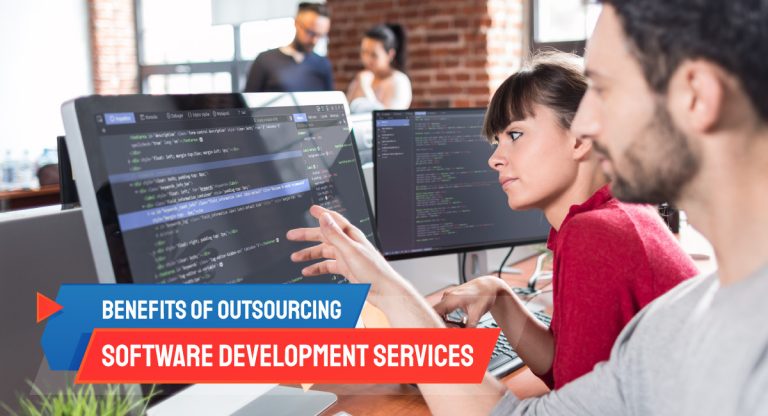
Offshore outsourcing is sourcing company operations outside your country in a different time zone. Nearshore outsourcing is sourcing company operations within your country.
Benefits of offshore outsourcing include cost savings, access to specialized expertise, and 24/7 support. Benefits of nearshore outsourcing include shared time zones, similarities in cultural background, better control, and better security.
Software development doesn’t need an in-house team, so you can choose either near or far outsourcing companies to build your ideal dedicated team.
As for any solution, there are always pros and cons. Let us look at both, so you can make an informed decision for your business.
1. Timing: While every business needs to go through a procurement phase, that time will be much reduced if you don’t have to spend onboarding the right talent. Besides, if your idea is still in the formative stage, you will not be able to attract the right talent. This makes outsourcing the best option.
2. Business goal: If validating your idea is your primary business goal, the earlier you begin to do this, the better. Outsourcing frees you to concentrate on business goals and build the foundation of your business viability.
3. Access to proven workflows: Because the outsourcing firm likely worked with many organizations similar to your business, you can be confident that it will implement proven workflows and processes.
4. Speed to market: Speed to market increases as the outsourcing firm can manage and optimize workflows.
5. Access to a larger talent pool: Outsourcing companies can access industry experts who can be reached whenever you need to consult them for a solution.
1. Risk of failure: Business failure is risky if you cannot manage your outsourcing company effectively.
2. Communication challenges: Some offshore firms with different cultures may pose communication challenges.
3. Lack of motivation: An outsourcing firm may not share your motivation to see a project through to successful completion.
4. Limited control: If the outsourcing firm uses freelancers, the hiring company may have only limited control over the actual work.
Digital transformation is an investment that has to be made to stay relevant. However, whether to hire in-house or outsource will ultimately make the business more successful and profitable.
Read more: A Detailed Software Development Outsourcing Guide For CEOs!

Once you have decided to outsource your software development, evaluating and selecting the right vendor to complete the work that meets the best standards is crucial.
Here are some tips that can help you find the right outsourcing company:
We at Fingent would love for you to come and test us out. Meanwhile, here is a look at what our clients have to say, some of our case studies, and a look at what we excel in!
The choice is entirely yours. Make sure you consider all the pros and cons and make an informed decision. First, look at your business needs. Then, find out if the vendor is compatible culturally and financially. This will ensure a higher probability of success. We would be happy to discuss your needs and help you decide. Please feel free to reach out to our experts.
Tony believes in building technology around processes, rather than building processes around technology. At Fingent, he specializes in custom software development, especially in analyzing processes, refining them, and then building technology around it. He works with clients on a daily basis to understand and analyze their operational structure, discover (and not invent) key improvement areas, and come up with technology solutions to deliver an efficient process. You can reach him at [email protected], Skype: tony_fingent

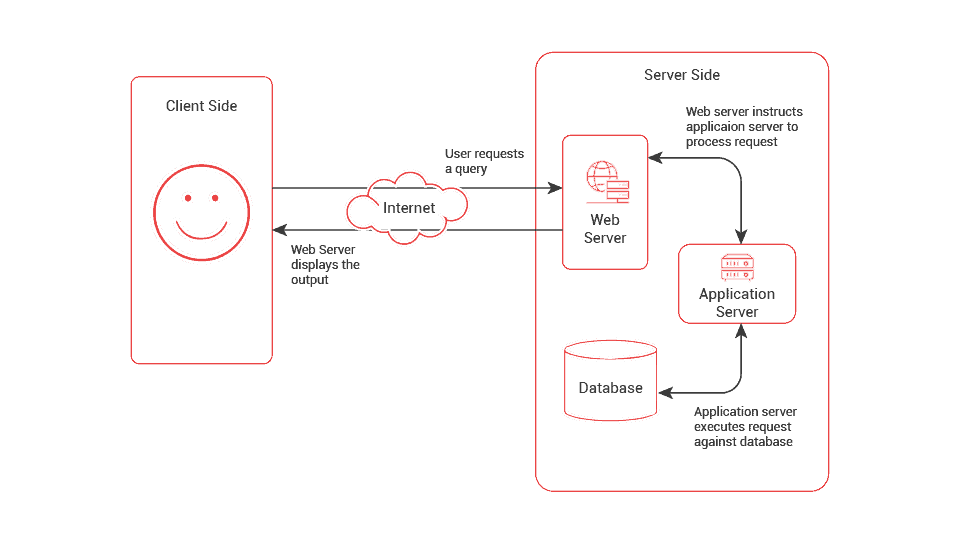
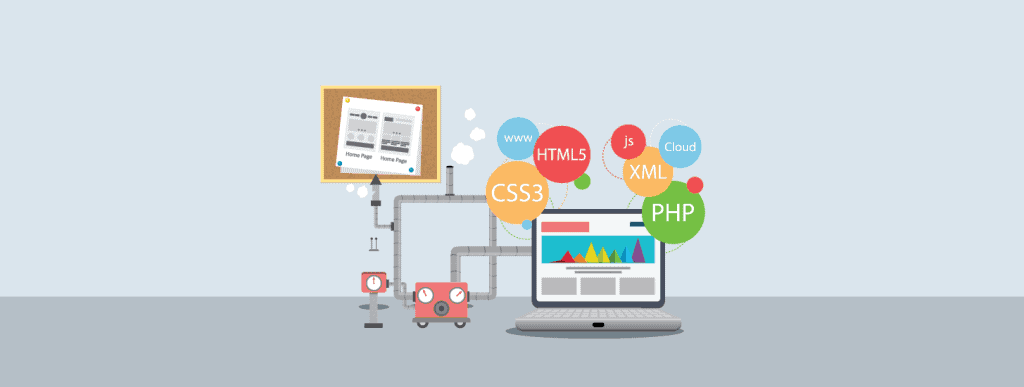
 Static Web Application
 Dynamic Web Application
 eCommerce Web Application
 CMS Web Apps
 Portal Web Application
 Single-Page Application
 Multi-Page Application
 Rich-Internet Web Applications
 Progressive Web AppsStatic Web ApplicationDynamic Web ApplicationeCommerce Web ApplicationCMS Web AppsPortal Web ApplicationSingle-Page ApplicationMulti-Page ApplicationRich-Internet Web ApplicationsProgressive Web Apps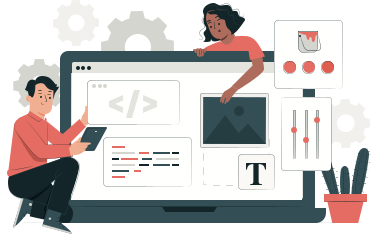
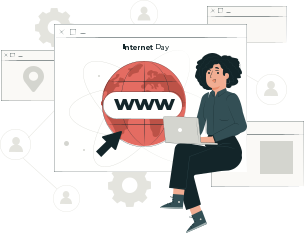


1. Database Technologies

2. Client-Side Programming

3. Server-Side Programming
1. Database Technologies
Due to its simplicity and multifunctionality, MySQL is
one of the most preferred databases utilized for web application development.
Other popular database technologies include Oracle Database, PostgreSQL,
Microsoft SQL Server, Microsoft Access, MongoDB, and RavenDB.
2. Client-Side Programming
To develop the client-side of an app that the users interact with, you can choose
highly efficient front-end JavaScript frameworks such as
3. Server-Side Programming
Frameworks such as Go, Ruby, Java, Django & Python are some of the most
powerful back-end development technologies.

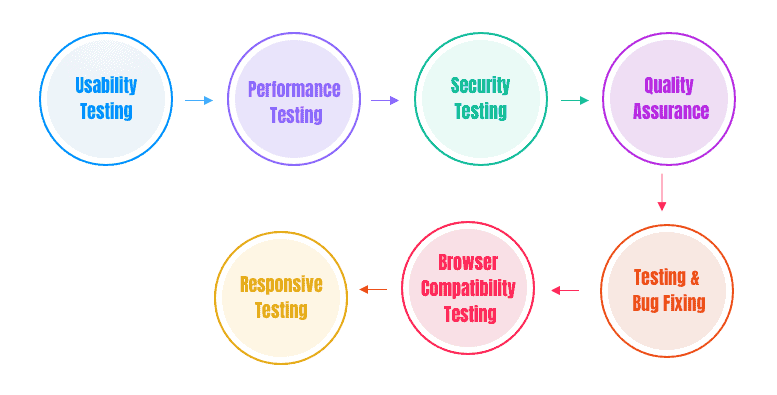
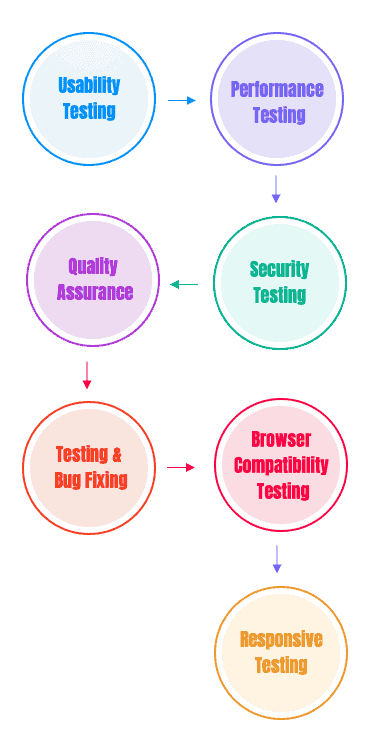
Web development has progressed over the years and is progressing with the emergence of newer technologies. A website is the face of a business rather than mere codes. More than one-third of visitors prefer to hold on to websites with attractive content and a clean layout. In 2023, companies are more than ready to apply the latest web development trends to improve conversions and develop engaging websites without having to code. If you want to stay ahead, it is vital to focus on the latest trends, updates, techniques, and web development approaches. Why developers should bring out more innovative web development approaches- the fact is it boosts business growth rather exponentially and globally.

.NET Core gives you consistency across all architectures by running your code with the same behavior. Be it gaming, IoT, mobile, or AI – we can help you develop high-performing, secure, cost-effective, and flexible applications in any domain with .NET Core. Let’s Discuss Your Project

C# is a highly versatile programming language commonly used for developing websites, Windows applications, and games. With its foundation deep-rooted in the Microsoft platform, C# is one of the most-cherished and reliable languages to build robust applications. Let’s Discuss Your Project

ASP.NET is a framework for building web apps and services with .NET and C#. ASP.NET allows you to build large and complex applications by reducing the amount of code required. This, in turn, reduces the application development time and costs involved. Let’s Discuss Your Project

Take advantage of the cloud through hybrid cloud-based solutions with Microsoft Azure. We can help you migrate your solution to the cloud, enabling you with on-demand and secure resources of Azure. Scale according to your needs and improve your business agility. Let’s Discuss Your Project

Fingent’s Microsoft team can help you develop robust SharePoint solutions that empower your organization with efficient collaboration and communication. We can help you build intuitive interfaces and simple navigation features for effective document management. Let’s Discuss Your Project

Microsoft Power Apps enables you to build low-code, professional-grade apps that can modernize your business processes and drive innovation across your organization. Infuse your enterprise apps with AI and automation, powered by PowerApps. Let’s Discuss Your Project

Leveraging Microsoft Power BI, we enable businesses to develop interactive visualizations and business intelligence capabilities through simple and intuitive interfaces. Enrich your business as well as end-users with custom reports and dashboards powered by insightful data. Let’s Discuss Your Project

By leveraging UWP API, we help you create universal apps that run on Windows 10 compatible devices without the need to be re-written for each. As the name suggests, the Universal Windows Platform allows you to create apps that run on multiple types of devices. Let’s Discuss Your Project

Using WPF, we incorporate visually stunning user experiences into your Windows desktop applications that include features like rich user interface, media, complex business models, animation, effects, styles, templates, controls, data binding, and so on. Let’s Discuss Your Project

Our expertise with Microsoft data platforms can empower you with real-time data for improved decision-making. Our Microsoft capabilities can help in uniting several disparate information sources and create reports from across varied systems and databases. Let’s Discuss Your Project

We help you develop highly responsive and highly available applications on Cosmos DB using the popular open source software APIs. Experience low latency, high throughput, real-time responses, and tunable consistency with this multi-model, NoSQL database service. Let’s Discuss Your Project
The web development industry is in flux and is constantly evolving. Therefore, it is paramount for us always to look ahead and learn about what's coming up or any risk being left in the web development dust. Web development is defined through the upcoming trends and changes in the digital world. Businesses around the globe are in a quest to build outstanding websites to up their online presence with all-new frameworks, tools, and advancements. If you want your business to stay ahead of the race, the smartest thing u can do is to try out innovative and experimental things like Augmented Reality (AR) or Artificial Intelligence. Here's a quick glance at some of the exciting developments likely to happen in the near future.
Data Science is impacting web development positively. Data science helps extract significant user information on a large scale using statistics, analytics, artificial intelligence, and machine learning. Using the extraction of meaningful information, web development is now guided into a more fruitful system to impact the business's bottom line. With data science and machine learning, you can target the right customers with personalized content at the right time within your application.

Product visualization is the most sought-after requirement among today's customers. Augmented reality has the potential to change the shopping game. Most online shoppers prefer shopping sites to integrate some form of augmented reality for a personalized experience. AR experiences in different ways are the key for customers to become more engaged in various platforms and the digital world overall. The future is not too far, where AR experiences will move into the mainstream and cease to be viewed as a niche technology.

Pageless website is a new-age concept that takes an alternative choice on web design. The entire contents of a website are displayed on a single page with an endless scroll instead of having multiple pages. With responsive elements, guided narrative, and intuitive scrolling, users can surf the entire contents of the website with ease.

The Metaverse is the new kid on the block that seeks to bring together many different technologies to offer users a new web experience. Today, users view content on the web. But on the Metaverse, users will be immersed in the content. Thanks to technologies like Virtual Reality, Augmented Reality, Machine Learning, and other forms of Artificial Intelligence. Metaverse is the next iteration of the internet where users can navigate through a virtual space instead of the current two-dimensional screen.

The cost of a complicated and custom web application development process would again differ from pre-defined, packaged, and general-purpose applications. For example, suppose the app requires developing APIs and plugins or complex technical stacks, separate UX/UI elements, brand identity development, etc. In that case, the pricing will go up as the advantages are humongous.


A polished web app is almost a mandate for successful digital businesses today. Many apps have changed the public's perception of what they can expect and what is possible. It includes everything a typical user might look for in an app regarding design, usability, reliability, and security. Here's a rundown on five apps that has made a difference to the world.
Facebook is a free social networking website that allows people to connect with others online. It lets users share photographs, post comments, post links to interesting content on the web, live chat, and watch videos. Facebook's success is attributed to its ability to appeal to both people and businesses and its ability to interact with websites around the web by providing a single login that works across multiple sites.
WhatsApp is a free, multi-platform messaging app that lets users make video and voice calls, send text messages, share their status, and make payments, all with just an internet connection. The most appealing feature of this app is that it works on various phones and computer operating systems, which bestows uninterrupted conversations anytime, anywhere. WhatsApp serves more than 2 billion people in over 180 countries, with over a billion daily active users.
Uber is a transportation company that has developed an app to allow passengers to hail a ride, and drivers get paid. The app integrates with Google maps for tracking locations, routes and directing people to their destination. Uber uses smartphone app technology to connect passengers and drivers via a car-for-hire method. Most people love the simplicity of opening the app, telling where they want to go, and then seeing an Uber driver show up in a matter of minutes.
Instagram is a free, popular photo-sharing app that Facebook acquired in 2012. It allows users to edit and upload photos and short videos through a mobile app. Like other social networking platforms, Instagram users can like, comment, share and bookmark others' posts. It also includes a feature of private chats and video conferencing with friends.
TikTok is a social media platform that allows users to create and share short videos. A young crowd commonly uses the app as an outlet to express themselves through singing, dancing, comics, and lip-syncing, making fun videos and sharing them across a community. In addition, users can follow other users, like, and comment on other users' videos. TikTok app quickly soared to popularity and amassed over 500 million monthly active users, the US being the most popular country where it is downloaded over 80 million times.


A web application is the first point of access to your business and brand for your customers. Your app is the place that reflects what you do, your services, products, and your reputation. You can stand out from your competitors by having a web application that looks interesting and clearly communicates quality information to your customers. Therefore, hiring a professional web application development company is judicious to understand your vision and shape the application accordingly.
A company or business without a web app or website may question the legitimacy of the business. So, having an app is an opportunity to build a great first impression and give people assurance that you’re a genuine business.
Web applications play a crucial role in the branding process of a business. Showcasing your brand to your prospective customers is the key to positioning your business in the market. A web application is an underlying framework for branding your products or services because branding acts as the bridge to maintain a proper communication channel between potential customers and your business.
Clearly conveying to the customers who you are, what you provide, and what your brand represents raises your business popularity coupled with building a customer base. A web application is your brand's voice that reaches out to the world through multiple social media platforms.
Your app is one of the most powerful assets for helping business owners improve customer relationships and increase efficiency. In addition to showcasing your offering or describing who you are, your application is one of the key tools for connecting with your existing customers and keeping them engaged. In order to create customer loyalty, you need to give your customers a reason to return.
Web applications come in handy with a lot of scopes to build customer loyalty programs to win customers’ hearts. Even simple changes to your app can go a long way toward building your brand and encouraging more customers to use your app frequently. Your application can be the key to increasing customer loyalty, a critical piece of the puzzle.
As your business expands, your web applications need upgrades. Off-the-shelf applications are neither flexible nor scalable, limiting their capabilities. Custom web applications are developed specifically to suit your business requirements. It is completely scalable and flexible, harmonizing with your business growth and demands. Custom applications grow with your business without any hassles of switching to new applications or extra license purchases. Moreover, the advent of cloud-native apps further enhances the flexibility and scalability of applications by adding more value to the business.
The prompt and user-friendly customer support offered by web applications becomes more approachable and less intimidating for customers. So, the users of the app feel more comfortable with the company and are likely to stick on for a long time.
Web apps help to create an engaging space for customers to interact with brands and provide a dedicated space to track and manage all the customer support queries. The beauty of web applications is that they can be accessed at any time from any location. Hence, providing any customer assistance is never an obstacle.

Years of Experience

Centers of Excellence (CoE)

Completed Projects

Transparent Project Management

Qualified Professionals

Dedicated QA Practices


Software as a service (SaaS) is a fast-growing IT segment that commands the highest adoption rate among public cloud services, such as PaaS, IaaS, BPaaS, and others. In 2020, the worldwide end-user spending on Cloud Application Services (SaaS) accounted for USD 102,798, which shot up to a massive USD 122,633 at the end of 2021. Gartner examines that the adoption of scalable, on-demand cloud models enabled businesses to achieve cost efficiency and business continuity in a pandemic-afflicted economy. The rise in the adoption of public cloud services is giving an impetus for organizations to accelerate their digital transformation plans.
Understanding more about SaaS app development is significant because it:
Watch video: Advantages of moving your key workloads to cloud
SaaS solutions are inevitable in building and sustaining a collaborative, agile, mobile, and hybrid work environment. This post sums up the nitty-gritty you need to know about SaaS application development.
Ever since the launch of the internet, Application Service Providers (ASPs) that deliver software to users over the internet on a subscription basis have been popular. ASPs allowed users to subscribe to the applications and associated functionalities by following a usage-based transaction pricing model. While it was a major breakthrough, ASPs weren’t fully successful in reducing IT costs and simplifying deployments and upgrades. Thanks to cloud computing; the rise of SaaS applications has lowered the development time, cost, and effort for enterprises. Businesses of all sizes are now expanding their investments in SaaS development.
Software as a service (SaaS) is a software licensing and distribution model in which the application is centrally hosted on the cloud and is maintained and updated by the SaaS developer. Along with Infrastructure as a service (IaaS) and Platform as a service (PaaS), SaaS is one of the key cloud computing models that’s widely marketed to both business (B2B) and individual (B2C) users. Netflix, Office 365 suite, Google Workspace, Cisco WebEx, etc. are the common SaaS products that we use every day.
Read more: Top business drivers that power legacy cloud migration

SaaS was an extremely profitable business segment in 2020. According to a 2018-2023 forecast, companies running on SaaS will rise from 51% to 86% in a span of five years. SaaS-based solutions have enabled several business sectors, including virtual collaboration, e-commerce, FinTech, supply chain automation, and healthcare to thrive despite the large-scale disruptions inflicted by the global pandemic. Here are a few factors that make SaaS a hot choice in the investor’s market.
SaaS applications require minimal upfront investments. The Pay-as-you-go model allows you to start with a small capital and expand later when you anticipate better business growth and profitability. SaaS application deployment takes less time and money when compared to a traditional on-premise system setup. Most SaaS providers offer dedicated application maintenance and support which saves you from hiring and managing expensive in-house IT teams.
Your SaaS application development services provider will take care of hardware maintenance, system failures, and downtimes, software updates, routine maintenance, and backups, etc. Based on your business requirements and the services subscribed to, the SaaS provider will help you customize the application, upgrade the software to its latest version, and offer training to your staff. This helps you focus on the core business activities.
SaaS-based applications can be integrated easily with your legacy systems or any other third-party software that you use. By developing custom APIs and plugins, SaaS providers like Fingent will help integrate your CRM with ERP or HRM with Payroll software. The SaaS application can work as an extension of your current software, adding value to your daily operations. Cloud infrastructure and on-demand computing model empower you to scale up and meet the surging demands.
SaaS software providers are responsible for securing the application, operating system, platform, network, and physical infrastructure. Along with these security options, the SaaS provider will help secure your customer data and user access by applying a few techniques such as Identity and Access Management (IAM), cloud data encryption, Data Loss Prevention Software (DLP), compliance solutions, real-time threat intelligence, behavioral analytics, Cloud Access Security Broker (CASB) solutions, etc.
Read more: Why is cloud security important? What are the best practices to ensure cloud security?

There are a few technical and business factors to consider while developing a SaaS product.
Here are a few best practices to ensure the performance, productivity, and acceptance of your SaaS application.
Many SaaS developers use MVP (Minimum Viable Product) as the initial step for building a successful SaaS application. An MVP is a fully functional and quickly developed miniature version of an application built to test the SaaS product’s viability. Developing an MVP will help you understand the feasibility of your business idea and the changes to be accommodated based on user feedback. It helps reduce your development cost and effort.
A SaaS application isn’t made for a single user. It should be flexible enough to serve thousands or even millions of customers. Multi-tenancy is crucial in cloud computing as it allows multiple tenants (users) with different roles and access privileges to be hosted in the same environment. Each user will have a separate and secured space within the server to store their data. Multi-tenant architecture improves your ROI and helps update and maintain your SaaS application.
As remote and hybrid workspaces go mainstream, and BYOD becomes common, users seek personalized SaaS products that don’t require extensive admin support. Users demand high-level personalization with your SaaS app. For example, changing the UI’s appearance, integration of Single Sign On (SSO) feature, configuring the dashboard to track the metrics quickly, and so on. They may want the SaaS app to be available in both web and mobile and any other portable devices that they use. Make your SaaS app safe and compatible to address such personalization requirements.
Adding too many features as well as avoiding important features are equally wrong. Consider the reach and impact of a feature addition, such as how many users will be affected or how many customers are looking for the new feature. Track the SaaS app’s usage patterns by leveraging analytics or run a survey to understand user preferences. If more than 50% of them like an existing feature, optimize it. If only 5% of your users are interested in a new feature, eschew it.
Read more: A comprehensive guide to modern cloud application development
With Fingent, you are just a few steps away from building and managing your own SaaS application development team. Right from developing an MVP to actual product launch and post-launch support, our team handholds customers through every stage of development.
InfinCE, the world’s first digital workplace orchestration platform, stands as a testament to our SaaS development capabilities. So are ReachOut Suite FSM and Skill Lake LMS. Our goal is to help businesses solve challenges through technology. We help legacy companies migrate their software solutions to the cloud as well as develop cutting-edge SaaS solutions that empower them to thrive in the new normal.
Read more: What makes Fingent your best technology partner

If you have an idea or a requirement, discuss it with us asap. We will set up a discovery call with you and get back with a ballpark estimate. This is followed by a detailed proposal, including mockups, demo videos, and visualizations. Our communication method is simple enough to answer your queries related to software app development. We do business with organizations of all sizes – small and large – to help them transform lives through technology. Ready to watch us in action? Talk to our SaaS expert now.
The impact of the pandemic on consumers across the globe has dramatically changed their demands, needs, and behavior. Many of these changes have critical implications for businesses in most sectors. To succeed in the next normal, businesses must respond proactively.
COVID-19 jolted consumer demand in a way that sets it apart from past disruptions. As a result, customer loyalty took a hard hit. Executing the four Ps of marketing (optimization of product, price, place, and promotion) became more complex than ever. Businesses must redouble and broaden their efforts toward meeting ever-changing customer demands and behavior.
As with everything else, it is important for an organization to know and understand its customers. If your company is at crossroads with today’s Ecommerce customers’ needs, this article will help you understand how technology can help satisfy these uprising demands quickly and effectively. So then, let’s first understand how customer behavior, needs, and demands change.
Read more: What are 3D Web Configurators? How do they Boost Ecommerce Sales and Drive Customer Satisfaction?

Customers are like the moving targets. The key to success is to understand their behavior trends and use technology to help satisfy these uprising needs and demands. Linnworks research pointed to five such trends:
The biggest roadblock facing Ecommerce businesses has been the inability of consumers to experience products before they buy. Everyone likes to try on clothes they like to buy or see how is their new couch looks in their living room.
This is where AR (Augmented Reality) can help your business. AR can help your consumers try on clothes or closely inspect the components of a mobile device. AR market is expected to reach 2.54 billion by 2023. Online retailers who fail to take full advantage of this technology may likely experience business disruption.
Virtual reality shopping can bring your products to life. It helps your customers to have an in-store-like experience, without actually being there. VR technology allows you to tag products so your customers can purchase on the spot. It can instantly connect buyers with customer service executives.
VR can make product recommendations based on customer metrics. It can also cater to both desktop and mobile users. Thus, it provides a better customer experience attracting more customers to your online store.
Todays’ Ecommerce customers like to cross-channel research and purchase. So, they expect smooth interactions across these channels and devices. Technology can help you to provide your customers with what they want, when they want it, and where they want it to. Some of these technologies include video chat, screen sharing, document interaction, e-signature, and more.
Co-browsing is an effective visual engagement system. It can bring your sales executives and customers together on the same page, at the same time. This allows your executive to guide your customers through the complex procedures making their customer journey as smooth as it can be.
Read more: Custom Retail Software Solutions: Everything You Need to Know!

Artificial Intelligence has a major impact on how we live and work. Voice shopping is expected to jump to $40 billion by 2022, rising from $2 billion today. And 45% of millennials have already been shopping using voice assistants.
Chatbots and AI improve customer experience and boost brand image. These chatbots can be personalized to order food, get recommendations for almost anything, receive details regarding payment or order status, and more.
Inefficient checkout processes can raise the chances of cart abandonment. However, this problem can be avoided by embracing technology that provides quick and efficient checkout solutions.
Technology enables speedy mobile payment solutions, allows your customers to save card details for repeat purchases. Above all, it proves one-page hassle-free checkouts and offers a range of payment options. All these can alleviate any potential difficulties your customers may face at checkout.
Today many shoppers shop on the go. Hence, mobile platforms have gained greater importance. So much so that m-commerce is emerging as a concept. Given that, providing a mobile-oriented shopping experience will certainly help you win potential customers, maximizing your chances of future success.
Ecommerce mobile apps offer continuous engagement with your brand. It can help them familiarize with new and relevant purchasing opportunities. These apps also allow you to market products relevant to the specific geographical location of your customers.
Read more: 5 Reasons to Integrate Your E-commerce Application with Odoo ERP
It is one thing to understand your consumer behavior but another thing entirely to implement technology to satisfy their demands and needs. Fingent is here to help you implement these technologies efficiently. We can help you move the needle and dominate your niche in the Ecommerce industry.
Fingent top software development company, can help you implement those that make sense and put the rest on the back burner. We can aid in the success of your Ecommerce venture by implementing cutting-edge technologies. Our development experts will help you promote your products in new and innovative ways.
Choosing Fingent can help you save a lot of time and money and avoid unnecessary complexity as we can provide all the needed components. Our platforms are easy to manage yet robust enough to house thousands of products. We can handle unique order processes and payment terms for your Ecommerce sales. Let’s get talking.
Tony believes in building technology around processes, rather than building processes around technology. At Fingent, he specializes in custom software development, especially in analyzing processes, refining them, and then building technology around it. He works with clients on a daily basis to understand and analyze their operational structure, discover (and not invent) key improvement areas, and come up with technology solutions to deliver an efficient process. You can reach him at [email protected], Skype: tony_fingent
Low code/No code is becoming a fierce upcoming contender in today’s digital landscape. For one, its unique capabilities enable collaboration between business stakeholders and IT teams. And it allows for an unprecedented speed of innovation.
Before the pandemic, companies looked to a Low code/No code platform for its unique benefits. Today though, the COVID-19 pandemic has amplified the importance of low code in remote development.
This article will explain what is Low code/No code development with SAP BTP, and will also discuss how it is changing the future of enterprise resilience.
Read more: Rise with SAP – How Fingent Can Help Explore Business Transformation as a Service (BTaaS)

Studies confirm the that market landscape for Low code/No code development technologies will remain on a strong trajectory into the future. We can be confident that more organizations will turn to low code platforms to support innovation and digital transformation.
Low code/No code is a software development approach. It enables the delivery of applications faster with little or no coding. Low code/No code platforms are a collection of tools. They enable the visual development of applications via modeling and graphical interface instead of extensive coding languages.
The term “Low code/No code” is a modern alternative for RAD tools (Rapid Application Development). Today, Low code/No code is especially advantageous for enterprises that are looking for ways to streamline all organizational operations such as procurement, production scheduling, customer data, and order processing without the complication of hand-coding.
These tools empower developers to speed up the process of getting an application to production. All without hand coding! These platforms are a fast and easy alternative to traditional software development. Both professional and non-professional developers (citizen developers) can use Low code/No code platforms to develop apps of varying complexities.
Low code/No code development with SAP BTP (Business Technology Platform) empowers non-IT professionals to develop and launch apps with little or no input from IT. This reduces the IT talent gap. It enables transformation in the development and expansion of organizational capabilities.
Low code/No code platforms are built on Platform-as-a-Service cloud environments. This means it employs visual programming interfaces to solve business problems faster. The best part of it is that it does not require deep technical knowledge as it has a simple drag and drop interface.
However, Low code/No code is not just about the user interface. SAP considered this fact while shaping a part of the SAP BTP strategy. Developers and business experts are no longer limited as they are now empowered with integrated Low code/No code automation tools such as SAP Intelligent Robotic Process Automation SAP Business Application studio and more. These tools enable developers to build Intelligent Enterprises.
Read more: A Complete Guide On Software Product Development Stages And Life Cycle

The COVID-19 pandemic has propelled the adoption of digital technologies. The goal of these technologies is to allocate human resources wisely to empower the end-user. Low code/No code is faster and more efficient. It frees up professional developers’ or citizen developers’ time for more complex activities.
Most importantly, Low code/No code builds systemic resiliency and responsiveness into the daily functioning of an enterprise. As enterprises aim to become more future-proof, they see Low code/No code as an immediate and effective opportunity.
According to Gartner’s prediction, by the end of 2025, half of all new Low code clients will come from business buyers that are outside IT organizations. Commenting on pricing, Mr. Biscotti said, “Low code capabilities that support remote work function, such as digital forms and workflow automation, will be offered with more elastic pricing since they will be required to keep the lights running.” Given the benefits and the affordability, the Low code/No code market will see commensurate growth.
How does SAP’s Low code development become the future of enterprise resilience? Please consider the following:
SAP users often manage processes that involve a large number of applications linked to a single business process. Plus, a business may need an app that can handle complex tasks such as creating work orders offline for field crews. Low code/No code with SAP gives developers the ability to extend their functionality and solve any business problems.
Low code/No code development with SAP is much easier. Hence, it allows developers to manage repetitive tasks and focus on complex activities. Also, it enables them to focus on best practices across their organization to optimize processes and innovate. Thus, it streamlines work, allowing employees to work more efficiently regardless of their location.
Most organizations that are adopting digital transformation are discovering that they have large amounts of technical debt. This stands in the way of modernization and optimal user experience. Unfortunately, in some cases, the cost of legacy code exceeds its value-creating a debt.
On the other hand, Low code/No code platforms are designed to avoid technical debt. SAP Low code platform enables your team to discover customizations, estimate the cost of modernizing them and then transform them into custom objects on the Low code/No code platform. Furthermore, the right Low code/No code platform will make it simpler to maintain and simplify future upgrades and migrations.
Read more: Answering the Critical Questions Asked by Business Leaders Today on Digital Transformation!
One of the most important aspects of resilience is the ability to scale as needed. While it is true that hand-coding development will lock in and not allow your business to scale, it isn’t so with SAP Low code.
Because Low code/No code development solutions use open-source standards, they allow you to export your raw source code and adapt it as required. Additionally, cloud-based platforms provide virtually unlimited scalability.
SAP BTP is in a unique position to assist many organizations to implement digital transformation. It can help businesses achieve significant productivity gains and improve forecast planning. Looking to the future, the digital landscape is changing.
Enterprises must continue to evolve on their mission for greater speed and agility. SAP Low code/No code platform creates a unified, business-centric, open platform for an Intelligent Enterprise. You can count on SAP for future-proofed resilience. As an SAP Silver partner, Fingent top custom software development company is uniquely positioned to open up all the benefits of its features in a way that is tailored for your business. Give us a call and let’s get talking.

2020 has proved beyond doubt that technology partnership is an essential element in the creation of a successful business. Sticking to a DIY strategy may sound good in the wake of economic upheaval. But honestly, no business wants to “just survive.” Every business in every sector wants to thrive and stay relevant despite the challenges.
In recent times, technology keeps changing far too quickly. Missing the first door of opportunity may mean greatly diminished market potential. On the contrary, partnering with a technology company offers the quickest way to ensure an impactful presence in your market segment.
Do you own a business? Or are you an entrepreneur with multiple companies? Is the concept of a “technology partner” too abstract for you? If so, we are here to help you understand why partnering with a reliable tech company is the need of the hour. Here’s also highlighting the benefits of such a partnership.
Read more: Technology Investments: How to gain maximum value?

Most businesses around the world are recovering from pandemic-related economic hardship. Although this has scared many, it is clear that businesses need to become more ‘upheaval-ready.’ Partnering with a tech company can make your business ‘upheaval-ready’ while elevating your business. Let’s now consider specific reasons.
During the pandemic, you may have had to adapt to new ways of doing business. There is a high probability that this change may not end here. The next few years may experience aftershocks due to health and safety standards and economic fallouts.
Thankfully, new technologies and new ways of using old technologies can help you meet your current and future business needs. What do you implement though and how in the world will you go about doing that? This is where partnering with a tech company can be a boon.
Consider this scenario: you have new projects that require a specific skill set that your current team does not possess. On the other hand, it is also not the right time to hire. Plus, you do not have the time or resources to look for such talent.
Additionally, bringing in new talent that would require extensive training can be way more exhausting than it may seem. What is your best option? A tech partner! Your partner will be able to provide the needed skillset. This may prove to be more cost-effective and less exhausting than hiring and training a new candidate.
Do you feel that your competitors are pushing ahead with the latest technology while you can’t even begin to wrap your head around it? Are you anxious that your business will suffer if you do not adopt digital transformation immediately?
If so, worry no more! A partnership with a technology company is exactly what you need to give your business that edge that seems so elusive.
Read more: Why Software Development Outsourcing is a Smart Move Now?
Collaboration is key to creativity – Walter Isaacson
Collaboration that brings in creativity and spearheads agility is what you need right now. Here are some direct and indirect benefits of tech partnership:
Does your business require multiple levels of testing and repeated proofreading and fact-checking stages? Do you occasionally require external evaluation to identify issues you cannot see immediately? Your tech partner can do all of these for you. Also, they may be able to provide unique solutions for your specific needs.
Allowing a tech partner to take care of these needs can free your time and resources to stay focused on what you do best.
2. Offers skillset and solutions as and when you need
Business suffers when problems go unidentified and unsolved. Partnering with the right tech company can help you identify and solve such issues before they snowball.
The best part of this partnership is that you can hire them on your terms. It can either be short-term or something that you do yearly.
3. Cost and labor savings
Cost and labor are major points of consideration in running a profitable business. Not all businesses can afford the latest tech advancements. There is no arguing however that organizations need the latest technology to run their business efficiently and cost-effectively.
A tech partner can help in managing communication and resource organization by eliminating manual processes. It can reset repetitive and simple data entry tasks that can consume precious time. Time saved is money saved!
4. Reduce risks
No business can afford a technology failure as it can pose a huge risk. A tech partner can insulate your organization from those risks.
5. Increased employee performance
Technology helps employees do their jobs more efficiently. You cannot afford to miss important compatibility and workflow improvement opportunities in this age. Your tech partner can help integrate your network to improve employee performance. This automatically leads to improved business performance.
6. Opportunity to expand your tech expertise
Not all businesses can afford technical expert knowledge in-house. Partnering with a tech company allows you to complement and broaden your organization’s existing technical expertise.
7. The partnership is more cost-effective
Paying employees 24/7, 365 days for IT support is expensive. It is cost-effective to outsource the IT support team. Partnering with a tech company can give you greater access to experienced tech support when you need it.
Read more: Understanding Managed Services for IT: Why it Matters?
Fingent brings a wealth of technical expertise coupled with business experience to our partners. We draw on decades of engineering expertise to develop unique solutions for each of our clients.
At Fingent we maximize the potential of your business with tech expertise backed by sound business sense. We can empower you with the benefits that technology can offer to compete in a global arena.
Fingent has both the necessary certifications and experience you need. Our staff is diversified with specific tasks but is kept informed about each level of the project. We stay abreast of all technological advances.
We have worked with a wide range of clients and have the skills needed to partner with new industries. We believe that technology can enhance and enrich all walks of human existence.
Visionaries at Fingent, top custom software development company can help you reimagine the way you work. We can help kickstart your digital transformation journey to bring you into the future – a thriving and stable future. We are confident that you will appreciate all the strategies we create to help you. Give us a call and find out for yourself.
Tony believes in building technology around processes, rather than building processes around technology. At Fingent, he specializes in custom software development, especially in analyzing processes, refining them, and then building technology around it. He works with clients on a daily basis to understand and analyze their operational structure, discover (and not invent) key improvement areas, and come up with technology solutions to deliver an efficient process. You can reach him at [email protected], Skype: tony_fingent
DevOps is a fusion of development and operations that come together to form a technology that spreads rapidly throughout the technical community. The main objective of DevOps is to decrease the amount of time the company takes to deploy a program.
Before DevOps, most companies leveraged Agile methodology. However, it did not take care of the operations aspects and so gave rise to DevOps. In combination with Agile methodology, DevOps gave importance to communication between the development and operations team during all stages of the development cycle while developing software. This blog will take you briefly through why you need to consider DevOps and what are the upcoming trends in this technology.
The main goal of DevOps is to improve the collaboration between teams to;
Read more: Test Automation In DevOps For Expediting Software Development
DevOps includes different cross-functional teams such as business analysts, developers, QA practitioners, operations personnel, security specialists, suppliers, and partners. It not only helps seize the market opportunities quickly but also reduces time to include customer feedback. It also helps change and advances the relationship by improving the communication and collaboration between different business units. Here’s a look at a few statistics on how enterprises are driving efficiency using DevOps.
From shopping to banking to entertainment, every organization and industry is shifting towards accurate, practical software deployment and involves low maintenance costs. Additionally, emerging trends of AI and MI are steadily gaining momentum. Both technologies can process a large amount of data and perform menial tasks, help the IT staff do more targeted work, and help learn patterns, anticipate problems, and develop solutions.
Further, the adoption of agile frameworks and cloud technologies and the digitization of enterprises are some of the factors driving the market’s growth across the globe.
That said, with the penetration of IoT, DevOps is more in demand owing to the co-dependence of the hardware and the embedded software that runs on it. Moreover, Global Market Insights reports the DevOps Market size exceeded $4 billion in 2019 and expects to grow at over 20% CAGR between 2020 and 2026. So, if you don’t upgrade to DevOps, you are more likely to lose out on several opportunities that can help drive business growth.
Read more: DevOps: Building A New Culture Of Software Development And Delivery
The Puppet 2021 State of DevOps report revealed that highly evolved firms are more likely to have implemented extensive automation. The report also stated that 90% of respondents with highly developed DevOps practices reported that their teams had automated most repetitive tasks.
These initiatives will only continue to have more urgency in their adoption for enterprises that are yet to evolve fully. To make these initiatives work, teams will have to integrate Artificial Intelligence and Machine Learning alongside automation of the entire process. Incorporating machine learning into the delivery lifecycle helps enterprises to understand problems such as blockages or capacity issues. This information can be used to mitigate problems whenever they arise. In addition, the AI-based predictive analysis enables the DevOps pipeline to anticipate problems and provide potential solutions.
APM software is essential as it helps provide rapid feedback to developers during deployments. It includes:
APM plays a key role in minimizing the Mean Time to Repair (MTTR) and improving the user experience. APM capabilities help DevOps teams to understand the business processes better, provide insights into business operations, help with problem isolation and prioritization.
Security is one of the most overlooked aspects of any organization. According to Gene Kim, DevOps researcher, for every 100 developers, there is only one security engineer.
However, with the pandemic changing many things and people working from home, more services are being run in the cloud, leading to more attacks. So, the way a developer writes the software and deploys it to its destination must be secure.
To get serious about prioritizing security for DevOps, you need to;
As per reports from Google Cloud’s 2021 Accelerate State of DevOps, SRE and DevOps will complement each other in years to come. SRE techniques such as service-level indicators will enhance the objectives of the DevOps team.
The report also indicates that teams who excel at modern practices are 1.4 times more likely to experience greater software delivery and operational performance than those who are less mature with operational practices. Such teams are also 1.8 times more likely to have better business outcomes.
As organizations embrace Kubernetes, serverless, and other cloud-based technologies, cloud-native security will become more critical. As a result, teams will need new tools and processes to protect assets making DevSecOps indispensable.
DevSecOps is a fusion of security and compliance testing into the development pipeline. It should:
Read more: A Complete Guide On Software Product Development Stages And Life Cycle
With robust DevOps services, Fingent top custom software development company, ensures rapid on-boarding of applications by automating the end-to-end delivery pipeline and facilitating continuous development and integration across leading cloud platforms. It provides faster time to market, increased efficiency, and reduced costs. Our DevOps solutions will help align your organization’s goals rapidly and reliably to ensure high-quality software-based products and services.
So, if you’re looking forward to deploying DevOps to improve your organization’s speed, agility, and gain a competitive advantage, then connect with our experts today!

Years of Partnership:
Extended Team Size:
Years of Partnership:
Extended Team Size:
Years of Partnership:
Extended Team Size:
Sample Blueprint
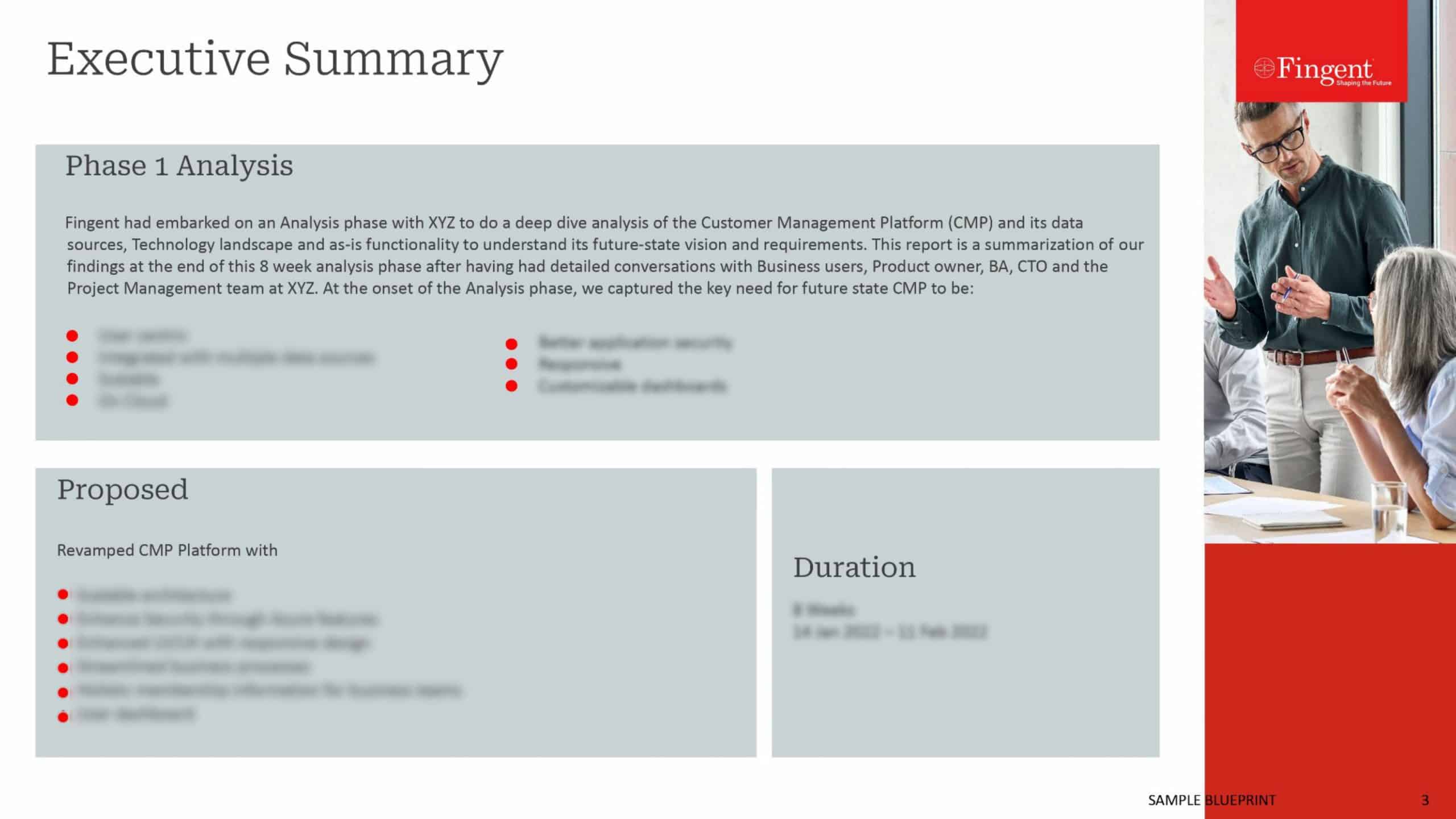
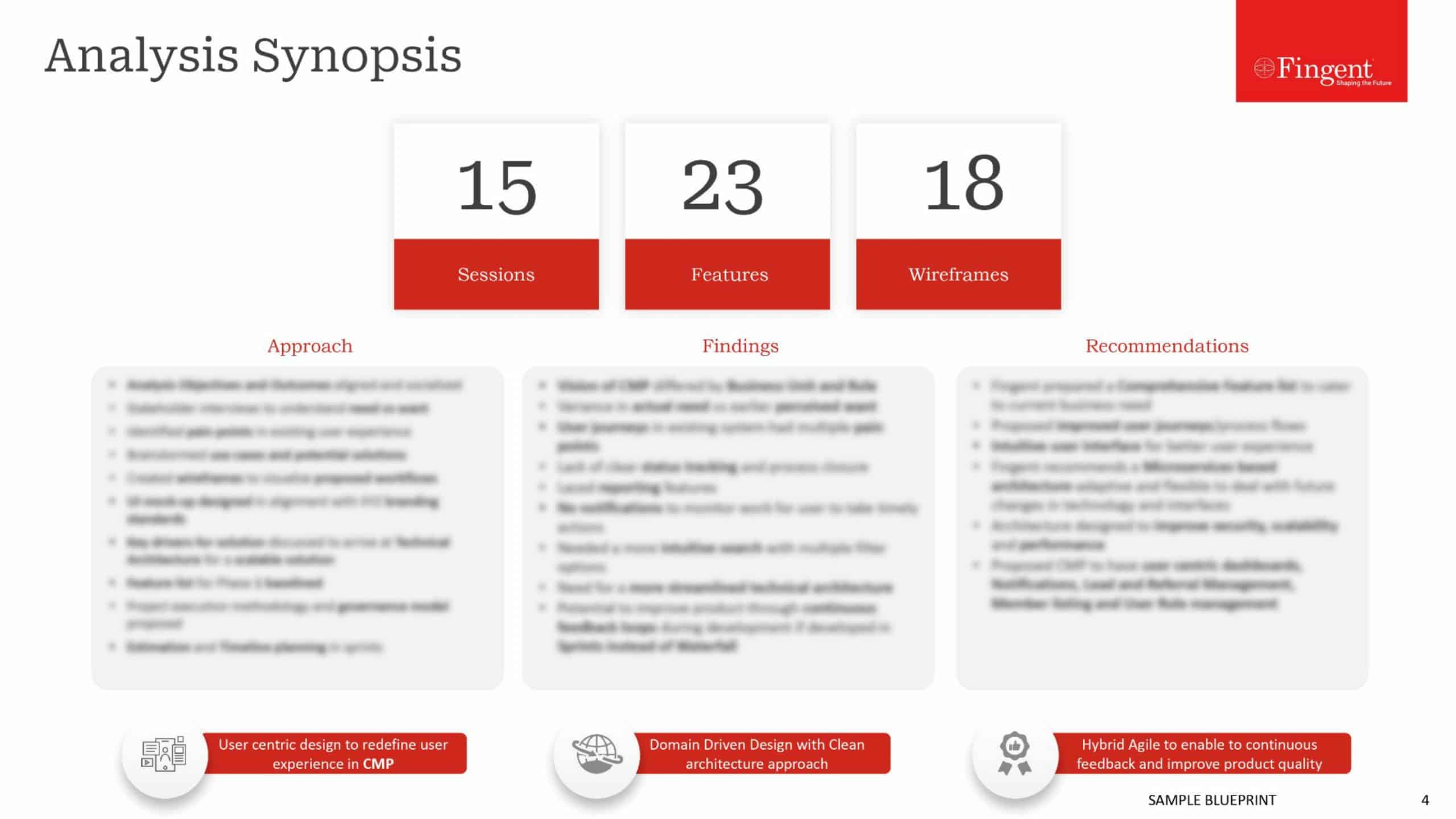
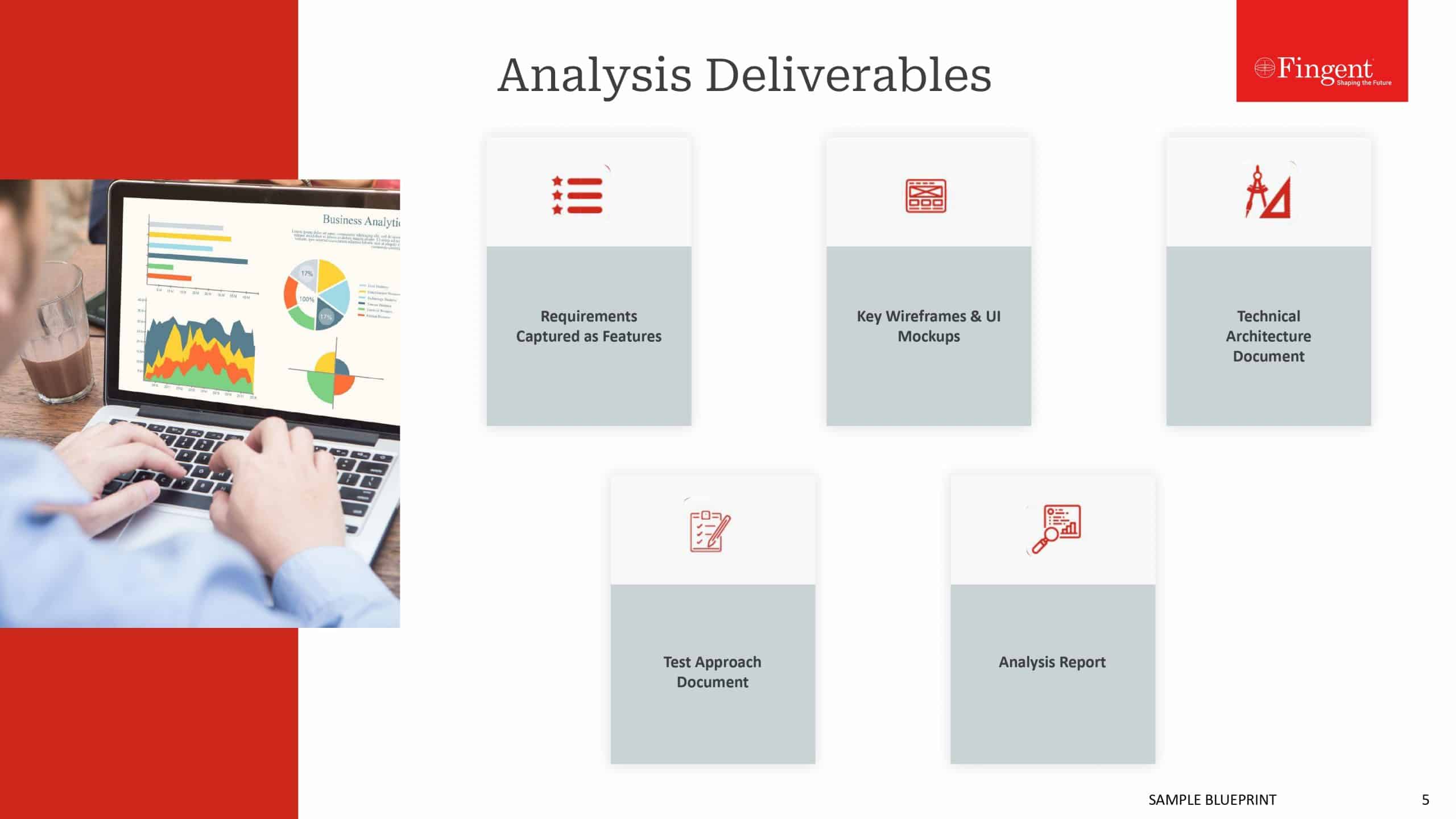
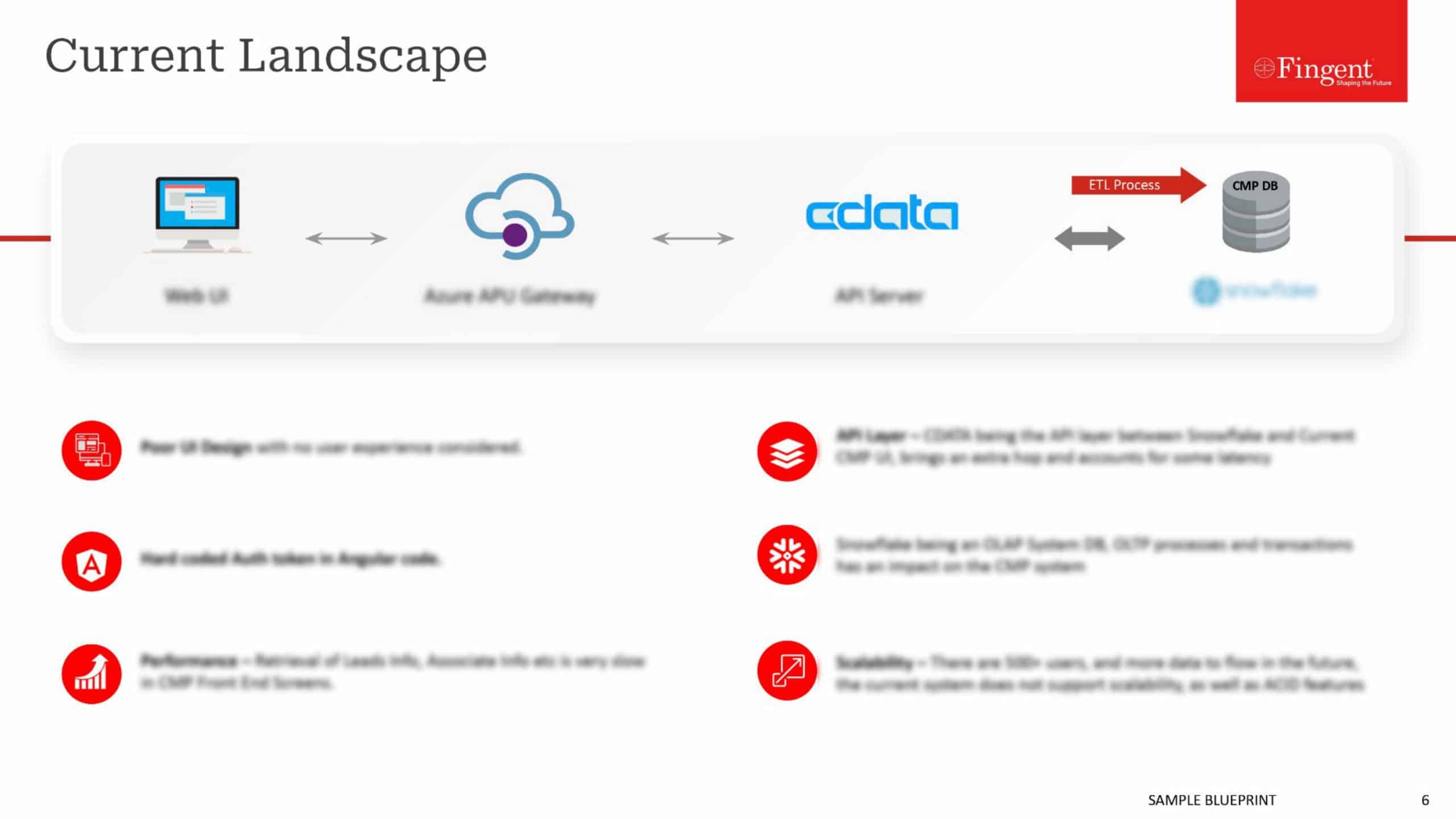
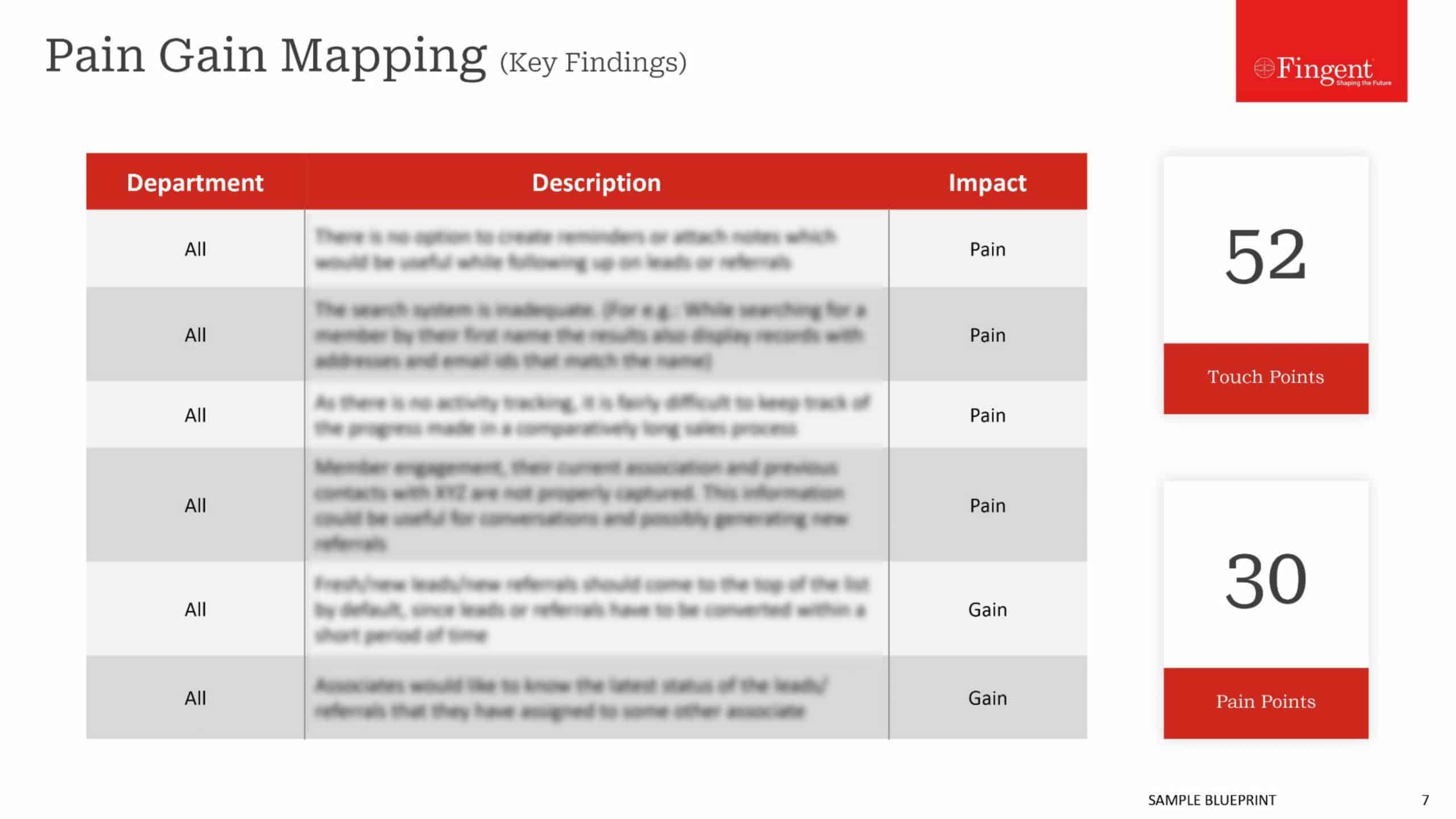
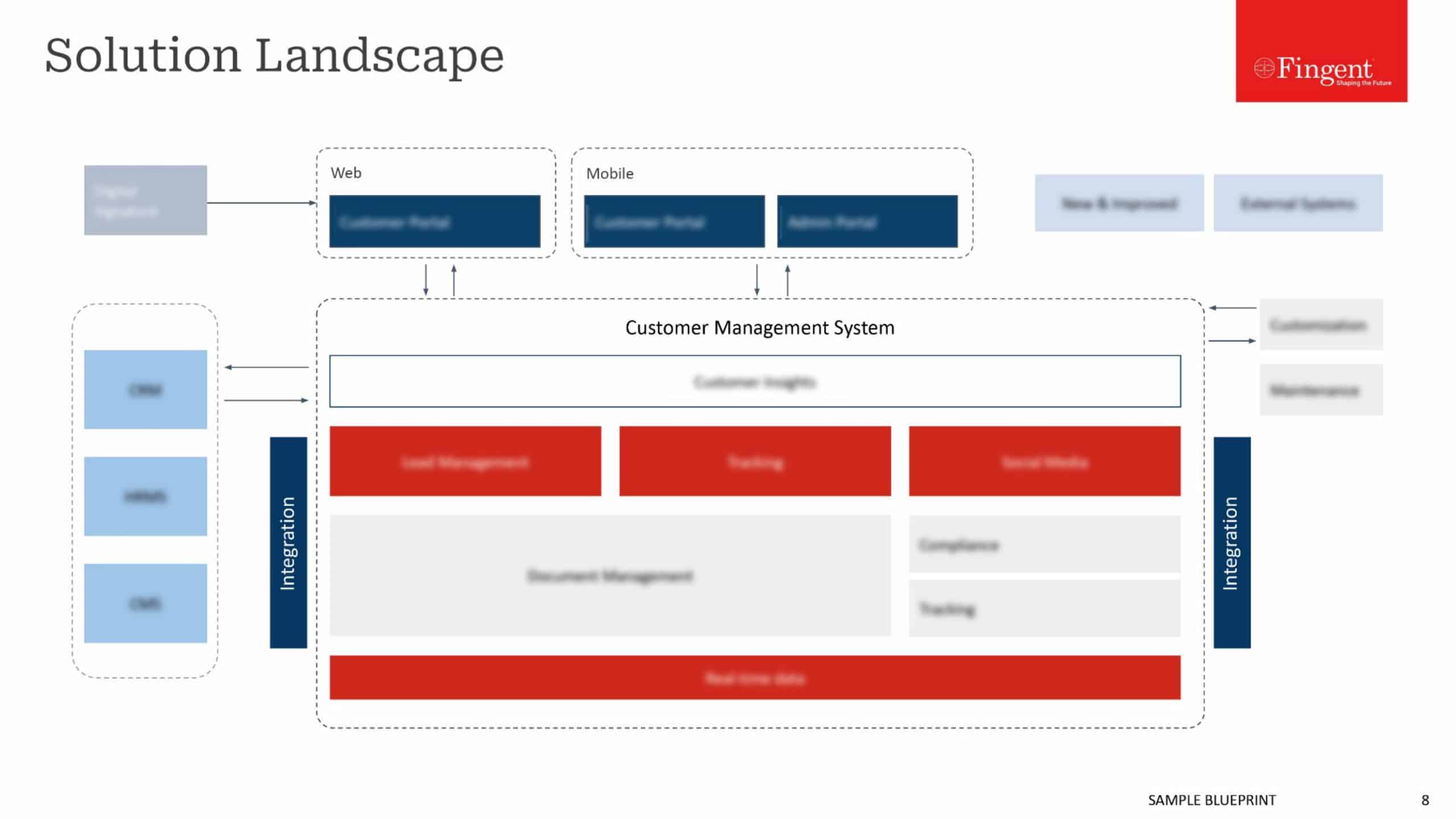
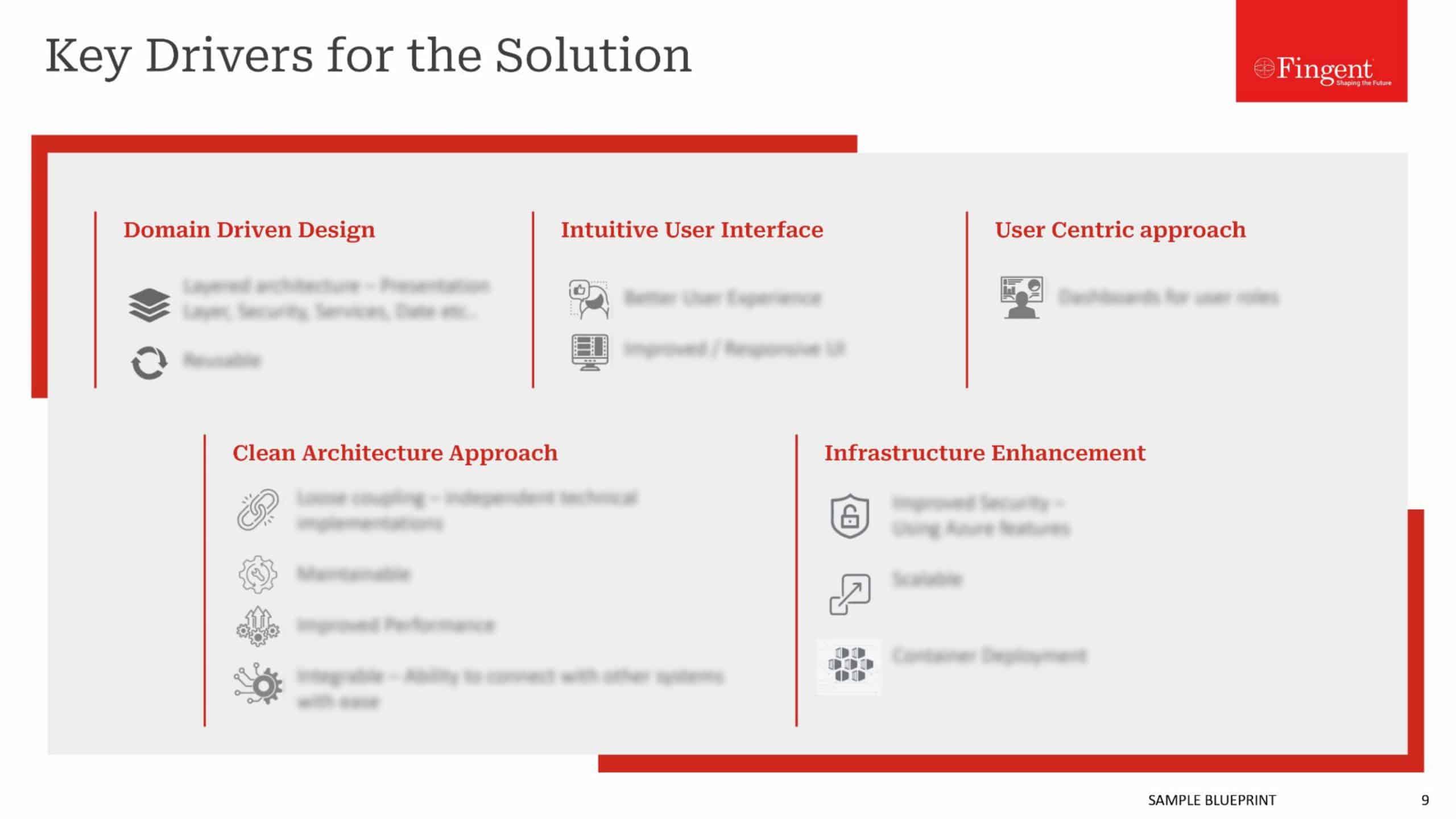
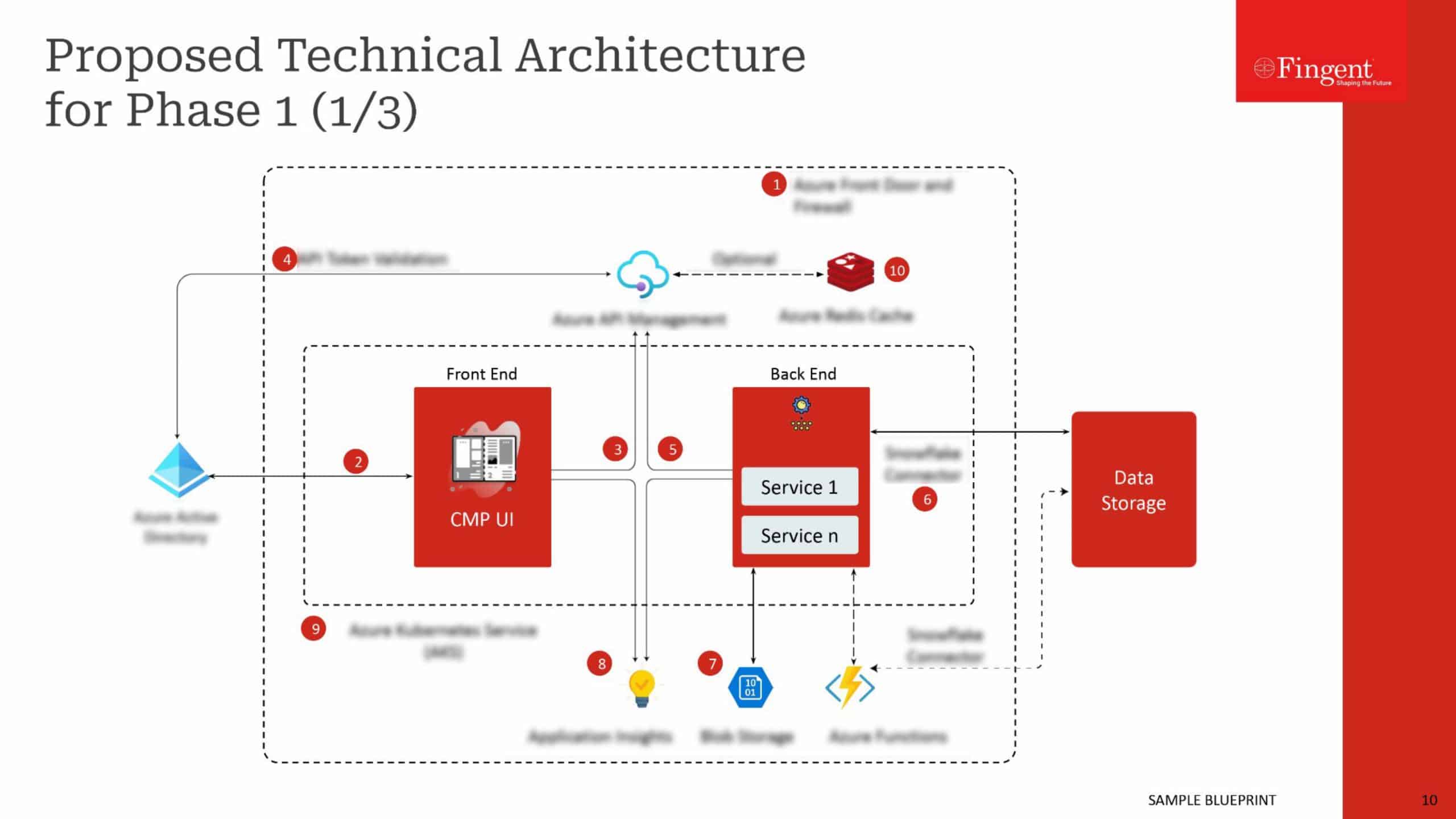

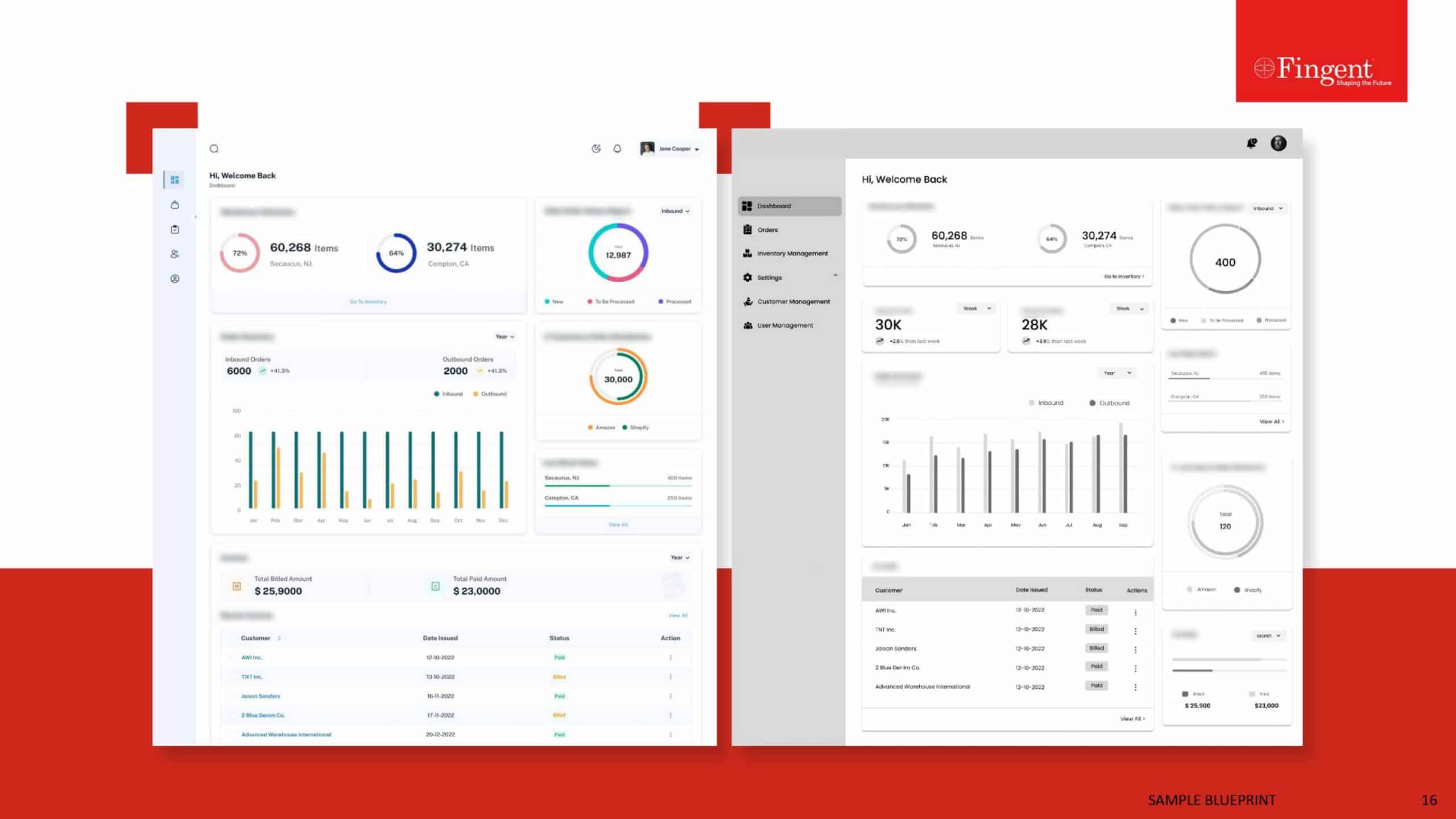
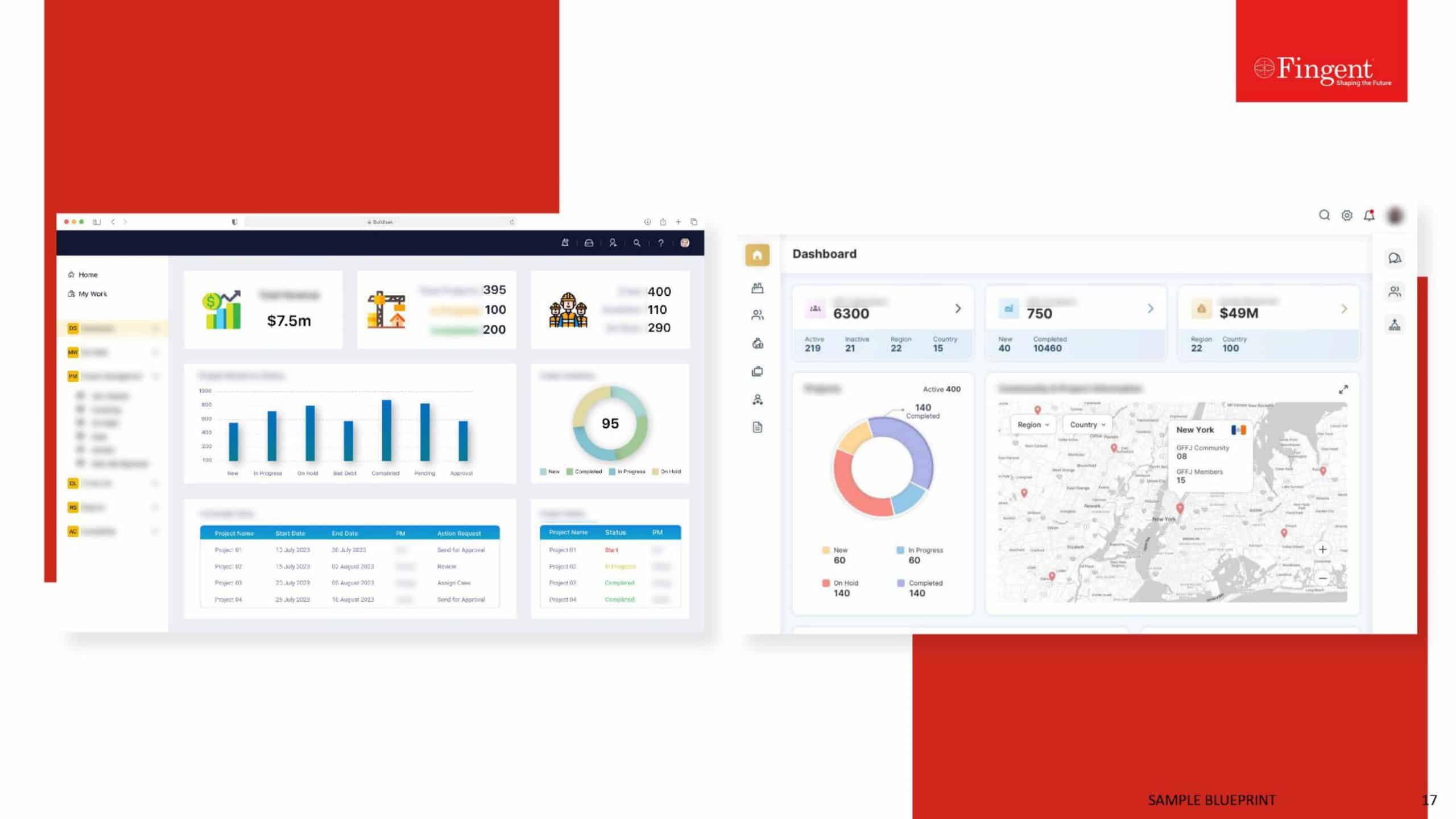
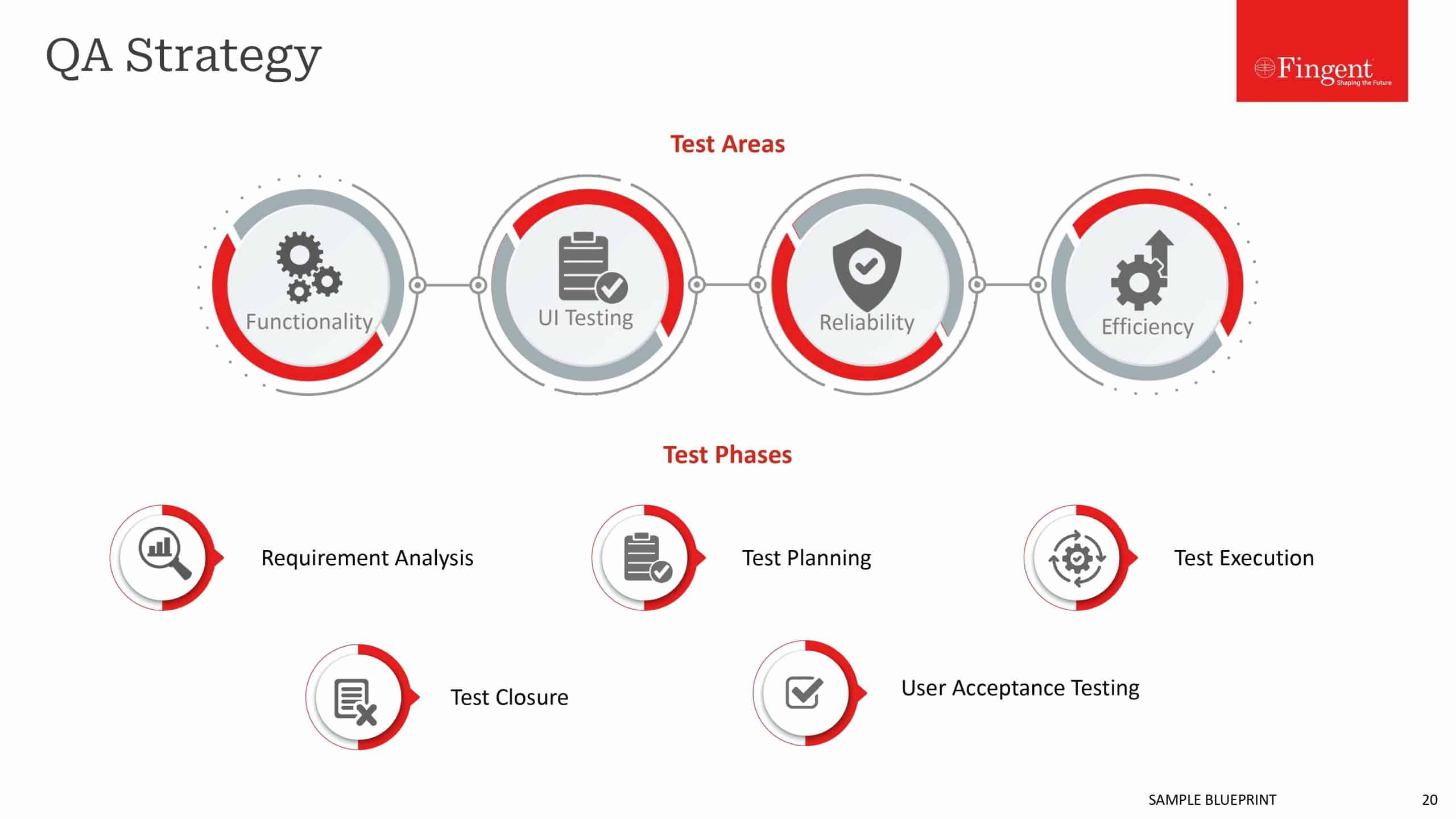
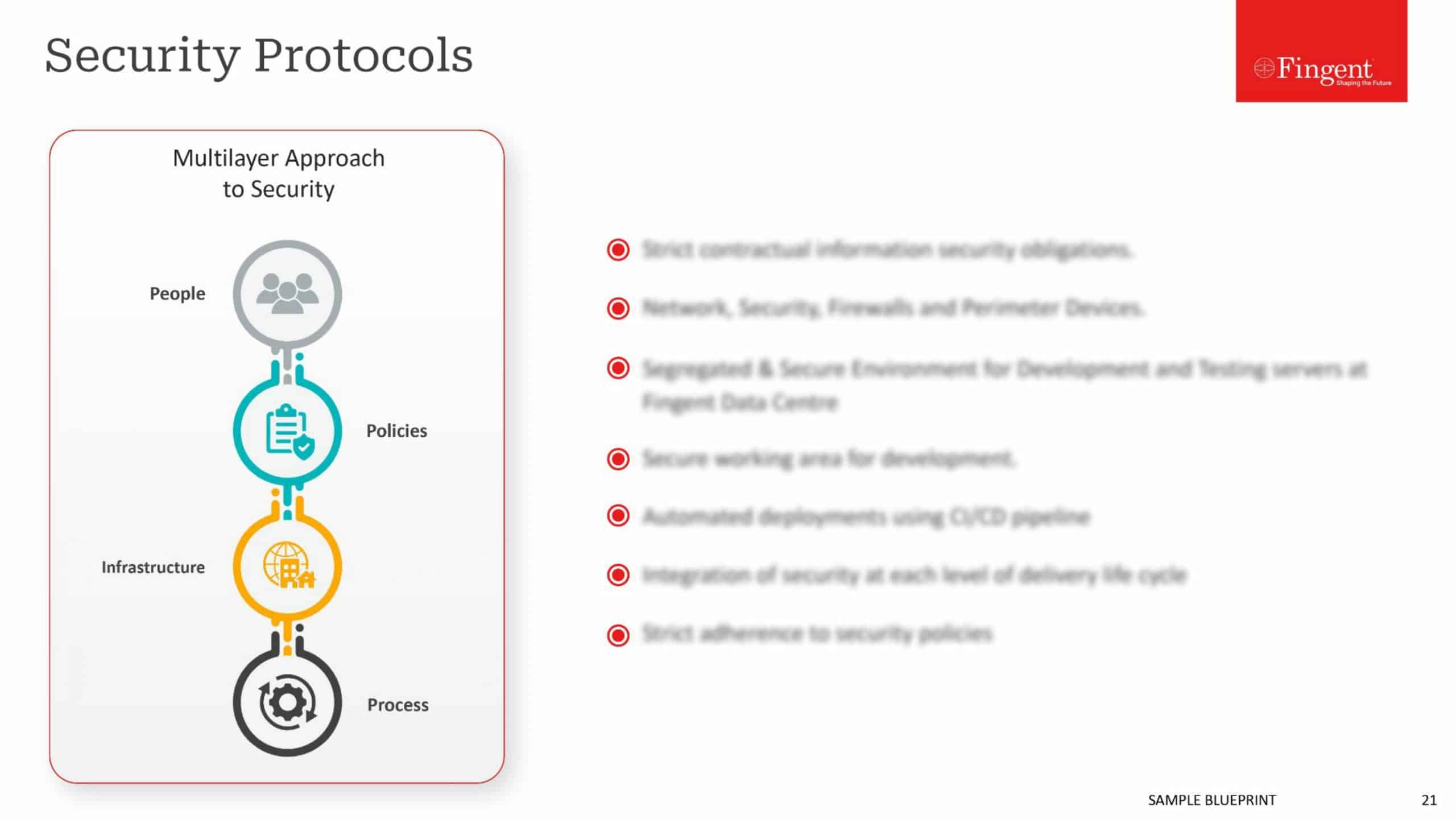
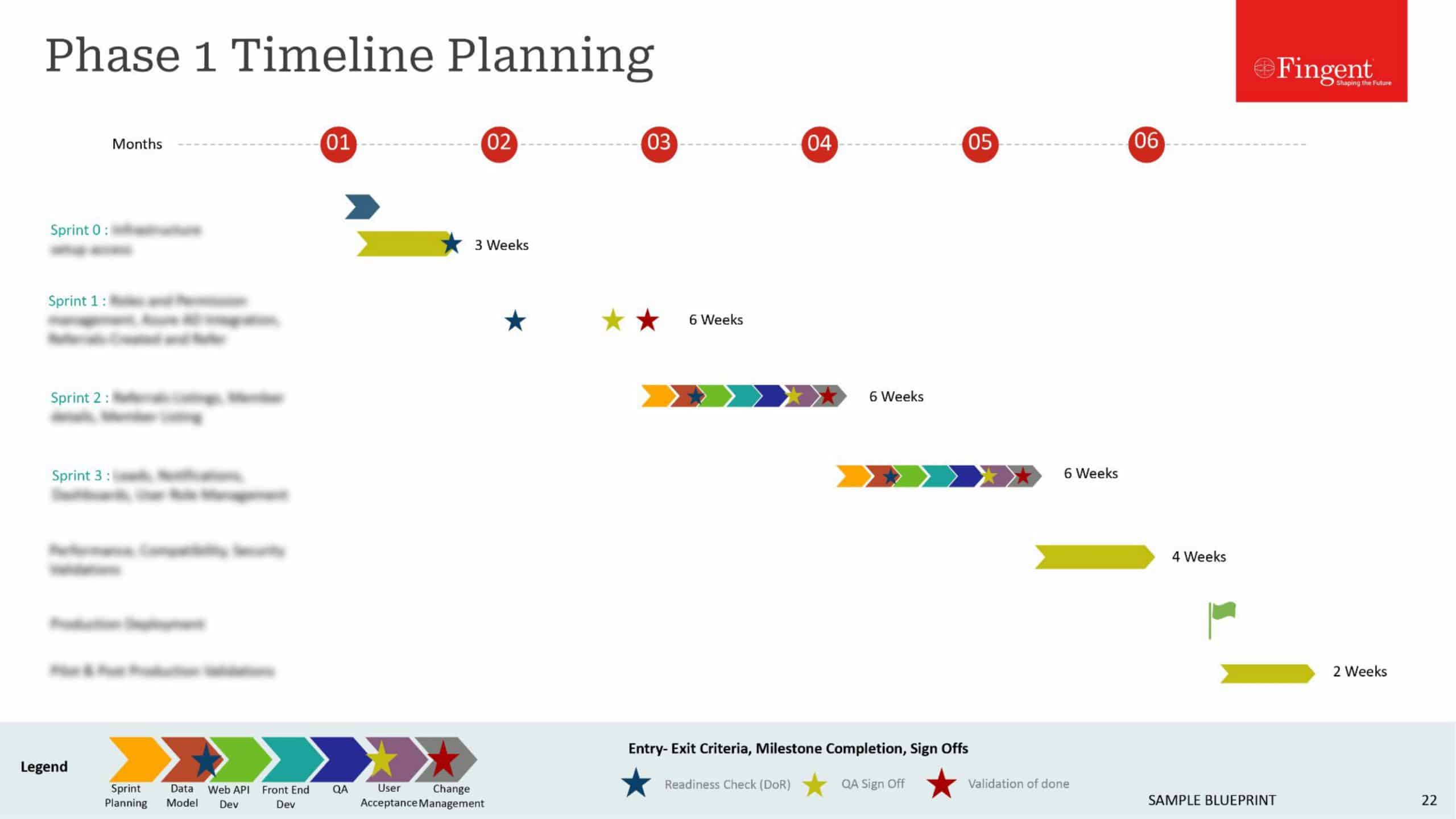

Sample Blueprint