Tag: healthcare
Step into a clinic in 2025, and you’ll see something very different from the clinics of old. The clipboard? Gone. That waiting room magazine from 2019? History.
Instead, an AI system analyzed your symptoms before you arrived. It cross-referenced your genetic profile with millions of patient records. It flagged potential concerns. It suggested personalized treatment options. All this before you said a word.
AI in healthcare isn’t coming. It’s here. And it’s transforming everything.
AI in healthcare is no longer optional. It’s essential. For patients. For providers. For everyone who wants better, faster, cheaper medicine.
Through this blog, we aim to help you grasp exactly how AI in healthcare transforms medicine from reactive to predictive, and you’ll have a clear roadmap to implementation.
Top Applications of AI in Healthcare: Where It Actually Makes a Difference
How is AI transforming healthcare today? The global AI healthcare market is projected to explode from USD 19.27 billion in 2023 to an astounding USD 613.81 billion by 2034, growing at a CAGR of 36.83%. That’s not incremental growth. That’s a fundamental shift in how medicine works. Where can you see this the most?
In the three forces reshaping healthcare: Personalization, Diagnostics and Automation.
Think of diagnostics so fast they catch diseases before you even feel off. According to a Nature meta-analysis, AI in digital pathology achieves a mean sensitivity of 96.3% and a mean specificity of 93.3%. That’s expert-level performance, available 24/7.
Think of what it can do with admin tasks. Now, your hospital runs on paperwork. AI changes that. Doctors drown in electronic health records. Nurses waste hours on administrative tasks. Treatment is delayed. Mistakes happen. Costs explode. AI in healthcare solves these problems at their roots.
Here’s a look at what is possible:
Streamlining Administrative Tasks
Administrative work takes up to 30% of healthcare costs. Scheduling. Billing. Coding. Insurance claims. These tasks don’t heal patients. They drain resources.
AI in healthcare simplifies operational complexities:
- Identifies no-shows in advance and adjusts schedules effortlessly.
- It streamlines medical coding with high accuracy, ensuring claims are accurate and minimizing rejections
- Billing automation catches errors before submission, accelerating payments
- Insurance verification is completed in seconds instead of hours
Personalization: One Size Fits None
Every patient is different. Their genetics. Their lifestyle. Their environment.
AI in healthcare makes medicine personal:
- Tailored treatment plans
- Adjusted medication dosages
- Customized care pathways
- Personalized risk assessments
The result: better outcomes, fewer side effects, happier patients.
Improved and Quick Diagnosis: Speed Saves Lives
Diagnostic errors kill. A missed tumour. A misread scan. A delayed treatment. Human doctors are excellent but fallible. They get tired. They miss patterns. They have bad days.
AI in healthcare never sleeps. It analyzes millions of images, lab results, and patient histories in seconds. It spots patterns humans can’t see.
Another study shows diagnostic error rates dropped from 22% to 12%—a 45% reduction—when AI-assisted clinicians. For pulmonary conditions, AI detection accuracy reached 92% versus 78% for manual interpretation.
How Does AI Help in Disease Diagnosis and Early Detection?
Let’s dive into the real clinical punch of AI—how it sifts through massive datasets in seconds, spots diseases before symptoms whisper, chops medical errors nearly in half, and builds treatment plans that feel tailor-made instead of template-driven. It’s not just smart; it’s economical too, cutting hospital readmissions by 30% while pushing care quality up and costs down.
Cancer doesn’t wait. Neither does AI.
The biggest impact of AI in healthcare happens at the bedside. In the lab. In the diagnostic suite. Where seconds matter, and mistakes cost lives.
Analyzing Large Data Faster: From Weeks to Seconds
Pathologists’ examinations and radiologists’ studies take time. Both are limited by human capacity. AI in healthcare processes thousands of images simultaneously. It identifies cancer cells in pathology slides. It spots tumours in radiology scans.
What is the result? Diagnostic accuracy matches or exceeds human experts, delivered in seconds instead of weeks.
Diagnosing Diseases at the Early Stage: Catching What Humans Miss
Detecting issues early can save lives. Late detection ends them. The difference between stage 1 and stage 4 cancer is often a matter of months.
AI in healthcare identifies diseases before symptoms appear. It analyzes patterns in:
- Genetic data predicting cancer risk
- Imaging data detecting microscopic changes
- Lab results flagging abnormal trends
- data monitoring vital signs continuously
Did you know? AI flags 8% of patients for potential rare diseases. 75% of those flags are right.
Minimize Medical Errors
Medical errors kill more people than many diseases. Wrong diagnoses. Wrong medications. Wrong treatments. AI reduces these errors systematically. It double-checks prescriptions. It verifies treatment plans. It alerts clinicians to potential mistakes.
One study estimates that broader AI adoption could save the U.S. healthcare system roughly 200–360 billion USD per year.
Enabling Personalized Patient Care and Treatments
Every patient is their own chemistry experiment. One treatment works magic for one and falls flat for the next. Traditional medicine uses trial and error. It’s slow. It’s expensive. It’s often wrong.
AI in healthcare predicts treatment response. It analyzes:
- Genetic markers indicating drug metabolism
- Medical history showing past responses
- Lifestyle factors affecting treatment efficacy
- Population data identifying successful patterns
The result? Outcomes rise. Side effects fall. That’s the AI advantage.
Reducing Complications and Hospital Readmissions
Hospital readmissions cost billions. They indicate treatment failure. They harm patients.
AI predicts which patients are likely to be readmitted. It identifies risk factors. It suggests interventions. It monitors recovery remotely.
Raising Care Quality While Driving Costs Down
When healthcare costs increase, patients feel the weight first. Quality keeps declining. Access keeps shrinking. It’s time for a smarter system that delivers better care without bleeding budgets.
AI in healthcare reverses this trend. It improves quality while reducing costs.
- Early detection prevents costly late-stage trauma
- Predictive prevention stops disease progression
- Administrative automation slashes operational overhead
The result: high-quality care at lower costs. Accessible. Affordable. Effective.
AI in Healthcare: Concerns Around Data and Cybersecurity
AI doesn’t just open doors—it creates entire highways for attackers. Interconnected devices become hop-on points. Cloud storage turns into a “please steal me” jackpot.
Your medical data is your most valuable asset. It’s also your most vulnerable. Every AI system runs on data. Patient records. Genetic information. Medical images. Treatment histories. This data is sensitive. It’s personal. It’s protected by law.
But AI creates massive attack surfaces. Hospitals store petabytes of data. Wearables transmit information continuously. Cloud systems connect thousands of devices. Each connection is a potential vulnerability.
Use Case: AI Predictive Analytics for Disease Prevention
What Are the Biggest Challenges of AI Adoption in Healthcare?
Weaknesses in AI in healthcare systems include:
- Interconnected devices — Every connected medical device is a potential entry point for hackers
- Cloud storage — Centralized data repositories create high-value targets
- Human error — Staff click phishing links. They share passwords. They accidentally expose data
According to the Department of Health and Human Services, AI could help detect up to $200 billion in fraudulent healthcare claims yearly. But the same AI systems creating this value can be compromised.
The World Economic Forum warns: AI in healthcare risks could exclude 5 billion people if not implemented equitably, with proper data governance and security frameworks.
But data breaches are predictable. The question is damage control.
Approaches to Handling Vulnerabilities: Building Fortresses, Not Sandcastles
Healthcare organizations must implement robust cybersecurity:
- Continuous monitoring
- Regular penetration testing
- Staff training
- Incident response plans
- Vendor security assessments
AI in healthcare must be designed with privacy by default. Anonymization. Data minimization. Secure multi-party computation. Federated learning. In other words: the model learns, the data stays home.
FAQs on AI in Healthcare
Q: Will AI soon take over the duties of healthcare providers?
A: Most certainly not. It energizes them immensely.
AI handles the grunt work. That includes admin work, pattern-spotting, and data crunching. This helps clinicians focus on what actually saves lives: judgment, empathy, and complex care.
Q: How do we ensure AI is accurate and safe?
A: Test it. Monitor it. Control it. Models need diverse data, rigorous clinical testing, and nonstop drift checks. And human oversight? Non-negotiable. Think of AI as the copilot—it advises fast, and clinicians decide wisely. That’s how you get speed without sacrificing safety.
Q: How do we secure AI in healthcare from the start?
A: Lock it down from day one. Build security into the foundation. Privacy is the spine holding everything upright. Encrypt everything. Keep data anonymized by default. Use strict access controls. When you do all this well, AI doesn’t become a liability — it becomes armor.
Q: How long does implementation take?
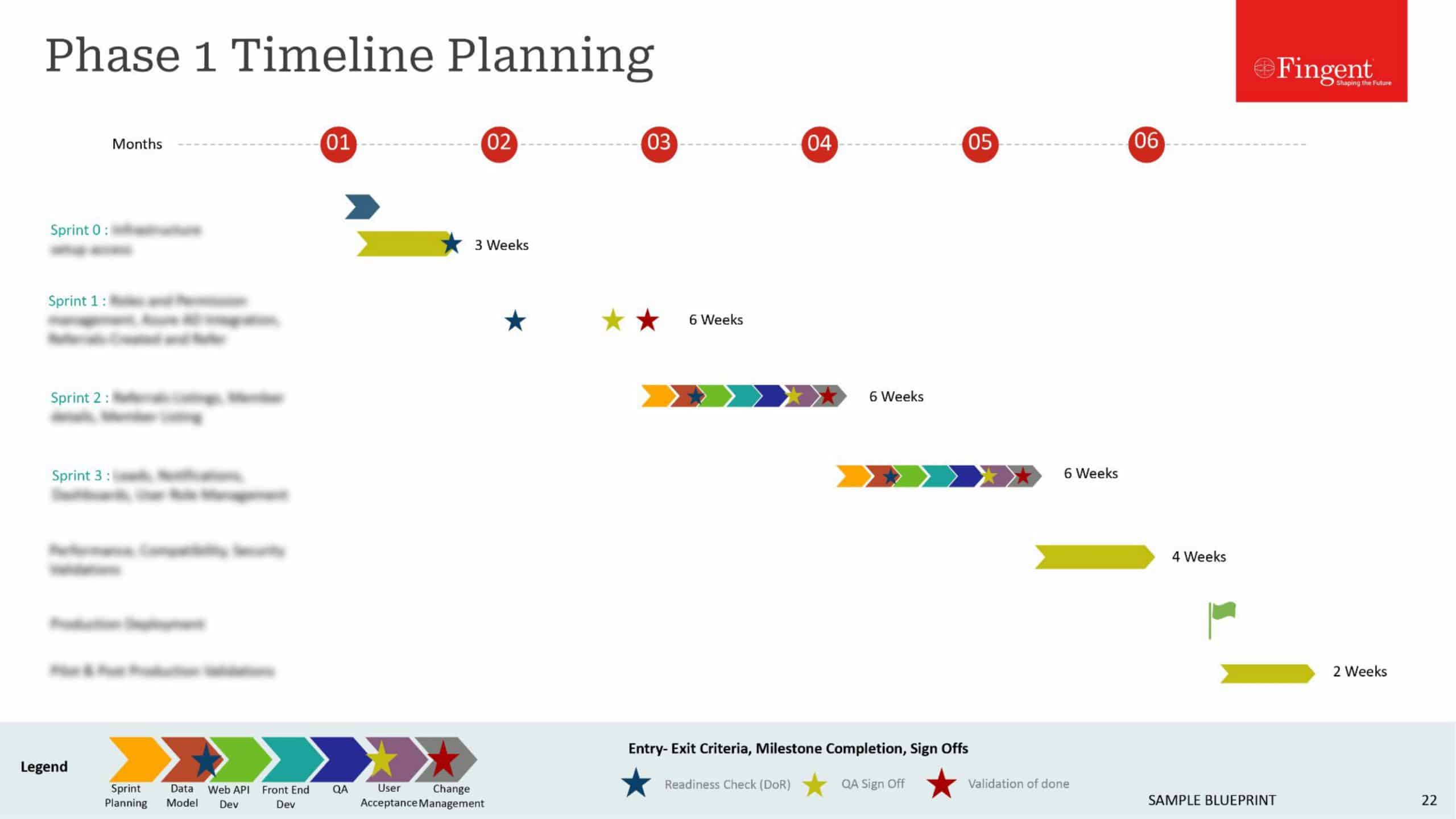
A: Pilots land in 3–6 months. Full deployment takes 12–24.
Here’s the typical runway:
- Months 1–2: Define the problem, prep the data
- Months 3–4: Build and test the model
- Months 5–6: Pilot and validate
- Months 7–12: Roll out, refine, optimize
Short runway. Big payoff.
AI in healthcare is iterative. You don’t “finish.” You mature—step by step—toward higher automation and better outcomes.
Q: What if our staff resists AI?
A: Bring them in early. Show the value. Train for confidence.
Resistance isn’t a roadblock—it’s a flare. Pay attention. Reduce the tasks, not the staff. Place tools in their hands, not fear in their minds. Acknowledge minor achievements. Elevate the early adopters. AI doesn’t win by replacing people—it wins when it makes people feel stronger, sharper, and more in control.
Power Your Operations With Seamless AI Adoption Harness AI With Expert Guidace at Each Step
How Fingent Helps You Navigate AI Adoption
You’ve seen the potential. Now you need a partner who can turn potential into progress. Fingent cuts through the hype, draws a clear blueprint, and helps your teams adopt AI without the chaos or confusion. Practical guidance. Real-world execution. Tangible wins. That’s the difference.
Fingent helps healthcare organizations implement AI in healthcare successfully. Not as a vendor. As a partner.
Why Fingent Succeeds Where Others Fail:
- We understand medicine, not just technology
- Successful implementations across healthcare organizations
- We manage the entire journey, from strategy to optimization
- We ensure your teams adopt and embrace AI
- We build systems that meet HIPAA, FDA, and other requirements
- We don’t disappear after deployment; we optimize continuously
AI in healthcare is complex. Fingent makes it simple. And effective.
Your patients are waiting. Your clinicians are ready. The time is now.
Stay up to date on what's new

About the Author

Tony Joseph

Tony believes in building technology around processes, rather than building processes around technology. At Fingent, he specializes in custom software development, especially in analyzing processes, refining them, and then building technology around it. He works with clients on a daily basis to understand and analyze their operational structure, discover (and not invent) key improvement areas, and come up with technology solutions to deliver an efficient process. You can reach him at [email protected], Skype: tony_fingent
Featured Blogs








Stay up to date on
what's new



Talk To Our Experts
Have you wondered what the real cost of a 10-minute delay in a hospital is? Yes, time is lost. A missed diagnosis. A delayed surgery. Yet, in too many hospitals, critical data is locked in silos. Systems don’t talk. Teams improvise. And even the most skilled professionals are left navigating blind spots. That’s exactly where SAP for Healthcare steps in—and rewrites the playbook.
Across the globe, healthcare leaders are turning to SAP healthcare solutions. Why? To bring structure to the chaos. Not just to digitize paper records (that’s the bare minimum), but to build an intelligent, connected ecosystem—from patient intake to discharge, from inventory to incident response.
Because in a truly modern healthcare system, technology doesn’t just assist—it amplifies care.
How Can SAP Improve Healthcare Operations?
Modern healthcare isn’t just about treating symptoms—it’s about seeing the person behind the patient, responding in real time, and keeping every cog in the care machine running with precision. That’s the edge SAP for Healthcare delivers.
Here’s the problem: hospitals today are swimming in data—lab results, patient histories, insurance claims, rosters, inventory logs—you name it. But too often, data is disconnected. Underused. And when systems don’t speak to each other, care teams are left translating chaos instead of focusing on care.
SAP healthcare solutions flip that script.
Where others drown in data, SAP builds a single source of truth that actually talks. What does it mean in practice? Fewer delays. Fewer errors. Decisions made on the spot—with confidence.
And here’s the important fact: when the backend is truly streamlined, the frontline gets more human. No more treating patients like numbers in a queue. With SAP, care teams finally have the time, insight, and tools to treat people like people.
Power Your Business to Do More With Modern SAP Solutions
How Does SAP Improve Healthcare Operations?
What used to bog hospitals down? Disconnected systems, reactive decisions, and endless paperwork. Here’s how SAP in healthcare industry is helping providers:
1. Unified Patient Data Across Departments
Silos don’t belong in healthcare. Yet in many hospitals, radiology can’t see billing, pharmacy has no clue about OR schedules, and frontline doctors are left guessing. SAP fixes this. One hub. One truth. No chasing reports. No duplicate tests. Just one shared version of the truth.
The result? Faster diagnoses. Smoother workflows. And a patient experience that feels like everyone’s actually on the same team.
2. Smarter Resource Allocation
Running a hospital is like managing a mini city—beds, PPE, oxygen, nursing shifts, and a hundred moving parts. Here, SAP’s predictive analytics forecasts demand and flags shortages early. It allocates what’s needed, where it’s needed—before the crisis hits.
This isn’t just about trimming costs. It’s about saving lives by staying one step ahead.
3. Real-Time Decision Support
What if your hospital dashboard could whisper, “Check Room 6—this patient’s vitals are trending wrong”?
This is achievable through tools such as SAP S/4HANA and SAP Health Engagement. They reveal trends and obstacles instantly by merging experience data (X-data) with operational data (O-data).
The result? Clinical decisions that aren’t just faster—but better informed.
4. Automation of Routine Tasks
Processing insurance claims. Managing medication inventory. Generating discharge summaries.
These aren’t tasks that should eat up a nurse’s shift. With SAP, they don’t. On both sides of the bed, a better experience is also achieved through quicker billing, fewer human errors, and more seamless discharges.
5. Compliance and Security
Healthcare has rules—lots of them. HIPAA. GDPR. Local laws. Patient consent. Data storage protocols.
Compliance headaches? Cured. SAP healthcare solutions automate the paperwork and armor your data, leaving auditors with nothing to chew on.
Real-Time Visibility That Saves Lives (and Budgets)
Because in healthcare, lag kills. Ten minutes can ripple into catastrophe. SAP S/4HANA + SAP Analytics Cloud gives leaders X-ray vision into bottlenecks and staff shortages—letting them hit “solve” before a crisis blooms.
And this isn’t theoretical. It’s happening now:
Charité Berlin: Unified Clinical Data Access
- The move: Combined clinical systems—labs, imaging, and research—into one platform powered by SAP HANA.
- The result: Clinicians and researchers can now access complete patient records in seconds. This speeds up diagnostics. This enables progress like molecular tumor boards as well as whole-genome sequencing for identifying rare diseases.
Heidelberg University Hospital (Germany) – Management in Real-Time
- The move: Applied a cloud-oriented system by employing SAP Analytics Cloud. And SAP BTP to monitor ICU beds, personnel, ventilators, and PPE throughout 25 clinics and 45 wards during COVID-19.
- The result: They were able to gain precise, real-time insights. This helped route ambulances efficiently, optimize resources, and maintain control during peak crisis.
This isn’t theory—it’s lives saved through visibility. It shows how SAP tools empower healthcare leaders to react in hours, not days.
Dabur India Ltd.: E-Way Bill Generation Solution
- The move: Fingent integrated a SAP ECC-based e-way bill system based on SAP ECC.
- The result: The entire cycle of e-way bill generation was streamlined. Enabled automated bill generation, transfer authentication, and automated processes to stay compliant with regulations.
The Future of SAP in Healthcare
Healthcare is no longer about reactive treatment—it’s about proactive, connected, intelligent care. And SAP for Healthcare isn’t just part of that future—it’s shaping it.
Four ways SAP is reshaping healthcare:
1. Predictive, Preventive, Personalized Care
With SAP HANA and SAP BTP, providers tap into real-time data. It includes wearables, genomics, and lifestyle patterns to shift from reactive to predictive care.
Heart failure flagged early? Check.
Tailored cancer treatments based on genetics? Already happening.
2. AI-Powered Decision Support
AI isn’t coming—it’s embedded. SAP S/4HANA and SAP Analytics Cloud offer immediate notifications. They also propose treatment options and optimize workflows without hindering clinicians
3. End-to-End Patient Experience
Today’s patients want more than care. They want to feel seen. Empathy, clarity, and smooth communication are some of the most important aspects to them. With SAP Qualtrics and SAP Customer Data Cloud, you can tailor every step. Be it check-in or post-discharge. It does this using real-time emotional and behavioral feedback.
4. Healthcare-Grade Supply Chains
Fake meds. Fragile logistics. Narrow delivery windows. With SAP ATTP, hospitals trace, verify, and track every pharmaceutical unit—from lab to pharmacy shelf. It’s precision at scale, built for a high-stakes supply chain
Trying to Figure Out the Right SAP Solution for Your Business? Our SAP Experts Can Help You Analyze & Identify Apt Solutions
How Fingent Helps You Lead That Future
We’re not just SAP experts—we’re SAP Gold Partners with a deep bench in healthcare transformation. That means we speak fluent compliance and clinical operations.
Here’s what Fingent, as a partner, will assist you with:
Tailored SAP Strategy: We build roadmaps that meet your exact operational and care delivery goals.
Custom Integrations: From HIS and LIS to ERPs and mHealth apps—we make SAP talk to your tech stack.
Scalable Implementations: We can help you scale what you need from regional clinics to national networks.
Compliance by Design: We ensure to consider HIPAA, GDPR, and local laws from day one.
Post-Go-Live Support: Launch is just the beginning. It’s the handoff to smarter, ongoing improvement.
With SAP as your engine and Fingent as your guide, healthcare’s digital future isn’t just possible—it’s already in motion.
Stay up to date on what's new
About the Author

Featured Blogs
Stay up to date on
what's new
Talk To Our Experts


Stay up to date on what's new
About the Author
Tony Joseph
Tony believes in building technology around processes, rather than building processes around technology. At Fingent, he specializes in custom software development, especially in analyzing processes, refining them, and then building technology around it. He works with clients on a daily basis to understand and analyze their operational structure, discover (and not invent) key improvement areas, and come up with technology solutions to deliver an efficient process. You can reach him at [email protected], Skype: tony_fingent
Featured Blogs
Stay up to date on
what's new
Talk To Our Experts
Top Healthcare Digitalization Trends To Look For In The New Normal
Healthcare digitalization is reshaping the way we interact with healthcare professionals, share medical data or make decisions related to treatment and outcomes. There are plenty of examples that substantiate the digitalization of healthcare today, such as Artificial Intelligence-powered medical devices, telemedicine, blockchain, remote-patient monitoring, and electronic health records.
The main aim of healthcare innovation is to streamline the medical professionals’ work, optimize medical software systems, reduce human errors, improve patient outcomes, and lower costs through integrated web and mobile experiences.
Read more: The Application and Impact of Information Technology in Healthcare
Let’s look at the state of healthcare digitalization in 2024 and beyond:
1. On-demand Healthcare Will Grow
With the COVID-19 pandemic restricting many people to remain indoors, more and more patients seek on-demand healthcare. It is convenient as it helps patients seek guidance at their own time and from anywhere they need it.
DMN3 reveals that patients obtain online medical information primarily for the following reasons:
- 77% for booking medical appointments
- 47% for searching information about doctors and healthcare professionals
- 38% for searching information about hospitals and medical facilities
That said, on-demand healthcare is rising due to the growth of the gig economy. Here, freelance professionals from various industries hire themselves out per job or ‘gig’ instead of sticking to one company.
Read more: Patient Engagement Platforms: 7 Must-have Features

Many online healthcare marketplaces link doctors directly with short-term tasks, making it easier for physicians to deliver patient care in specific circumstances based on their expertise and schedule. Simply put, doctors are becoming on-demand healthcare providers to meet the changing needs of their patients in a better way.
2. Big Data Will Be Used To Improve Healthcare Management
Big data is the information gathered from various platforms such as eCommerce, social media, online transactions, and financial transactions. It helps identify patterns and trends for future use.
Read more: 5 Ways Big Data is Changing the Healthcare Industry
For healthcare, big data offers benefits such as:
- Reduced medication errors: Patient record analysis allows the healthcare software to flag any inconsistencies between a patient’s health and drug prescriptions. This alerts the health professionals and patients in case there is a potential risk of a medication error.
- Simplifying preventive care: Many recurring patients stepping into emergency rooms are “frequent flyers.” These frequent flyers account for up to 28% of clinical visits. Big data analysis helps identify these recurring patients and create preventive plans to keep them from returning.
- Improved staffing: Using big data’s predictive analysis, hospitals and clinics can estimate future admission rates enabling these facilities to allocate proper staff to deal with the patient. This will help save money and reduce emergency room waiting time, especially when a facility is understaffed.
Case Study: How did a data analytics solution help NHS gain financial, clinical, and geographical insights to improve visibility over their KPIs? Read Now!
Big data analytics, visualization, and insights generation can improve healthcare operations management and transform the patient experience.
3. Virtual Reality Will Transform Medical Training & Care Delivery Models
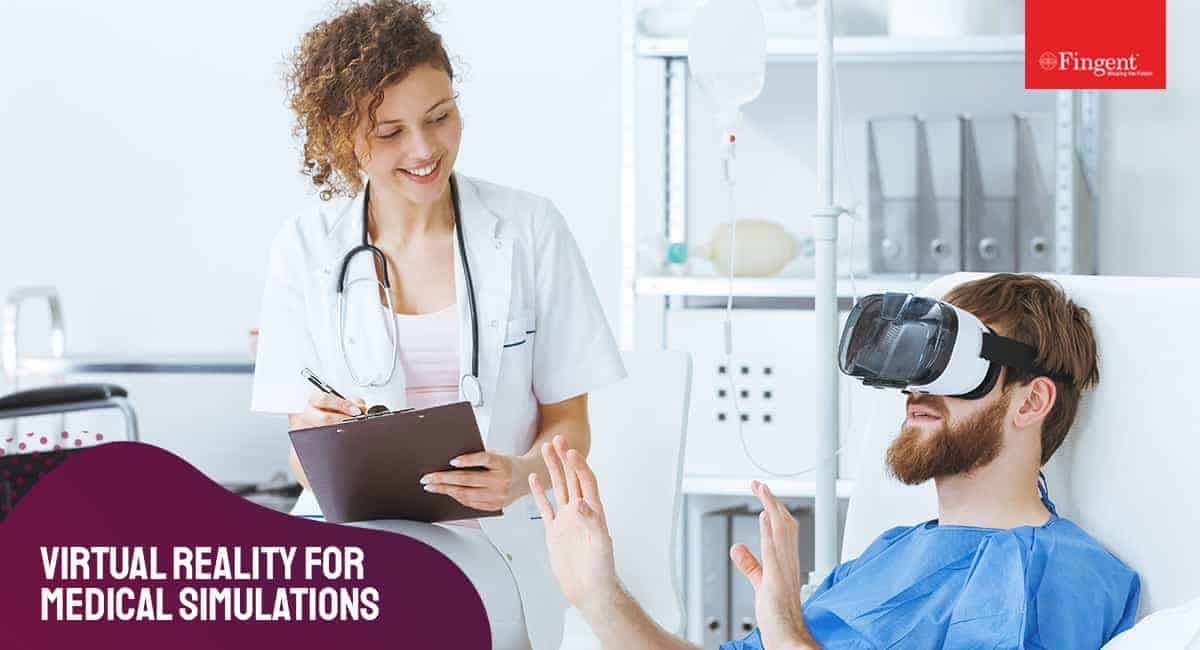
Virtual Reality is one of the most outstanding healthcare digitalization trends that change the way patients are diagnosed, and medical residents are trained.
- VR in medical diagnosis & treatments: VR is increasingly used in treatment segments in healthcare, such as patient education, robotic surgery, physical and psychological therapy, etc. For instance, medical professionals can use VR to construct a 360° patient-specific video detailing how the surgery will help the patient cure and the consequent results. Virtual Reality has been found effective in treating anxiety, post-traumatic stress disorder, and stroke.
Case Study: Find how Fingent developed a unique mixed reality application for a leading university that enables users to identify people using facial recognition. Download Now!
- VR for medical training: Other uses of VR technology include doctors and medical residents using VR simulations to hone their skills (learning in near-real situations) and safely plan complicated surgeries. In addition, VR headsets are used post-surgery to encourage patients to exercise and follow physiotherapies. The technology also enables autistic children to learn and navigate the world.
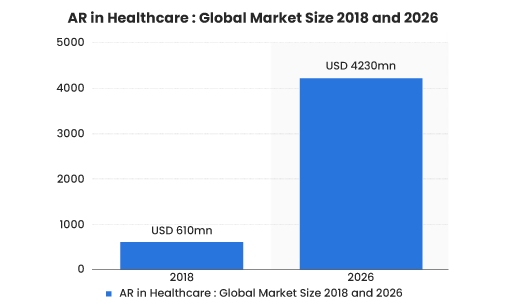
- Growth of VR in the medical field: From startups to established pharma companies, everyone recognizes the role of VR in healthcare. Experts estimate that by 2025 the global virtual and augmented reality in healthcare will reach $5.1 billion market value. So, if you’re a healthcare company wanting to improve your digital marketing strategy, you should consider investing in VR.
Read more: How Virtual Reality Improves The Standards Of Medical Education And Training
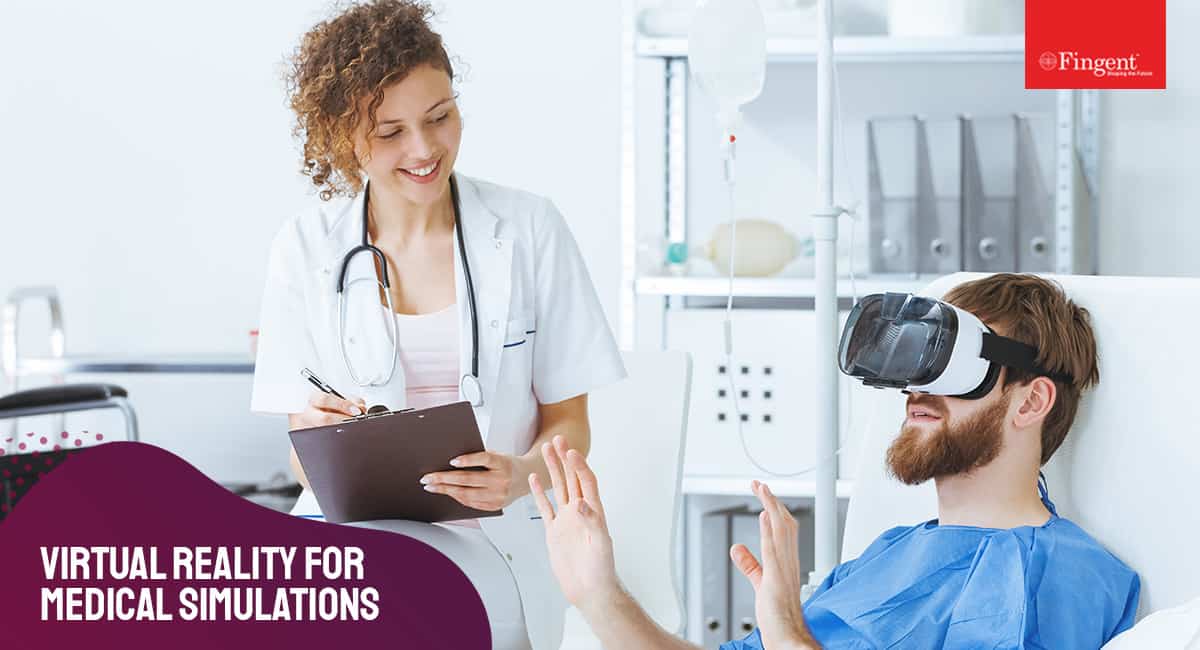
Virtual Reality technology offers a powerful communication channel that allows you to understand customers’ needs better and virtually engage them with your products and services.
4. Wearable Medical Devices Will Enjoy A Wider Market
Another major healthcare digitalization trend is companies collecting their health data from medical devices such as wearables. Previously, most people would check in with their doctors only when something went wrong and were used to undergoing physical check-ups once a year. However, technology is changing that. Today, people highly focus on preventive maintenance and are interested in knowing about their health status frequently. This trend forces several healthcare companies to invest in wearable technology devices that allow patients or family members to track health vitals and seek medical aid when needed. Wearable medical devices enable up-to-date monitoring of high-risk patients and determine the likelihood of any severe health risk.
Experts estimate that the wearable medical device market value will cross USD 27,200 mn by 2023.
Following are some of the widely used wearable devices:
- Exercise trackers (Google Fit, Fitbit, etc.)
- Heart rate sensors (Samsung Heart Rate Sensor, Pulse Sensor, etc.)
- Sweat meters: to monitor blood sugar levels of diabetics
- Oximeters: to monitor the amount of oxygen carried in the blood
Wearable devices in healthcare offer the following benefits:
- Personalized healthcare experience: Medical devices help patients improve their health and give them a sense of ownership regarding personal healthcare management.
- Insurance pricing: Wearable devices provide insurers with insights that enable them to rate a patient’s risk for illness more accurately.
- Insurance incentives: Wearable devices allow patients to take preventive measures to improve their health. Such patients are more likely to obtain lower insurance premiums.
- Gamification opportunities: Fitness watches can help create competitive goals for users to achieve through diet, nutrition, and exercise.
Case Study: Read more about how Fingent helped create a fitness Regimen app for trainers.
5. Healthcare AI Investments Will Increase
By 2025, the healthcare AI-enabled tools market is expected to exceed $34 billion globally. This indicates that healthcare AI investments will peak soon as Artificial Intelligence is set to transform various segments in medicine.
AI-powered chatbots and virtual health assistants fulfill many roles in the healthcare industry, such as customer service representatives, diagnostic tools, or even therapists. Hence AI in healthcare is gaining immense popularity. According to a report published by MarketsandMarkets, the global healthcare chatbots market is estimated to reach $314.3 million by 2023.
Read more: 5 Leading Chatbot Use Cases Explained with Real-life Examples

That said, we can witness the real power of AI in diverse areas such as medical imaging, drug discovery, precision medicine, and genomics. For example, the first-ever drug designed by AI is showing some promise to help patients suffering from obsessive-compulsive disorder. The AI-made drug molecule, DSP-1181, is in clinical trials currently. Researchers and scientists expect that the use of AI will make drug development faster and more efficient.
Overall, AI is projected to bring USD 150 billion by 2026 in annual savings for the US healthcare economy. As start-ups are lapping up the opportunity, the number of active AI start-ups has increased 14 times since 2000.
Why Keep A Close Eye On These Healthcare Digitalization Trends
These five healthcare digitalization trends will spill over in the future as the industry will innovate and adapt to meet the patients’ demands. As a result, organizations that embrace healthcare digitalization will see dividends sooner.
Fingent top custom software development company, helps you navigate the digital healthcare space and adapt to the ‘Next Normal’ with our transformative experiences. Our custom healthcare software solutions have helped many of the leading healthcare providers worldwide. Contact us to learn more about how your healthcare organization or clinic can leverage healthcare digitalization effectively.
Stay up to date on what's new
About the Author
Tony Joseph
Tony believes in building technology around processes, rather than building processes around technology. At Fingent, he specializes in custom software development, especially in analyzing processes, refining them, and then building technology around it. He works with clients on a daily basis to understand and analyze their operational structure, discover (and not invent) key improvement areas, and come up with technology solutions to deliver an efficient process. You can reach him at [email protected], Skype: tony_fingent
Featured Blogs
Stay up to date on
what's new
Talk To Our Experts
Custom patient engagement platforms improve caregiver-patient interactions today. Here’s how.
With the COVID-19 pandemic restricting face-to-face engagement, patients have started using telehealth (telemedicine) technology and other digital channels to receive healthcare services. The growth of digital healthcare will increase the demand for healthcare technologies in the future. 81% of people (patients) want healthcare providers to know them individually and deliver more personalized and meaningful experiences.
While support programs like teleconsulting do not replace the physical presence of healthcare providers, they offer valued information, which is the need of the hour. With stay-at-home mandates, social distancing, and lockdowns, telemedicine is the vital care model that boosts patient engagement today. Personalized patient engagement fosters trust among patients and ensures continuity of care. So, in times of pandemic and beyond, patient engagement platforms will play a crucial role.
Read more: 5 ways to optimize the revenue of your medical practice and clinical processes
Patient engagement and its growing significance
In simple terms, patient engagement is a concept where patients are actively involved and considered important decision-makers in their care.
Engaged patients are:
- Informed- as they understand their health status and the treatment.
- Empowered- as they believe they can change their health outcomes.
- Heard- as they can communicate with their providers better and participate in shared decision-making.
What is a patient engagement platform (PEP)?
A patient engagement platform is an application that enables patients to interact with healthcare providers via their mobile device, tablet, or computer. The patient engagement platform keeps the patients involved beyond the four walls of the hospital.
When implemented effectively, patient engagement platforms can help streamline access to medical records, provide appointment reminders, enable self-scheduling for patients, and deliver patient education or awareness.
How do patient engagement platforms help?
Patient engagement platforms (PEPs) can help automate the following processes.
- Send reminders to patients regarding their postoperative treatment protocols
- Allow patients to update mobility reports and pain score
- Deliver educational content
- Manage images of wounds
- Record and monitor health vitals like BP, FBS, BMI, etc.
Read more: 7 major impacts of technology in healthcare
What are the benefits of a patient engagement platform?
1. Ease the patient engagement process
A customized patient engagement platform helps improve your patient experience by assisting them in scheduling medical appointments. It can also help notify patients about their next visit to the clinic, or when they need to check their health vitals, or when their current medication course will be over. In addition, caregivers can use the patient engagement platform to track a patient’s medical history and use the data to channelize treatment plans when the patient pays a second visit.
2. Enable caregivers to focus on core competencies
With a patient engagement platform in place, patients can fill in medical forms, electronically scan their insurance cards, and consent from their mobiles, laptops, or computers. It will allow healthcare providers to focus on their core competencies and saves patients from standing in queues or long wait times. In addition, it can expedite the care delivery process during an emergency.
Case Study: Fingent partnered with Casenet’s Advanced Solutions Group to develop TruCare Insights as a reliable population health management platform. Download Now!
3. Empower care providers to make informed decisions
Healthcare organizations can use information like satisfaction scores, online appointments, wait times, and ROI to make informed decisions related to staffing and identify opportunities for improvement. Custom patient engagement platforms allow clinicians to track all this information effectively. It goes a long way in supporting clinical decision-making.
4. Optimize healthcare throughput
Patient engagement platforms allow online registration that ensures patients have less waiting time in the clinic. It enables healthcare providers to attend to more patients in a given time and improve data accuracy and demographics. In addition, patient engagement platforms spare medical professionals from time-consuming and manual data management processes so that they get time to receive advanced medical training. Nurses, physicians, administrators, and other hospital staff members can streamline their communication, increase staff satisfaction, and utilize data analytics to make strategic decisions.
Benefits to the patients:
- Patients are aware of the next steps, such as diet plans, exercises, medication plans, or next clinical visit
- Consistent and transparent care will be available 24/7
- Augmented patient engagement and experience
- Improved communication lowers preoperative stress and anxiety
Case Study: How did a data analytics solution help NHS gain financial, clinical, and geographical insights to improve visibility over their KPIs? Read Now!
What to look for in a custom patient engagement platform?
Given the changes in patient behavior, expectations, and changing healthcare landscape, healthcare providers will have to ramp up patient engagement strategies and implement the latest engagement technologies. Patient engagement platforms must enable providers to determine the best ways to deploy their expertise and services to their patients.
Read more: Digital tools reshaping the healthcare industry
So, make sure the patient engagement platform has the following capabilities.
1. EMR integration
The patient engagement platform should integrate with Electronic Medical Records (EMR). For example, the platform should receive data from the EMR, such as a referral or recall, and revert to the EMR.
2. Sentiment analysis
The main aim of patient engagement is to understand patients on a deeper, emotional level. So, it is crucial to leverage sentiment analysis technology. This will enable providers to recognize when a patient is happy or frustrated and respond accordingly.
3. Real-time and interactive patient communication
The platform must encourage bidirectional communication, specifically text-based messaging. In short, patients must be able to communicate with their health system easily.
4. Chatbot functionality and keyword actions
The use of chatbots and keywords in patient engagement platforms is trending. It helps reduce human intervention. So, the patient engagement platform should allow for automated responses to common questions such as “where are you located?” The platform must also enable keywords to trigger automation, such as scheduling a ride for patients who need a lift.
Read more: 5 leading chatbot use cases explained with real-life examples
5. Patient on-boarding
The platform should drive patients to the patient portal and help them register quickly and conveniently to get medical support on time.
6. Integration with other vendors
A single app can’t solve it all. It is just not feasible and is also not in your patient’s best interests. Make sure that your patient engagement platform integrates seamlessly with your other vendors. For example, the platform can offer billing features or even integrate with medical billing software, medical invoice management software, etc.
7. Boost employee adoption
Your staff must like and accept the patient engagement platform. If they don’t appreciate the new technology, it won’t fulfill its potential. In addition, you must ensure that the patient engagement platform enjoys enterprise-wide adoption and has a user-friendly UX and UI.
8. Offer multilingual support
As not all patients speak English, you will have to ensure that the platform supports different languages used or spoken widely by your patients.
Read more: 5 essentials to an effective healthcare application

Why should you adopt a custom patient engagement platform?
A custom patient engagement platform is specifically developed for your organization to cover your unique healthcare requirements and cater to your internal processes.
As such a platform is built from scratch, it gives you the freedom of choice for technology. Additionally, you can easily integrate this platform with third-party systems because you get to control the code entirely. Also, you will have full ownership of the final product and customize the software according to any relevant changes in your organization.
Benefits of a custom patient engagement platform
- High scalability
- Seamless integration to your existing infrastructure
- Enables integration with any new services you are willing to include in your medical practice
- Freedom to choose the technology
- Gain full ownership of the resulting solution
Custom patient engagement platform is best suited for medical practices that:
- Offer a wide range of services
- Plan to expand in size and services
- Have rigid workflows that are difficult to adapt
- Want to integrate the new solution with the existing system
Read more: The application and impact of information technology in healthcare
Develop your custom patient engagement platform with Fingent
At Fingent, we have the expertise and work closely with you to build a custom patient engagement platform to suit your business needs. Our software development experts help you select the best web development frameworks, database and backend technologies, data visualization formats, and leading front-end technologies to develop your patient engagement platform or any medical software that you would require.
Fingent helps you develop healthcare application platforms tailored to your needs, with top features like appointment scheduling, medical billing, patient feedback management, payment processing, chatbot, and fundamental to in-depth analytics. To know more, please get in touch with us.
Stay up to date on what's new
About the Author

Featured Blogs
Stay up to date on
what's new
Talk To Our Experts
Technologies that help optimize revenue and performance of your medical practice
There’s no denying that revenue is essential for any business. Sustained revenue flow keeps the employees paid, leaves the doors open, and the patrons happy. It is the same for medical practice as well. However, it can be challenging to optimize medical practice revenue and increase avenues to bring in more money. It is crucial to find strategies that the medical practice can maintain over time to ensure a steady cash inflow.
Additionally, as the COVID-19 pandemic continues to influence patient behaviors, it is pushing healthcare practices across the globe to re-evaluate their business operations and look for solutions that emphasize clinical efficiencies, improve patient revenue cycle management along with enhanced reporting and analytics tools.
Apart from the challenges related to the patient intake process during the pandemic, healthcare providers also have had to meet the sudden demand for virtual care by embracing digital healthcare technologies. Advanced technology in healthcare helps automate major processes, facilitate patient engagement efforts, and improve financial stability.
Case Study
Find how Fingent’s healthcare technology solution helped improve collaboration between doctors, patients, and patient caregivers. Download Now!
In this article, we share tips to optimize the revenue of your medical practice.
1. Robust financial management
Strong finance is the foundation of every business. You must consider what money is going out in the form of overhead costs, payroll, and miscellaneous expenses. Look for ways to cut unnecessary expenditures and save your practice some money.
There are chances that you are spending on something unnecessary at your practice or experiencing a small ROI due to a huge yet incompetent investment. If a service is not bringing you a good ROI, you should remove it. To overcome these issues, ensure you have a robust revenue cycle management system in place.
Custom RCM systems help improve the administrative and clinical functions associated with claims processing payments and revenue generation. The RCM system also facilitates the financial processes of identification, management, and collection between patients and providers. RCM helps you optimize your revenue cycle at all the points of the financial process. This enables you to collect and increase revenue whenever and wherever you should.
2. Leverage healthcare information technology
While the initial cost and ongoing investment may vary based on your practice, most of the following technological investments will help you save money and increase your revenue over time.
Read more: 7 Major Impacts of Technology in Healthcare
Example 1: Telehealth
Technologies like telehealth offer safer alternatives to in-person visits. With the ongoing pandemic, this technology helps provide safe care by connecting via virtual video visits. If your practice can allot for more appointments, then telehealth allows for more visits throughout your day.
Additionally, patient portals, self-check kiosks, and QR codes help reduce the risks of exposure and increase scheduling flexibility and clinical availability. Remote patient monitoring (RPM) helps bring about organizational resilience and stabilizes patient outcomes with better and safer alternatives to in-person visits.
Example 2: Appointment Management Systems
Most medical practices lose revenue due to no-shows, missed appointments, or late cancellations. Appointment management systems ensure that patients are notified well ahead of their appointment times. This will eventually provide your practice with a better chance of fulfilling appointment times and retaining revenue. It will also improve patient trust and credibility and allow your medical staff to stay organized at work.
Example 3: Practice Management System
This system includes all your appointment scheduling, billing, patient registration, claims processing, clearinghouse integration, and more. So, investing in an intelligent practice management system can bring billing in-house and retain previously claimed revenue from outsourcing.
Read more: Digital Tools For The Future Of Healthcare Providers
3. Intuitive reporting and automation
An Electronic Health Record(EHR) system includes an array of innovative tools that can significantly impact your practice’s productivity and profitability. The EHR technology should also have tools that offer flexible functionality and interactive engagement in addition to simple record keeping so that you can focus more on patient care and waste less time on troubleshooting staff errors or reconfiguring documentation notes.
Additionally, automated workflows, comprehensive reporting features, and insightful productivity metrics help simplify your practice’s workload and streamline task management. Picklists allow you to create templates, line-item defaults and define column choices so that information is readily available and easily accessible.
Case Study
Fingent partnered with Casenet’s Advanced Solutions Group to develop TruCare Insights as a reliable population health management platform. Download Now!
4. Optimize your medical billing
To maximize your medical practice’s revenue, you must include efficient and personalized medical billing software. It allows you to optimize the bills according to the prevalent industry standards. Most practices bill patients at allowable lower levels to avoid being audited. While you may not get audited, the practice leaves behind a lot of money. So, when you provide clinical service, make sure to document it properly and bill customers appropriately. Medical billing software makes auditing easy and relieves your admins from revenue management challenges. The software also ensures that your billing and coding staff are not making mistakes, leading to significant claims denial.
If claims denials, coding errors, or any other billing issues keep your practice from optimizing the income, you may consider building customized software to handle your organization’s specific challenges. Fingent specializes in developing customized medical billing software and healthcare application platforms by working closely with your medical practice. It allows you to lower denial rates, reduce errors, and streamline your revenue cycle.
5. Security and compliance
When it comes to healthcare, efficiency matters not just at the surface level but in every single aspect of treatment, including financing, scheduling, and reporting. To ensure your EHR can keep up with the regular system, it should include an educational database that allows providers to quickly train their staff and give the patient access to explanatory articles and videos. Keeping these resources available will help bring about positive outcomes and hassle-free software maintenance. Fingent offers custom software development, testing, implementation, maintenance, and support services for healthcare service providers. We’ve partnered with organizations like NHS to help them improve clinical process management using technology.
Case Study
How did a data analytics solution help NHS gain financial, clinical, and geographical insights plus improve visibility over KPIs? Download Now!
While compliance laws ensure patient health information (PHI) and overall safety of practice operations, you must make cybersecurity a top priority. This is especially true now with the shift to working remotely. Employees are more prone to hacker’s attempts to cease connectivity and steal confidential data. To overcome this, you must use virtual private networks (VPN) and reliable firewall software to safeguard vital business information. Our network security and IT infrastructure management services ensure that your business-critical assets are protected from cyber threats, and your proprietary information is protected 24/7.
Read more: The Application and Impact of Information Technology in Healthcare
Advanced technology in healthcare has helped providers choose and select a system that benefits their business. For example, medical billing software, revenue cycle management, appointment management, and patient engagement systems are a few solutions that providers should consider when employing an EHR solution. Healthcare technology improves patient resolutions, avoids preventable errors, and expands clinical availability.
Practice is a step ahead of theory. Our healthcare IT system developers follow this rule of thumb. Connect with our team to learn more about the technologies you can adopt to gain business benefits and significant cost savings.
Stay up to date on what's new
About the Author

Featured Blogs
Stay up to date on
what's new
Talk To Our Experts

“Information is the lifeblood of medicine and health information technology is destined to be the circulatory system for that information.”
– David Blumenthal








Stay up to date on what's new
About the Author
Featured Blogs
Stay up to date on
what's new
Talk To Our Experts










Stay up to date on what's new
About the Author
Tony Joseph
Tony believes in building technology around processes, rather than building processes around technology. At Fingent, he specializes in custom software development, especially in analyzing processes, refining them, and then building technology around it. He works with clients on a daily basis to understand and analyze their operational structure, discover (and not invent) key improvement areas, and come up with technology solutions to deliver an efficient process. You can reach him at [email protected], Skype: tony_fingent
Featured Blogs
Stay up to date on
what's new
Talk To Our Experts
How e-commerce adoption benefits B2B healthcare providers and device makers
The healthcare and life sciences industry is expanding at an exponential rate. The complexity and regulatory nature of the industry have made it imperative that technology catches up with its pace and offers solutions to meet this expansion. This need is being felt more acutely at the moment with the COVID-19 pandemic on the loose. As the pandemic spreads its poison and puts the B2B healthcare and life sciences e-commerce market into a state of flux, it forces large and small organizations to cope with a range of problems that include difficult purchase decisions, supply chain disruptions, and fulfillment and delivery issues. This calls for a technological solution tailored to suit the B2B healthcare and life sciences industry.
With over 17 years of experience in delivering customized technological solutions including developing e-commerce platforms for B2B clients, we provide B2B e-commerce web application development services for manufacturers, wholesalers, distributors, and so on. Also, our mobile app development services specialize in the designing and development of custom B2B e-commerce apps.
Case Study: Fingent’s solution for our client Bonanza – Streamlining Online Listing and Inventory Management
In this article, we will explore five specific ways in which B2B e-commerce is that solution and how it will transform healthcare and life sciences.
Immediate and lasting impact on the B2B e-commerce market
In the present scenario, especially from a healthcare and life sciences manufacturing and supply perspective, the impact is immediate throughout the entire supply chain. Manufacturing companies are unable to keep up with the demand, and distributors are rushing to create workflows in an attempt to mitigate customer complaints. Distributors are being forced to claw their way to the front of the line to obtain supplies from manufacturers, stock up on products, and take care of their customers.
Healthcare and life sciences organizations typically have disaster preparedness plans, but dealing with such an unprecedented disaster is another ball game altogether. The question has shifted from purchasing to inventory, from buying to stocking. It makes it challenging to find the space to hold extra products that these industries may need and that causes anxiety to all parties within the supply chain.
B2B e-commerce offers irresistible opportunities for purchasers and medical suppliers
B2B e-commerce works largely on a distribution-based model where customers get their supplies from local distributors or dealers. Thus far, e-commerce has been disrupting the offline system of the B2B industry at a slow pace. However, with the spread of coronavirus and the subsequent lockdown, various industries including healthcare and life sciences are switching to online buying options to prevent human contact. This has resulted in B2B e-commerce experiencing an unprecedented boost in traffic and sales in just a matter of a few weeks.
Read More: Contactless Retail Delivery Software – How Retailers Can Revive Sales While Adhering To Social Distancing Norms
While buyers turn to an online purchase, many suppliers have adapted their strategy to foster online sales, dedicating a certain amount of their budget to digital marketing and communications. The current pandemic is imposing digitization of all B2B businesses that would help to communicate with the buyers and generate sales. Digitization of the supply chain is a crucial aspect of e-commerce because it encourages transparency and shows real-time availability of goods right from the manufacturers to the buyers. This makes it extremely important for suppliers to implement digitization in their supply chain.
The present COVID situation has forced most suppliers to work from home. Those who have already been using digital media are able to manage work remotely. However, others need to think over and plan to reform their business model to adapt to the new era of e-commerce. The pandemic might be temporary, but this trend is not going to be! This is a breakthrough that will continue far into the future. Now is the best time to be innovative, leverage the benefits of the latest digital technology, data analytics, and AI and unlock the potential of digitalization and e-commerce in B2B business. An advanced e-commerce solution built on the latest technology facilitates seamless interactions online across marketing, product discovery, sales, and post-sale service in the B2B sellers’ space.
Read More: E-commerce ERP Software
Five ways B2B e-commerce can be transformative
As B2B e-commerce forges ahead, the healthcare and life sciences industries will prove to be faster adopters than others. They can fully leverage real-time data tracking inventory and logistics between buyers and sellers. For manufacturers and distributors who sell to hospitals and nursing homes, the level of information presented to buyers in the B2B space can depend on the size of the organization or the customer that is doing the transaction. Depending on the frequency of the order, the level of sophistication of information may vary. Shifting to B2B e-commerce will prove to be a much-needed transformation.
Here are five ways that this transformation will be seen:
1. Online Shopping Drives Online Presence
E-commerce is changing the way people and end-users (such as doctors) shop for healthcare products and the way those products reach the hands of customers. Instead of visiting a pharmacy, most customers are turning to the internet to perform the functions of a regular pharmacy. Healthcare and life sciences companies use a business model that features quick delivery to a patient’s door or to hospitals and healthcare centers. Investors see promise in this revolutionary approach to medication fulfillment, demonstrating that the market has confidence in this model despite the shifting healthcare and life sciences landscape.
With more and more people turning to the internet to access products and medical care, the healthcare and life sciences industries have been increasingly concerned with the quality of their online presence. According to an online medical marketplace, 50% of their customers are referred by their primary provider or by hospital staff, and 20% are referred by family or friends. This highlights the need for the healthcare and life sciences industries to increase their online presence and maintain it.
2. Helps explore new possibilities while cutting costs and time
Shifting to an online B2B e-commerce process can help businesses recover 25-30 percent of their investment. Some of the more mature players might even see higher returns of their business through online orders.
Migrating more orders online frees up time for sales reps. They can concentrate on introducing new products and capitalize on opportunities for new business. This allows industry leaders to use their time and ability to explore new channels of business and revenue streams. This can also help expand their client base and move into new markets.
B2B e-commerce enables the healthcare and life sciences companies to see where the business is coming from, where the segments are online and where they are offline. It also gives them the ability to offer variable discounts with certain customers, on certain products, or even just one customer. It will make drug prices more transparent and market-oriented.
Read more: Odoo E-commerce – 5 Reasons to Integrate Your E-commerce Application with Odoo ERP
3. Transforms Logistics Operations
Synchronization of logistic operations is critical for the success of any business. Enterprise customers generally look for reliability, speed, traceability, and convenience in delivery along with effective product returns, and exchange policy of damaged products.
Technology solutions for B2B e-commerce provide orchestration with an application that is to be hosted on an e-commerce website. The open standard in these applications facilitates information exchange that allows real-time visibility for seamless integration across supply chain stakeholders. E-commerce offerings can provide credibility and trust for transactions between companies involved in the supply chain.
4. Enables Customer Personalization
B2B e-commerce enables customer personalization. Enterprise customers want personalized solutions. B2B e-commerce provides a customer portal with content organized around the parameters of their past purchase history and price optimization algorithms that are adjusted on the basis of the relationship. E-commerce offerings are simple, flexible, and convenient. B2B players can use a comprehensive suite of tools that are available to help their customers navigate the site. Certain platforms incorporate live online support to assist with any queries or issues which can improve conversion levels and facilitate buying decisions.
5. Sheer Momentum
Many medical device companies are already selling products online to enterprise customers. The healthcare and life sciences market is ripe for disruption. Medical device manufacturers and pharmaceutical companies will continue to deliver to wholesalers and distributors, but e-commerce allows them to embark on direct-to-patient delivery. Logistics is ready to respond with tailored services for various products. B2B e-commerce is set to propel healthcare and life sciences forward in the extremely near future.
Take Action
Ultimately, healthcare and life sciences e-commerce will facilitate the redistribution of stakeholders’ offline enterprise transformation and reconstruct all the links of the value chain. Realizing the benefits of B2B e-commerce, many healthcare and life sciences companies are becoming believers.
Read more: Top 5 Open-source ERP Systems for Medical Equipment Suppliers
E-commerce can effectively optimize operating processes, reduce costs, manage resource allocations, and address the increasingly diversified consumer healthcare demands. The healthcare and life sciences companies must understand that due to the conditions of accelerated technology change, it has become critical for enterprises to become more skilled in deciding their future course and be firm in taking action. If you need help with this, we are software development experts and are here to help you take that next step. Get in touch with us and just let us know what you need.
Stay up to date on what's new
About the Author

Featured Blogs
Stay up to date on
what's new
Talk To Our Experts
A list of 5 popular open-source ERPs that support healthcare equipment suppliers
The global healthcare expenditure is anticipated to rise at a CAGR of 5% till 2023. The healthcare industry can, therefore, look at a bright future. Medical equipment suppliers have to deal with various challenges. They have to ensure that all products comply with the regulatory guidelines, are of high quality, and are entirely traceable. Robust ERP systems can help medical equipment suppliers to gather insights from data to make quick decisions. Let’s take a look at some of the open-source ERP systems out there that are suitable for SMEs.
1. Odoo ERP
Odoo is an open-source ERP platform that allows ease of deployment. This is specifically helpful for SMEs that do not have dedicated IT infrastructure. The flexibility helps integration of different business processes and systems. Odoo for medical equipment suppliers is a comprehensive ERP solution that helps manage financials and operations with ease.
The core modules of Odoo like Accounting, Project Management, and Inventory Management make it suitable for medical equipment suppliers. Developers can create custom third-party apps to meet the specific needs of a medical equipment supplier. Odoo offers more than 10,000 apps to meet most business needs. Fingent is an official partner of Odoo with years of experience in implementing, customizing, and providing consultation for clients. As an Odoo development company, Fingent has catered to the needs of various customers and streamlined their operations. Our motto of increasing efficiency and ease-of-use has made us a popular choice among various organizations for Odoo implementation requirements.
Read more: 5 Salient Features of Odoo that Make it a Reliable ERP for Enterprises
2. ERPNext
ERPNext is a contemporary ERP solution that allows you to focus on delivering medical equipment of high-quality by effortlessly managing your supply chains. It enables you to intelligently track orders, monitor stock levels, implement promotions, and minimize errors in inventory sourcing. You can leverage the numerous built-in integrations offered by ERPNext and start supplying in no time. With ERPNext, you can have real-time updates on the movement of equipment, control equipment transfers within different warehouses, and generate required reports quickly and easily. You can also create your customized software on-the-fly without any code.
3. Epicor
Medical equipment suppliers have to deal with difficult delivery timelines, complicated pricing arrangements, unique inventory, oversee seller agreements, and concessions. Epicor ERP solution enables you to carry out all your operations with ease. The Epicor Prophet 21 ERP is specifically designed for supply and distribution. This user-friendly ERP system can help suppliers maximize profits and scale without limits. Epicor allows you to integrate all your business applications with RESTful API. You can also automatically manage your warehouses with Epicor Prophet 21. This helps in the smooth running of all processes in your warehouse. This, in turn, improves precision enabling you to provide better services to your customers.
Epicor Commerce Connect helps you to create and maintain an online presence which is the need of the hour. The increased visibility across the supply chain helps medical equipment suppliers even forecast demand.
Read more: ERP or Digital Transformation: The Best Technology Solution For Your Enterprise
4. Microsoft Dynamics 365
Microsoft Dynamics 365 combines the best practices of Microsoft’s ERP, CRM, and BI solutions into a single product that is cloud-based. These features enable the system to scale and grow along with your business. Capabilities like Material Resource Planning and Vendor Self-Service Help minimize vendor lead times and inventory carrying costs. The fully automated warehouse management system (WMS) helps optimize your warehouse space, labor, and resources.
Microsoft Dynamics 365 gives medical device suppliers full visibility across the entire supply chain and the ability to track information and job at all touchpoints. This helps improve efficiency, reduce expenses, and promote smooth communication within different segments of the medical device industry supply chain. As a medical device supplier, you need to understand who has purchased the device from you and whether it has come back for service. You have to take information from different systems and combine those to give meaningful reporting. You also may have to rework your inventory according to changes in regulations. Microsoft Dynamics 365 allows you to be unique in the medical device industry because that’s what gives you the edge.
Read more: ERP E-commerce
5. Oracle NetSuite
Oracle Netsuite is proven to be a very mature SaaS solution that brings in next-level integration and seamless nature to the table. Though NetSuite is ideal for SMEs who can leverage the relatively low-cost entry point, many enterprise-level companies are also considering Netsuite due to the scalability that it provides. Oracle NetSuite helps medical device suppliers to react to the diverse market and deal with different customer bases and different routes-to-market. NetSuite helps you reduce indirect costs and get through the maze of the regulatory framework by allowing modifications and customizations. You get one central source of information that helps simplify the complexities of the medical device business. The flexibility that Oracle NetSuite offers, helps the medical equipment industry to adapt to the changes in customer demand and provide them with what they want and when they want.
Read more: 5 Reasons to Integrate Your E-commerce Application with Odoo ERP
Conclusion
Analyses of the medical equipment supplies and distribution industry show that companies that have demonstrated the ability to leverage cloud computing and ERP have increased their profitability and revenue. This was achieved as a result of seamless integration of all business processes which enabled real-time financial and operational visibility, better cost management structures, improved forecasting and revenue tracking, and the ability to access data from anywhere.
A large number of medical equipment suppliers usually are small to medium-sized businesses, where the one-off system automation model proves to be inefficient. Cloud-based ERP systems eliminates the old standalone computer systems and replaces them with a single, unified software program. Thus, someone in Finance can easily look into the Warehouse software to check if an order is shipped. ERP cloud computing can help you see exactly where your business is, at any second of the day. You can see how much revenue you’ve earned for the day, how much inventory you have, how you are trending over previous days, months, and years.
Read more: A 3 day Odoo CRM implementation story!
Cloud-based ERP systems becoming the rage for medical equipment suppliers, it’s high time that you too invest in one, if not done already. Fingent helps you leverage the benefits of the open-source ERP systems mentioned above by understanding your unique business requirements. Because we know that this uniqueness is what gives you that competitive edge. Contact us to know more about how your business can benefit from ERP integration.
Stay up to date on what's new
About the Author
Tony Joseph
Tony believes in building technology around processes, rather than building processes around technology. At Fingent, he specializes in custom software development, especially in analyzing processes, refining them, and then building technology around it. He works with clients on a daily basis to understand and analyze their operational structure, discover (and not invent) key improvement areas, and come up with technology solutions to deliver an efficient process. You can reach him at [email protected], Skype: tony_fingent
Featured Blogs
Stay up to date on
what's new