Category: Digital Transformation
The cloud approach is gaining immense popularity amongst businesses due to its scalability, enhanced productivity, and cost-effectiveness. According to Cisco, in 2021, over 94% of workload and computing processes will be hosted on the cloud. While many firms are already implementing and thriving with the Cloud, a few still remain to deploy this technology. This blog is a simple guide to help you understand every aspect of the Cloud, and how your business can drive success with Cloud Application Development!
What’s Ahead?
- Knowing the Cloud!
- What is a ‘Cloud-based Application’?
- Benefits of a Cloud App
- Types of Cloud Application
- Key Features to Consider When Developing a Cloud Application
- Some Examples Of Cloud Application
- Developing a Cloud Application
- A Look at the Tools to Build Cloud-based Apps
- Challenges of Cloud-based Application Development
- A Few Common FAQs
- Conclusion
Knowing the Cloud!
In simple terms, the cloud refers to software or service that is accessed over the internet. The cloud uses data centers to store data, which enables easy access of files and applications from anywhere and from any device.
For businesses, leveraging cloud technology can immensely reduce IT costs and overhead, eliminating frequent updates and maintenance of servers. Cloud computing can also simplify international operations for companies by allowing seamless access and control of files and data from anywhere. Google Drive, Dropbox, Apple iCloud, and Microsoft OneDrive are some widely used cloud services today.
Read more: Why It’s Time to Embrace Cloud and Mobility Trends To Recession-Proof Your Business?

What is a ‘Cloud-based Application’?
In the last decade, cloud computing has experienced a tremendous investment. By the end of 2023, the global cloud market is estimated to reach over $ 623 billion.
Typically, a cloud-based app is an Internet-run program having its components stored online with some or all of its processes carried out in the cloud. These on-demand services allow you to access computer networks, storage, or resources using the internet.
Cloud-based solutions help businesses augment capacity, scalability, and functionality while at the same time reduce maintenance and cost for computer infrastructure or in-house teams.
Common solutions provided by cloud-based applications may include;
- File storage and sharing
- Order entry,
- Inventory management
- Word processing
- Customer relationship management (CRM)
- Data collection
- Financial accounting features
Benefits of a Cloud App
The cloud is creating a huge impact on businesses. According to Gartner, over 60% of companies will majorly rely on the cloud for their operations by 2022. Of course, this means that the cloud has some huge benefits to offer for businesses. Here are a few to highlight.
1. Improved data sharing and security
The data stored in the cloud is easily and instantly available to authorized users. Since the cloud offers easy availability of data, security and privacy are often a concern. That is why the advancements in cloud technology have majorly focused on providing enhanced data security. Many cloud providers now guarantee improved data security, making the cloud the best source for secure storage. Also in case of disaster recovery is inevitable, the cloud provides a streamlined solution to restore and back up data.
2. Improved collaboration
Cloud-based apps and software enable organizations to make collaboration an easy and effective process. These applications provide easy data sharing and editing options allowing employees to work effectively on projects remotely and in real-time. Role-based access control enables better monitoring of tasks, and improves team management, especially when operating remotely. Improved collaborations can help enterprises to reduce time-to-market and enhance customer service. Infince is a prime example of how enterprises can use a cloud-based app to improve team collaboration. The app provides centralized management, enhanced visibility, and easy communication that drives operational efficiency and productivity.
3. Cost-effective
The cloud space can be scaled up or down depending on your business needs. Cloud service providers allow you to pay per usage of the cloud infrastructure allowing you to only pay for the services you need. Most cloud providers offer seamless concierge support and regular maintenance, which in turn immensely helps reduce the stress and cost of maintenance. Moreover, there is no need to invest separately on devices to store data, as the cloud ensures safe and secured data storage. Put simply, cloud-based apps help enterprises reduce the upfront cost of the IT infrastructure and hence are a cost-effective solution.
Types of Cloud Application
To proceed with cloud application development, you will have to decide what type of app you would want to create. One way to classify the categories is about the differences in the app architecture.
SaaS – Software as a Service
SaaS serves both cloud apps as well as individuals. These apps run on third-party hardware and not on the user’s device. Also, the software is hosted remotely. A big advantage of SaaS is that you don’t have to spend on additional hardware or buy licenses for every software update.
IaaS – Infrastructure as a Service
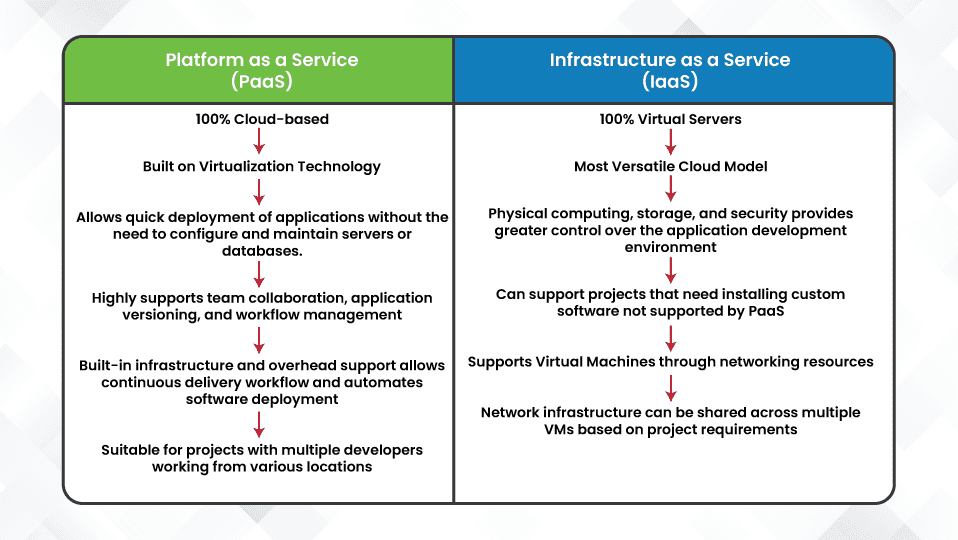
This type of product often requires middleware and app support from the clients. The customer may have to create a custom programming bridge between the application and its operating system. However, with IaaS, one can develop a customized product without building the basic components from scratch.
PaaS – Platform as a Service
This cloud-based app development requires the application code from the customer. PaaS providers allow their customers to use their hardware and basic development software. As this software is updated constantly, developers can use only its latest version. PaaS is flexible and lets the users scale the product as per their needs. Cost efficiency and flexibility are some of the major benefits of PaaS.
Read more: Cloud Migration Strategy: 7 Steps to Accomplish a Flawless Transition

Key Features to Consider When Developing a Cloud Application
The Cloud is a powerful technology, which if leveraged the right way can do wonders for your company. That is why it is imperative to be clear and sure of what benefits you need exactly to derive out of the cloud application development. Here are a few things to consider when fixing the features of your cloud application.
One of the most eminent features of the cloud is that it provides ample space for flexibility and scalability. With the cloud, one can empower safe storage of data that can be expanded as per convenience.
Most users prefer the cloud because of its storage facilities. However, its security is always a concern. When investing in cloud application development, one must highly prioritize app and data security by ensuring a code-based architecture for improved security.
Although the cloud delivers unlimited benefits, cloud hosting comes with a cost. Thus, data size optimization and condensed user requests should be the top priorities while developing a cloud platform.
To ensure you attain maximum benefits from these and the many other features of the cloud, it is imperative that you partner with developers who are highly aware and experienced with the diverse cloud platforms so that you attain software that perfectly suits your business needs. Moreover, following an agile method of development would allow you to collaborate better with your developers, programmers, designers, data architects, and QA managers for improved development efficiency. At Fingent, we ensure client participation at every stage of app development.
Some Examples of Cloud Application
Most of the apps we use today, utilize the cloud in one way or another. Cloud application development has given birth to some amazing tools and services that make operating businesses a little less stressful. Here are a few to point out!
- Infince: Provides streamlined and simplified IT Infrastructure, centralized management, enhanced work collaboration, access to unlimited productivity tools, all under a single platform.
- Dropbox or Google Drive: This allows you to store your files on the cloud easily and help others access them from anywhere.
- Figma: This powerful cloud-based design app is gaining popularity due to its collaborative nature.
- Miro: This provides a virtual board that enables you to work with other users in creative and fun ways.
The possibility to collaborate with users from all over the world, even in real-time is one of the biggest advantages of cloud apps.
Read more: Infince – Untangling Technology for Businesses

Developing a Cloud Application
Cloud application development involves different stages, each of which matters to enable your app to hit the market. Most cloud application development teams use DevOps practices and tools such as Kubernetes to ensure an effective and successful project.
At Fingent, we analyze your business needs and custom-build apps that solve your business complexities. We can help you seamlessly transit to the cloud and efficiently deploy its benefits to achieve greater business growth and value.
A Look at the Tools to Build Cloud-based Apps
A wrong tech approach can slow down your business development, so the technological stack is of utmost importance when developing cloud-based apps. You can choose a cloud service vendor from market leaders such as;
- Amazon Web Services(AWS) – In 2019, it obtained a 32% market share and became the leading provider. AWS includes over 140 flexible and integrative services. This allows you to build almost any custom app.
- Google Cloud Platform – As a PaaS, it offers you cloud computing, API services, advanced analytics, storage, NoSQL database service, and even virtual machines. It is flexible, affordable and a great platform for start-ups.
- Microsoft Azure- Its solutions are designed for enterprises looking for scaling or having many web products. Its services may include ML modules, mobile back-end, database services, and virtual machines.
Cloud-based app structure
- Another aspect to consider when cloud application development is the data architecture. A cloud app operates as a collection of interconnected services or APIs. So, to get maximum benefits of cloud services, you will have to connect them and at the same time understand the kind of components you have while ensuring that those services are integrated.
- Next, you must consider data organization. Remember, the app architecture must instruct the cloud services about how to decouple the data. This will help you store the app components either on a public or private cloud. As a result, your business will become flexible and enable you to make your web performance better.
- You must develop a communication logic between the data and services of your app. The app components should communicate instantly. If the logic is not well-designed, the customer experience could be poor due to slow loading speed. So, optimize the communication and apply either single-channel streaming or system message grouping.
- Scaling is something you must think of in advance. Create a margin of safety for your operational channels and consider future traffic extensions. Make sure to build an operational model to help back-end components and storage server customers especially in extreme situations.
- The last issue to think about is the security algorithm. Banking, retail, or healthcare have their dedicated standards so make sure your tools meet their expectations. Make sure to check the security algorithms for any vulnerabilities of your cloud-based solutions and the encryption is strong. Also, implement a cloud identity and access management (IAM) approach, to ensure your product is secure and cost-effective.
Read more: 7 Reasons For Enterprises To Implement Multi-Cloud Strategy In 2020
Challenges of Cloud-based Application Development
When you decide to opt for a cloud-based software solution you should figure whether your company can be a cloud provider (SaaS, IaaS, or PaaS) or build an app based on third-party cloud solutions.
If you decide to be the cloud provider, you will have to think of issues such as the data processing logic, hardware, and service security as you will have to host your service and provide the users with a cloud network. If you decide to develop your app on a third-party cloud, you will have to consider the integration and so you will have to choose your provider carefully.
Here are a few challenges that you may come across during cloud application development.
- Reliability: Your cloud software design includes critical operations that need to work if you want your customers to benefit from the solution. Avoid using a cloud framework that cannot maintain important processes. You can consider backup data and operations with a private cloud.
- Scalability: You must ensure to provide a scalable solution with the service you have chosen. If a product can’t be scaled or it falls over due to sudden traffic surges or you are unable to deliver services to a large audience regularly, you are bound to lose potential profits to your business.
- Performance: More data centers mean the better your app will perform. Global providers place their servers in such a way that users can experience the same page loading speed from any location. If the number of servers is less or the custom UI needs more than three seconds to load, the app customer experience is likely to be poor. More loading time means less conversion. The app loading speed is defined by a Content Distribution Network(CDN) which is a part of the cloud app infrastructure.
- Interoperability: The cloud environment should be able to run your app on different devices and integrate other cloud services into your infrastructure. However, as all cloud systems do not communicate with each other, you may not have a chance to mix components from different services.
- Security: Security especially client-side along with storage protection will remain challenging for developers. Security is the biggest challenge when it comes to adopting cloud computing. Cloud apps may include API integrations. These apps also must be easily accessible for users. To raise the security level of your cloud-based app, you will have to leverage strong data encryption, SSL, and reverse proxy.
A Few Common FAQs
1. What are cloud-based technologies?
These technologies are applications, services, or resources that are made available to users on-demand via the internet from cloud computing providers’ servers.
2. How do cloud applications work?
To process logic, a cloud-based app relies on remote servers. This is accessed through a web browser using the internet.
3. What are the different types of cloud computing?
There are three types of cloud computing; public cloud, private cloud, and hybrid cloud.
4. What are the different types of cloud services?
Cloud services are of four types – serverless, infrastructure as a service (IaaS), platform as a service (PaaS), and software as a service (SaaS).
5. What is the difference between a web application and a cloud application?
A web-based application requires some or all the software to be downloaded from the web every time it is run. On the other hand, a cloud-based application function within the cloud and is similar to a web-based application as well as a native desktop application.
Conclusion
From cost reduction and scaling opportunities to higher accessibility of the final product. Cloud application development offers a host of benefits to businesses. However, cloud application development has its own set of complexities if not carried out the right way. A custom software development partner plus a trusted cloud service provider like Fingent can help you seamlessly transit to the cloud with 24/7 concierge support and consultation. Get in touch with us today to discuss your project!
Stay up to date on what's new

About the Author

Tony Joseph

Tony believes in building technology around processes, rather than building processes around technology. At Fingent, he specializes in custom software development, especially in analyzing processes, refining them, and then building technology around it. He works with clients on a daily basis to understand and analyze their operational structure, discover (and not invent) key improvement areas, and come up with technology solutions to deliver an efficient process. You can reach him at [email protected], Skype: tony_fingent
Featured Blogs








Stay up to date on
what's new



Talk To Our Experts

Building Ground-breaking Customer Experiences With Augmented Reality
For the unversed, experiential marketing is a unique and effective way to build brand awareness through face-to-face connections with consumers. Unlike traditional or online marketing efforts, experiential marketing engages all the five senses that bring about emotions to form lasting memories and drive brand loyalty. It allows you to connect with your customers in the most relatable way while building brand awareness and loyalty.
So, how can companies effectively incorporate experiential marketing to make their products stand out? The answer is quite simple: by embracing Virtual Reality and Augmented Reality.
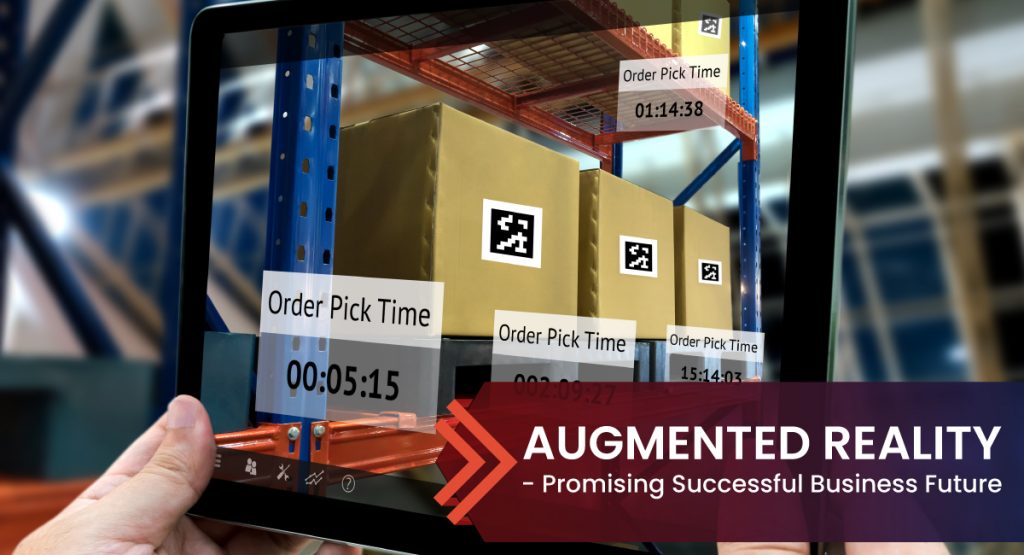
Augmented Reality technology boosts experiential marketing by allowing consumers to interact with products or services with improved personalization.
Read more: Augmented Reality, Virtual Reality, and Mixed Reality Detailed With Real-life Examples

Benefits Of Using AR In Marketing
As stores closed their doors and people remained indoors, Augmented Reality has received a lot of attention over the last year and will become essential for retailers as stores reopen worldwide.
AR is bringing the in-store buying experience into consumers’ homes. Consumers can now virtually experience how a cute summer dress, a pair of sunglasses, or sneakers will look on them. As a result, AR boosts the customer’s confidence when buying online. AR is also an excellent solution for people who are worried about trying products such as garments or footwear that numerous other hands have touched before them. The technology allows consumers to make decisions safely, without physically touching sample products kept in the shops’ display racks.
Read more: How Top Brands Embrace Augmented Reality For Immersive Customer Experiences
Sephora, a well-known cosmetic brand, has experienced great success with its Augmented Reality marketing strategy. The brand uses face recognition to help customers try makeup products before buying them in-store with their Virtual Artist app. Another example, Snapchat, which uses AR ads via snap filters.
Augmented Reality enables brands to show their customers what makes their products or services great instead of simply sending out marketing literature and thus allows them to connect with their customers better. This helps brands deliver memorable customer experiences and reduce costly returns.
Benefits Of Using AR In Experiential Marketing
1. Boost Sales
Let’s assume that you decide to re-decor your room. You will probably go through magazines and even visualize the furniture in the desired spaces. However, most often, you end up achieving a completely different outcome than what was intended.
So, that’s where AR comes into the picture. All you need to do is point your smartphone in the desired space, and you will be able to view (virtually) how your room would appear with all the desired items in place. This eliminates all the tedious trials and errors that can often lead to disappointing results. So, isn’t this unique and immersive approach a great way to attract your customers?
Read more: What are 3D Web Configurators? How do they Boost E-Commerce Sales and Drive Customer Satisfaction?

2. Save Unnecessary Marketing Costs
If you think that the new-age technology of AR and VR would cost you a fortune, you’re wrong. With advances in technology, gadgets and other technology components are becoming cheaper. For instance, AR ads are more affordable than traditional mediums.
AR’s targeted and personalized approach helps save up a lot from your budget compared to the conventional ways of communication. Additionally, it can be used for marketing campaigns as it is a highly efficient tool for advertisers.
3. Overcome Language Barrier
There’s no denying that people are more attracted to visuals than texts. As a result, visual images seem to have a language of their own. Both AR and VR use visualization to their advantage and excel in the process of communicating through moving images. While you may need a language to operate at the base level, users can easily find what they are looking for using the multiple options available.
4. Make Content That Goes Viral In The Social Space
Given the situation we are living in, social media has never been more relevant. It has changed the rules of advertising, and everybody is adapting to it. Advertisers are leaving no stone unturned to ensure their content reaches every potential customer of their brand.
Both Virtual and Augmented Reality technologies have the potential to make your content go viral. It is not only engaging and entertaining but also fascinating. The content is compelling enough to attract people of targeted age groups and helps communicate the brand’s message correctly.
For example, recently, Inphantry, a Boston-based digital ad agency, orchestrated an immersive AR pop-up exhibition in a Houston shopping mall. This was done to promote Nike’s AJXX8 sneaker, its latest addition to the Air Jordan line. Customers were given challenges such as dribbling, jumping, etc., wearing the sneakers and the Jordan branded bracelet with an RFID chip to track their scores.
On completion of the challenge, the high-scorers could experience the Air Jordan pop-up museum and lounge. Additionally, the participants were encouraged to share their pictures (of their experience) on social media. This strategy attracted over 2500 users and created the much-needed buzz around the newly launched sneakers.
5. Conduct Virtual Events
The pandemic has wreaked havoc in our lives both physically as well as emotionally. Most people are still not open to the idea of going out in a crowd, even at the cost of missing something important. In such cases, AR and VR technology comes to the rescue. The immersive technology allows the audience to access desired events virtually. Considering the times we live, immersive technologies are indeed a boon!
AR and VR platforms enable brands to engage and launch their offerings by organizing virtual corporate events, expos, and conferences.
6. Fulfill Training Needs
If any of your products or services requires technical training to understand its aspects, VR technology is what you need. It provides a personalized and interactive experience where the user can understand the product/service virtually. Moreover, this approach is highly effective as it can be re-run multiple times.
Additionally, the user can practice using the VR headset for as long as desired. This reduces any operational risks that the user could experience while using the actual product and helps educate them about it skillfully. That said, using AR/VR technology for training your users is more fun than traditional training sessions.
Read more: How Virtual Reality Improves The Standard of Medical Education and Training

7. Enhance Customer Service
The main goal of any business is to ensure that their customers are satisfied and thus increase sales. AR and VR technology can help educate customers in a fun way and help them make informed decisions. This prevents any conflict of ideas that may arise in the consumer’s mind. Thus, Augmented Reality and Virtual Reality help in increasing customer satisfaction and sales.
Scale Your Marketing Efforts With AR
Summing up, it can be said that businesses must earnestly consider using Augmented Reality to boost experiential marketing and create ground-breaking experiences that will set them apart from others.
If you’re looking for a unique and one-of-kind opportunity for marketing and advertising, you can collaborate with Fingent. We software development experts offer immersive and interactive experiential marketing solutions using AR and VR. Explore our offerings by simply giving us a call, and we will be delighted to help.
Stay up to date on what's new
About the Author

Venkatesh Alagarsamy
With exceptional expertise in AR, VR, and MR, Venkatesh has worked in the conception, design, development, delivery, and implementation of solutions catering to the needs of industries like Automobile, Oil and Gas, Medical Simulation, Heavy industries, Mining, Archeology, Retail, Soft Skills Development, and Education. Venkatesh has vast experience in developing multiplayer solutions for leading large-scale sectors across the globe. When not working on projects, Venkatesh likes to keep himself updated on the latest technology advancements, because he believes that's what helps him provide top-notch solutions for his customers. Connect with Venkatesh via LinkedIn today, and know more about how your business can benefit from Extended Reality technologies!
Featured Blogs
Stay up to date on
what's new
Talk To Our Experts
Why Should Manufacturing Companies Leverage Odoo ERP?
As the manufacturing industry flourish, the need for a centralized control mechanism to ensure streamlined and effective operations is turning imperative. Processes like material sourcing, inventory, invoicing, purchase, order, accounts, and human resource management needs to be automated to make room for high-level practices and decisions. In such a scenario, how do you think Odoo ERP can help manufacturing companies accelerate efficiency and business success?
Odoo ERP can empower businesses with centralized management! From inventories to work orders, to customers and accounts, Odoo ERP enables streamlined management of the entire business processes, seamlessly. Leveraging Odoo ERP and using its open-source methodologies can enable manufacturing companies to derive the required speed, flexibility, and transparency to drive business growth and success.
Here at Fingent, we provide ERP solutions for various industries challenges including those of the manufacturing industry. But before we dive deeper into how Oddo ERP can simplify management for manufacturing companies, let’s take a look into the prevailing challenges of the industry.
Read more: Drive digital transformation in manufacturing

Challenges Faced By The Manufacturing Industry
From inventory to sales to the customer, the manufacturing industry deals with a huge amount of data, on a daily basis. As digitization is taking precedence, enterprises are looking for business models that are supported by intelligent systems. Therefore, companies must use an ERP system to manage their operations. Here are few challenges that organizations face without an ERP system in place.
- Forecasting demand – To avoid waste, spoilage or over/under production, businesses must gauge customer behavior and demands. As markets are becoming more volatile and unpredictable, it is becoming increasingly difficult to predict trends and plan production and distribution.
- Planning inventory – Inventory, if managed manually is bound to have errors that can cause inaccuracy of data, stock issues, and bad decisions, all of which can hinder returns. For the smooth functioning of a manufacturing company, data accuracy and consistency are important.
- Lack of skilled labor – To preserve the quality of services and reputation, manufacturing companies must hire and retain skilled workers. With fairly large applications and without a quick processing tool, HR may find it difficult to select suitable candidates.
- Minimizing costs and improving efficiency – One of the best ways to increase returns is to lower production costs while maintaining an efficient supply chain. However, this must not compromise quality. So, manufacturing plants need to automate their operations and management.
- Client Relationship Management(CRM) – Customer loyalty, though important does not come easy in today’s competitive business landscape. Businesses must invest in resources that help prioritize client data for current and potential customers and manage sales lead. A CRM will take into account the customer preferences and demands along with market trends.
Read more: Odoo Migration: Why Is It Crucial and How to Do It Seamlessly!

Top Features of Odoo ERP System
Manufacturing firms must implement customized software solutions with multiple functionalities that are tailored to the industry. Odoo is an open-source ERP software that acts as an effective business management tool with its robust functions. Here are a few highlighted features of Odoo ERP for manufacturing:
- Inventory Management
- Material Management
- Purchase Management
- Production Management
- Sales Management
- Quality Assurance
- Customer Relationship Management
- Accounting and Invoicing
- HR and Payroll Management
All these features can be customized based on your business needs.
In addition to the above features, Odoo ERP helps in automating the maintenance order for repairs and other preventive maintenance. It includes a scheduler functionality that uses statistical calculations to alert you in case of any failure.
Read more: 5 Salient Features of Odoo that Make it a Reliable ERP for Enterprises

6 Ways Manufacturing Industry Can Benefit From Odoo ERP
1. Automation
As digitization is gaining a lot of importance, companies must optimize workflows in the supply chain through automation. Processes such as inventory updates, payments and invoicing, tracking, distribution, and sales across different channels, even making decisions on high volume orders can be automated using Odoo.
Automation drives efficiency, productivity, accuracy, lowers operational costs, and ensures employee safety. All this helps in meeting the changing supply demands of a changing market.
2. Master Data Management
Odoo ERP comes with master data management capabilities that allow companies to incorporate business processes without duplication of data. The master data management ensures there is a consistent exchange of organizational data, eliminates redundancy, and simplifies business operations.
3.Quality Control
With Odoo ERP, companies can set quality checks for certain triggers. It can help schedule operations and even send maintenance requests automatically whenever needed.
The tool also allows enterprises to track different versions of a product(Product Lifecycle Management) and manage its routing accordingly.
4. Forecasting
Odoo ERP is equipped with analytical tools that locate patterns, observe huge datasets and forecast future trends, and enable manufacturing companies to create business strategies accordingly. These predictive capabilities allow companies to focus on production to meet customer demands and earn their loyalty.
Read more: How Odoo ERP Helps Leverage Business Intelligence and Data Analytics
5. Managing the workforce
Odoo’s HRM module automates the basic segregation process based on the required attributes for the post and enables better recruitment. It also includes training and development, capabilities and skills management, compensation records, and employee data.
Additionally, Odoo ERP comes with an employee scheduling feature that helps schedule and track tasks.
6. Returns
Odoo ERP helps businesses to maximize returns by improving operational efficiency, boost productivity and enhance customer satisfaction.
Conclusion
At Fingent, we maximize the potential of manufacturing companies with future-proof technologies. We develop ERP systems that integrate WFM, CRM, HRM, and accounting services for businesses of every size. For custom Odoo ERP development, talk to our experts.
Stay up to date on what's new
About the Author

Featured Blogs
Stay up to date on
what's new
Talk To Our Experts
Streamline And Enhance Your Warehouse Management Operations With SAP EWM
Worldwide, companies spend an average of €300 billion a year on warehousing, either in-house or through third-party logistics. The rise of eCommerce and the growth of global supply chains increase warehousing operations costs for enterprises. In addition, with the pandemic heightening consumers’ interest in eCommerce, they expect instant delivery of products. To cater to this dynamic demand, some logistic companies increased the number of their seasonal employees. With this demand continuing to rise, it becomes imperative that warehouse management processes be optimized.
Read more: Warehousing Management System: Simplify Operations & Scale Your Business
Warehouse management is currently undergoing a modern-day makeover to meet growing demands. Therefore, industry leaders must take steps to optimize warehouse management to keep pace with faster requirements and ever-increasing volumes. SAP Extended Warehouse Management (SAP EWM) streamlines, simplifies and optimizes your warehouse operations. This blog considers how SAP EWM can benefit your business.
Challenges In Supply Chain Management Today
Supply chains are at the core of business operations. Therefore, supply chain management needs to overcome several challenges that impact the bottom line of their business.
Read more: Top Challenges Faced By Logistics Management Today
Here are some challenges companies should be aware of:
1. Identifying Bottlenecks In Customer Service
Customers’ demands have become extremely specific. Plus, they expect to be notified about any possible delays. Therefore, supply chain management can benefit from advanced planning and scheduling systems that can help them identify bottlenecks. This can help them prevent delays or notify the customer of a possible delay.
2. Gaining High Supply Chain Visibility
Overall production cost is affected by several factors that go unnoticed. High supply chain visibility will help the management increase the system’s efficiency and eliminate wasteful steps. Such visibility can contribute to cost control.
3. Finding The Right Talent
Hiring and retaining the right talent has become increasingly difficult. Hence, it is beneficial to have a performance tracking system that allows you to gauge employee productivity and spot the right talent that could be trained effectively.
Read more: Warehouse Automation: Streamlining Operations
4. Ensuring On-time Delivery
Delivering goods on time is another challenge that can make you lose your customers to your competition. You can resolve these challenges with planning and scheduling software. It can help you receive and deliver the material on time.
5. Maintaining An Agile Production Plan
Lack of an agile production plan that does not reflect market changes can lead to inefficiency of production. You can remain agile by having a planning and scheduling system. This system helps you keep a tab on the effect of market changes without disrupting your current schedule. Those insights equip you to make the best decisions in response to those changes.
Read more: Understanding The Types Of Warehouse Management Systems
How SAP EWM Can Benefit Your Business
Statista forecasts the global warehouse automation market to surpass 30 billion U.S. dollars. And, Zebra warehousing vision study shows that 80% of organizations plan to invest in new technologies to be competitive. And 27% plan to utilize full automation by 2024. SAP EWM helps you capitalize on this.
Read more: How Robotics In Logistics Helps Improve Supply Chain Efficiency
SAP Extended Warehouse Management (EWM) is fast, agile, and powerful. It is designed to future-proof current supply chain technology and help your business grow.
SAP EWM can be deployed into many business environments. It can support both simple and complex warehouse processes at the granular level. It is a high-speed system that makes supply chain management more accessible and more efficient. SAP EWM can be configured to the organization’s specific needs and can be streamlined over different locations.
Here are some other ways your business can benefit from SAP EWM:
1. Optimize Task Management
In a standard warehouse, one person can be seen going to the same stock bin several times during the day. This happens when all orders that need to be picked for a day appear together, making it difficult to break them down.
You can optimize the picking process with SAP EWM. The platform uses various algorithms to employ the most efficient way to complete as many tasks as possible. This prevents pickers from wasting their time as they have to tread the same path constantly. Plus, SAP EWM’s voice picking functionality enables shorter search time and minimizes errors.
Read more: How SAP Helps Realize Voice-enabled Warehouse Operations
SAP EWM can easily integrate all processes to provide easy end-to-end operations management. It can take the burden off your team for outgoing shipments allowing them to tackle inevitable snags that need to be addressed.
You can link SAP EWM with your transportation management system for greater accuracy for delivery targets. It provides your company a holistic outlook alerting your team when to expect delays and other time-sensitive information.
2. Streamline Labor Management
Efficient use of time, effort, and resources can contribute to business growth. This is another point where SAP EWM can integrate with your WMS. The platform can provide structure in the workplace. With a good framework, each worker knows their location and responsibilities. Such an organized structure will help your employees enjoy more efficient task allocation.
SAP EWM generates real-time insights on workers’ performance, enabling managers to offer more constructive suggestions to improve efficiency. Subsequently, your employees develop more efficient and consistent work habits.
3. Control Costs
Not following the first-in, first-out method for perishables and inefficient use of space and labor can increase wastage. SAP EWM can help reduce wastage of perishables by identifying which units need to be picked first.
SAP EWM can maximize the use of the warehouse space by optimizing the location for each pickup time. It optimizes your space and the travel path of the pickers. All this will reduce your on-hand inventory and reduce your space costs without compromising on quality.
4. Boost Customer Relationship
SAP EWM can reduce delivery lead times and order accuracy errors. This increases customer satisfaction and results in more sales. Thus, SAP EWM elevates and improves relationships with your suppliers and end customers.
Read more: Logistics Management Software – Everything You Should Know
Leverage SAP EWM Capabilities With Fingent
Logistics providers must evaluate the best warehousing management solution for their specific needs. If your business is at a crossroads in choosing the best option for your warehouse operations, Fingent is here to help. Feel free to contact us to learn more about how SAP EWM can transform your business.
Fingent is a certified SAP silver partner and has assisted global businesses in successfully implementing SAP EWM. Our custom software development experts can guide and help you explore the flexibility in deploying SAP EWM and ensure it is the best fit for your specific business requirements.
Stay up to date on what's new
About the Author

Featured Blogs
Stay up to date on
what's new
Talk To Our Experts

Stay up to date on what's new
About the Author
Featured Blogs
Stay up to date on
what's new
Talk To Our Experts
Top Healthcare Digitalization Trends To Look For In The New Normal
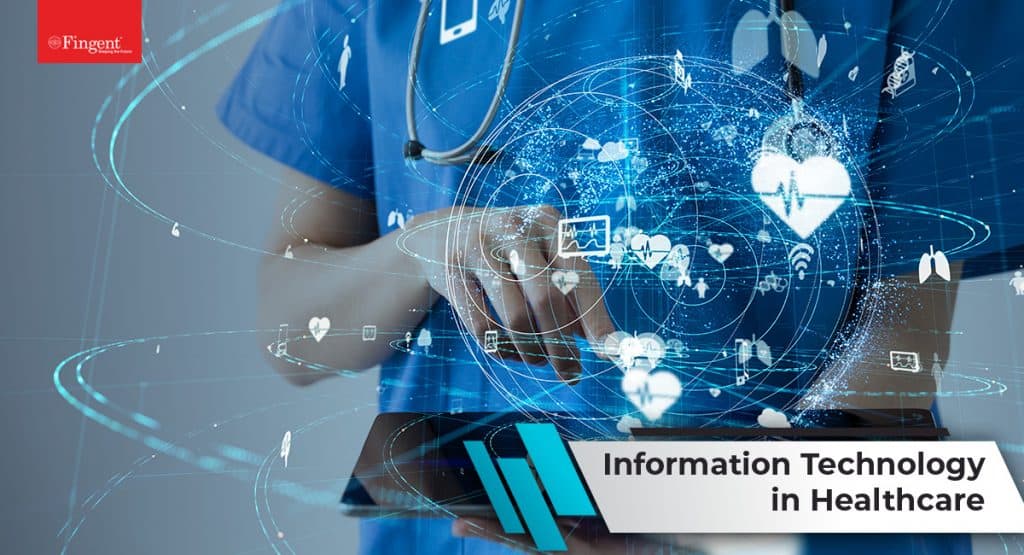
Healthcare digitalization is reshaping the way we interact with healthcare professionals, share medical data or make decisions related to treatment and outcomes. There are plenty of examples that substantiate the digitalization of healthcare today, such as Artificial Intelligence-powered medical devices, telemedicine, blockchain, remote-patient monitoring, and electronic health records.
The main aim of healthcare innovation is to streamline the medical professionals’ work, optimize medical software systems, reduce human errors, improve patient outcomes, and lower costs through integrated web and mobile experiences.
Read more: The Application and Impact of Information Technology in Healthcare
Let’s look at the state of healthcare digitalization in 2024 and beyond:
1. On-demand Healthcare Will Grow
With the COVID-19 pandemic restricting many people to remain indoors, more and more patients seek on-demand healthcare. It is convenient as it helps patients seek guidance at their own time and from anywhere they need it.
DMN3 reveals that patients obtain online medical information primarily for the following reasons:
- 77% for booking medical appointments
- 47% for searching information about doctors and healthcare professionals
- 38% for searching information about hospitals and medical facilities
That said, on-demand healthcare is rising due to the growth of the gig economy. Here, freelance professionals from various industries hire themselves out per job or ‘gig’ instead of sticking to one company.
Read more: Patient Engagement Platforms: 7 Must-have Features

Many online healthcare marketplaces link doctors directly with short-term tasks, making it easier for physicians to deliver patient care in specific circumstances based on their expertise and schedule. Simply put, doctors are becoming on-demand healthcare providers to meet the changing needs of their patients in a better way.
2. Big Data Will Be Used To Improve Healthcare Management
Big data is the information gathered from various platforms such as eCommerce, social media, online transactions, and financial transactions. It helps identify patterns and trends for future use.
Read more: 5 Ways Big Data is Changing the Healthcare Industry
For healthcare, big data offers benefits such as:
- Reduced medication errors: Patient record analysis allows the healthcare software to flag any inconsistencies between a patient’s health and drug prescriptions. This alerts the health professionals and patients in case there is a potential risk of a medication error.
- Simplifying preventive care: Many recurring patients stepping into emergency rooms are “frequent flyers.” These frequent flyers account for up to 28% of clinical visits. Big data analysis helps identify these recurring patients and create preventive plans to keep them from returning.
- Improved staffing: Using big data’s predictive analysis, hospitals and clinics can estimate future admission rates enabling these facilities to allocate proper staff to deal with the patient. This will help save money and reduce emergency room waiting time, especially when a facility is understaffed.
Case Study: How did a data analytics solution help NHS gain financial, clinical, and geographical insights to improve visibility over their KPIs? Read Now!
Big data analytics, visualization, and insights generation can improve healthcare operations management and transform the patient experience.
3. Virtual Reality Will Transform Medical Training & Care Delivery Models
Virtual Reality is one of the most outstanding healthcare digitalization trends that change the way patients are diagnosed, and medical residents are trained.
- VR in medical diagnosis & treatments: VR is increasingly used in treatment segments in healthcare, such as patient education, robotic surgery, physical and psychological therapy, etc. For instance, medical professionals can use VR to construct a 360° patient-specific video detailing how the surgery will help the patient cure and the consequent results. Virtual Reality has been found effective in treating anxiety, post-traumatic stress disorder, and stroke.
Case Study: Find how Fingent developed a unique mixed reality application for a leading university that enables users to identify people using facial recognition. Download Now!
- VR for medical training: Other uses of VR technology include doctors and medical residents using VR simulations to hone their skills (learning in near-real situations) and safely plan complicated surgeries. In addition, VR headsets are used post-surgery to encourage patients to exercise and follow physiotherapies. The technology also enables autistic children to learn and navigate the world.
- Growth of VR in the medical field: From startups to established pharma companies, everyone recognizes the role of VR in healthcare. Experts estimate that by 2025 the global virtual and augmented reality in healthcare will reach $5.1 billion market value. So, if you’re a healthcare company wanting to improve your digital marketing strategy, you should consider investing in VR.
Read more: How Virtual Reality Improves The Standards Of Medical Education And Training

Virtual Reality technology offers a powerful communication channel that allows you to understand customers’ needs better and virtually engage them with your products and services.
4. Wearable Medical Devices Will Enjoy A Wider Market
Another major healthcare digitalization trend is companies collecting their health data from medical devices such as wearables. Previously, most people would check in with their doctors only when something went wrong and were used to undergoing physical check-ups once a year. However, technology is changing that. Today, people highly focus on preventive maintenance and are interested in knowing about their health status frequently. This trend forces several healthcare companies to invest in wearable technology devices that allow patients or family members to track health vitals and seek medical aid when needed. Wearable medical devices enable up-to-date monitoring of high-risk patients and determine the likelihood of any severe health risk.
Experts estimate that the wearable medical device market value will cross USD 27,200 mn by 2023.
Following are some of the widely used wearable devices:
- Exercise trackers (Google Fit, Fitbit, etc.)
- Heart rate sensors (Samsung Heart Rate Sensor, Pulse Sensor, etc.)
- Sweat meters: to monitor blood sugar levels of diabetics
- Oximeters: to monitor the amount of oxygen carried in the blood
Wearable devices in healthcare offer the following benefits:
- Personalized healthcare experience: Medical devices help patients improve their health and give them a sense of ownership regarding personal healthcare management.
- Insurance pricing: Wearable devices provide insurers with insights that enable them to rate a patient’s risk for illness more accurately.
- Insurance incentives: Wearable devices allow patients to take preventive measures to improve their health. Such patients are more likely to obtain lower insurance premiums.
- Gamification opportunities: Fitness watches can help create competitive goals for users to achieve through diet, nutrition, and exercise.
Case Study: Read more about how Fingent helped create a fitness Regimen app for trainers.
5. Healthcare AI Investments Will Increase
By 2025, the healthcare AI-enabled tools market is expected to exceed $34 billion globally. This indicates that healthcare AI investments will peak soon as Artificial Intelligence is set to transform various segments in medicine.
AI-powered chatbots and virtual health assistants fulfill many roles in the healthcare industry, such as customer service representatives, diagnostic tools, or even therapists. Hence AI in healthcare is gaining immense popularity. According to a report published by MarketsandMarkets, the global healthcare chatbots market is estimated to reach $314.3 million by 2023.
Read more: 5 Leading Chatbot Use Cases Explained with Real-life Examples

That said, we can witness the real power of AI in diverse areas such as medical imaging, drug discovery, precision medicine, and genomics. For example, the first-ever drug designed by AI is showing some promise to help patients suffering from obsessive-compulsive disorder. The AI-made drug molecule, DSP-1181, is in clinical trials currently. Researchers and scientists expect that the use of AI will make drug development faster and more efficient.
Overall, AI is projected to bring USD 150 billion by 2026 in annual savings for the US healthcare economy. As start-ups are lapping up the opportunity, the number of active AI start-ups has increased 14 times since 2000.
Why Keep A Close Eye On These Healthcare Digitalization Trends
These five healthcare digitalization trends will spill over in the future as the industry will innovate and adapt to meet the patients’ demands. As a result, organizations that embrace healthcare digitalization will see dividends sooner.
Fingent top custom software development company, helps you navigate the digital healthcare space and adapt to the ‘Next Normal’ with our transformative experiences. Our custom healthcare software solutions have helped many of the leading healthcare providers worldwide. Contact us to learn more about how your healthcare organization or clinic can leverage healthcare digitalization effectively.
Stay up to date on what's new
About the Author
Tony Joseph
Tony believes in building technology around processes, rather than building processes around technology. At Fingent, he specializes in custom software development, especially in analyzing processes, refining them, and then building technology around it. He works with clients on a daily basis to understand and analyze their operational structure, discover (and not invent) key improvement areas, and come up with technology solutions to deliver an efficient process. You can reach him at [email protected], Skype: tony_fingent
Featured Blogs
Stay up to date on
what's new
Talk To Our Experts
Revolutionizing Home Improvement Business With 3D Web Configurator Technology
COVID-19 pandemic’s impact has ushered in a dramatic shift in the behavior and preference of customers. However, this shift was not restricted to customers alone. Social distancing and isolation protocols put industries like home improvement in a state of dilemma, as their business depends highly on showcasing products to customers in a physical space, preferably in-store. Almost overnight, businesses like interior designs and home decor had to adapt and adjust how they presented their products. Today, home improvement companies are increasingly relying on 3D web configuration technology to ensure that their customers gain personalized product experiences and can shop from the comfort of their quarantined couches.
Forbes reports that by replacing static 2D images with interactive 3D models, businesses have gained a 40% increase in online conversion rates and a 30% improvement in average sales prices. Moreover, they also managed to reduce online returns by 80%.
As a customer begins experiencing the ease, personalization, and speed of online shopping, there is no going back. Businesses can leverage this cemented habit when they use a 3D web configurator. In the world of e-commerce, 3D web configurators are already a breakthrough. Unquestionably, it is the need of the hour!
Like e-commerce, the home improvement industry is also a crucial beneficiary of 3D web configuration. This article discusses how the home improvement industry uses 3D web configurators to enhance customer engagement and accelerate business growth.
How the Home Improvement Industry is Utilizing 3D Web Configuration
According to Statista, the projected total home improvement sales in the United States will touch 510 billion USD by 2024. Such an exponential increase is only made possible by the power of 3D web configurators. From sofas to paints and bathroom essentials like faucets and sinks, there are various configurations available today.
3D visualization software can help customers project a 3D model of the product against the background of any room. This does not mean a customer must invest in special equipment. Instead, they can view using their phone camera.
For instance, if a customer wants to see how a beige wardrobe would appear in their bedroom, they can simply point the phone camera and project that wardrobe onto the background. Plus, a 3D configurator allows customers to customize the product before they click on the “purchase” tab. So it is no surprise that 3D visualization software can build your customer’s confidence in their purchase.
Read more: What are 3D Web Configurators? How do they Boost E-Commerce Sales and Drive Customer Satisfaction?
3 Ways 3D Visualization Helps the Home Improvement Industry Thrive
3D visualization gives your customers an overall impression of their living room. It can provide an in-depth view of both real and surreal aspects. In other words, it will help you increase professional accuracy as you incorporate your customer’s requirements.
Here are the three advantages that 3D visualization can bring to the home improvement industry:
1. Color Match
Most people tend to research products online before buying. Besides, homeowners prefer to select their wall color from the comfort of their homes. An excellent 3D configurator case that can influence a consumer to move from the consideration stage to the purchase stage is Dulux. Using 3D visualization helped them to provide a better user experience across various channels and devices. In addition, it benefits both the customer and the consultant as they can pick and choose from all available colors.
The primary goal of 3D configuration is to help customers visualize how they can decorate their homes using various combinations. It generates accurate visualization of the selected paint on the walls and ceilings. Plus, it allows a shopper to import, tweak, process, view, and save the final visualization. This is an excellent feature for tradespeople and DIY renovation enthusiasts as they spruce up their homes.
2. Engaging Visualization
Home improvement businesses can use 3D configurators to educate customers about their products. It enables them to blur the lines between the consideration stage and point-of-sale decision-making. For example, 3D web configuration technology will let shoppers measure what size of furniture would look best in their living room. Once they decide on the size, the configurator could narrow it down to other furniture features and help customers make purchase decisions.
A 3D web configurator can do more than sell a product. It enables a business to be transparent and open about its products in detail. This assures the potential customer and increases decision-making comfort whether they commit to buying or not.
When customers cannot visit a store in person, they may want to inspect the purchase in detail. Having 4k zoom on your product page allows your visitors to scrutinize your products, feel the texture, and choose the right shade of color. This can be made easy when you add 360-degree images. Interactive 3D models can significantly improve your web session duration.
Typical case: Timothy Oulton
Timothy Oulton is a British handcrafted leather furniture brand. From 360-degree views to detail shots, it uses various 3D configuration features to create an engaging product page experience.
3. Interactive Imagery
With more people shopping online, having a 3D interactive website has become increasingly important. It can give your shoppers a degree of interactive imagery that photographs cannot render. You can achieve this by combining the background and the product to create an in-context image. Those combinations will help you convey a certain quality, tone, or mood that will influence a shopper’s perception of your product.
True, you can have multi-angled images, but you cannot rotate them. However, 3D product rendering enables immersive interaction between the customer and your product. Now, a shopper can rotate, enlarge, or shrink the product to view it from all directions. Such context enables shoppers to visualize how your product looks in a real-life setting.
Typical case: Neptune
A British interior design and lifestyle brand, Neptune, designs and creates furniture, lighting, and accessories for the entire home. They use context images to tell a story. Their product pages are filled with high-quality room scenes that highlight the beauty of their products.
Tangible Results of Implementing 3D Web Configurators
3D rendering is a distinctive way to present your home improvement products to your customers. It is less expensive in part because it can be used throughout the process of design and sale. Plus, it nudges them along in their buying decisions.
3D web configurators can help increase your customer engagement, boost online sales, and reduce returns. Thus, more businesses are likely to embrace the power of 3D configuration to ensure business continuity during the pandemic and beyond. So, yes, product visualization is the new reality of the future. But, are you ready for it? If your answer is yes, get in touch with us software development experts and help us give you a 3D view of your business’s success!
Stay up to date on what's new
About the Author
Venkatesh Alagarsamy
With exceptional expertise in AR, VR, and MR, Venkatesh has worked in the conception, design, development, delivery, and implementation of solutions catering to the needs of industries like Automobile, Oil and Gas, Medical Simulation, Heavy industries, Mining, Archeology, Retail, Soft Skills Development, and Education. Venkatesh has vast experience in developing multiplayer solutions for leading large-scale sectors across the globe. When not working on projects, Venkatesh likes to keep himself updated on the latest technology advancements, because he believes that's what helps him provide top-notch solutions for his customers. Connect with Venkatesh via LinkedIn today, and know more about how your business can benefit from Extended Reality technologies!
Featured Blogs
Stay up to date on
what's new
Talk To Our Experts
Streamlining SAP S/4HANA Migration with Selective Data Transition
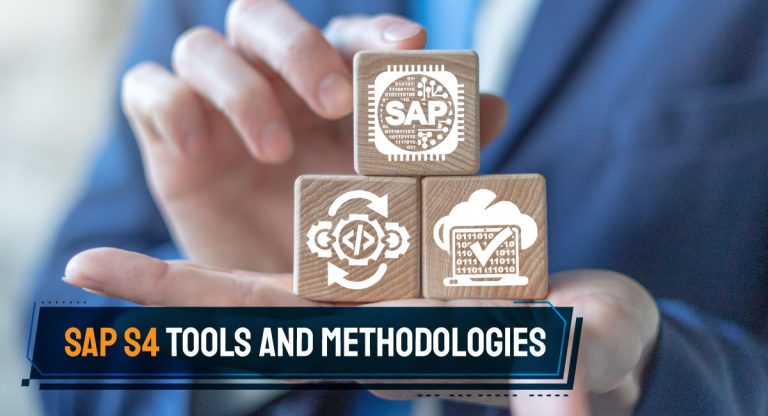
Though the COVID-19 pandemic accelerates digital adoption among industries, the journey towards Intelligent Enterprise can be complex. Typically, this begins with establishing an intelligent core like SAP ERP. However, even migrating to a new system is more than just a simple upgrade for many companies. With several years of historical business data across complex system landscapes, companies will have to adopt a specific migration approach to SAP S/4HANA. A well-defined migration approach will help businesses ensure business continuity, embrace innovation, and stay relevant and competitive. This post will look at SAP S/4HANA Selective Data Transition Engagement and how this approach accelerates SAP S/4HANA migration.
Read more: Deploying SAP S/4HANA: Tools and Methodologies to Adopt
Two Popular SAP S/4HANA Migration Methods
There are two popular methods to manage SAP S/4HANA migration.
1. Greenfield migration
The first option is the Greenfield approach or a complete re-engineering (new implementation). However, the limitation of this approach is that you cannot migrate your historical data and so cannot take advantage of the latest intelligent features you need for your company’s historical data to work.
2. Brownfield migration
The second option is the Brownfield approach that allows migrating high volumes of historical data (system conversion). However, moving a vast amount of historical data could leave you with more data that could be non-compliant with data privacy laws. Also, this approach could leave you with a lot of irrelevant data in your newly configured system.
As both these options offer certain limitations, SAP formed a brand-new approach, the SAP S/4HANA Selective Data Transition Engagement, that makes your data migration to SAP S/4HANA a lot easier.
What is Selective Data Transition?
Selective Data Transition, also known as Hybrid Approach or Landscape Transformation, is an alternative to the New Implementation approach (Greenfield) or System Conversion approach (Brownfield). It allows you to consolidate several ERP systems to one central SAP S/4 HANA system. Selective Data Transition is vital for companies moving from an existing SAP ERP solution to SAP S/4HANA on-premise or SAP S/4 HANA cloud (private edition).
Just like an inland river delta flowing into the ocean, Selective Data Transition allows you to migrate only a relevant selection of your existing ERP data to SAP S/4 HANA. So, if you’re on SAP ECC planning for transition to SAP S/4HANA, then selective data transition is one of the best approaches to move to SAP S/4HANA.
Case Study: Thermo Pads partners with Fingent to migrate from ECC 6 to SAP S/4HANA. View Case Study
Business Benefits of Selective Data Transition Approach
- Selective data transition avoids business disruption when moving to SAP S/4HANA and enables you to go live according to your business needs. In general, this approach allows for a single go-live, moving several organizational units or roll-out in multiple phases, for example, by country.
- This approach enables you to migrate only your relevant historical data and retain a consistent process chain while leaving behind obsolete data, for example, outdated company codes.
- Selective data transition helps you define your speed and combine single projects such as a new go-live implementation, finance management, etc. while moving to SAP S/4HANA in a single step or a phased approach.
- With SAP S/4 HANA, you can introduce new business processes and manage your historical data while protecting good practices and previous investments.
- The near-zero downtime approach restricts the technical downtime to just a few hours.
- Selective data transition can help change your landscape by either splitting or consolidating existing systems.
Read more: 7 Tips to Ensure a Seamless Transition to SAP S/4HANA
Customize Your Selective Data Transition Approach with Fingent
Selective Data Transition Engagement is a great way to balance between redesign and reuse. It can happen across various scenarios for companies of different sizes to support a smooth transition to SAP S/4HANA. This approach provides a suitable IT landscape for every company’s unique needs. Selective data transition goes beyond the standard implementation as it offers several options for customers to choose from, based on their current landscapes and future needs.
You can work with Fingent and define the appropriate structural changes that need to be considered during data migration, along with any business processes that may need to be modified or redesigned. Our tailored approach has helped many of our customers to increase their flexibility to adapt data and processes in just one step.
Read more: SAP S/4HANA journey: 8 ways C-level leaders and executives can derive business value

With Selective Data Transition Engagement, companies can even take advantage of select innovation and modify their business processes to facilitate the use of the latest tools and functionality without the need to start from scratch.Companies having mature SAP landscapes can clean up their environments while retaining those investments that matter most and lower their transitions by bypassing preparation projects.
Selective data transition can even help split some of your projects between the cloud and on-premise. It also allows you to restructure and consolidate your environments as you want. But, most importantly, this approach helps you save time by combining all tasks in just one step.
Read more: 6 capabilities of SAP S/4HANA that will help you become an intelligent enterprise

So, if you are interested in learning how the SAP S/4HANA Selective Data Transition Engagement can help your organization accomplish successful migration, don’t hesitate to contact Fingent. We are an SAP Silver Partner and have the expertise in this area to expedite your intelligent enterprise journey.
Stay up to date on what's new
About the Author

Featured Blogs
Stay up to date on
what's new
Talk To Our Experts
A comprehensive guide to web application development in 2021
- Introduction
- What is a Web Application?
- What is Web Application Development?
- Web Apps vs Mobile Apps
- Types of Web Applications
- Technology Stacks for Web Application Development
- Benefits of Web Application Development
- Web Application Development Process
- Web Application Development Validation & Deployment
- Web Application Development Trends
- The Cost of Developing a Web Application
- FAQs About Web Application Development
- Develop Your Web Application with Fingent
Introduction
A decade ago, web pages were mostly static, with a few images and videos thrown in here and there. In 2005, however, thanks to Ajax, it made it possible to create better, faster, and more interactive web applications.
In 2021, though web application development has reached its peak of fame, web apps have become so common that they often go unnoticed. With a reputed web application development partner like Fingent, you can develop intuitive and custom web applications that simplify your day-to-day operations.
Read more: Fingent Ranked as India’s Top Software Developer for 2021

Web apps help integrate the tailored experience of native apps with easy access on a website browser from any device. LinkedIn, Basecamp, MailChimp, or even Facebook, all have web apps that provide immersive and tailored experiences like the native apps directly from the browser. That is why web application development is gaining a lot of popularity in almost all industries, including banking, eCommerce, education, healthcare, and more.
What is a Web Application?
Also known as a web app, a web application is nothing but a computer program that uses a web browser to perform a specific function. Contact forms, for example, are web apps present on many websites.
As a web application is a client-server program, it has a client-side and a server-side. Here, the client refers to the program the individual uses to run the application. It is a part of the client-server environment where many computers share data. A typical example of a web application is the database. Here, the user enters data through the client-side (front-end), while the server-side (back-end) of the application stores and processes the information.
Both enterprises and individuals develop web applications to fulfill different purposes.
Case Study: How we built Ambit AI, a light-touch AI-powered web application for processing workers’ compensation claims. Download Now!
What is Web Application Development?
Web application development refers to the process of using client-side and server-side programming to develop an application that is made accessible over the web browser.
In the initial phase of the web application development process, the developer tries to find a solution to a specific problem and then designs the web app by choosing the appropriate development framework. Later, the developer tests and deploys the web app.
Read more: The 101 Guide to Web Application Development
Web Apps vs. Mobile Apps
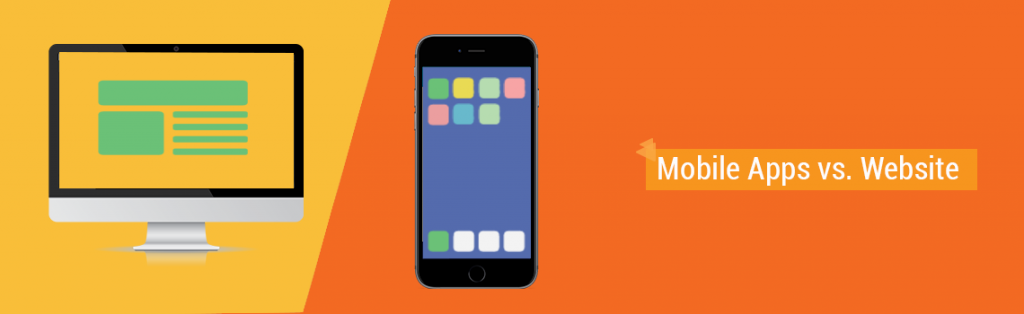
While web apps and mobile apps are similar in many ways, both are different in many ways.
Mobile apps are made exclusively for mobile gadgets and are suitable for Android, iOS, and Cross-platform operating systems. Usually, mobile apps are mobile-first, meaning they work effectively on smartphones, tablets, or other handheld mobile devices. Most mobile apps work offline too. Examples include Google Maps, Amazon Kindle, Uber, etc. On the other hand, web apps function only when you have internet connectivity. A web app functions in real-time in a web browser with CPU resources. As long as you have adequate internal storage, you can download a mobile app from an app store or play store.
Read more: How are Mobile Apps Different from Websites
Types of Web Applications
Typically, web applications are classified into three categories based on the tools and technologies it uses.
1. Client-side web application
Client-side refers to everything the user sees at the end-user side, such as text, images, videos, forms, and the other UI. Client-side web applications are written using HTML, CSS, and JavaScript, and they work in a web browser. Angular js, Vue js, Ember js, Backbone js, Node js, etc., are some of the popular JavaScript libraries used for front-end development.
You can consider client-side web app building when you don’t need to preserve the user information for more than one session. It is perfect for easy games or image editors. Google Earth is a leading example of a client-side web application.
2. Server-side web application
These are web apps that can be coded in several programming languages such as Python, C+, Ruby, PHP, etc. If you develop an app with just the server-side, then the outcome of any changes in the form submission, sections, and data updates will create a new HTML file and cause the web page to reload.
Server-side programming is beneficial if you want your web application to deliver information tailored for individual users. For instance, e-commerce applications like Amazon use server-side programming to create product search results, offer product suggestions based on past buying habits, enhance user experience, and simplify the purchasing process.
3. Single-page web application
Single-page applications are designed to work in a browser and do not require reloading while in use. Most of our daily apps, such as Facebook, Twitter, Google Drive, Gmail, etc., are single-page apps. Single-page web applications offer an unmatched user experience as the user doesn’t have to wait for page reloads. Single-page applications are highly responsive to user queries as they do not depend heavily on client-server communication.
Read more: A Detailed Guide to Types of Software Applications
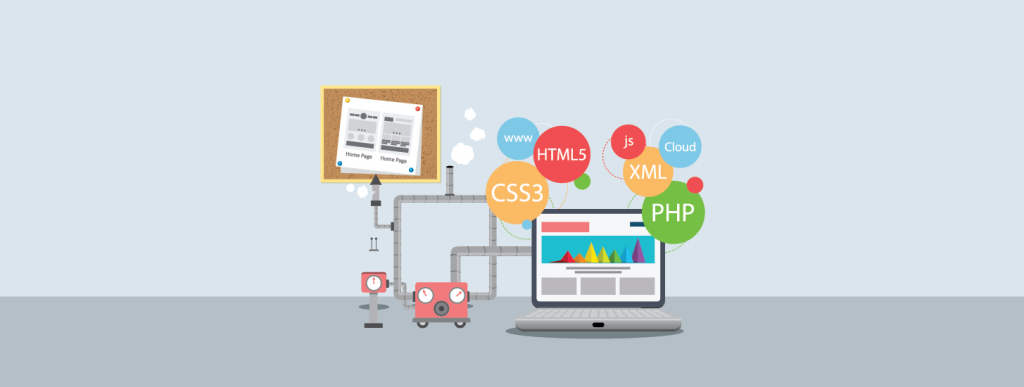
Technology Stacks for Web Application Development
The following web development technologies enable you to create a high-performing, fast, and advanced web application.
1. Database technologies
Due to its simplicity and multifunctionality, MySQL is one of the most preferred databases utilized for web application development. Other popular database technologies include Oracle Database, PostgreSQL, Microsoft SQL Server, Microsoft Access, MongoDB, and RavenDB.
2. Front-end technologies
To develop the client-side of an app that the users interact with, you can choose highly efficient front-end JavaScript frameworks such as:
- React JS: This is a robust and most widely used JS framework for developing large-scale and complex dynamic web apps.
- Angular JS: A popular front-end framework by Google, Angular JS is suitable for building dynamic web apps, using HTML for static web pages.
- Vue JS: Fairly new, this JS framework does wonders for applications. Vue JS provides an ecosystem of assisting libraries and an accessible primary library for applying huge complex page apps.
- Backbone JS: This lightweight JS library has a RESTful JSON interface that follows the MVC (Model-View-Controller) application design standard. Backbone JS helps develop and structure the client-side applications that run in a web browser.
- Node JS: It is a cross-platform, open-source JS runtime that runs on the V8 engine and is designed to build scalable network applications.
- Ember JS: It is an open-source JS framework ideal for developing single-page applications.
The above list features only some of the leading JavaScript frameworks used for client-side programming.
3. Backend Technology
Frameworks such as Go, Ruby, Java, Django & Python are some of the most powerful back-end development technologies.
- Ruby: Ruby is an open-source, general-purpose, object-oriented programming language used to build highly secure and fast web applications.
- Java: A multi-purpose programming language, Java is leveraged for Android app development, desktop apps, and web app development. Java offers excellent security and stability.
- Django & Python – Python is flexible, advanced, and has a low learning curve. This programming language covers back-end web development. Python, along with its framework Django, can meet back-end development tasks efficiently.
- Go: Designed by Google’s developers, Go is an open-source programming language that is fast and statistically compiled. It helps build simple, reliable, and concurrent web applications.
Read more: Top 6 Stacks That Reign Software Development in 2020

Benefits of Web Application Development
- Speed and cost: Web application development is faster and more economical than building native apps. If your primary goal is to accelerate time-to-market, then web application development is the best choice.
- Cross-platform capabilities: Web applications can be programmed to run on any operating system. Due to their cross-platform capabilities, web applications can adapt well to Android, iOS, Mac OS, and Windows phones. Device responsiveness of web applications helps you get rid of OS dependencies.
- Browser compatibility: A web application runs on the device’s browser using an accessible URL. Modern web applications are compatible with all browsers, such as Google Chrome, Internet Explorer, Firefox, and Bing. So, you don’t have to face software compatibility challenges.
- No downloads needed: Web apps don’t need to be downloaded from app stores such as Apple’s App Store or Google Play. This helps save money since having a direct link through a web app is free.
- Easy to update: Updating web applications is easy, as only the server(s) would require upgrades.
- Cut operating costs: Web application development is a great way to cut operating costs. You can eliminate unnecessary expenses such as hardware purchases, frequent device updates, and maintenance of numerous systems.
- Custom web applications: Custom web application development offers several benefits as you can tailor the features for the users. These applications are easily accessible via browsers with a stable internet connection. Custom web apps help cut unnecessary expenses and save time as you only need to develop the required features.
Read more: Custom Software Development is The Ideal Way to Build Business Apps in 2021
A custom web app can significantly improve your business traction, brand awareness, communicate your brand ideology and help you gain a competitive edge in the chosen target market.
Web Application Development Process
Here is an overview of the steps we follow at Fingent for developing web applications.
1. Conceptualize
The first step is to define the problem you want to solve with a web application and collect all the relevant information needed for app development. A well-defined problem will give an excellent head-start to the project and help you identify the best solution. Next, clarify the purpose as well as the end goals of the application.
Ask these questions during the planning phase:
- What app do you want to build?
- What features and functions should it include?
- What is the audience of your product?
2. Design and build
The designing phase involves creating a wireframe for communicating the solution to target users. Then, the developers can consider designing elements that will provide an enjoyable user experience to the target audience.
Post-design, the next step is to build (develop) the application. The following steps will happen in this phase.
- To create a database for storage, the developers need to determine what data and data types are required for the application to perform well.
- Based on the elements approved by the users during the wireframing process, developers will create the front-end application. For this, the developers need to identify the best frameworks for front-end development.
- Developers will create interaction between the user and the server.
- Developers can either code from scratch or use front-end and back-end frameworks to develop the web app.
- Based on the application type, that is, client-side/ server-side/ single-page, programming is done.
3. Test and implement
Whether it is an automated or manual web application, testing for the web application is an ongoing process throughout the software development lifecycle.
- The Testing (QA) team will have to test the app for usability, compatibility, functionality, security, and performance to eliminate bugs and ensure that the application works without any glitches.
- Testing also helps identify any possible improvements and upgrades to make in the future.
- Once the testing is completed, you can finally implement the application in your company or customers.
- When using it for your company, you will have to train your employees to use the app productively (if the app requires training).
- For customers, you will have to create a communication strategy and decide on the appropriate timing to launch the application in the market.
At Fingent, we help you perform all the mandatory software and usability testing to ensure that your web app functions seamlessly. We also provide training and support to use the apps effectively.
4. Hosting and Maintenance
You must buy a domain and choose a hosting provider to create a server location for the app. We help you choose shared hosting, dedicated hosting, or cloud hosting based on your requirements.
We also help you maintain the web application. Some of our application maintenance services include:
- Ongoing QA testing
- Bug fixes and improvements
- Addressing changes and adding features based on user feedback
- Providing regular updates and technical support
Read more: Cloud Service Models SaaS, PaaS, IaaS: Choose the Right One for Your Business

Web Application Development Validation & Deployment
Once your web app is developed and ready to be launched, remember it must be tested to ensure that the app functions correctly before its deployment. Bug fixing alone is not sufficient. Testing is vital to web application development.
We perform standard web application testing, such as:
- Usability Testing
- Performance Testing
- Application Security Testing
- Quality Assurance Testing and Bug Fixing
- Browser Compatibility Testing
- Responsiveness Testing (Responsive Web Design)
After completing the quality assurance process, your web app is ready for launch. You can use GitHub, Beanstalk App, and Bitbucket App to deploy the web app to your servers. Any new features, changes, and improvements to the deployed application are implemented according to the user’s feedback.
With over a decade of experience in web application development, Fingent helps you cover all these processes.
Read more: Offshoring Software Development: Here’s All You Need to Know

Web Application Development Trends
Here are a few trends you should know before starting your web application development project:
1. Chatbots
Of late, chatbots are gaining popularity, as many companies are incorporating these virtual assistants on their web application tools. A prime example, Google Assistant, is a popular chatbot that we all know. Chatbots are enabling companies to deliver more personalized content to the users and engage them better. Virtual assistants like chatbots help businesses convert a regular user to a potential customer.
Multi Utility Assistant or MUSA is an AI-powered virtual assistant (a chatbot) integrated with Fingent Hub – Fingent’s internal employee management system. MUSA enables employees to get answers to common queries related to HR and IT DevOps processes at Fingent.
Read more: 5 Leading Chatbot Use Cases Explained with Real-life Examples
2. IoT
Internet of Things (IoT) is another exciting web app trend you can’t afford to ignore. Digital transformation has increased the number of connected devices all over the world. The need to connect between business applications and sensor technologies will affect the web application development process. Hence IoT is a must-watch development trend today.
Alexa, Uber, and Google Home are a few examples of IoT-based connected applications. Experts estimate that by 2025, over 75 billion devices will be connected to the internet. So, if you want to be on the popularity wave, make sure to use this digital trend in your web app development.
Read more: IoT: Why and Where Should You Invest

3. Mobile and web app development optimization
To get a high SERP ranking and get to the top of your industry inquiries, you will have to optimize your web application for mobile and web platforms. Search engine optimization is crucial to bring potential leads to your application and boost your brand awareness. So, optimize your web application’s content, layout, and design for both web and mobile. Google prioritizes the responsiveness of websites when it comes to search. So, the adaptive web layout plays a vital role in the Google search process. Use techniques such as AMP (Accelerated Mobile Pages) to enable your web app pages to be served more quickly.
The Cost of Web Application Development
Numerous factors influence the cost of web application development. As no two apps are the same, the price will vary, based on:
- Features and functionality of the web application
- Complexity of the application
- Phase-wise development plan
- Various modules included
- Platforms selected to develop the app
- technology stacks selected
- Estimated project timelines
The cost of a complicated and custom web application development process would again differ from pre-defined, packaged, and general-purpose applications. For example, if the app requires developing APIs and plugins or if it uses complex technical stacks, separate UX/UI elements, brand identity development, etc., the pricing will go up as the advantages are humongous.
Read more: How much does it cost to build an app in 2020

FAQs About Web Application Development
1. What is better: Multi-page Website or Single-page Website?
While both are good at their place, most people prefer the single-page website. This is because a single-page website offers ease of interaction and access compared to a Multi-page website.
2. Is it necessary to include chatbots on the website?
If your business has a lot to do with queries and solutions or customer interactions, it is recommended you get a chat window.
3. Should a website be built using frameworks or pure codes?
For quality web application development, you should include both as it will help you avail more benefits.
A combination of frameworks and pure codes will work as it will take lesser time and also ensure quality development.
4. What are the common technologies used in web app development?
Some of the renowned web app development technologies are:
- Models: HTML, XSL, XML
- Animation: AJAX, Flash, jQuery UI, ActionScript, JavaScript
- Databases: MS SQL, MySQL, Microsoft Access, SQLite, Oracle, PostgreSQL
- CMS: WordPress, Drupal, Joomla, Kentico, Sitecore, Sitefinity, Sanity
- Programming: C#, PHP, ASP, ASP.NET, ASP.NET+MVC, Python, Ruby, Django, Go
- Payment Systems: PayPal, Assist, MoneyBookers, SMS, OSMP
Read more: Why Software Development Outsourcing is a Smart Move Now

Develop Your Web Application with Fingent
Web application development is mandatory for your organization to lead the digital space and reach more customers in the future. Through web applications, you can do brand building, increase brand awareness among customers, promote your products and services effectively, and gain a competitive advantage. For more than a decade, we have been helping businesses -small and large- develop custom web applications that were crucial in improving their profits, performance, productivity, and overall operations. Interested to learn more? Contact us right away.
Stay up to date on what's new
About the Author
Featured Blogs
Stay up to date on
what's new
Talk To Our Experts
Progressive Web Apps: New Cutting-Edge Trend in Web Development
Speed and convenience have become crucial in keeping online shoppers engaged. Progressive Web Apps development is a solution that allows the shopper to enjoy an app-like experience via a website (using web browsers). Users can install the PWA application from the browser window and access it just like a native app. In addition, progressive web apps improve the quality of your web applications, making them reliable, fast, and engaging.
Are you considering PWA for your business growth? Is it worth exploring this option? This blog will help you take a closer look at why Progressive Web Apps are turning to be the new cutting-edge trend in web development.
What is a Progressive Web App?
Frances Berriman and Alex Russel coined the buzzword “Progressive Web Apps” in 2015. To date, PWA has been a big player in this mobile-first world. Progressive Web Apps (PWA) have caused digital marketers to rethink how they design and deliver sites.
Progressive Web Apps can deliver a blazingly fast and slick app-like shopping experience to the end-user. It combines the best of two worlds: your website and the native application. It can be called a hybrid app as users can now browse your website on their mobile. Besides, PWA promises to solve two vital issues:
- Performance and usability
- Mobile-web conversion rates
Read more: Native Apps vs. Web Apps: Choosing the Best for Your Brand
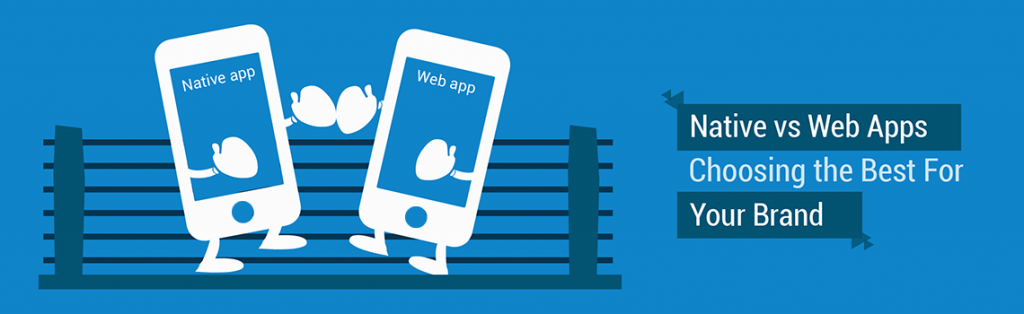
Business Benefits of Progressive Web Apps
Several companies that focused their efforts on PWAs instead of having a separate native app have experienced increased conversions. A best case in point is the world’s largest online B2B trading platform, Alibaba.com. Alibaba.com increased its conversion rate by 76% across browsers after upgrading its website to PWA.
Here’s how your business can benefit from PWA:
1. High-performance rate
Response time is crucial for audience engagement and better conversion rates. PWA responds quickly as the browser uses caching to save the elements of the layout that are repeated in the template. This improves the speed of downloads and reduces page load time. Subsequently, better performance leads to a better user experience, which in turn increases customer retention rates.
2. Ease of use across multiple devices
Progressive Web Apps are built with a responsive layout in mind for an improved user experience. A responsive design will fit into any size of the screen with ease. In other words, PWA will adjust the experience as per the device screen size. You can further improve the user experience with a PWA manifest file that controls the full-screen view.
3. Seamless browsing experience
A traditional website is virtually useless without a stable internet connection, but not a Progressive Web App. PWA can be easily viewed offline as service workers automatically cache important application features and information from the user’s last online access. This way, the user can access it without any network. Plus, you can add a brand logo, product descriptions, and few advanced features to your offline page.
This is an additional incentive for shoppers to choose businesses with a Progressive Web App over those that use native apps. Such a seamless browsing experience rewards you with better engagement rates and customer retention.
4. Resembles native-built applications
PWAs can be designed to look and behave like native apps, or they can be designed to let users know they are browsing the Progressive Web App. Regardless of the developer’s choice, it can contain a complete set of traditional app functionalities with database access. The best part is that you can seamlessly integrate the application into an existing website or an app.
Watch Video: Fingent software development experts can help you choose the right mobile app development approach by evaluating your requirements.
5. No installation is needed
Shoppers can download your app directly onto their devices. Once downloaded, it gets its own icon on the screen, just like a traditional mobile application. This will avoid the slow and complex installation process, improve user experience, and reduce user abandonment.
Here is another way it can benefit you: users can easily access the PWA via a URL. In other words, a user can easily share this link with a friend contributing to increased leads.
6. No manual updates are required
Native apps must be updated periodically through mobile internet or a WIFI connection. Such updates can consume large amounts of data, which may be costly for some users. Fortunately, Progressive Web App updates are performed “on-use,” much like how a website is updated.
7. Low development cost
Developing a mobile app can be a costly process, especially for small businesses and startups. Thankfully, PWA development is much cheaper than traditional app development but provides a better option for companies to generate a positive ROI.
Read more: Mobile app development: 4 tips to consider

8. Wide range of features
The most prominent feature of PWA is push notifications. Publishers and developers can use this feature to implement creative advertising solutions. As the push notifications appear on a shopper’s device screen, it is read more often than emails or updates on social media. This can lead to valuable brand awareness and promote products or services.
9. Improved app and data security
Security has been a concern for both users and developers. According to new standards of web design, all customer information must be moved to HTTPS. So it is highly convenient to launch Progressive Web App within a safe environment. Moreover, it builds customer confidence in the security of their personal information as they enter sensitive data into your PWA.
10. Low data and low storage
Data is costly in some developing nations. That is why it is a bonus that Progressive Web App consumes only a fraction of data usage compared to native apps. Moreover, it does not take up significant storage space on devices, so users are more inclined to use a lighter app on their smartphones. Also, it contributes to better performance.
Read more: Building a Business Mobile App in 2021? Here’s What You Need to Know
Progress with Progressive Web Apps
Progressive Web Apps are the future of web-hosted apps as they can overcome the inherent limitations of web performance and insufficient or unavailable internet connections. Since PWAs can run on any modern platform, soon they will overtake truly native apps. Yes, PWAs have the potential to change the way the web works. However, Progressive Web Apps will not replace websites and mobile apps altogether. It is still in its infancy. To know which option is best for your business, have a chat with the technology experts at Fingent.
Stay up to date on what's new
About the Author

Featured Blogs
Stay up to date on
what's new
Talk To Our Experts